Order Shipping Bags – Durable, Sustainable, Custom Packaging Solutions
Why Order Shipping Bags Are a Global Game-Changer
In a world where commerce crosses oceans in an unseen, endless flow, order shipping bags quietly steer the fate of countless businesses and humanitarian missions. Sounds hyperbolic? Maybe — but here’s the thing: efficient packaging can quite literally save lives and dollars. Getting these bags right means safeguarding products, enhancing sustainability, and ensuring supply chains don’t break under pressure.
From the bustling factories of Asia to last-mile deliveries in remote Africa, understanding what goes into order shipping bags equips us with better choices — cutting waste, costs, and carbon footprints. This is no minor footnote in global trade; it’s part of a broader push for smarter logistics and responsible consumption.1
Mini takeaway: Order shipping bags are not mere carriers but pivotal tools enhancing global trade’s efficiency and impact.
The Global Context: Why Order Shipping Bags Matter More Than Ever
Global shipping volumes have been growing steadily — the United Nations Conference on Trade and Development (UNCTAD) reports roughly 80% of global merchandise trade transported by sea.2 And with e-commerce exploding by nearly 20% annually in some markets, the demand for reliable, scalable, and affordable shipping bags is skyrocketing.
Yet, challenges abound. Packaging waste is a huge environmental problem, with the ISO estimating global packaging waste at millions of tons each year. Too often, bags fail to resist moisture, punctures, or rough handling — leading to damage or returns, hiking costs and frustration. Plus, regulations on packaging materials get stricter, which means manufacturers and businesses must stay ahead.
In real terms: the right order shipping bags help reduce product damage, improve efficiency during customs or transport, and even align with sustainability goals — all critical in today’s globalized, eco-conscious market.
Mini takeaway: The intersection of rising trade volumes, environmental concerns, and regulatory pressures make choosing the right order shipping bags essential for modern businesses.
What Exactly Are Order Shipping Bags?
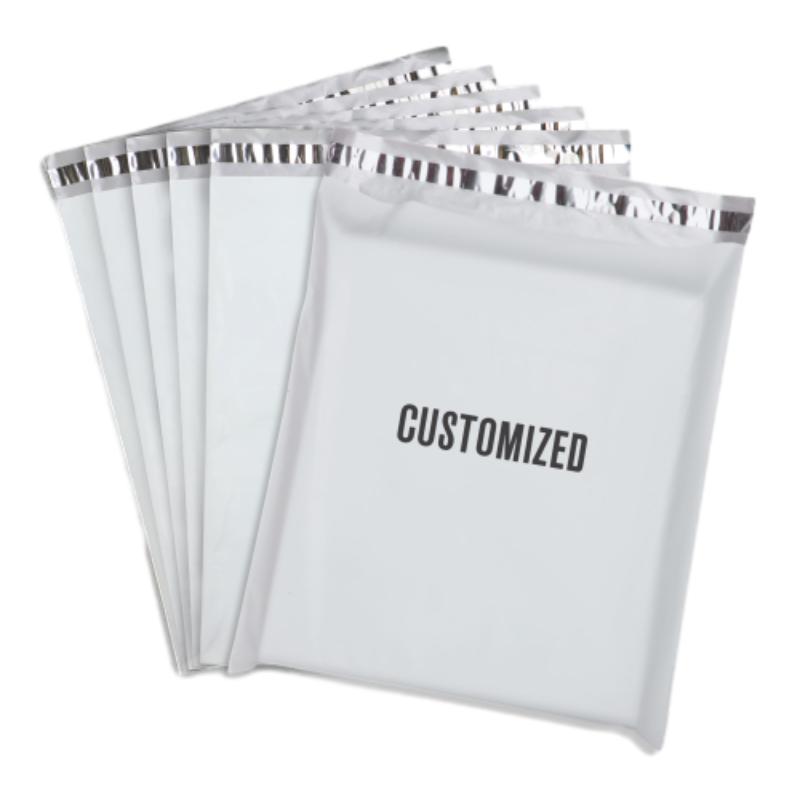
Simply put, order shipping bags are specially designed packaging bags used to pack and protect items during shipping. Unlike simple supermarket bags, these are often engineered to meet specific durability, size, and security needs and may incorporate features like tamper-evident seals, moisture resistance, or eco-friendly materials.
Whether it’s a batch of small electronics heading across continents, medical supplies destined for crisis zones, or fashion items delivered to consumers’ homes, these bags are critical in ensuring items arrive intact and unspoiled. They’re a quiet hero in the logistics ecosystem, bridging supply chain gaps and adapting to a fast-changing world.
Mini takeaway: Order shipping bags are durable, tailored packaging that protects products on their journey from factory to recipient.
Core Components of Reliable Order Shipping Bags
Durability
One big reason these bags stand out is their toughness. Shipping bags must resist tears, punctures, moisture, and sometimes extreme temperatures. Many use multilayered polyethylene or woven materials to ensure protection, making sure goods arrive as expected.
Scalability
Businesses shipping everything from single items to pallets need bags that can scale in size and quantity without blowing budgets. Manufacturers often offer modular bag sizes and bulk order options to meet this need.
Cost Efficiency
Of course, cost matters. The price per bag impacts overall shipping expenses, but it’s a balancing act — saving pennies by skimping on quality often backfires with damaged goods. Effective bags hit the sweet spot: affordable but reliable.
Sustainability
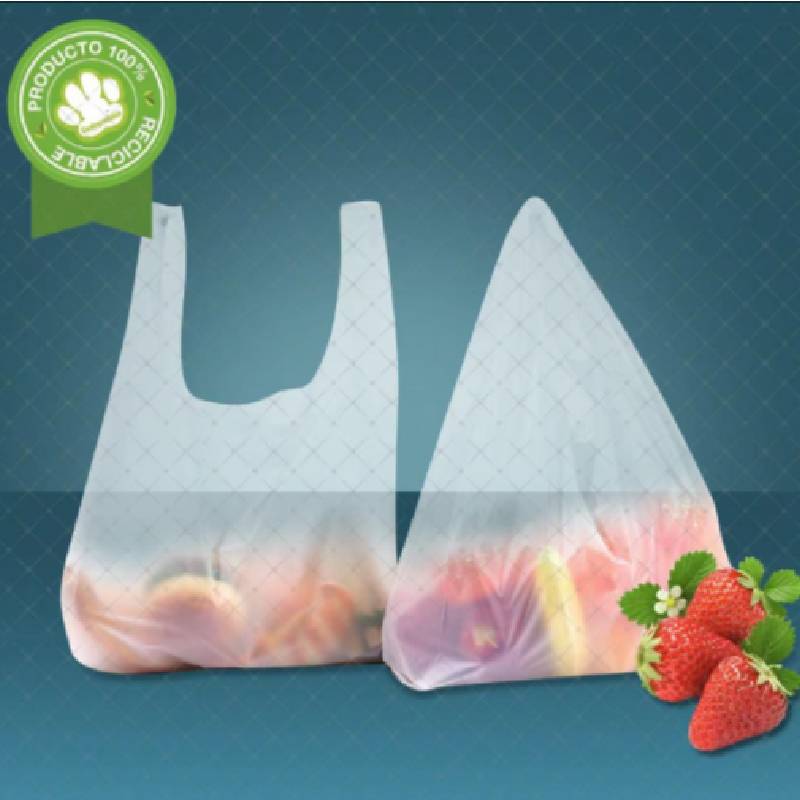
With all the global focus on green packaging, many shipping bags are now recyclable, biodegradable, or made from recycled plastics. This factor increasingly influences purchase decisions, especially for brands keen on eco credentials.
Security Features
Anti-tamper seals and opaque materials help keep shipments safe and protect customer privacy. This also builds trust — no one likes surprises.
Customization
Brands also want bags to represent them visually. Custom prints, sizes, or features like easy-open tears blend marketing with function.
Mini takeaway: Reliable order shipping bags combine durability, scalability, cost-efficiency, sustainability, security, and customization.
Typical Specifications of Order Shipping Bags
| Specification | Details |
|---|---|
| Material | Multi-layer polyethylene, woven polypropylene, biodegradable polymers |
| Typical Sizes | 10x15 cm up to 100x150 cm and custom lengths |
| Weight Resistance | From 500 g to 20+ kg depending on design |
| Moisture Resistance | Waterproof lamination or coated surfaces available |
| Security Features | Tamper-evident seals, opaque options |
| Customization | Custom prints, sizes, and closures |
Comparing Top Vendors in Order Shipping Bags
| Vendor | Material Options | Customization | Sustainability Focus | Typical Lead Time |
|---|---|---|---|---|
| Liya Biobag | Biodegradable, woven PP | Full print, custom sizes | Strong focus on compostable materials | 2–3 weeks |
| EcoPack Solutions | Recycled LDPE, paper blends | Limited prints, modular sizes | Recycled content emphasis | 3–4 weeks |
| PackMasters Inc. | Polyethylene, laminated | Custom colors available | Basic recyclability only | 1–2 weeks |
How Are Order Shipping Bags Used Around the World?
From the deserts of Australia sending out mining equipment to urban fashion hubs in Paris, order shipping bags play versatile roles. Humanitarian NGOs rely heavily on them to deliver clean water kits or medical supplies in post-disaster zones. Their portability and protective features make them perfect for delivering essentials where roads are rough or customs can cause delays.
In e-commerce, these bags provide an affordable, lightweight option that’s easy to handle in huge volume warehouses and last-mile delivery networks.
Oddly enough, I’ve noticed small manufacturers — think artisanal food producers — particularly value bags that blend affordability with environmental friendliness, aligning with their own brand ethos.
Mini takeaway: Order shipping bags suit a broad spectrum of uses, from small businesses to massive humanitarian efforts — a quiet backbone of many fields.
Advantages and Long-Term Value of Using the Right Shipping Bags
- Cost savings: Lower damage rates mean fewer returns or complaints.
- Environmental impact: Sustainable materials cut landfill waste and emissions.
- Brand trust: Well-designed packaging builds consumer confidence.
- Logistics efficiency: Lightweight and resilient bags reduce shipping costs and space.
- Social impact: In humanitarian contexts, durable bags ensure essentials arrive intact, preserving dignity.
So much more than just a bag, this is about shaping how goods enter the world, with a footprint that companies are proudly conscious of.
Future Trends to Watch in Order Shipping Bags
Technology-wise, several innovations are shaping the future of shipping bags:
- Bio-based polymers: Moving beyond petrochemical plastics toward fully compostable materials.
- Smart packaging: Temperature or moisture sensors embedded for sensitive shipments.
- Automation-friendly designs: Bags optimized for robotic packing lines.
- Enhanced recyclability: Mono-material bags simplifying waste processing.
Also, policies like increased restrictions on single-use plastics mean suppliers and buyers alike will need to get more creative. And oddly enough, digital tracking integrated with packaging is becoming more commonplace, connecting the physical with the digital supply chain.
Common Challenges and How to Overcome Them
Despite advances, challenges remain: inconsistent quality among vendors, variations in environmental claims, and sometimes confusing regulation standards. Some companies struggle with balancing cost and sustainability.
Experts recommend working closely with trusted suppliers (like order shipping bags specialists) and clearly defining packaging requirements upfront. Testing batches for strength and compatibility with packing equipment helps avoid nasty surprises.
Innovative solutions include modular designs that companies can tweak as demand changes and partnering with eco-certification bodies to validate claims.
Frequently Asked Questions About Order Shipping Bags
Q: What types of materials are best for order shipping bags in humid climates?
A: For humid environments, moisture-resistant materials like polyethylene with waterproof lamination or woven polypropylene with protective coatings are ideal. These prevent mold growth and protect items from water damage during transit.
Q: How does customizing order shipping bags boost brand recognition?
A: Custom printing allows brands to showcase logos, slogans, or unique patterns, enhancing customer experience and brand recall. Personalization differentiates shipments in crowded logistics channels and creates a professional image.
Q: Are biodegradable order shipping bags as durable as traditional plastic ones?
A: Modern biodegradable bags have made great strides in strength and durability, often comparable to plastics for standard shipping needs. However, they may be sensitive to certain environmental conditions, so testing for specific use cases is recommended.
Q: Can I order shipping bags in bulk with customized sizes?
A: Absolutely. Most manufacturers, including order shipping bags providers, offer bulk orders with custom dimensions and features to fit your unique product lines.
Q: How do order shipping bags contribute to sustainability goals?
A: By using recyclable or compostable materials and reducing damage-related waste, these bags lower environmental impact. They support circular economy principles and comply with emerging regulations worldwide.
Wrapping Up: Take Your Operations to the Next Level
To sum it up, order shipping bags are an unheralded, yet indispensable, cornerstone of efficient, responsible global trade. They safeguard products, reduce costs, and reflect companies’ sustainability commitments — a trifecta that simply can’t be ignored in today’s industry.
If you’re looking to refine your packaging strategy and order shipping bags that deliver on quality, environmental responsibility, and customization, don’t hesitate to explore reliable suppliers with a solid foothold in innovation.
Thoughtful packaging is no longer optional — it’s a necessity that reverberates from your warehouse to the world.
References:
1. United Nations Conference on Trade and Development (UNCTAD) - unctad.org
2. International Organization for Standardization (ISO) - iso.org
3. World Bank Logistics Performance Report - lpi.worldbank.org
-
Secure Shipping Guide with Poly Mailer Bubble Wrap SolutionsNewsApr.16,2026
-
Secure Shipping Guide for Using Durable Bubble Parcel BagsNewsApr.09,2026
-
Comprehensive Guide to Poly Mailer Bubble for Secure and Efficient ShippingNewsApr.07,2026
-
Elevate Your Brand with Custom Designer Bubble Mailers for Effective PackagingNewsApr.04,2026
-
Comprehensive Guide to Poly Mailers with Bubble Wrap for Secure ShippingNewsMar.31,2026
-
Comprehensive Guide to Large Bubble Poly Mailers for Secure and Efficient ShippingNewsMar.28,2026
-
Have the freedom of customizing your custom mailers any way you want! Our dedicated packaging support will help deliver you the mailing experience you need to elevate your shipping experience to the next level! Start making a strong impression on your customers and stand out from your competitors! -
LIYA uses high quality raw materials which directly purchased from large enterprises domestic and overseas such as PetroChina, Sinopec, Sabic, Equate, ExxonMobil, Dow Chemical, Total, and Borouge, ensuring the price advantage and quality of the raw materials. -
LIYA uses high quality raw materials which directly purchased from large enterprises domestic and overseas such as PetroChina, Sinopec, Sabic, Equate, ExxonMobil, Dow Chemical, Total, and Borouge, ensuring the price advantage and quality of the raw materials.
 English
  Arabic
  China
China  French
  Korean
  Russian
  Spanish