Pink Polymailer: Sustainable, Stylish, and Practical Packaging Solutions
Understanding Pink Polymailer: A Colorful Solution for Modern Packaging
Pink polymailer — you might have come across this handy and cheerful packaging option more than you realize, especially if you’re involved in e-commerce, shipping, or even humanitarian efforts. But why does this seemingly simple item matter globally? Frankly, it’s a small but growing piece of how goods reach us safely, how brands present themselves, and even how sustainability is evolving in packaging industries worldwide. Understanding pink polymailers opens doors into discussions about durability, efficiency, brand identity, and environmental impact all rolled into one.
Global Context: Why Pink Polymailer Matters
Globally, the packaging industry is a multi-billion-dollar business growing at an average rate of around 5% annually (source: Statista). The rise of e-commerce, particularly spurred by recent shifts in shopping habits, has made efficient, lightweight, and protective mailers absolutely essential. Pink polymailers, in particular, are gaining favor not just for their functional benefits but for their ability to stand out on the crowded shelves and in shipping logistics.
One challenge to address here is balancing protection with sustainability. Conventional plastic mailers have environmental downsides; however, innovations in materials and design in the polymailer segment have begun to tackle this head-on. The pink shade adds identity — think brand recognition and visibility during the sorting process.
What Exactly Is a Pink Polymailer?
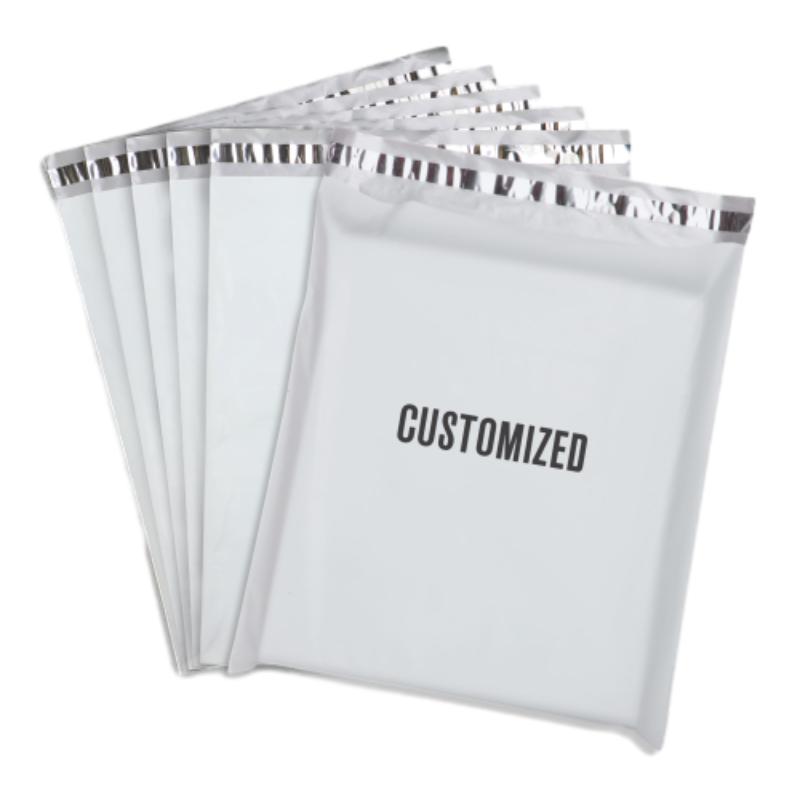
Simply put, a pink polymailer is a plastic mailing bag — often polyethylene-based — tinted pink. It’s lightweight, waterproof, and tear-resistant, designed primarily for packaging non-fragile items like clothing, documents, or soft goods. But beyond the aesthetics, it’s about delivering reliability and cost-effectiveness, especially when handled in large-scale logistics operations.
In modern industry terms, polymailers contribute to faster, safer shipments and reduced packaging waste compared to boxes. For humanitarian sectors, pink polymailers can be practical for kit distribution — colorful, easy to transport, and visually distinct amongst other aid materials.
Core Components of Pink Polymailers
1. Durability
These mailers resist punctures and tears, keeping goods safe during unpredictable transit. The polyethylene film used usually has multi-layer lamination, balancing flexibility with strength.
2. Water Resistance
Pink polymailers safeguard contents from moisture— rain or accidental spills — a feature that is invaluable in outdoor or less controlled environments.
3. Lightweight Design
They reduce shipping costs by cutting down on weight while still protecting contents — a win-win for online stores or global shipping firms.
4. Branding & Visibility
The pink color stands out on conveyor belts and amongst piles of packages, helping reduce loss or mix-ups. It’s also a subtle marketing tool, giving a cheerful, distinctive touch.
5. Eco-Friendly Advances
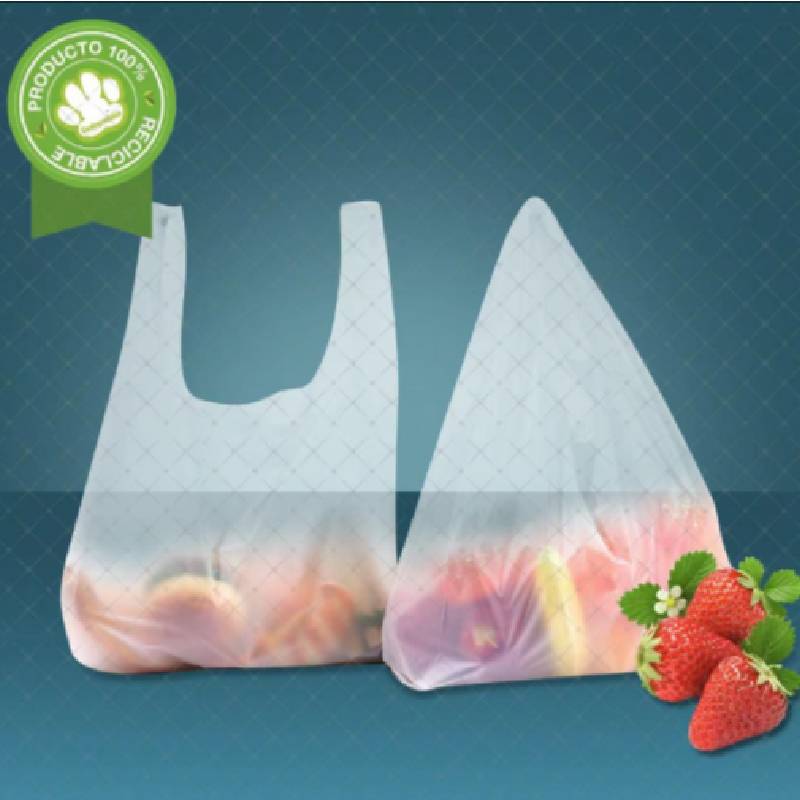
Newer pink polymailers incorporate recycled polymers or biodegradable additives, aligning with increasing regulatory focus on packaging waste reduction.
Specifications Overview of a Typical Pink Polymailer
| Specification | Details |
|---|---|
| Material | Polyethylene (LDPE/MDPE blend) |
| Dimensions | Various sizes; common 10” x 13” |
| Thickness | 2.5 - 3 mil |
| Closure | Self-seal adhesive strip |
| Color | Pink (various shades, customizable) |
| Recyclability | Depends on materials; often recyclable at specialized centers |
Pink Polymailer in Action: Global Applications
Pink polymailers have proven themselves handy across industries and geographies. In the fashion industry, for example, pink polymailer bags add a splash of branding, helping online boutiques create memorable unboxing moments.
Meanwhile, in post-disaster relief operations, they've been used to deliver care packages due to their water resistance and ease of transport. Think emergency kits going to flood-affected regions where moisture protection is a must.
In remote industrial zones — particularly in Asia and Africa — light, tear-proof polymailers expedite the shipment of spare parts, manuals, and small components without the bulk of boxes.
| Vendor | Customization Options | Price per 1000 (USD) | Sustainability Features | Lead Time |
|---|---|---|---|---|
| Vendor A | Custom printing, sizes, thickness | $150 | Recycled materials used | 2-3 weeks |
| Vendor B | Bulk sizes only, limited print | $120 | Biodegradable coating option | 1-2 weeks |
| Vendor C | Full customization, including color shades | $200 | 100% recyclable film technology | 3-4 weeks |
Advantages and Longevity of Pink Polymailers
First, from a cost perspective, lightweight polymailers typically reduce shipping fees versus boxed or heavier alternatives. That seems basic, but it can add up to thousands saved annually in large operations.
Environmentally, the shift toward using recyclable or biodegradable polymers means these mailers can fit better with stringent packaging directives like those from the ISO 18601 series on packaging and the environment.
Emotionally, there’s an understated value in receiving goods safely in a brightly colored, cheerful package. It adds a sense of care, individuality, and trustworthiness from sender to recipient. Innovation in shapes and closures also improves usability.
Emerging Trends in Pink Polymailer Technology
- Green Materials: Polyethylene blends incorporating recycled ocean plastics or plant-based resins.
- Smart Packaging: Integration with QR codes for authentication and tracking.
- Automation-Friendly Design: Shapes and thicknesses tailored to robotic packing lines to improve speed and reduce damage.
These advancements particularly resonate with brand-conscious retailers and environmental advocates.
Challenges and Solutions in Pink Polymailer Use
Limitations include waste management difficulties and the ongoing hurdle of proper domestic recycling programs. Many polymailers still end up in landfill due to mixed plastics or adhesive contamination.
Expert insight suggests moving to mono-material films and educating consumers on disposal can help. Also, collaboration with logistics partners to optimize reuse or collection programs is essential. Companies like pink polymailer suppliers are experimenting with return incentives to close the loop.
Frequently Asked Questions About Pink Polymailer
- Q: Are pink polymailers recyclable?
A: Many pink polymailers are recyclable if made from mono-material polyethylene, but this depends on local recycling programs accepting plastic bags. Always check local guidelines. - Q: What items are suitable to ship in pink polymailers?
A: Soft goods like apparel, documents, and lightweight products fit best. Fragile items usually require bubble wrap or boxed packaging for added protection. - Q: Can pink polymailers be customized?
A: Yes, many vendors offer custom size, printing, and thickness options, including various shades of pink for brand alignment. - Q: How do pink polymailers impact shipping costs?
A: Their low weight reduces postage fees compared to boxes, which benefits businesses selling online with high volume shipments. - Q: Are there eco-friendly pink polymailer options?
A: Yes, some suppliers now offer biodegradable or recycled-content polymailers that reduce environmental impact while maintaining performance.
Conclusion: The Long-Term Promise of Pink Polymailer
Pink polymailers are more than just pretty packaging; they represent a sweet spot where branding, protection, cost savings, and increasing sustainability meet. As e-commerce expands and environmental expectations rise, these colorful mailers will likely grow in importance worldwide. For businesses looking to combine reliability with a touch of personality, pink polymailers are worth considering — and you can find out more by visiting our site. Honestly, it feels like a small but meaningful step toward better packaging solutions for everyone.
Mini takeaway: Pink polymailers blend functionality with visual appeal and sustainability, making them a smart choice for today’s logistics challenges.
References:
1. ISO Standards on Packaging and Environment
2. E-commerce - Wikipedia
3. Packaging Industry Stats - Statista
-
Secure Shipping Guide with Poly Mailer Bubble Wrap SolutionsNewsApr.16,2026
-
Secure Shipping Guide for Using Durable Bubble Parcel BagsNewsApr.09,2026
-
Comprehensive Guide to Poly Mailer Bubble for Secure and Efficient ShippingNewsApr.07,2026
-
Elevate Your Brand with Custom Designer Bubble Mailers for Effective PackagingNewsApr.04,2026
-
Comprehensive Guide to Poly Mailers with Bubble Wrap for Secure ShippingNewsMar.31,2026
-
Comprehensive Guide to Large Bubble Poly Mailers for Secure and Efficient ShippingNewsMar.28,2026
-
Have the freedom of customizing your custom mailers any way you want! Our dedicated packaging support will help deliver you the mailing experience you need to elevate your shipping experience to the next level! Start making a strong impression on your customers and stand out from your competitors! -
LIYA uses high quality raw materials which directly purchased from large enterprises domestic and overseas such as PetroChina, Sinopec, Sabic, Equate, ExxonMobil, Dow Chemical, Total, and Borouge, ensuring the price advantage and quality of the raw materials. -
LIYA uses high quality raw materials which directly purchased from large enterprises domestic and overseas such as PetroChina, Sinopec, Sabic, Equate, ExxonMobil, Dow Chemical, Total, and Borouge, ensuring the price advantage and quality of the raw materials.
 English
  Arabic
  China
China  French
  Korean
  Russian
  Spanish