Plastic Shipping Pouches – Durable, Cost-effective Packaging Solutions for Global Logistics
Plastic Shipping Pouches: Essential Packaging Solutions in a Globalized Economy
Plastic shipping pouches have quietly become fundamental players in the world of logistics and packaging. You may not notice them, but whenever you receive a small parcel, medical supplies, or even some tech gadgets, these pouches are typically involved in keeping things safe and intact during transit. Globally, the need to efficiently ship products has skyrocketed, alongside e-commerce growth, medical supply distribution, and humanitarian aid efforts. Understanding why plastic shipping pouches matter—and what makes a good one—helps businesses and aid organizations alike make smarter decisions that save money, protect goods, and reduce waste.
Introduction: The Global Context and Challenges
The demand for plastic shipping pouches is soaring worldwide and it’s no surprise why. According to the United Nations Conference on Trade and Development, global e-commerce sales surpassed $26 trillion in 2023, fueling the need for effective packaging that safeguards products from warehouse to doorstep. Meanwhile, humanitarian agencies distributing aid materials also rely on robust, light, and low-volume packaging to reach crisis zones efficiently. But shipping fragile items or sensitive materials comes with its own headaches: exposure to moisture, contamination, or rough handling in transit. Poor packaging leads to product loss, increased costs, and—frankly—customer frustration. This is where plastic shipping pouches prove their worth.
What Exactly are Plastic Shipping Pouches?
In simple terms, plastic shipping pouches are flexible containers made from various polymer materials designed to hold, protect, and transport goods. Unlike rigid boxes or cartons, these pouches are lightweight, adaptable in size, and can incorporate barriers against moisture, oxygen, or UV light to extend product shelf-life. Their use spans industries—from packaging pharmaceuticals to shipping spare parts or sensitive electronics. The materials science behind them means they’re often recyclable or can be engineered for biodegradability, touching on sustainability concerns that modern industries cannot ignore.
Key Factors Defining Plastic Shipping Pouches
Durability and Protection
A pouch’s ability to resist puncture, tearing, and environmental factors is vital. This durability ensures the package arrives in the same condition it left the warehouse—think of a medical sample or delicate electronic component.
Cost Efficiency
Compared to traditional rigid packaging, plastic shipping pouches lower material and transportation costs. Their lightweight nature means reduced shipping weight, hence lower freight charges.
Scalability and Customization
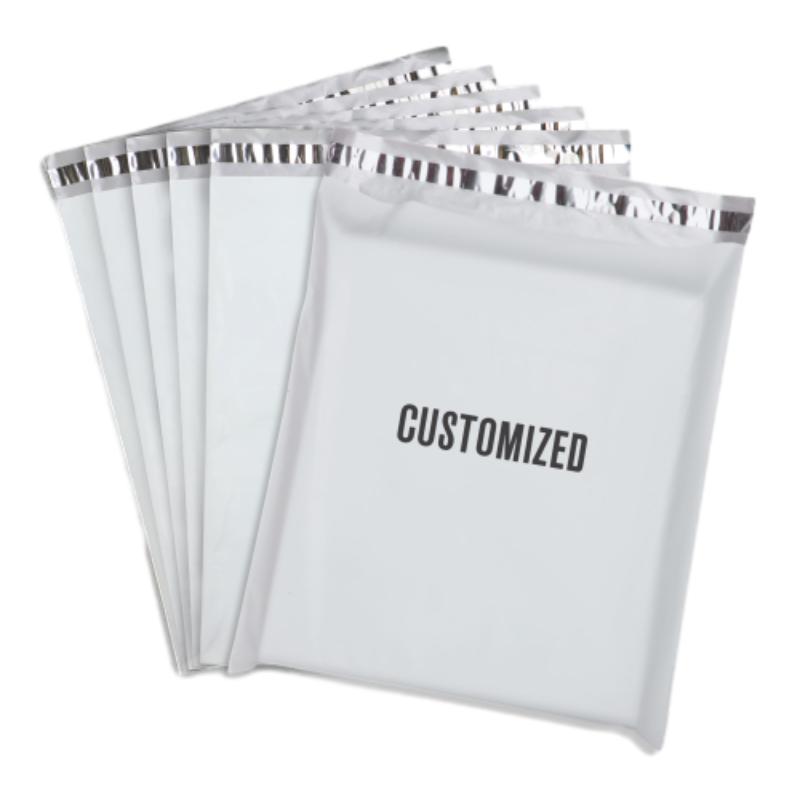
They’re easily produced in a wide range of sizes and customized with features like resealable zippers, tamper-evident seals, or transparent windows. This flexibility makes them suitable for small startups or multinational corporations alike.
Sustainability
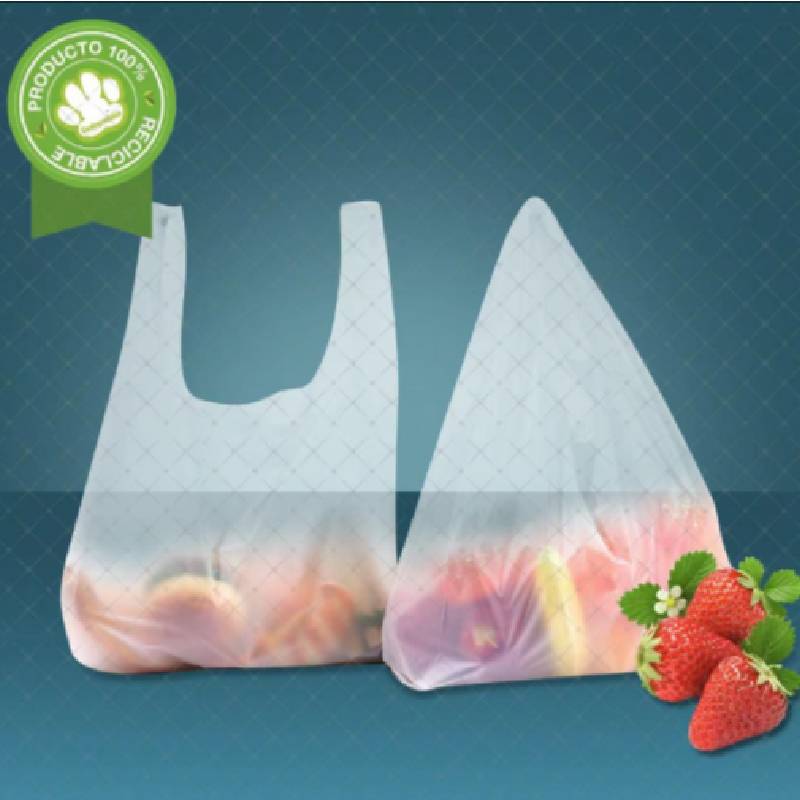
Many manufacturers now focus on renewable resources or recycled materials, aiming for reduced carbon footprints. While conventional plastics pose environmental concerns, innovations like compostable polymers are beginning to change the narrative.
Compatibility with Automation
In high-volume distribution centers, pouches must fit automated packing and sealing machines, making production speed and consistent quality crucial.
Plastic Shipping Pouches in Action: Global Applications
- Humanitarian Aid: In disaster zones, plastic shipping pouches facilitate rapid deployment of essential supplies like water purification tablets or basic medical kits. Lightweight and robust, they help NGOs optimize transport costs and volume capacity.
- E-commerce Logistics: Retailers shipping small, lightweight products depend on pouches for cost-effective yet secure packaging.
- Pharmaceutical Industry: Many medications require protection from moisture and contamination—plastic pouches with specialized barriers meet these strict standards.
- Manufacturing and Spare Parts Supply: Small components shipped worldwide need snug packaging—the pouches prevent loss or damage during handling.
For example, after the 2022 floods in Southeast Asia, relief organizations reported that plastic shipping pouches were instrumental in packing sealed water purification sachets and lightweight emergency kits that could be air-dropped safely.
Advantages and Long-Term Value of Plastic Shipping Pouches
Beyond cost savings, these pouches offer a combination of practical and emotional benefits. From a business standpoint, lower shipping costs and decreased product damage make a measurable difference to profit margins. On a human level, reliable packaging can preserve the dignity and safety of aid recipients by delivering uncontaminated essentials reliably. Trust in the package means trust in the provider—a powerful connection in e-commerce and humanitarian supply chains alike.
Innovation in materials and design has even made some pouches biodegradable, striking a hopeful balance between functionality and environmental responsibility. It’s a long game for sure, but one that the industry seems increasingly committed to playing.
Product Specification Table for Plastic Shipping Pouches
| Specification | Typical Range/Value | Notes |
|---|---|---|
| Material Types | LDPE, HDPE, PET, Bioplastic blends | Chosen per durability and barrier needs |
| Thickness | 30–150 microns | Thicker films for heavy-duty protection |
| Seal Types | Heat seal, zip lock, tamper-evident | Depends on product security needs |
| Barrier Properties | Moisture, oxygen, UV protection variants | Critical for sensitive goods |
| Dimensions | Custom sizes from small sachets to large pouches | Flexibility to customer needs |
Vendor Comparison: Leading Providers of Plastic Shipping Pouches
| Vendor | Material Options | Customization | Sustainability Focus | Typical Lead Time |
|---|---|---|---|---|
| EcoPack Solutions | Bioplastic blends, recycled PET | High (print, seals, sizing) | Strong commitment; carbon-neutral shipping | 3–4 weeks |
| FlexiPack Corp | LDPE, HDPE standard films | Medium (standard sizes) | Minimal; focus on cost-effective production | 2 weeks |
| GlobalPack Industries | Wide polymer range including PET/Aluminum options | Very high (bespoke) | Moderate; corporate sustainability goals | 4–6 weeks |
Emerging Trends and the Road Ahead
Sustainability remains the hottest issue on everyone’s minds. New biodegradable materials derived from plant starches, seaweed polymers, and even advanced recycling processes are gaining traction. Oddly enough, digital print technologies allow for on-demand customization, reducing waste from unused inventory and making the supply chain more flexible—no more stockpiling thousands of boring plain pouches. Automation and AI-integrated packaging lines further speed up production while maintaining quality.
Challenges and Practical Solutions
No technology is perfect, and plastic shipping pouches are no exception. Environmental impact remains a thorny concern. Recycling infrastructure lags in many regions, and mixed-material pouches can be tricky to recycle. Material costs sometimes fluctuate too, impacting pricing. The solution? Industry collaboration on standardizing recyclable designs and building circular economy models that extend material life. On the technical side, investing in R&D to create thinner, stronger films helps reduce plastic volume without compromising safety.
FAQs About Plastic Shipping Pouches
- Q: Are plastic shipping pouches recyclable?
A: Many pouches made from single polymer types like PET or HDPE can be recycled, but multi-layer films may require specialized processes. Look for manufacturers who specify recyclability. - Q: How durable are these pouches during international shipping?
A: With proper material selection and sealing technologies, pouches resist puncture, moisture, and rough handling, often outperforming traditional packaging for certain goods. - Q: Can plastic shipping pouches be customized?
A: Absolutely—size, seals, printing, and special barrier features can all be tailored to meet customer needs, including tamper evidence or resealability. - Q: How do plastic shipping pouches help in emergencies?
A: Their lightweight and compact nature means more supplies fit in transport vehicles or aircraft, enabling rapid distribution and reducing delivery costs in critical situations.
Wrapping It Up: Why Plastic Shipping Pouches Matter Now More Than Ever
All in all, plastic shipping pouches combine protection, cost efficiency, and adaptability, making them indispensable in today’s complex global logistics and humanitarian aid landscapes. Whether you’re a manufacturer trying to reduce shipping damage or an NGO planning a relief mission, these pouches represent a smart, practical packaging solution worth considering. If you want to explore how modern plastic shipping pouches can streamline your operations, visit plastic shipping pouches for expert options tailored to your needs.
Mini takeaway: Plastic shipping pouches merge pragmatic design with evolving sustainability efforts—an ongoing journey toward better, safer, and greener packaging worldwide.
References:
-
Secure Shipping Guide with Poly Mailer Bubble Wrap SolutionsNewsApr.16,2026
-
Secure Shipping Guide for Using Durable Bubble Parcel BagsNewsApr.09,2026
-
Comprehensive Guide to Poly Mailer Bubble for Secure and Efficient ShippingNewsApr.07,2026
-
Elevate Your Brand with Custom Designer Bubble Mailers for Effective PackagingNewsApr.04,2026
-
Comprehensive Guide to Poly Mailers with Bubble Wrap for Secure ShippingNewsMar.31,2026
-
Comprehensive Guide to Large Bubble Poly Mailers for Secure and Efficient ShippingNewsMar.28,2026
-
Have the freedom of customizing your custom mailers any way you want! Our dedicated packaging support will help deliver you the mailing experience you need to elevate your shipping experience to the next level! Start making a strong impression on your customers and stand out from your competitors! -
LIYA uses high quality raw materials which directly purchased from large enterprises domestic and overseas such as PetroChina, Sinopec, Sabic, Equate, ExxonMobil, Dow Chemical, Total, and Borouge, ensuring the price advantage and quality of the raw materials. -
LIYA uses high quality raw materials which directly purchased from large enterprises domestic and overseas such as PetroChina, Sinopec, Sabic, Equate, ExxonMobil, Dow Chemical, Total, and Borouge, ensuring the price advantage and quality of the raw materials.
 English
  Arabic
  China
China  French
  Korean
  Russian
  Spanish