Red Shipping Bags: Durable, Visible & Sustainable Packaging Solutions for Global Logistics
Understanding Red Shipping Bags: What They Are and Why They Matter Globally
When you hear the phrase red shipping bags, what comes to mind? Maybe simple plastic carriers or maybe something more specialized. Oddly enough, these bags have a far-reaching impact in logistics, disaster relief, and secure shipping worldwide. Frankly, grasping their role goes beyond just packaging — it touches sustainability, efficiency, and safety on a global scale.
Introduction: The Global Impact of Red Shipping Bags
The World Bank estimates that international trade volume has doubled over the past two decades, and efficient packaging solutions like red shipping bags are quietly enabling this growth. Across continents—from North America to Asia—these bags have become vital in transporting goods, particularly when visibility and security are essential. The International Organization for Standardization (ISO) also underscores packaging’s role in protecting cargo and reducing environmental impact.
Yet one challenge remains: many shipping materials contribute to pollution or fail under tough conditions, especially in vulnerable regions. Red shipping bags, made with specific durability and visibility features, mitigate these risks and streamline global supply chains.
What Exactly Are Red Shipping Bags?
Simply put, red shipping bags are specialized containers—or heavy-duty bags—typically colored bright red for easy identification. Their use spans from secure transport of sensitive or hazardous items to fast-paced delivery sectors like e-commerce. In humanitarian contexts, these bags help in organizing supplies during emergencies, making the distribution process transparent and efficient.
Their signature red hue isn’t just aesthetic—it signals caution or priority in many supply chains, ensuring handlers pay extra attention.
Key Factors That Define Red Shipping Bags
Durability
Most red shipping bags are made of tear-resistant materials like reinforced polyethylene or woven fabrics that withstand rough handling and weather, keeping contents intact.
Visibility & Identification
The bright red color ensures these bags stand out amidst pallets or cluttered warehouses, preventing loss and enabling focused alerts—particularly useful for fragile or critical shipments.
Cost Efficiency
Compared to rigid containers, red shipping bags offer a low-cost alternative without sacrificing security, which is attractive for large-scale logistics operations.
Scalability & Versatility
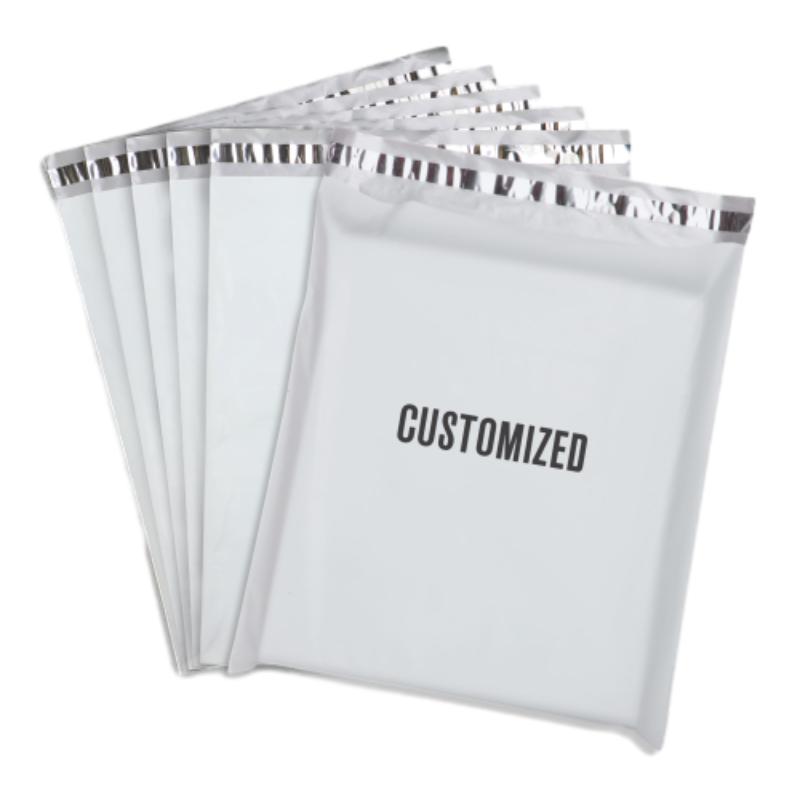
They come in various sizes and can be customized with branding, barcodes, or RFID tags, helping companies scale their shipping needs smoothly.
Sustainability
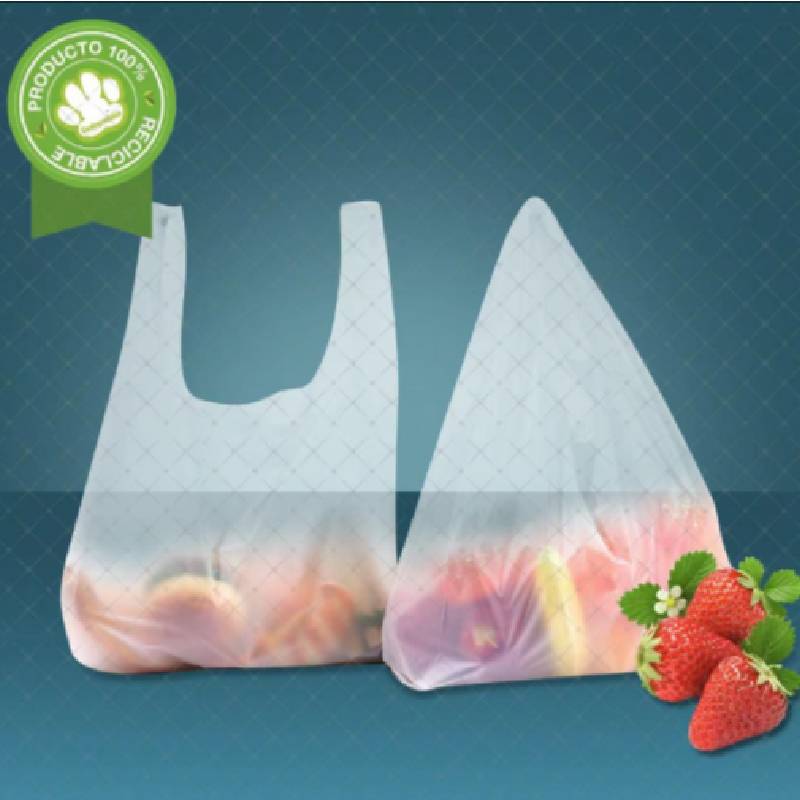
Many manufacturers now offer recyclable or biodegradable options, aligning with global goals to reduce packaging waste.
Global Applications & Use Cases
In real terms, red shipping bags appear everywhere—from industrial hubs in Germany to post-disaster shelters in Southeast Asia. For instance:
- Disaster Relief: NGOs use red shipping bags to bundle medical supplies, enabling quick recognition in chaotic environments.
- Industrial Zones: Factories storing hazardous chemicals secure items in red bags for safety and compliance.
- E-commerce Fulfillment: Rejecting the bland, many companies prefer red bags for distinctive packaging that boosts brand recall.
In all these cases, the consistent element is reliability paired with high visibility.
Advantages & Long-Term Value
Sure, efficiency and cost savings are obvious perks. But there’s emotional weight, too. Workers handling high-stakes shipments find a measure of reassurance when their supplies come encased in rugged, unmistakable red bags. There’s a dignity in secure packaging — it means someone cared enough to safeguard the contents.
Environmentally, choosing reusable or recyclable red shipping bags contributes to reduces landfill waste, which is slowly becoming a critical criterion for many shipping companies globally.
Product Specifications: Typical Red Shipping Bag
| Characteristic | Specification |
|---|---|
| Material | Reinforced polyethylene woven fabric |
| Color | Bright red (Pantone 186 C) |
| Dimensions | Customizable; standard sizes 12"x16" to 36"x48" |
| Weight Capacity | Up to 50 kg (depending on size) |
| Closure Types | Zip lock, drawstring, or flap with Velcro |
| Additional Features | RFID tags, barcode printing, waterproof coating |
Vendor Comparison: Leading Red Shipping Bag Suppliers
| Supplier | Material Quality | Customization Options | Sustainability | Average Delivery Time | Typical Price Range |
|---|---|---|---|---|---|
| Liya BioBag | High-grade woven PE | Full custom printing & RFID | Biodegradable options available | 2-4 weeks | $1.50 - $3.50 per unit |
| RedPack Solutions | Standard PE fabric | Limited color prints | No recyclable options | 1-3 weeks | $1.20 - $2.75 per unit |
| GlobalPack Corp. | Premium ripstop nylon | Custom sizes & digital printing | Eco-certified materials used | 3-5 weeks | $2.00 - $4.20 per unit |
Future Trends & Innovations in Red Shipping Bags
Looking ahead, innovation is steering these bags toward smarter, greener solutions. Imagine bags embedded with IoT sensors that track temperature, humidity, or location in real time—this is no longer sci-fi.
On the material side, bio-based polymers and compostable fabrics are gaining traction, aligning with UN Sustainable Development Goals for packaging waste reduction. Automation in manufacturing, digital custom printing, and integration with blockchain for supply-chain transparency also shape the horizon.
Challenges & Solutions
Like any specialized product, red shipping bags aren’t without hurdles. One persistent issue is the balance between strength and biodegradability; stronger materials often rely on plastics less friendly to the environment.
However, advances in polymer science and collaborations between manufacturers and environmental bodies are addressing these concerns. For example, companies like Liya BioBag are pioneering biodegradable fabric blends that meet durability needs without compromising eco-friendliness.
FAQ: Frequently Asked Questions About Red Shipping Bags
1. What makes red shipping bags better than standard packaging?
Red shipping bags provide enhanced visibility and identification, which reduce mishandling and loss. Their material is often reinforced for durability, offering better protection than standard bags. This is crucial in both commercial and humanitarian shipping.
2. Can red shipping bags be customized for specific industries?
Definitely. They can be tailored in size, closure style, and branding, and can include features like RFID tags or barcode printing. Industries from pharmaceuticals to e-commerce leverage these options for operational efficiency.
3. Are there eco-friendly red shipping bag options?
Yes, many suppliers now produce biodegradable or recyclable red shipping bags. It’s worth checking certifications like ISO 14001 or Material Safety Data Sheets (MSDS) to ensure environmental compliance.
4. How do red shipping bags perform in harsh weather or disaster zones?
High-quality bags use weather-resistant coatings and reinforced fabrics to withstand rain, wind, and rough handling. This robustness makes them a go-to choice for disaster relief supplies and outdoor industrial uses.
5. Where can I find reliable suppliers for red shipping bags?
Companies like Liya BioBag offer a range of red shipping bags customizable for different needs, with a strong focus on sustainability and quality assurance.
Conclusion: Why Red Shipping Bags Are Worth Your Attention
In the long run, red shipping bags are more than just containers—they’re strategic assets in logistics and humanitarian efforts. Their combination of visibility, durability, and evolving sustainability makes them a small but mighty part of smoother global operations.
If you’re looking for reliable red shipping bags that balance innovation with environmental responsibility, consider reaching out to this trusted supplier for solutions tailored to your needs.
It’s fascinating how something as simple as a bag can quietly impact global trade, safety, and sustainability simultaneously, isn’t it?
References
- World Bank – International Trade Overview
- International Organization for Standardization (ISO) Standards
- Packaging and Labeling – Wikipedia
-
Secure Shipping Guide with Poly Mailer Bubble Wrap SolutionsNewsApr.16,2026
-
Secure Shipping Guide for Using Durable Bubble Parcel BagsNewsApr.09,2026
-
Comprehensive Guide to Poly Mailer Bubble for Secure and Efficient ShippingNewsApr.07,2026
-
Elevate Your Brand with Custom Designer Bubble Mailers for Effective PackagingNewsApr.04,2026
-
Comprehensive Guide to Poly Mailers with Bubble Wrap for Secure ShippingNewsMar.31,2026
-
Comprehensive Guide to Large Bubble Poly Mailers for Secure and Efficient ShippingNewsMar.28,2026
-
Have the freedom of customizing your custom mailers any way you want! Our dedicated packaging support will help deliver you the mailing experience you need to elevate your shipping experience to the next level! Start making a strong impression on your customers and stand out from your competitors! -
LIYA uses high quality raw materials which directly purchased from large enterprises domestic and overseas such as PetroChina, Sinopec, Sabic, Equate, ExxonMobil, Dow Chemical, Total, and Borouge, ensuring the price advantage and quality of the raw materials. -
LIYA uses high quality raw materials which directly purchased from large enterprises domestic and overseas such as PetroChina, Sinopec, Sabic, Equate, ExxonMobil, Dow Chemical, Total, and Borouge, ensuring the price advantage and quality of the raw materials.

 English
  Arabic
  China
China  French
  Korean
  Russian
  Spanish