100 Compostable Mailer – Sustainable Packaging Solutions for a Greener Future
Understanding 100 Compostable Mailers: Why They Matter More Than Ever
If you’ve ever mailed a package and worried that it might end up as yet another piece of stubborn plastic waste, you’re not alone. The rise of 100 compostable mailer products is reshaping how industries and individuals address one key problem: sustainable packaging. These mailers are designed to break down in composting environments, reducing landfill mass and environmental impact. And frankly, in a world drowning in single-use plastics, they’re a small but significant step forward.
The Global Context Behind Compostable Packaging
Worldwide packaging waste is a massive challenge. According to the United Nations Environment Programme (UNEP), over 300 million tons of plastic are produced annually, with packaging accounting for nearly half. Compostable mailers step up by offering an alternative that fits neatly into circular economy goals and sustainable supply chains. Industries from e-commerce to humanitarian aid increasingly see these products as vital. Yet, there is still a hurdle—ensuring these mailers are truly compostable under real conditions and that infrastructure exists to process them.
Consider that the global mailing and courier market was valued at over $340 billion in 2023, with an annual growth rate signaling more shipments, more packaging, and more waste—unless something changes.
Mini takeaway: Compostable mailers aren’t just packaging; they’re part of a global response to mounting environmental pressure and supply chain rethinking.
What Exactly Is a 100 Compostable Mailer?
In simple terms: It’s a mailing envelope or pouch made entirely from materials that break down into natural elements within commercial or home composting conditions. Unlike biodegradable options that might fragment but leave microplastics, 100 compostable mailer means materials are certified—meeting standards like ASTM D6400 or EN 13432—and truly return to the earth without toxic residue.
These mailers are typically made from plant-based polymers, cornstarch, or cellulose fibers, sometimes combining paper layers with compostable films. The result? A flexible, lightweight product that still protects its contents but won’t haunt landfill sites for centuries. This innovation is especially crucial for sectors like online retail or aid deliveries, where large volumes of packaging materials converge.
Core Components That Make Compostable Mailers Tick
Material Composition
Most 100 compostable mailers balance cellulose fibers with bioplastics or starch-based films. This combo ensures water resistance but allows natural breakdown. I noticed many manufacturers tweak their formulas depending on shipment type and climate, which is pretty cool.
Durability & Protection
Mailers must still protect their contents from moisture, tearing, and impact. Compostable materials have historically lagged here, but recent advances have closed the gap. Frankly, under moderate handling, these mailers perform as well as traditional plastics.
Size & Scalability
Companies need various sizes, from small document envelopes to packages the size of shoeboxes. Scalability is key—mass production and material sourcing require stability and economics that not all compostable mailers can offer yet.
Cost Efficiency
Right now, compostable mailers tend to be slightly more expensive than plastic counterparts. But when you factor in growing regulations on plastic waste, potential taxes, and consumer trust premiums, the gap is closing fast.
Certifications & Compliance
Look for ASTM D6400 or EN 13432 certification—these assure you the mailer meets stringent compostability standards. Not all products do, and greenwashing remains a risk.
Real-World Applications of 100 Compostable Mailers
- E-commerce: Fashion brands and boutique retailers adopt compostable mailers to align with sustainability pledges and reduce environmental footprint.
- Humanitarian Aid: In disaster zones, mailing medical supplies or documentation in compostable packaging avoids adding to fragile waste systems.
- Subscription Services: Eco-conscious consumers demand green packaging for monthly deliveries, pushing companies to switch.
- Governmental and NGO Procurement: Agencies incorporate compostable mailers to meet environmental procurement policies.
For example, in Southeast Asia’s rapidly growing online market, many courier companies now offer 100 compostable mailer options that users can return for composting at dedicated facilities.
Mini takeaway:
Applications span industries and continents. Their real strength is combining ecology with practicality.
Advantages & Why It’s Worth Switching
Aside from obvious environmental benefits, compostable mailers offer:
- Reduced landfill burden: Products degrade naturally in months, not centuries.
- Brand reputation: Eco-conscious consumers reward sustainable packaging.
- Regulatory compliance: Often aligned with upcoming bans or restrictions on plastics.
- Emotional value: Feels good to send and receive with less guilt.
- Innovation appeal: Shows commitment to a circular economy.
Product Specification Table
| Specification | Typical Value | Unit |
|---|---|---|
| Material Composition | Cellulose + PLA film | – |
| Thickness | 100–150 | microns |
| Tear Resistance | 30–45 | Newton |
| Compostability Certification | ASTM D6400 / EN 13432 | – |
| Temperature Resistance | Up to 60 | °C |
Vendor Comparison: Leading 100 Compostable Mailer Providers
| Vendor | Certification | Material Base | Price Range (per 1000) | Lead Time |
|---|---|---|---|---|
| LiyaBio | ASTM D6400 / EN 13432 | PLA + Cellulose | $320 - $400 | 2-3 Weeks |
| GreenPack Co. | EN 13432 | Starch Composite | $350 - $420 | 3-4 Weeks |
| BioWrap Solutions | ASTM D6400 | PLA / PBAT Blend | $280 - $380 | 4-5 Weeks |
Future Trends & Innovations in Compostable Packaging
The compostable mailer market is actively evolving. Materials such as PHA (polyhydroxyalkanoates), which are naturally produced by microorganisms, promise better environmental performance and structural flexibility. Automation in production lines is improving consistency and reducing costs. Meanwhile, digital tracking tech linked to packaging ensures composting systems verify the mailers’ proper breakdown—sort of like a recycling QR code on steroids.
Policies are also shaping innovation: countries like France and India are mandating compostable packaging for e-commerce deliveries, pushing production scale and infrastructure upgrades. Green energy usage in manufacturing, too, is increasing, further lowering the carbon footprint.
Challenges & How the Industry Is Tackling Them
- Infrastructure gaps: Compostable mailers are only useful where industrial or home composting is accessible.
- Cost barriers: Higher upfront prices deter smaller businesses, though volume discounts help.
- Skepticism over certifications: Consumers sometimes confuse “biodegradable” with compostable, leading to misuse and disappointment.
To combat these, manufacturers collaborate with cities to expand composting facilities while investing in education campaigns. On the technical side, material scientists optimize blends for cost without sacrificing performance.
FAQ: Practical Questions About 100 Compostable Mailers
1. How long does it take for a 100 compostable mailer to break down?
Under commercial composting conditions (roughly 58°C with proper humidity), most certified mailers break down fully within 90 days. Home composting takes longer depending on climate and compost quality.
2. Can I recycle compostable mailers in regular plastic recycling bins?
No. Compostable mailers should not be placed in traditional plastic recycling streams as they can contaminate the process. Instead, use designated composting bins if available.
3. Are compostable mailers waterproof?
They offer limited moisture resistance suitable for normal shipping, but prolonged exposure to liquids should be avoided since the material ultimately breaks down with moisture and microbes.
4. Are these mailers heavier or more fragile compared to plastic ones?
They are mostly comparable in weight but tend to be slightly less resistant to punctures. Advances in material composition continue to close this gap.
5. How do companies ensure authenticity in compostable mailers?
They use certifications recognized internationally along with traceability codes and batch testing to guarantee compliance.
Wrapping It Up: A Sustainable Postbox Future
It feels like we’re at an inflection point where convenience no longer means environmental compromise. Switching to 100 compostable mailer solutions is a practical step industries and consumers can adopt right now. It reconciles modern shipping needs with real, measurable ecological benefit.
Want to take action or explore options? Check out 100 compostable mailer providers who combine quality, certification, and innovation.
References
-
Secure Shipping Guide with Poly Mailer Bubble Wrap SolutionsNewsApr.16,2026
-
Secure Shipping Guide for Using Durable Bubble Parcel BagsNewsApr.09,2026
-
Comprehensive Guide to Poly Mailer Bubble for Secure and Efficient ShippingNewsApr.07,2026
-
Elevate Your Brand with Custom Designer Bubble Mailers for Effective PackagingNewsApr.04,2026
-
Comprehensive Guide to Poly Mailers with Bubble Wrap for Secure ShippingNewsMar.31,2026
-
Comprehensive Guide to Large Bubble Poly Mailers for Secure and Efficient ShippingNewsMar.28,2026
-
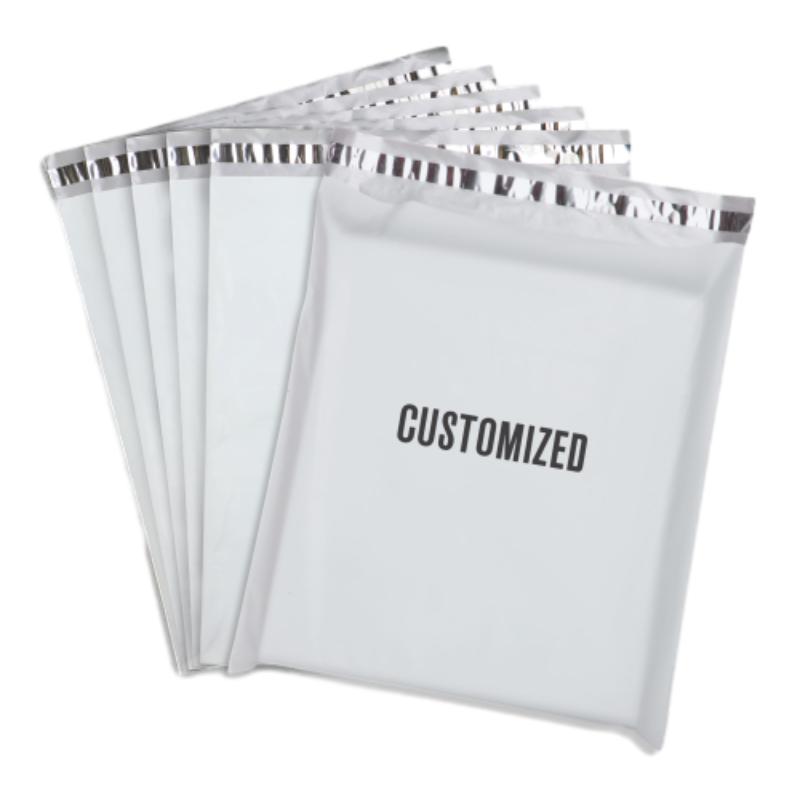
Have the freedom of customizing your custom mailers any way you want! Our dedicated packaging support will help deliver you the mailing experience you need to elevate your shipping experience to the next level! Start making a strong impression on your customers and stand out from your competitors! -
LIYA uses high quality raw materials which directly purchased from large enterprises domestic and overseas such as PetroChina, Sinopec, Sabic, Equate, ExxonMobil, Dow Chemical, Total, and Borouge, ensuring the price advantage and quality of the raw materials. -
LIYA uses high quality raw materials which directly purchased from large enterprises domestic and overseas such as PetroChina, Sinopec, Sabic, Equate, ExxonMobil, Dow Chemical, Total, and Borouge, ensuring the price advantage and quality of the raw materials.
 English
  Arabic
  China
China  French
  Korean
  Russian
  Spanish