Biodegradable Shipping Bags: A Sustainable Choice for Industry
Why Biodegradable Shipping Bags Are Gaining Traction in Industrial Packaging
If you've ever spent time in warehouses or shipping docks, you know that packaging is not just an afterthought. It's a key part of the whole supply chain. And for years, we've relied heavily on plastic bags—durable, cheap, but frankly, terrible for the environment. That’s why biodegradable shipping bags are becoming more than just a buzzword; they're gradually creeping into serious industrial usage.
I’ve worked around industrial packaging for quite some time, and what strikes me is how these eco-friendly bags blend sustainability without compromising strength and functionality. At the end of the day, shipments need protection, but the planet needs care. These bags promise both.
Material Matters: What Makes These Bags Biodegradable?
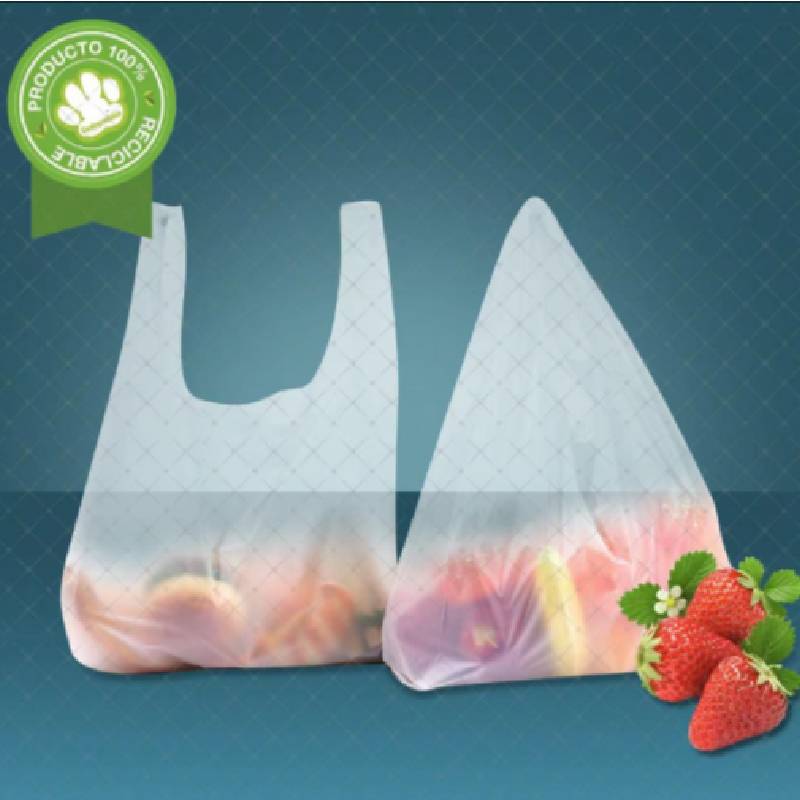
Unlike conventional polyethylene bags that could linger for centuries, biodegradable shipping bags are typically made from plant-based polymers or a mix that encourages decomposition under industrial composting conditions. Oddly enough, some suppliers have cracked the code to keep these bags sturdy enough for heavy loads while still letting microbes chip away at their fibers once tossed into a compost heap.
For instance, using materials like PLA (polylactic acid) sourced from corn starch or sugarcane derivatives adds that much-needed green edge—but there are other blends too. What I’ve noticed, and heard from engineers juggling cost versus performance, is the vital role of additives and multilayer composites. They can extend shelf life and water resistance but still maintain biodegradability within reasonable time frames.
| Specification | Details |
|---|---|
| Material Composition | PLA blend with compostable additives |
| Thickness | 50 to 100 microns |
| Burst Strength | Up to 18 MPa |
| Compost Time | 90-180 days under industrial composting |
| Colors | Natural earthy tones, transparent options |
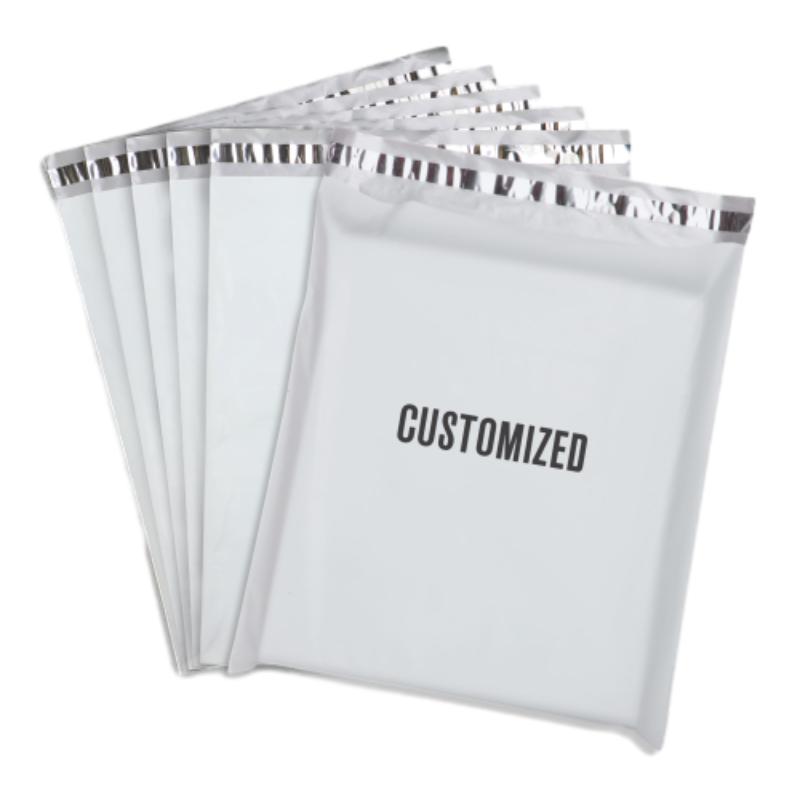
| Customization | Custom sizes, printing, thickness |
Vendor Choices: What You Need to Know Before Purchasing
Picking the right biodegradable shipping bag manufacturer isn’t just about price—it’s about reliability and certifications. I've had clients who leap in with the cheapest offer only to wind up with subpar bags that tear or degrade too fast during shipping. Frustrating, right?
To simplify things, here’s a quick comparison of some common vendor attributes that matter, based on real-world feedback:
| Vendor | Certifications | Material Quality | Customization Options | Price Range |
|---|---|---|---|---|
| Liyabiobag | OK Compost, EN13432 | High-grade PLA blends | Size, print, thickness | $$$ |
| GreenPack Solutions | BPI Certified | Medium-grade compostables | Limited print, fixed sizes | $$ |
| EcoWrap Co. | FCCP Compliant | Entry-level compostable | No customization | $ |
Real-World Feedback: A Quick Customer Insight
A friend in the logistics game recently switched his packaging line to use these biodegradable bags after a long search. The company deals with food-grade products, so compliance and hygiene had to be rock solid. After a few months, he tells me the switch has reduced their waste footprint noticeably, and the bags held up well even in wet conditions—no small feat. He does mention the price is slightly higher, but “the goodwill and brand perception? Priceless,” he joked.
It feels like this is only the beginning; as regulations tighten and demand grows, more firms will be forced—or inspired—to follow suit. Kind of exciting, really.
Wrapping Up
In the industrial equipment sector, small changes in packaging can make a big environmental impact. Biodegradable shipping bags, while still niche in some areas, have proven that sustainability and practicality are no longer mutually exclusive. Whether you're managing a small warehouse or a sprawling supply chain, considering these bags might not just be good for the planet—it might just give you a competitive edge, too.
Now, if you want to peek at some solid options, check out biodegradable shipping bags. They’ve got quality, certifications, and customization that I’ve seen recommended in industrial circles time and again.
References and thoughts:
1. Practical experience from warehouse packaging teams, 2023.
2. Industry certifications overview, European standards, 2024.
3. Customer feedback shared privately but typical for production-scale packaging users.
-
Secure Shipping Guide with Poly Mailer Bubble Wrap SolutionsNewsApr.16,2026
-
Secure Shipping Guide for Using Durable Bubble Parcel BagsNewsApr.09,2026
-
Comprehensive Guide to Poly Mailer Bubble for Secure and Efficient ShippingNewsApr.07,2026
-
Elevate Your Brand with Custom Designer Bubble Mailers for Effective PackagingNewsApr.04,2026
-
Comprehensive Guide to Poly Mailers with Bubble Wrap for Secure ShippingNewsMar.31,2026
-
Comprehensive Guide to Large Bubble Poly Mailers for Secure and Efficient ShippingNewsMar.28,2026
-
Have the freedom of customizing your custom mailers any way you want! Our dedicated packaging support will help deliver you the mailing experience you need to elevate your shipping experience to the next level! Start making a strong impression on your customers and stand out from your competitors! -
LIYA uses high quality raw materials which directly purchased from large enterprises domestic and overseas such as PetroChina, Sinopec, Sabic, Equate, ExxonMobil, Dow Chemical, Total, and Borouge, ensuring the price advantage and quality of the raw materials. -
LIYA uses high quality raw materials which directly purchased from large enterprises domestic and overseas such as PetroChina, Sinopec, Sabic, Equate, ExxonMobil, Dow Chemical, Total, and Borouge, ensuring the price advantage and quality of the raw materials.
 English
  Arabic
  China
China  French
  Korean
  Russian
  Spanish