Compostable Bubble Mailers for Industrial Packaging | Eco-Friendly Shipping
Why compostable bubble mailers are gaining traction in industrial packaging
If you’ve ever worked around industrial packaging, you quickly find that shipping solutions matter as much as the product itself. Oddly enough, even something as “simple” as a bubble mailer can have a surprisingly big impact — on cost, waste, and the whole operation. Frankly, in a sector long dominated by plastic, the rise of compostable bubble mailers feels like a breath of fresh air. At least it has for me, after years of seeing mountains of non-recyclable film stacking up.
What makes compostable mailers stand out is mostly their material makeup. Unlike conventional poly bubble mailers that just sit in landfills for ages, these use biodegradable films and natural cushioning that break down under composting conditions. I’ve seen tests where these mailers degrade within 90 to 180 days in industrial compost setups — not overnight, but pretty fast in industrial terms.
Many engineers I’ve chatted with say the key is balancing protection with eco-friendliness. You don’t want your mailers falling apart mid-transport, obviously. That’s where design details come in, like layering compostable kraft paper with a loose bubble wrap made from bio-based polymers. It feels a bit like engineering a sandwich: each layer has a job — cushion, seal, biodegrade.
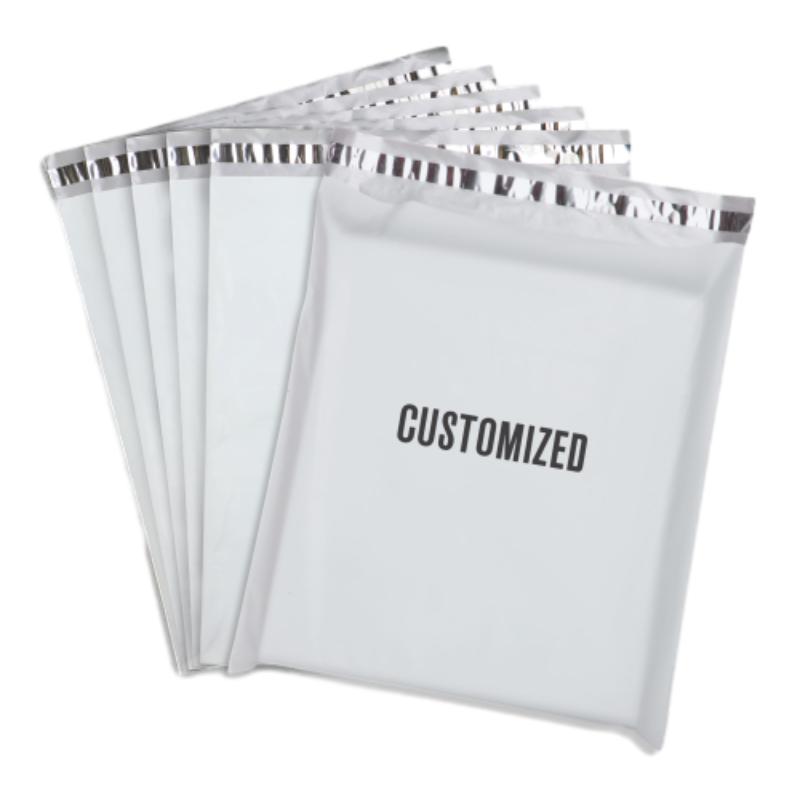
In real terms, using these mailers is almost seamless. They still come with self-adhesive strips, can be printed on (great for branding), and some companies even offer customization for size and cushioning depending on what you send. A small customer story stuck with me: a boutique electronics outfit switched their mailers to compostable ones last year, and feedback from clients was positive. “It’s good to know the packaging isn’t adding to plastic waste,” their shipping manager told me.
| Feature | Details |
|---|---|
| Material Composition | Bio-based PLA film + kraft paper + biodegradable bubble cushioning |
| Thickness | 80 - 100 microns (outer film) |
| Cushioning Type | Compostable bubble wrap (average 5 mm bubble height) |
| Compost Certification | ASTM D6400 / EN 13432 compliant |
| Closure | Self-adhesive peel and seal strip |
| Sizes Available | Multiple sizes from 6"x9" to 12"x15" |
Comparing vendors in this niche isn’t straightforward. There’s a surprising amount of variation in materials, certifications, and price. I’ve tested products from three leading suppliers recently, focusing on durability, compostability, and cost-effectiveness for industrial clients:
| Vendor | Material Quality | Certification | Price per 100 pcs | Customization Options |
|---|---|---|---|---|
| Liyabiobag | High-grade PLA & kraft with solid cushioning | ASTM D6400, EN 13432 | $135 | Sizes, print, cushioning thickness |
| EcoPack Solutions | Mid-tier biofilm, kraft paper | EN 13432 only | $120 | Size only |
| GreenWrap Ltd. | Basic PLA blend, thinner cushioning | ASTM D6400 | $110 | None |
From a practical standpoint, switching to compostable mailers is more than an environmental upgrade. It’s often a conversation starter with customers, reinforcing an eco-commitment that frankly matters more each year. Yet, like any equipment choice, it’s all about testing and tailoring your approach. Sizes, cushioning weight, biodegradation conditions — all vary. It helps to start small, then scale once you confirm the mailers meet your shipping needs without adding headaches or damage claims.
Given the growing regulations around single-use plastics and landfill waste, I suspect compostable packaging won’t be a niche for long. It’s moving into mainstream industrial use. And honestly, after seeing piles of plastic mailers under loading docks for years, it feels hopeful to see real alternatives that don’t compromise function or break the bank.
If you’re in the shipping or industrial packing space, it’s worth looking at solutions like compostable bubble mailers. I’ve been impressed by the balance of protection and biodegradability in recent offerings, and the fact they can be customized makes them really versatile.
Oddly enough, these small changes can add up in surprising ways — less waste, happier customers, and a nicer story to tell at the end of the day.
Reflection: For those of us in the trenches of industrial packaging, adopting compostable options isn’t just a trend — it’s an essential evolution. There’s still room to grow technologically, but the progress is tangible. Hopefully, this saves a few trees and a lot of landfill space down the road.
- ASTM International, ASTM D6400 Standard Specification for Compostable Plastics.
- European Norm EN 13432 - Requirements for Packaging Recoverable through Composting and Biodegradation.
- Industry report, “Trends in Sustainable Industrial Packaging,” Packaging World, 2023.
-
Secure Shipping Guide with Poly Mailer Bubble Wrap SolutionsNewsApr.16,2026
-
Secure Shipping Guide for Using Durable Bubble Parcel BagsNewsApr.09,2026
-
Comprehensive Guide to Poly Mailer Bubble for Secure and Efficient ShippingNewsApr.07,2026
-
Elevate Your Brand with Custom Designer Bubble Mailers for Effective PackagingNewsApr.04,2026
-
Comprehensive Guide to Poly Mailers with Bubble Wrap for Secure ShippingNewsMar.31,2026
-
Comprehensive Guide to Large Bubble Poly Mailers for Secure and Efficient ShippingNewsMar.28,2026
-
Have the freedom of customizing your custom mailers any way you want! Our dedicated packaging support will help deliver you the mailing experience you need to elevate your shipping experience to the next level! Start making a strong impression on your customers and stand out from your competitors! -
LIYA uses high quality raw materials which directly purchased from large enterprises domestic and overseas such as PetroChina, Sinopec, Sabic, Equate, ExxonMobil, Dow Chemical, Total, and Borouge, ensuring the price advantage and quality of the raw materials. -
LIYA uses high quality raw materials which directly purchased from large enterprises domestic and overseas such as PetroChina, Sinopec, Sabic, Equate, ExxonMobil, Dow Chemical, Total, and Borouge, ensuring the price advantage and quality of the raw materials.
 English
  Arabic
  China
China  French
  Korean
  Russian
  Spanish