Comprehensive Guide to Blue Shipping Bags: Durable & Sustainable Packaging Solutions
Understanding Blue Shipping Bags: A Global Solution in Transit and Packaging
At first glance, blue shipping bags might seem like just another packaging material, but their impact and relevance reach far beyond the warehouse. As essential tools in global supply chains, relief efforts, and sustainable logistics, blue shipping bags represent a smart, versatile option that addresses vital challenges worldwide, including protection, efficiency, and environmental concerns.
Why Blue Shipping Bags Matter Globally
According to recent reports by the United Nations and ISO, the global demand for reliable, reusable, and secure shipping materials is projected to climb steadily each year. The rise of e-commerce, along with increased humanitarian aid distribution, has pushed industries to reconsider traditional packaging solutions. Blue shipping bags, often made from durable polyethylene or polypropylene blends, provide a practical answer to multiple problems — from weather resistance in coastal regions to ease of handling in complex operations.
Yet, there are challenges: container damage, contamination risks, and waste management all remain concerns. Blue shipping bags act as a frontline defense in this context, improving the safety and integrity of goods in transit.
What Are Blue Shipping Bags?
Put simply, blue shipping bags are robust, flexible containers designed primarily for the packaging, storage, and transport of goods. Their distinctive deep-blue color isn’t just aesthetic; it often functions as a visual cue in warehouse logistics, helping workers quickly identify contents or batch types. These bags range from small parcel-sized to massive bulk containers, tailored for industries such as agriculture, textiles, pharmaceuticals, and emergency relief supplies.
In humanitarian sectors especially, blue shipping bags are prized for their water resistance and tear strength, which protect critical supplies in harsh environments.
Key Features & Components
1. Durability
These bags are engineered to withstand rough handling and adverse weather. The polymers used are carefully selected to resist tearing, UV exposure, and chemical interaction, preserving the contents over long distances.
2. Scalability & Size Variety
From small courier bags to jumbo bulk bags, blue shipping bags scale with your logistics needs. This flexibility is a huge advantage for companies that need both micro-packaging and large-scale solutions without switching suppliers.
3. Cost Efficiency
Compared with rigid containers, these polyethylene or polypropylene bags are lighter and cheaper to produce and ship. This reduces fuel consumption and lowers overall freight costs — a win-win economically and environmentally.
4. Recyclability & Sustainability
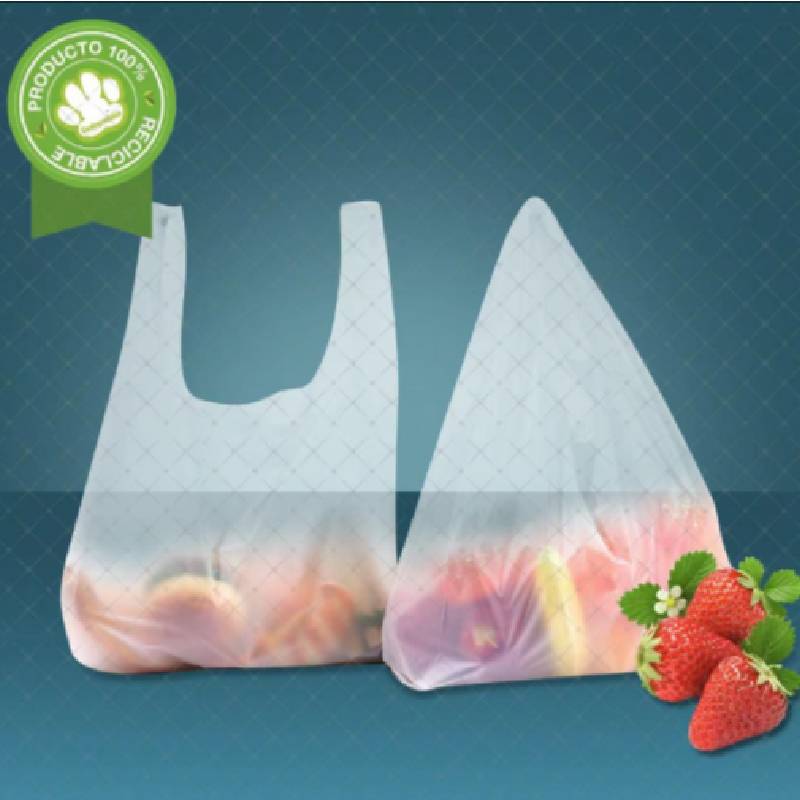
Many blue shipping bags today are recyclable or made from recycled plastics, aligning with sustainability goals. Some vendors now use biodegradable additives, though widespread adoption is still in progress.
5. Customization Options
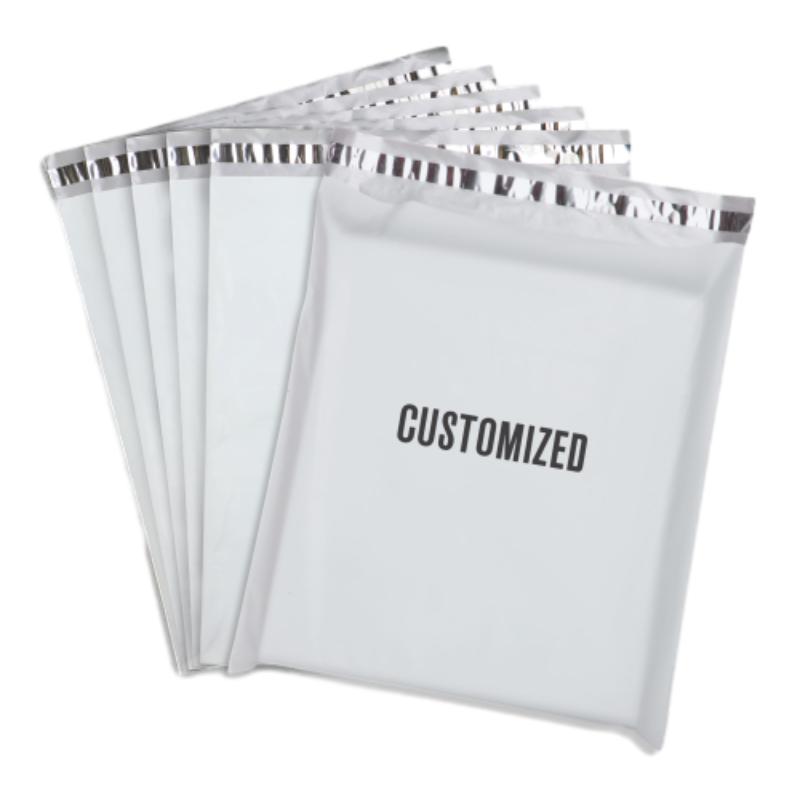
From custom sizing and branding to unique sealing mechanisms like heat sealing or zip-lock capabilities, blue shipping bags can be adapted to many industry-specific requirements.
| Feature | Specification | Typical Use Case |
|---|---|---|
| Material | Polyethylene (PE), Polypropylene (PP) | General cargo & textile transport |
| Size Range | Small – Jumbo (up to 1500L capacity) | Bulk agricultural products, industrial parts |
| Color | Standard Blue (Pantone 2935C) | Color coding for logistics sorting |
| Tensile Strength | Up to 45 N/mm² | Handling heavy industrial equipment |
| UV Resistance | >90% stability at 500 hours | Outdoor storage & transportation |
Real-World Applications of Blue Shipping Bags
You’ll find blue shipping bags everywhere from sprawling ports in Rotterdam to remote disaster zones in Southeast Asia. Their adaptability is frankly surprising. For instance, NGOs working in humanitarian relief often rely on these bags to protect medical supplies or food parcels, safeguarding them from rain and rough handling.
Industrially, manufacturers of automotive components use blue shipping bags to bundle parts safely during multi-leg shipments. Meanwhile, agricultural exporters pack seeds and grains in them for bulk transport.
Regions with tropical climates or frequent monsoons particularly benefit because these bags resist water penetration better than cardboard or untreated fabrics.
Advantages and Long-Term Benefits
- Cost Savings: Lightweight design reduces freight weight and overall shipping costs.
- Environmental Impact: Many bags are recyclable or made from recycled content, easing landfill burden.
- Reliability & Protection: They shield sensitive cargo against moisture, dirt, and mechanical damage.
- Social Good: Using reusable, durable bags contributes to dignified humanitarian aid delivery.
- Operational Efficiency: Easy to stack, identify, and handle — less time lost, faster deliveries.
On an emotional note, you might not expect packaging to inspire trust or safety. But speaking with logistics managers, many highlight that dependable packaging like blue shipping bags helps convey professionalism and care to clients and aid recipients alike. It’s not just plastic — it’s a vital link in a bigger story.
Future Trends and Innovations
Innovation never sleeps — the coming years promise exciting developments, including:
- Bio-based Polymers: Substituting fossil-derived plastics with plant-based materials.
- Smart Packaging: Embedding sensors or QR codes in bags for real-time tracking or condition monitoring.
- Enhanced Biodegradability: Tackling end-of-life waste concerns with fully compostable options.
- Automation-compatible Designs: Bags optimized for robotic handling in warehouses.
Combined with industry-wide sustainability pledges — like the UN Sustainable Development Goals — blue shipping bags could evolve into benchmarks of eco-conscious logistics.
How Do Leading Vendors Compare?
| Vendor | Material Quality | Customization | Sustainability | Global Reach |
|---|---|---|---|---|
| Liya Biobag | Premium UV & tear resistant | Wide range, branding options | Recycled & recyclable materials | Strong in Asia & Europe |
| Global Pack Corp | Standard industrial grade | Limited options | Mostly virgin plastic | Global but patchy |
| EcoPack Solutions | High-quality biodegradable blends | Custom sizes & logos | Leading in sustainability | Regional focus – Europe & US |
Challenges & Expert Approaches
Of course, no solution is perfect. Blue shipping bags can still face issues like:
- Waste Accumulation: Despite recyclability, not all regions have adequate recycling infrastructure.
- Material Degradation: Extreme environments may reduce bag life.
- Supply Chain Disruptions: Material shortages can affect availability.
Experts recommend partnering with vendors who provide clear material certifications and support circular economy models. Incorporating regular lifecycle analysis and adopting digital traceability systems can also mitigate risks.
Frequently Asked Questions About Blue Shipping Bags
- Q: How waterproof are blue shipping bags compared to traditional packaging?
- A: Blue shipping bags made from polyethylene are highly water-resistant, often outperforming cardboard or jute sacks. They effectively protect contents from rain and moisture, critical for perishable goods and medical supplies.
- Q: Can blue shipping bags be reused multiple times?
- A: Absolutely. Many are designed for multiple uses, especially those made from thicker, reinforced plastics. Proper handling can extend their lifecycle, offering both economic and environmental improvements.
- Q: Are there customizable branding options available?
- A: Yes, leading manufacturers offer customization including printing logos, contact info, and handling instructions directly on the bags, which enhances brand visibility and operational clarity.
- Q: What happens to blue shipping bags after disposal?
- A: Ideally, they should be recycled wherever facilities exist. Recyclable bags reduce landfill waste and can be reprocessed into new products, supporting circular supply chains.
- Q: How do blue shipping bags perform in hazardous or chemical transport?
- A: Their resistance depends on specific material formulations. For chemical transport, specialized liners and additives may be required to meet safety standards.
Conclusion & Next Steps
In real terms, blue shipping bags are more than just packaging — they’re a linchpin in efficient, sustainable logistics and humanitarian aid worldwide. Their durability, adaptability, and growing eco-friendliness make them a smart choice for companies aiming to optimize supply chains while supporting social and environmental goals.
If you’re exploring reliable, high-quality blue shipping bags, consider trusted suppliers like Liya Biobag who blend innovation with responsible sourcing. Smart packaging is not just a detail—it’s the silent hero of global trade.
Little takeaway? Choosing the right shipping bag can make a big difference—in cost, protection, and planet.
References:
-
Secure Shipping Guide with Poly Mailer Bubble Wrap SolutionsNewsApr.16,2026
-
Secure Shipping Guide for Using Durable Bubble Parcel BagsNewsApr.09,2026
-
Comprehensive Guide to Poly Mailer Bubble for Secure and Efficient ShippingNewsApr.07,2026
-
Elevate Your Brand with Custom Designer Bubble Mailers for Effective PackagingNewsApr.04,2026
-
Comprehensive Guide to Poly Mailers with Bubble Wrap for Secure ShippingNewsMar.31,2026
-
Comprehensive Guide to Large Bubble Poly Mailers for Secure and Efficient ShippingNewsMar.28,2026
-
Have the freedom of customizing your custom mailers any way you want! Our dedicated packaging support will help deliver you the mailing experience you need to elevate your shipping experience to the next level! Start making a strong impression on your customers and stand out from your competitors! -
LIYA uses high quality raw materials which directly purchased from large enterprises domestic and overseas such as PetroChina, Sinopec, Sabic, Equate, ExxonMobil, Dow Chemical, Total, and Borouge, ensuring the price advantage and quality of the raw materials. -
LIYA uses high quality raw materials which directly purchased from large enterprises domestic and overseas such as PetroChina, Sinopec, Sabic, Equate, ExxonMobil, Dow Chemical, Total, and Borouge, ensuring the price advantage and quality of the raw materials.
 English
  Arabic
  China
China  French
  Korean
  Russian
  Spanish