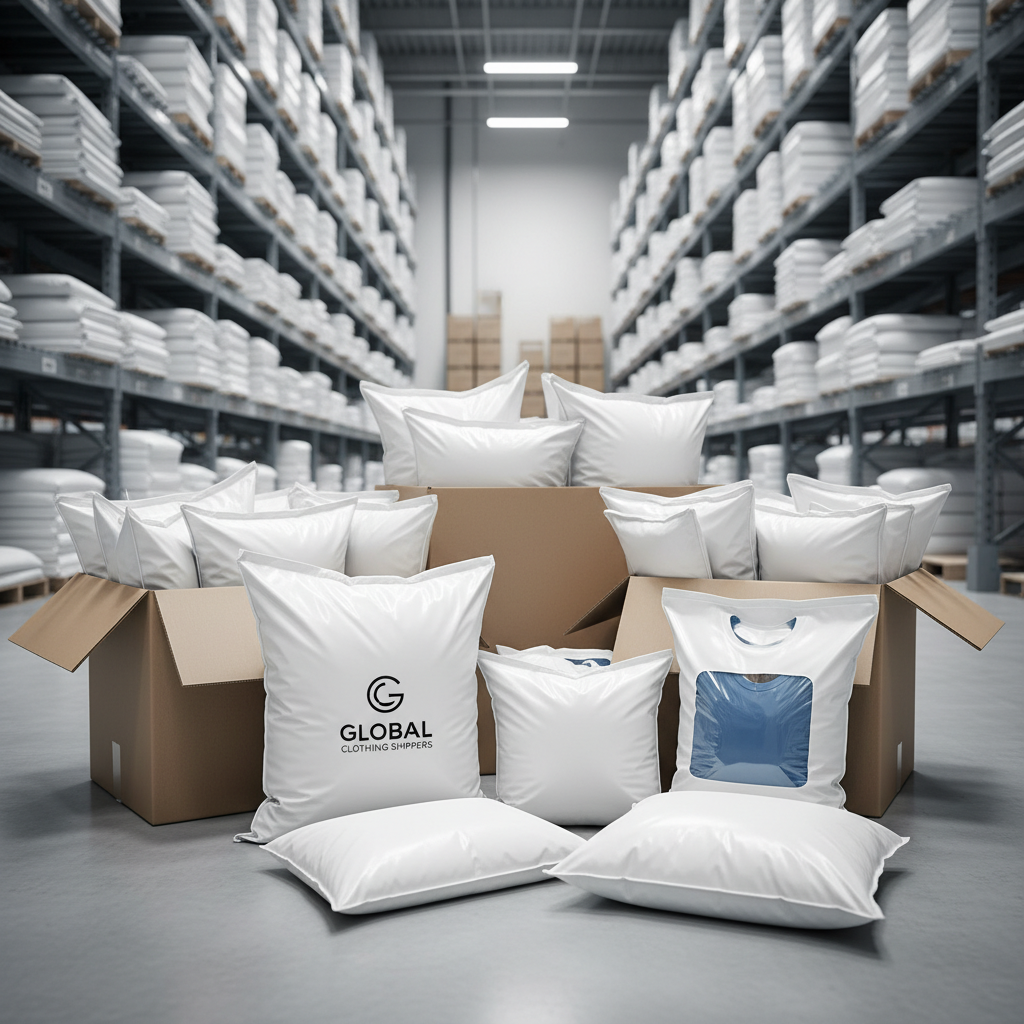
Shipping bags for clothes bulk are crucial components of the modern supply chain, facilitating the efficient and cost-effective movement of apparel from manufacturers to retailers and, ultimately, consumers. These bags aren’t simply containers; they represent a key element in inventory management, brand presentation, and logistical streamlining. The demand for reliable and scalable packaging solutions for clothing continues to grow alongside the expansion of global trade and e-commerce.
The global apparel industry is a multi-trillion dollar market, heavily reliant on effective logistics. According to the World Trade Organization, textiles and apparel account for approximately 6% of total world merchandise exports. This vast volume necessitates a significant quantity of shipping bags for clothes bulk, driving innovation in materials, designs, and sustainable practices. Without efficient packaging solutions, the industry would face increased costs, delays, and potential damage to goods.
Understanding the nuances of shipping bags for clothes bulk – from material composition and durability to cost-effectiveness and environmental impact – is essential for businesses operating in the fashion and retail sectors. Choosing the right packaging solution can significantly impact a company’s bottom line, brand reputation, and commitment to sustainability.
Introduction: Global or Industry Context
The demand for shipping bags for clothes bulk is intrinsically linked to the global apparel industry’s growth, particularly the rise of fast fashion and e-commerce. These trends necessitate efficient and affordable packaging solutions capable of handling large volumes of garments. The increasing complexity of global supply chains further emphasizes the importance of durable and reliable shipping bags.
Factors such as fluctuating fuel costs, international trade regulations, and environmental concerns are constantly influencing the shipping bag market. Businesses are increasingly seeking sustainable packaging options to reduce their carbon footprint and meet consumer demand for eco-friendly products. The ISO 14001 standard, focusing on environmental management systems, is becoming increasingly relevant in the production and selection of shipping bags for clothes bulk.
Definition & Meaning
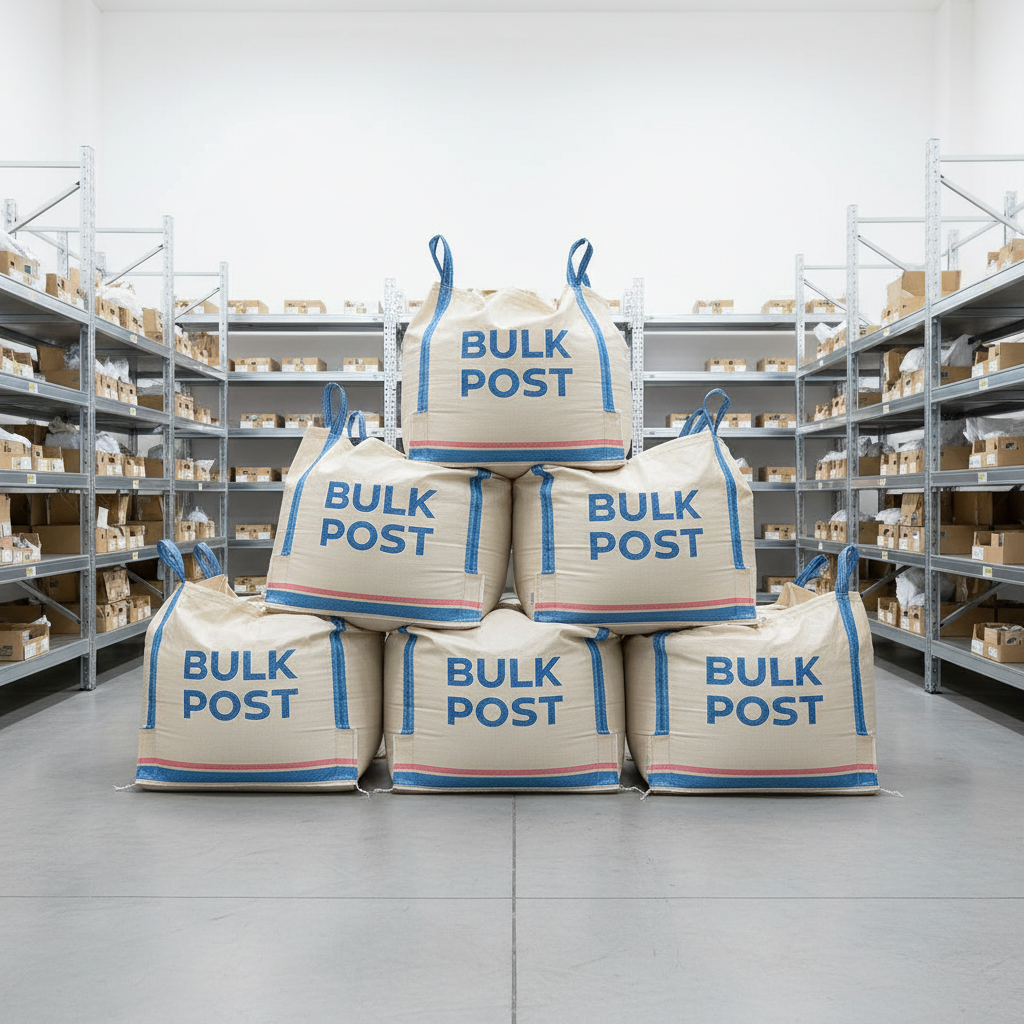
Shipping bags for clothes bulk refer to packaging solutions designed to transport large quantities of clothing items efficiently and securely. These are generally not individual retail packaging but rather larger containers – typically made of woven polypropylene (PP), polyethylene (PE), or other durable materials – used for moving garments between manufacturers, distribution centers, and retail locations.
In today's fast-paced industry, these bags are pivotal for streamlining logistics. They contribute significantly to minimizing handling damage, protecting clothing from environmental factors like moisture and dust, and optimizing storage space. Their use extends beyond simple transport; they also play a crucial role in inventory control and brand management.
The connection to modern industry and even humanitarian needs is clear. Efficient clothing distribution, facilitated by these bags, ensures timely delivery of essential garments, whether it's for commercial purposes or emergency relief efforts. They are a foundational element in ensuring global apparel accessibility.
Key Factors or Core Components
Durability: A primary factor is the bag's resistance to tearing, puncturing, and abrasion. Shipping bags for clothes bulk must withstand the rigors of handling and transportation, often involving multiple loading and unloading cycles. Materials like woven polypropylene are chosen for their strength and longevity.
Capacity & Scalability: The ability to accommodate varying quantities of clothing and scale production to meet demand is vital. Bags are available in a range of sizes and designs to suit different needs, from small bulk shipments to massive container loads.
Cost Efficiency: Businesses prioritize cost-effective packaging solutions. The price of shipping bags for clothes bulk must be balanced against their durability and functionality. Material choice and manufacturing processes significantly impact the overall cost.
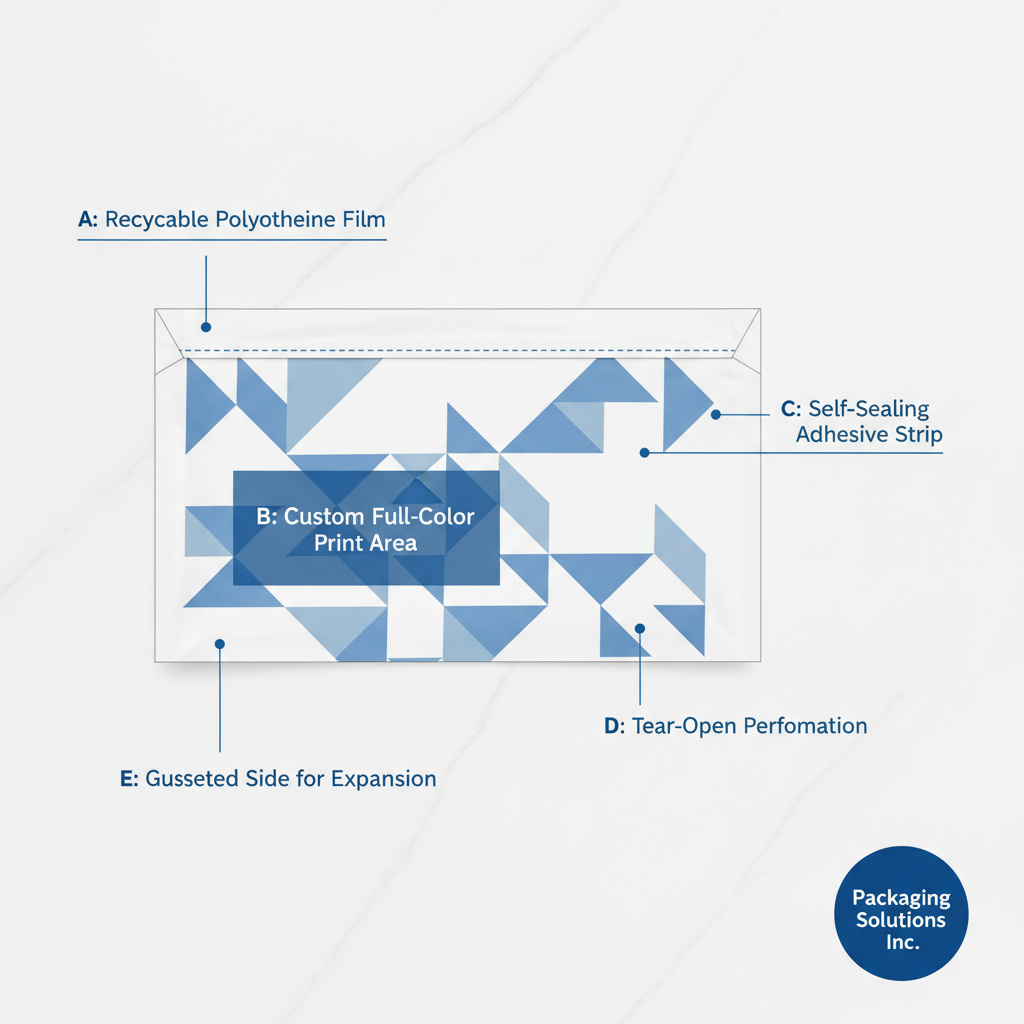
Water Resistance: Protection from moisture is essential, especially for international shipments exposed to varying weather conditions. Many bags incorporate a polyethylene (PE) lining to provide water resistance.
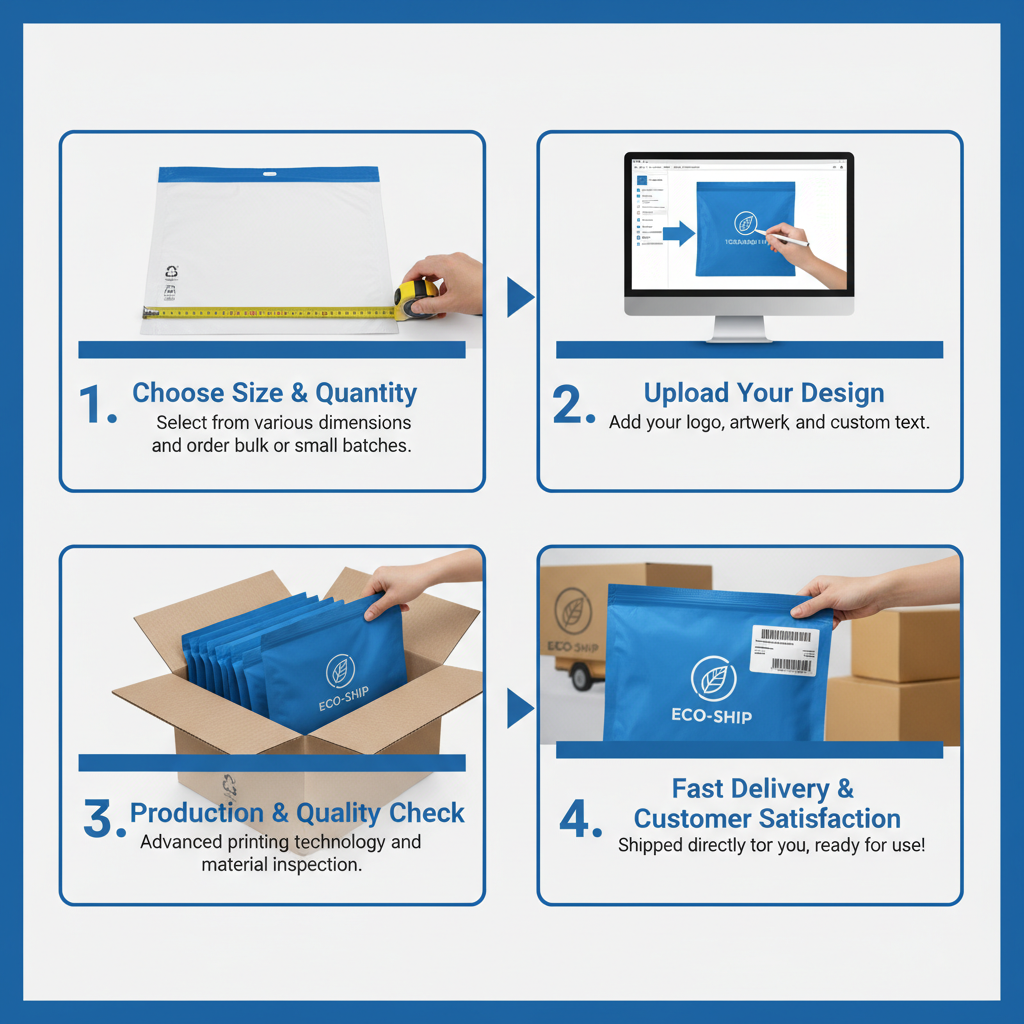
Customization Options: The ability to customize bags with branding, logos, or specific product information enhances brand recognition and facilitates inventory management.
Compliance & Regulations: Adherence to relevant industry standards and regulations, particularly regarding safety and environmental impact, is crucial.
Global Applications & Use Cases
Shipping bags for clothes bulk are integral to the fashion supply chain across the globe. In manufacturing hubs like Bangladesh, Vietnam, and China, these bags facilitate the movement of finished garments to distribution centers in Europe, North America, and other key markets. They are indispensable for major apparel brands and retailers worldwide.
In post-disaster relief operations, shipping bags for clothes bulk are often repurposed to transport donated clothing and essential supplies to affected communities. Their durability and water resistance make them ideal for these challenging environments. They also are used extensively in remote industrial zones where consistent and rugged packaging is necessary for transporting raw materials and finished products.
Furthermore, large-scale garment manufacturers utilize these bags for internal logistics, moving clothing between different stages of production within their facilities. This streamlines their operations, reduces damage, and improves overall efficiency. From high-fashion couture to everyday apparel, shipping bags for clothes bulk are the unseen workhorses of the industry.
Comparative Analysis of shipping bags for clothes bulk Materials
Advantages & Long-Term Value
The most tangible benefit of using shipping bags for clothes bulk is cost savings. By minimizing damage during transport, reducing the need for repackaging, and optimizing storage space, these bags directly contribute to a lower overall cost of goods. Furthermore, they offer reliability – ensuring that garments arrive at their destination in pristine condition.
Beyond the financial gains, there's a growing emphasis on sustainability. The availability of recycled and biodegradable shipping bags allows businesses to reduce their environmental impact and appeal to eco-conscious consumers. This commitment to responsible packaging fosters trust with customers and enhances brand reputation. Choosing the right bags demonstrates a company's dedication to both efficiency and ethical practices.
Future Trends & Innovations
The future of shipping bags for clothes bulk is heavily influenced by the push for circular economy principles. Expect to see a greater adoption of biodegradable and compostable materials, reducing reliance on traditional plastics. Innovations in material science are leading to stronger, lighter, and more durable bag options.
Digital transformation is also playing a role, with the integration of RFID technology for enhanced tracking and inventory management. Automated packaging systems, driven by AI, are optimizing bag filling and sealing processes, further improving efficiency and reducing labor costs. The potential of blockchain technology to ensure supply chain transparency and authenticity is also being explored.
Challenges & Solutions
A significant challenge is the environmental impact of plastic-based shipping bags. While recycling programs exist, they are not always universally accessible or effective. Finding cost-effective and durable biodegradable alternatives remains a priority. Another challenge is ensuring consistency in bag quality across different manufacturers.
Solutions include investing in research and development of innovative, sustainable materials – such as plant-based plastics – and implementing stricter quality control measures. Collaboration between manufacturers, retailers, and recycling facilities is crucial to establishing a closed-loop system. Promoting reusable bag programs and incentivizing sustainable packaging choices can also drive positive change.
Finally, adopting a lifecycle assessment approach to evaluate the environmental impact of different bag options can help businesses make informed decisions and minimize their ecological footprint.
FAQS
The most prevalent materials are woven polypropylene (PP) due to its strength and cost-effectiveness, and polyethylene (PE) often used as a lining for water resistance. Increasingly, recycled PP and biodegradable PE options are gaining traction as sustainability becomes more important. The choice depends on factors like budget, the type of clothing being shipped, and environmental concerns.
Look for bags with a high GSM (grams per square meter) rating, indicating fabric density. Reinforced seams and handles are also crucial. Consider the weight and dimensions of the clothing you'll be shipping – heavier loads require stronger bags. Testing samples from different suppliers under simulated transport conditions is highly recommended.
Biodegradable shipping bags, particularly those made from plant-based materials, offer a more sustainable alternative to traditional plastics, but their effectiveness depends on proper composting conditions. They can be more expensive upfront, but the long-term benefits – reduced environmental impact and enhanced brand image – can outweigh the cost.
Customization options typically include printing logos, brand names, and product information directly onto the bags. You can also specify bag size, color, handle type, and the addition of features like drawstrings or zippers. Some suppliers offer bespoke design services to create fully customized packaging solutions.
Shipping bag regulations can vary significantly. Some countries have restrictions on plastic bag usage or require specific labeling regarding materials and disposal. It’s crucial to research the import regulations of your target markets to ensure compliance. Working with a reputable supplier who understands international trade regulations is advisable.
Negotiate pricing with suppliers, especially for large volume orders. Consider using simpler designs with fewer colors or customization options. Explore recycled materials, which can sometimes be more cost-effective than virgin plastics. Optimize bag size to minimize material usage while still providing adequate protection for your garments.
Conclusion
In conclusion, shipping bags for clothes bulk are far more than just containers; they are integral to the efficient, cost-effective, and increasingly sustainable operation of the global apparel industry. Understanding the key factors – durability, scalability, cost efficiency, and environmental impact – is essential for businesses seeking to optimize their supply chains and meet the demands of a rapidly evolving market. From manufacturing hubs to retail destinations, these bags facilitate the movement of clothing, supporting economic growth and ensuring accessibility.
Looking ahead, innovation in materials, coupled with the adoption of circular economy principles and digital technologies, will continue to shape the future of shipping bags for clothes bulk. Embracing sustainable practices, prioritizing quality, and fostering collaboration across the supply chain will be crucial for long-term success. To learn more about our range of high-quality shipping bags and discuss your specific needs, visit our website: https://www.liyabiobag.com.




 English
  Arabic
  China
China  French
  Korean
  Russian
  Spanish