Durable and Sustainable Nylon Shipping Bags for Modern Logistics | Liya BioBag
The Rising Significance of Nylon Shipping Bags in Today's Global Landscape
In an interconnected world where goods and humanitarian aid cross borders in mere hours, nylon shipping bags quietly play a giant role. These tough yet lightweight carriers keep everything from fragile electronics to emergency supplies safe during transit, acting as unsung heroes of modern logistics. But why exactly do they matter so much, and what benefits do they bring? Understanding nylon shipping bags offers insight into how countless industries streamline shipping tasks while tackling durability, sustainability, and cost challenges all at once.
Global Context: Why Nylon Shipping Bags Matter Worldwide
According to the International Trade Centre, about 80% of global goods involve some kind of packaging and transport solution, with plastic and synthetic textiles dominating due to their adaptability. Nylon shipping bags stand out for their resilience amid this mass transit. Consider that the global shipping container market was valued at over $20 billion in 2020 with steady growth predicted—meaning every bit of packaging that makes transport more secure and manageable counts. However, many regions still struggle with packaging that degrades mid-shipment or fails to protect sensitive cargo, which translates into billions of dollars lost annually. Nylon bags’ balance of durability and flexibility answers this pain point, offering a reliable solution to something that may seem mundane but is vitally important.
Mini takeaway:
- Nylon shipping bags contribute significantly to secure and efficient global trade.
- They address key logistical challenges like durability and cost-effectiveness.
What Are Nylon Shipping Bags?
Simply put, nylon shipping bags are containers crafted from nylon fabric—a synthetic polymer known for its high tensile strength, stretch resistance, and lightweight formula. Unlike paper or standard plastic bags, nylon bags don’t tear easily and resist harsh weather conditions. This simple yet powerful construction makes them indispensable across various industries, from retail to humanitarian supply chains, where reliable packaging means the difference between intact delivery and loss.
Interestingly, nylon bags are often reusable. This aligns with modern industry's growing focus on sustainability—especially given the International Organization for Standardization’s (ISO) standards encouraging packaging reuse to reduce waste.
Mini takeaway:
- Nylon shipping bags are fabricated from synthetic nylon fabric, blending strength and lightness.
- They’re durable, weather-resistant, and increasingly positioned as eco-friendly solutions.
Core Components That Make Nylon Shipping Bags Stand Out
Durability
One of the standout features of nylon shipping bags is their remarkable durability. Thanks to nylon's molecular composition, these bags resist punctures, abrasions, and tearing far better than many alternatives. This means cargo remains protected even during rough handling, long-distance shipping, or exposure to UV rays.
Cost Efficiency
While nylon bags may have a slightly higher upfront cost compared to some plastics, their longevity and reusability often result in lower long-term expenses. Organizations shipping in bulk appreciate that nylon bags can reduce replacement frequency and minimize product loss, which is often more costly than packaging itself.
Water & Weather Resistance
Nylon's low moisture absorption rate helps to shield contents against rain, humidity, or other environmental factors. It means whether your shipments traverse tropical climates or freezing winters, nylon shipping bags can maintain integrity and prevent water damage.
Customization & Scalability
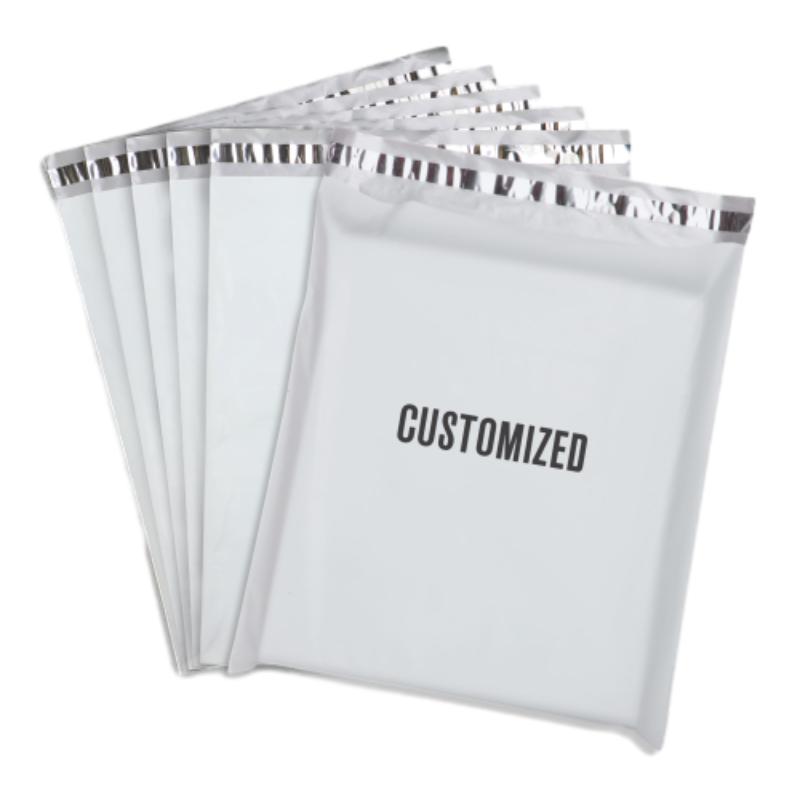
Manufacturers can tailor dimensions, thickness, closures, and even integrate transparent windows or handles. This versatility caters to niche industries such as pharmaceuticals or electronics where packaging specifications are stringent.
Lightweight Nature
Given shipping costs often scale with weight, using lightweight nylon bags saves money. This characteristic also aids in reducing the environmental footprint connected to transportation emissions.
Mini takeaway:
- Durability and weather resistance protect cargo across various shipping conditions.
- Cost-efficiency and customization make nylon bags viable for small businesses to global operations.
How Nylon Shipping Bags Are Changing Global Practices
Nylon shipping bags find diverse applications across continents and sectors. For example:
- Humanitarian Relief: In disaster zones like those hit by hurricanes or earthquakes, NGOs use nylon shipping bags to transport medical supplies and food. Their reliability ensures vital items aren't spoiled or lost.
- Electronics Industry: Sensitive devices require packaging that protects against moisture and static; nylon bags fit this niche perfectly.
- Retail & E-Commerce: With the explosion of online shopping, scalable and customizable nylon bags help merchants secure goods while maintaining brand identity.
- Industrial Sectors: Construction materials or automotive parts shipped internationally benefit from tough nylon packaging, which prevents damage even in harsh sea-freight environments.
Product Specifications at a Glance
| Specification | Typical Value/Range | Unit |
|---|---|---|
| Material Thickness | 0.1 – 0.25 | mm |
| Tensile Strength | 600 – 900 | N/cm² |
| Water Resistance | Excellent | – |
| Average Weight | 50 – 120 | grams per bag |
| Lifespan (Reuse cycles) | 10 – 25 | times |
Vendor Comparison: Choosing the Best Nylon Shipping Bag Supplier
| Vendor | Customization Options | Price Range | Lead Time | Sustainability Practices |
|---|---|---|---|---|
| Liya BioBag Co. | High (sizes, logos, finishes) | $$$ | 2–3 weeks | Recycled materials, low-waste production |
| GlobalPack Solutions | Medium | $$ | 3–4 weeks | Some recycled options |
| EcoBag Manufactures | High | $$$ | 4 weeks | 100% biodegradable materials |
Why Nylon Shipping Bags Offer Lasting Value
It’s easy to overlook packaging in the bigger supply chain picture, but again, these bags do more than just hold stuff. Their consistent performance decreases product damage, saves replacement costs, and supports brand reliability—an emotional safety net for consumers and companies alike. Socially, reusable nylon bags contribute to reducing single-use plastic waste, a sizeable contributor to ocean pollution as documented by the United Nations Environment Programme (UNEP).
In a world increasingly aware of sustainability, these bags exemplify how innovation and care can merge in packaging.
Looking Ahead: Innovations on the Horizon
Researchers are now developing bio-based nylon alternatives, integrating nanofibers for stronger, lighter bags, and embedding RFID tags for smarter inventory control — automation that can barcode shipments hands-free. There’s ongoing movement toward fully recyclable nylon and reduced dye impact materials, aligning with global carbon neutrality goals.
Oddly enough, while technology races ahead, the simple nylon shipping bag remains a benchmark because it does the basics very well.
Challenges and How Industry Tackles Them
Current challenges include:
- Environmental Concerns: Nylon's petrochemical origins worry regulators and customers who demand greener alternatives.
- Cost Sensitivity: Smaller players often find synthetic bags pricier initially versus cheap plastics.
- Disposal & Recycling: Recycling infrastructure varies widely by region.
Innovative solutions combine biofabrication, extended producer responsibility (EPR) schemes, and circular supply models to give nylon shipping bags a greener lifecycle.
FAQ: Your Questions About Nylon Shipping Bags Answered
- 1. How strong are nylon shipping bags compared to traditional plastic bags?
- They are significantly stronger, with a tensile strength several times higher, resisting tears and punctures better in rough handling, making them ideal for secure shipping.
- 2. Can nylon bags be reused safely for food shipments?
- Yes. Provided they are properly cleaned and designed with food-safe coatings, nylon shipping bags can be reused multiple times, especially in non-perishable goods transport.
- 3. Are nylon shipping bags eco-friendly?
- They are more eco-friendly than single-use plastics due to reusability and durability, but their chemical basis is petrochemical. Emerging bio-nylon options are addressing this.
- 4. What industries benefit the most from using nylon shipping bags?
- Humanitarian aid, electronics, pharmaceuticals, e-commerce, and heavy industries all benefit thanks to the bags’ protection and customization options.
- 5. How can I order customized nylon shipping bags for my business?
- Reach out to suppliers like Liya BioBag Co., providing details on bag size, printing, and material needs. Many vendors offer samples before full order commitments.
Wrapping It Up: The Long-Term Value of Nylon Shipping Bags
To sum it up, nylon shipping bags are quietly revolutionizing how goods move globally. Beyond their impressive mechanical properties, they represent a bridge toward more responsible, sustainable, and trustworthy logistics. Whether shipping relief supplies or rocket parts, these bags carry not just products but also confidence, efficiency, and a greener outlook for the future.
If you want to explore high-quality, durable nylon shipping bags tailored to your needs, visit https://www.liyabiobag.com to get started today.
References
-
Secure Shipping Guide with Poly Mailer Bubble Wrap SolutionsNewsApr.16,2026
-
Secure Shipping Guide for Using Durable Bubble Parcel BagsNewsApr.09,2026
-
Comprehensive Guide to Poly Mailer Bubble for Secure and Efficient ShippingNewsApr.07,2026
-
Elevate Your Brand with Custom Designer Bubble Mailers for Effective PackagingNewsApr.04,2026
-
Comprehensive Guide to Poly Mailers with Bubble Wrap for Secure ShippingNewsMar.31,2026
-
Comprehensive Guide to Large Bubble Poly Mailers for Secure and Efficient ShippingNewsMar.28,2026
-
Have the freedom of customizing your custom mailers any way you want! Our dedicated packaging support will help deliver you the mailing experience you need to elevate your shipping experience to the next level! Start making a strong impression on your customers and stand out from your competitors! -
LIYA uses high quality raw materials which directly purchased from large enterprises domestic and overseas such as PetroChina, Sinopec, Sabic, Equate, ExxonMobil, Dow Chemical, Total, and Borouge, ensuring the price advantage and quality of the raw materials. -
LIYA uses high quality raw materials which directly purchased from large enterprises domestic and overseas such as PetroChina, Sinopec, Sabic, Equate, ExxonMobil, Dow Chemical, Total, and Borouge, ensuring the price advantage and quality of the raw materials.

 English
  Arabic
  China
China  French
  Korean
  Russian
  Spanish