Durable Mail Tuff Bags for Secure Global Shipping | Liya BioBag
Understanding Mail Tuff Bags: Durable Solutions for Global Shipping Challenges
In a world where packages move at lightning speed and fragile contents demand extra protection, mail tuff bags stand as unsung heroes. These rugged, secure mailing bags have become essential in shipping, retail, and humanitarian sectors alike. But why do they matter so much globally? And what makes them a vital element in logistics today? Glad you asked.
Simply put, mail tuff bags are tough, reliable protective bags designed to safeguard parcels from damage, theft, or environmental exposure. They address a growing need for dependable packaging amid increasing online orders, disaster response shipments, and sensitive material transport. Over the next few minutes, we'll unpack what mail tuff bags really are, their core features, and their growing role worldwide.
The Global Context: Why Mail Tuff Bags Matter More Than Ever
Online shopping has boomed worldwide—trade volumes increased roughly 16% annually before the pandemic, and the surge in e-commerce shows no signs of slowing (source: UN Conference on Trade and Development). While traditional cardboard boxes still dominate, demand for robust, tamper-evident carrying solutions has skyrocketed.
Mail tuff bags help reduce losses caused by package damage or theft — a problem costing the global shipping industry billions annually. They also support humanitarian aid efforts, ensuring critical supplies arrive intact during emergencies. Even industries like pharmaceuticals or electronics increasingly mandate secure, moisture-resistant, and puncture-proof packaging.
Yet the challenge remains: How do you balance durability, cost, and environmental concerns in such bags? This problem is exactly where mail tuff bags shine.
What Are Mail Tuff Bags?
Think of mail tuff bags as the tough, reliable envelopes or pouches that protect your parcel like a trained bodyguard. They’re typically made from multi-layer, puncture-resistant materials such as high-density polyethylene (HDPE), reinforced with adhesives and sometimes featuring tamper-evident seals.
Originally developed for postal services and sensitive shipments, these bags now have broader relevance—from e-commerce to disaster relief. Their design keeps moisture, dirt, and prying eyes out, while maintaining lightweight portability. That blend of protection and convenience has made them popular globally.
Mini takeaway:
- Mail tuff bags are protective, tamper-resistant packaging solutions mostly made from durable plastics.
- They serve industries requiring security and damage protection in parcel shipping.
Core Attributes That Define Mail Tuff Bags
Durability
By far the most talked-about feature among logistics managers. The multi-layer construction ensures resilience against tears, punctures, and moisture. Many bags pass industry tests like ASTM D6775 (tear resistance) or ISO 6383 (tear propagation). You can toss ’em around and your contents stay safe.
Security Features
Tamper-evident seals that irreversibly show if someone meddled with the package. Some come with RFID tags or QR codes for tracking. For high-value shipments, this means accountability and peace of mind.
Cost Efficiency
Bulk production and lightweight design translate into lower shipping weights and costs versus traditional boxed packaging. Plus, reduced damage means indirect savings—fewer returns, fewer complaints.
Scalability and Customization
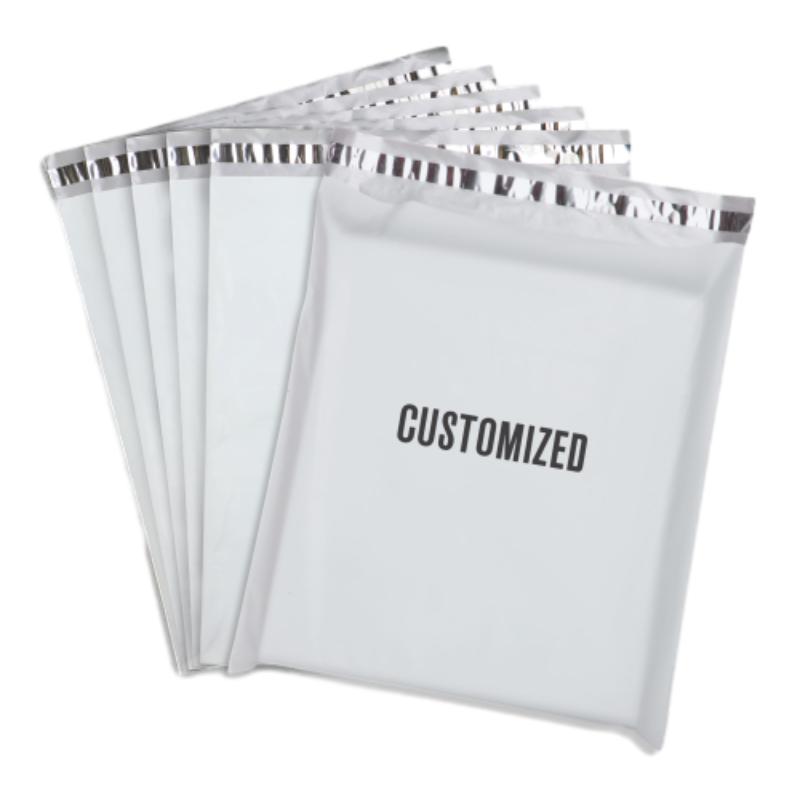
Available in various sizes and finishes, with printing options for branding or instructions. Industries appreciate the ability to tailor bags to specific transport needs. Odd sizes? Mailing fragile electronics? They’ve got you.
Sustainability
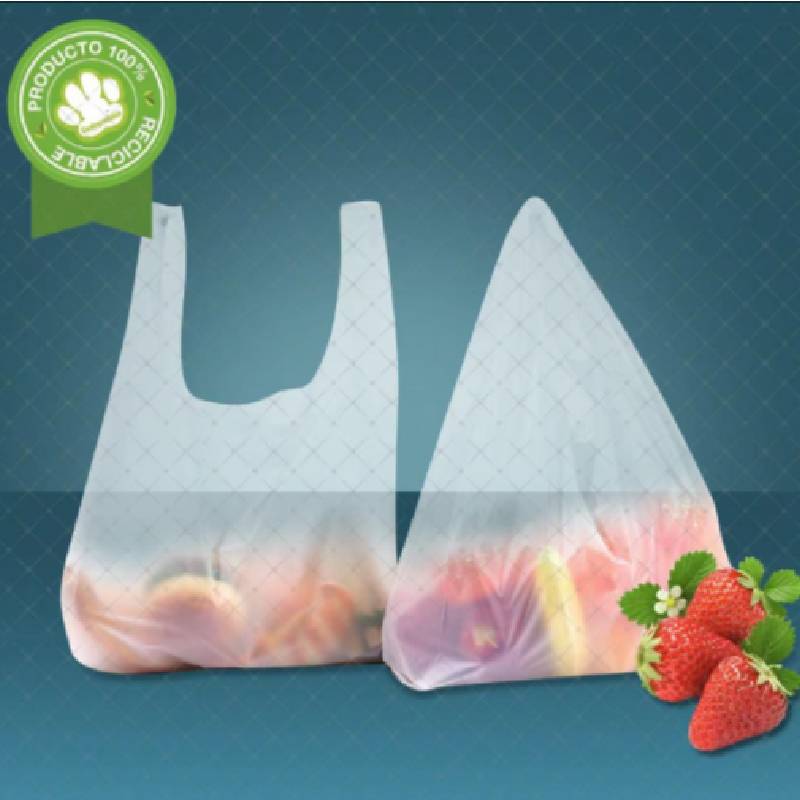
This is a growing concern. Many manufacturers now use recyclable or biodegradable materials, responding to stricter environmental policies worldwide, like the EU’s Green Deal.
Practical Insights:
- You rarely buy mail tuff bags by accident—you’re after a specific balance of strength, security, and cost.
- Most users report that investing in higher-grade bags pays off in lower damage claims.
Typical Specifications for Mail Tuff Bags
| Specification | Typical Value | Notes |
|---|---|---|
| Material | HDPE / LDPE / Composite Laminate | High strength, moisture resistance |
| Thickness | 60–100 microns | Varies by application |
| Tamper-evident Seal | Available | Irreversible strip or adhesive |
| Water Resistance | IPX4 or better | Keeps moisture out during transit |
| Dimensions | From 150mm x 200mm to 500mm x 600mm | Custom sizes available |
| Printing Capability | Yes | Branding, handling instructions |
Global Use and Industry Applications
Mail tuff bags show up almost everywhere—oddly enough, from bustling e-commerce hubs in China and Europe to remote Arctic research stations shipping vital samples. In disaster response, NGOs use them to ship medicines and documents safely through harsh environments. In retail, they protect clothing orders from moisture during transit.
Some standout examples:
- Pharmaceuticals: Sensitive meds like vaccines need tamper-evident sealed bags to guarantee safety.
- Humanitarian Aid: UN agencies require rugged packaging to supply disaster-affected areas without compromising contents.
- Tech Industry: Shipments of fragile electronics rely on these bags to prevent static and damage.
Mini takeaway:
If you thought mail tuff bags were just “plastic bags,” think bigger: they’re lifelines for countless industries and situations.
Advantages and Why They’re Worth the Investment
First off, the reliability of these bags translates into fewer damaged goods — direct savings. That adds up quickly in high-volume shipping. Plus, tamper-evident seals evoke trust between sender and receiver, reducing insurance claims and disputes.
Environmentally, many companies now offer recyclable formulations or even biodegradable versions, which – yes – helps reduce plastic pollution worries.
Emotionally, for a consumer receiving a well-sealed parcel, it’s a subtle reassurance of safety and value. For humanitarian recipients, it can preserve dignity — knowing that aid is handled with care.
The Future of Mail Tuff Bags: What’s Next?
We’re seeing exciting innovations. Embedded RFID or NFC chips for real-time tracking, smart inks changing color if exposed to heat or chemicals, and even the use of bio-based polymers that can break down more easily after disposal.
Automation in bag production speeds customization, helping brands achieve faster turnaround without sacrificing quality. Digital print technology means more vivid, precise branding — important in a crowded e-commerce arena.
Finally, a growing push towards circular economies means “mail tuff” materials may soon be sourced from waste plastics—closing the loop on packaging waste.
Common Challenges and Smart Solutions
Of course, no product is perfect. Some challenges include:
- Balancing strength and flexibility so bags aren’t hard to handle.
- Ensuring recyclable bags truly get recycled in spite of contamination.
- Meeting diverse international regulations on materials and labeling.
Industry experts suggest partnering closely with manufacturers to tailor bags by end-use and regional compliance. Some logistics firms run pilot programs to optimize packaging specs before mass adoption.
Vendor Comparison: Popular Mail Tuff Bag Suppliers
| Vendor | Material Quality | Customization | Sustainability Focus | Typical Lead Time | Price Range |
|---|---|---|---|---|---|
| Liya BioBag | High-grade HDPE, biodegradable options | Full-size, sealing, printing | Strong (certified compostable) | 2-4 weeks | $$$ (mid to premium) |
| SafePack Solutions | Standard polyethylene blends | Limited sizes, basic sealing | Low (focused on durability) | 1-3 weeks | $ (budget) |
| EcoWrap Industries | Plant-based polymers | Custom prints, sizes | Very strong (focus on circular economy) | 3-5 weeks | $$ (mid-range) |
Frequently Asked Questions About Mail Tuff Bags
Q1: What makes mail tuff bags different from regular plastic bags?
A: Mail tuff bags are specifically engineered with reinforced, multi-layer materials offering superior tear resistance, moisture protection, and tamper-evident seals, making them ideal for secure parcel shipment. Regular plastic bags usually lack these specialized features.
Q2: Can mail tuff bags be recycled or composted?
A: Many mail tuff bags now come in recyclable formats, but recycling depends on local facilities and contamination levels. Compostable options are increasingly available, made from bio-based polymers certified by organizations like ASTM or EN standards.
Q3: Are these bags customizable for branding or special contents?
A: Absolutely. Most suppliers offer printing options for logos, instructions, or unique designs, plus a range of sizes tailored for specific items—from small electronics to bulky textiles.
Q4: How do mail tuff bags help humanitarian efforts?
A: They provide moisture-proof, durable packaging for medicines, documents, and supplies, ensuring materials arrive intact in often difficult or unpredictable environments.
Q5: Where can I purchase high-quality mail tuff bags?
A: Trusted suppliers like mail tuff bags manufacturers offer a range of options, including sustainable variants and global shipping support.
Conclusion: A Smart Choice for Secure and Sustainable Shipping
Mail tuff bags aren’t just another packaging fad—they are integral to ensuring safe, reliable, and increasingly eco-friendly parcel delivery worldwide. Whether you’re shipping retail products or delivering critical aid, these bags offer a balance of durability, security, and speed.
If you want to explore the best options tailored to your needs, visit mail tuff bags for a comprehensive selection and expert guidance.
Final thought:
In a world that demands faster, safer shipping, mail tuff bags feel like the unsung yet steadfast workhorse. They’re a subtle but vital player in the intricate global logistics dance...
References:
-
Secure Shipping Guide with Poly Mailer Bubble Wrap SolutionsNewsApr.16,2026
-
Secure Shipping Guide for Using Durable Bubble Parcel BagsNewsApr.09,2026
-
Comprehensive Guide to Poly Mailer Bubble for Secure and Efficient ShippingNewsApr.07,2026
-
Elevate Your Brand with Custom Designer Bubble Mailers for Effective PackagingNewsApr.04,2026
-
Comprehensive Guide to Poly Mailers with Bubble Wrap for Secure ShippingNewsMar.31,2026
-
Comprehensive Guide to Large Bubble Poly Mailers for Secure and Efficient ShippingNewsMar.28,2026
-
Have the freedom of customizing your custom mailers any way you want! Our dedicated packaging support will help deliver you the mailing experience you need to elevate your shipping experience to the next level! Start making a strong impression on your customers and stand out from your competitors! -
LIYA uses high quality raw materials which directly purchased from large enterprises domestic and overseas such as PetroChina, Sinopec, Sabic, Equate, ExxonMobil, Dow Chemical, Total, and Borouge, ensuring the price advantage and quality of the raw materials. -
LIYA uses high quality raw materials which directly purchased from large enterprises domestic and overseas such as PetroChina, Sinopec, Sabic, Equate, ExxonMobil, Dow Chemical, Total, and Borouge, ensuring the price advantage and quality of the raw materials.
 English
  Arabic
  China
China  French
  Korean
  Russian
  Spanish