Freezer Shipping Bags: Essential Solutions for Cold Chain Logistics and Safety
Freezer Shipping Bags: What They Are and Why They Matter
Freezer shipping bags might sound like just another packaging item, but they play an oddly crucial role in a global supply chain that often gets overlooked — especially when it comes to keeping perishables fresh or medical samples intact across borders and climate zones. Think about the food on your table, the medicines in cold storage, or humanitarian aid during an emergency. Without freezer shipping bags, maintaining quality during transit could be a logistical nightmare.
Why should anyone beyond logistics care? Well, the global cold chain market was valued at around $233 billion in 2022 and expected to grow significantly in the coming decade, according to industry reports. This reflects an overarching demand for effective, reliable cold storage and transport solutions — and freezer shipping bags are a subtle but vital cog in that machine.
Mini takeaway: Freezer shipping bags help safeguard sensitive items during transit, impacting sectors from food safety to healthcare worldwide.
Global Industry Context: Why Freezer Shipping Bags Matter
Let’s zoom out a bit. The refrigeration and frozen goods sectors are intertwined with global health, food security, and trade policies. According to the United Nations Food and Agriculture Organization (FAO), post-harvest losses due to spoilage run up to 30%, which shaves off billions of dollars in economic value annually. Innovative packaging like freezer shipping bags addresses that by enabling better control of temperature and humidity during transport.
Even the World Health Organization stresses that vaccine potency critically depends on cold chain integrity — no small feat when delivering to remote villages or disaster zones. Here, freezer shipping bags reduce the risk of temperature excursions, one of the most critical challenges in cold logistics.
Yet, while the importance is massive, many supply chains still lack standardized, cost-effective packaging solutions, often facing challenges in balancing durability, insulation, and environmental impact.
Mini takeaway: Freezer shipping bags are essential tools tackling major global challenges — from food waste reduction to maintaining vaccine efficacy.
Understanding Freezer Shipping Bags: Definition and Practical Meaning
So what exactly are freezer shipping bags? Simply put, they're specialized insulated containers or pouches designed to maintain frozen or refrigerated temperatures for goods during shipping. They usually combine multiple layers — think thermal insulation, moisture barriers, and durable outer shells — to create a microenvironment that slows heat transfer.
In practical terms, they are the go-to solutions for industries needing cost-efficient, scalable cold transport that’s lighter and more flexible than bulky foam coolers or rigid boxes. From seafood exporters in Norway to frozen meal suppliers in California, these bags adapt to the real-world messiness of shipping: temperature fluctuations, handling jostles, and variable timing.
Mini takeaway: Freezer shipping bags blend smart material design with user-friendly portability, bridging the gap between rigid cold storage and fragile goods.
Key Factors in Freezer Shipping Bag Performance
1. Insulation Quality
This is a biggie. Materials like multi-layer aluminum foil, expanded polyethylene (EPE), and vacuum-insulated panels (VIPs) determine how long the bag keeps items cold. Better insulation boosts reliability, especially when shipping across different climates or longer distances.
2. Durability and Material Strength
Bags must withstand handling, tearing, and sometimes even brief exposure to moisture without compromising delivery quality. The right outer layer—often a water-resistant polyethylene or laminates—plays a huge role.
3. Size and Scalability
One size doesn’t fit all. Freezer shipping bags come in small to jumbo sizes, adaptable for single-dose pharmaceuticals or pallets of frozen meat boxes. The ability to scale up or down without blowing the budget makes these bags attractive for various industries.
4. Environmental Sustainability
Oddly enough, the freeze zone intersects with green challenges. Many engineers now experiment with biodegradable liners and recyclable insulation materials to reduce landfill waste, especially since single-use plastics have gained justified scrutiny globally.
5. Cost Efficiency
Companies want a sweet spot between upfront price and long-term value. Cheaper bags may save pennies but cause product spoilage risks, while luxury options might break budgets. Finding this balance is the real trick, especially for SMEs or humanitarian NGOs.
6. Regulatory Compliance
FDA, ISO, and international shipping authorities set standards on performance and safety. Bags designed with compliance in mind prevent costly customs delays and legal headaches.
| Specification | Typical Range | Notes |
|---|---|---|
| Insulation Thickness | 5–20 mm | Thicker layers = longer cold retention |
| Temperature Range | -30°C to +5°C | Meets most cold chain transport needs |
| Material | Foil, PE, VIPs, biodegradable composites | Varies by vendor & sustainability focus |
| Size Range | 10 L to 200 L (approx.) | Custom sizes common |
| Weight | 200g to 2kg | Varies with materials & size |
Global Applications and Use Cases
Okay, so where do freezer shipping bags really shine? Let’s take a few snapshots:
- Healthcare & Pharma: Vaccines, insulin, and diagnostic samples are routinely shipped worldwide with these bags protecting their cold chain, especially crucial in tropical zones or developing nations.
- Food Export & Retail: Frozen seafood from Alaska, ice cream from Italy, or organic berries transported to urban supermarkets — the bags keep freshness in check for days.
- Humanitarian Relief: In post-disaster scenarios, quick shipment of frozen blood supplies or life-saving meds is essential. Specialized freezer shipping bags are deployed by NGOs to keep materials viable during chaotic distribution.
- Laboratories & Research: Field researchers working in polar or forest regions use freezer bags for sample preservation without relying on heavy freezers.
- Remote Industrial Zones: Oil rigs and mining camps often require perishable goods and medicines delivered safely — freezer shipping bags help maintain cold chain integrity over long distances.
Mini takeaway: From deserts to islands, freezer shipping bags adapt across diverse sectors and geographies where temperature control equals survival, quality, or compliance.
Advantages and Long-Term Value of Freezer Shipping Bags
There’s something a bit comforting, honestly, about knowing your frozen goods or vital meds are snug in specially designed envelopes that keep them safe from the world’s chaos. The benefits cover a lot of ground:
- Cost Savings: Reduces spoilage and waste, trimming losses in supply chains.
- Environmental Impact: Modern solutions shift towards biodegradable and recyclable materials, helping reduce landfill impact.
- Reliability and Trust: Ensures confidence in delivery, vital for pharmaceuticals and premium food sectors alike.
- Social Impact: Maintains dignity and health by supporting timely delivery of medical supplies in vulnerable regions.
- Innovation: Modular designs and a blend of tech materials make bags more adaptable and efficient.
It’s a blend of logical and emotional elements that combine in this seemingly simple solution — at the end of the day, freezer shipping bags enable trust in a world that moves fast but demands quality.
Looking Ahead: Trends and Innovations in Freezer Shipping Bags
Let me tell you — the freeze chain space is getting more exciting. From heat-reflective coatings to embedded sensors, the future is digital and green:
- Smart Packaging: Temperature sensors embedded within bags provide real-time tracking and alerts, minimizing risks.
- Biodegradable Materials: Innovations include mycelium insulation and recycled plastics as sustainable alternatives.
- Advanced Insulation: Vacuum-insulated panels (VIPs) getting thinner and cheaper improve portability and performance.
- Automation Compatibility: Design tweaks help bags fit automated warehouses and robot handlers better.
It feels like freezer shipping bags are quietly entering the Internet of Things (IoT) era.
Challenges and What Can Be Done
Of course, it’s not all rosy. Key challenges remain:
- Cost vs. Sustainability: Eco-friendly materials can be pricier; the trade-off still puzzles many procurement managers.
- Durability vs. Weight: Heavier insulation boosts performance but challenges logistics efficiency.
- Standards: Global regulatory consistency is patchy across exporting and importing countries, complicating compliance.
Experts suggest cross-sector collaboration, government incentives for green tech, and more R&D investment can solve these. Some supply chains now demand supplier transparency and innovation to qualify.
Vendor Comparison: Leading Freezer Shipping Bag Providers
| Vendor | Material Types | Customization Options | Price Range (per unit) | Lead Time |
|---|---|---|---|---|
| Liya BioBag | PE, Foil, Biodegradable composites | Sizes, branding, insulation levels | $2.50 - $8.00 | 2-3 weeks |
| GlacierPack | Foil, PE foam | Limited sizes, color options | $1.80 - $5.50 | 1-2 weeks |
| EcoFreeze | Recycled plastics, bio-liners | Full custom eco-friendly solutions | $3.00 - $10.00 | 3-4 weeks |
FAQs About Freezer Shipping Bags
How long can freezer shipping bags keep products frozen?
Generally, high-quality freezer shipping bags can maintain frozen temperatures from 24 to 72 hours depending on insulation thickness, ambient temperature, and whether cold packs are included. For longer durations, bags need to be paired with ice packs or specialized cold pallets.
Are freezer shipping bags reusable or single-use?
Both options exist. Many are designed for single-use to ensure hygiene and compliance, especially for medical shipments. However, certain thicker, more durable bags can be reused multiple times if cleaned properly.
Can freezer shipping bags be customized with company branding?
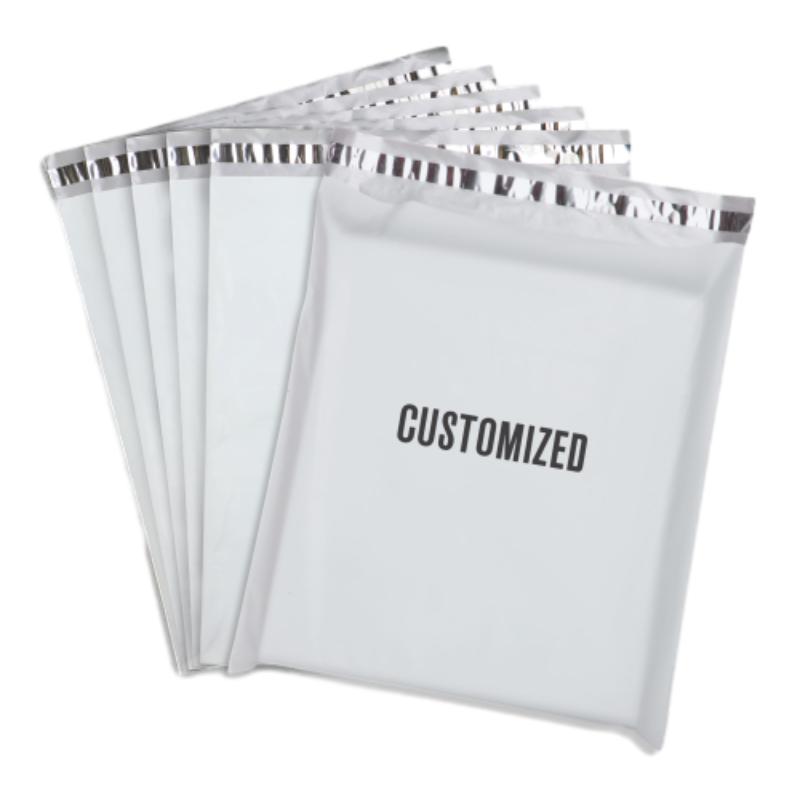
Absolutely. Most vendors offer customization options, including size adjustment, color, and company logos, which helps reinforce brand presence and ensures easier identification during shipping.
Do freezer shipping bags comply with international cold chain standards?
Leading suppliers build compliance with key certifications like ISO 9001 and cold chain management guidelines from the WHO and FDA into their production processes. It's important to verify certification for specific applications.
Where can I buy reliable freezer shipping bags at scale?
Companies like Liya BioBag specialize in industrial-grade freezer shipping bags and provide scalable solutions for various industries, including pharmaceuticals, food, and humanitarian aid.
Conclusion
Freezer shipping bags might be an “unsung hero” in the cold logistics world, but their long-term importance is hard to overstate. By combining innovative materials with practical design, they keep vital products safe, fresh, and compliant across the globe — often silently, often invisibly. For businesses and NGOs aiming to optimize their cold chain, these bags offer a combination of cost efficiency, sustainability, and reliability hard to beat.
If you’re curious to see how these solutions could fit into your operations, and want a peek at modern, eco-conscious designs, you might want to check out freezer shipping bags from Liya BioBag. Their products reflect the cutting edge of this quietly transformative sector.
After all, when it comes to delivering cold goods safely worldwide, it’s often the small things — the freezer shipping bags — that truly matter.
References
-
Secure Shipping Guide with Poly Mailer Bubble Wrap SolutionsNewsApr.16,2026
-
Secure Shipping Guide for Using Durable Bubble Parcel BagsNewsApr.09,2026
-
Comprehensive Guide to Poly Mailer Bubble for Secure and Efficient ShippingNewsApr.07,2026
-
Elevate Your Brand with Custom Designer Bubble Mailers for Effective PackagingNewsApr.04,2026
-
Comprehensive Guide to Poly Mailers with Bubble Wrap for Secure ShippingNewsMar.31,2026
-
Comprehensive Guide to Large Bubble Poly Mailers for Secure and Efficient ShippingNewsMar.28,2026
-
Have the freedom of customizing your custom mailers any way you want! Our dedicated packaging support will help deliver you the mailing experience you need to elevate your shipping experience to the next level! Start making a strong impression on your customers and stand out from your competitors! -
LIYA uses high quality raw materials which directly purchased from large enterprises domestic and overseas such as PetroChina, Sinopec, Sabic, Equate, ExxonMobil, Dow Chemical, Total, and Borouge, ensuring the price advantage and quality of the raw materials. -
LIYA uses high quality raw materials which directly purchased from large enterprises domestic and overseas such as PetroChina, Sinopec, Sabic, Equate, ExxonMobil, Dow Chemical, Total, and Borouge, ensuring the price advantage and quality of the raw materials.
 English
  Arabic
  China
China  French
  Korean
  Russian
  Spanish