Large Grey Mailing Bags: Durable, Eco-Friendly Solutions for Global Shipping
Understanding Large Grey Mailing Bags: More Than Just Packaging
At first glance, large grey mailing bags might seem like simple packaging solutions — but they’ve quietly become crucial components in ensuring secure, efficient shipping worldwide. Whether it’s sending documents across continents or delivering relief materials in emergency situations, these unassuming envelopes have a surprisingly broad impact. Today, we’ll dive into what makes these bags indispensable and why they matter globally, touching on everything from environmental benefits to cost efficiency.
Why Large Grey Mailing Bags Matter Globally
In an era where e-commerce is skyrocketing (the UN estimated global e-commerce sales will exceed $6.3 trillion in 2023), the demand for reliable mailing solutions has never been higher. Large grey mailing bags answer the call for lightweight, durable, and tamper-resistant packaging — qualities that standard envelopes or cardboard boxes often can’t guarantee.
But it’s not just about commercial parcels. Non-profits, governments, and humanitarian organizations frequently use these mailing bags to distribute essentials securely across remote or conflict-affected regions. According to the International Organization for Standardization (ISO), the quality and integrity of packaging directly affect delivery success rates, reducing waste and cost — a fact that large grey mailing bags address well.
Yet challenges persist: ensuring bags are waterproof, resistant to tearing, and eco-conscious. These concerns underscore why understanding the nuances of large grey mailing bags is essential for supply chains everywhere.
Mini takeaway:
Large grey mailing bags are a small but critical piece in the global logistics puzzle, balancing reliability with sustainability as shipping needs grow.
Defining Large Grey Mailing Bags: What Are They Exactly?
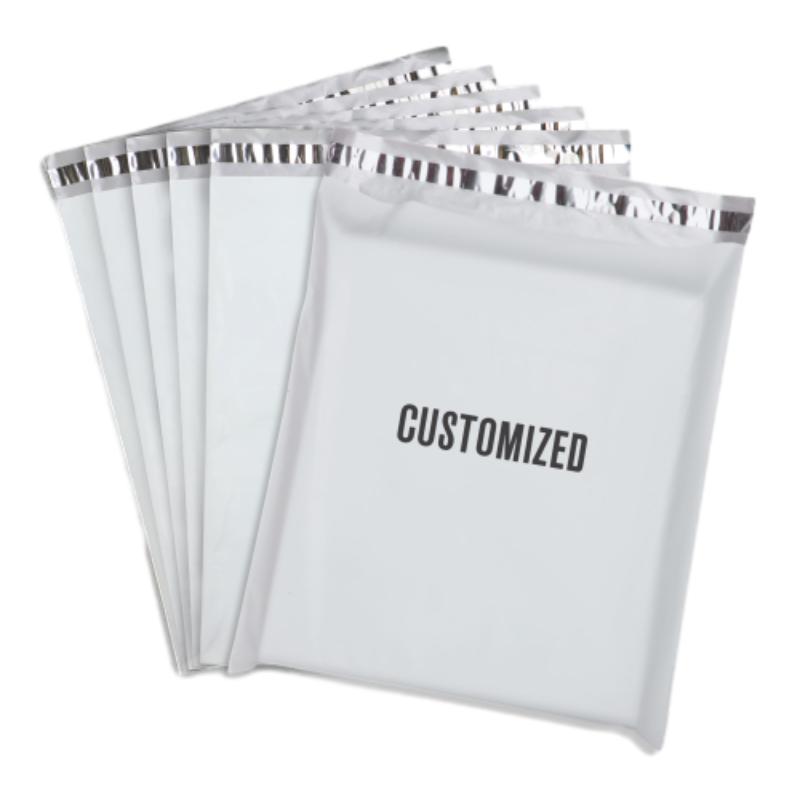
So, what exactly are large grey mailing bags? Simply put, these are oversized, robust poly or polyethylene envelopes designed for mailing bulkier or irregularly shaped items than traditional letter envelopes. Their hallmark is a grey tint—often reflecting a blend of recycled materials or a finish that helps disguise contents for privacy.
Industries ranging from fashion retail to pharmaceuticals use these bags because they’re lightweight — cutting down on shipping costs — yet surprisingly tough against punctures, moisture, and tampering. In humanitarian and aid contexts, their ability to safely shuttle vital documents, medical supplies, or even food packets with minimal bulk proves invaluable.
Key Components of Large Grey Mailing Bags
Durability
Arguably the most essential feature, durability ensures the bags don’t tear or puncture during rough handling. This means manufacturing with reinforced seams, using high-density polyethylene (HDPE) or low-density variants (LDPE) tailored for flexibility, plus additional liners when needed.
Water Resistance
Moisture can ruin packaged contents and cause delivery delays. Many large grey mailing bags are coated or made from materials that block water ingress, upholding parcel integrity from rain-soaked docks to arid deserts.
Security Features
Self-sealing adhesive strips, tamper-evident seals, and opaque coloring all contribute to privacy and security. In highly regulated industries or disaster zones, protecting contents isn’t just a nicety — it’s mandatory.
Cost Efficiency
Compared to rigid boxes, mailing bags mean less weight and volume, which translates to savings on shipping expenses. Recyclability or reuse potential also factors into long-term cost efficiency.
Customization Options
From printed logos to size variations and reinforced bottoms, customization helps brands stand out while fitting unique shipping needs.
Environmental Impact
With growing pressure on industries to "go green," many producers now offer bags with recycled content or biodegradable features — a step in the right direction given the vast number shipped yearly.
Mini takeaway:
These features combine to create a packaging solution that’s tough, practical, secure, and increasingly eco-aware.
Product Specification Table: Typical Large Grey Mailing Bags
| Specification | Details |
|---|---|
| Material | High-Density Polyethylene (HDPE) |
| Size Range | 30cm x 40cm up to 50cm x 70cm |
| Closure | Self-adhesive peel & seal strip |
| Thickness | 50 to 100 microns |
| Color (typical) | Opaque Grey or Silver |
| Water Resistance | Yes (weatherproof coating) |
| Recyclability | Typically recyclable (depending on local facilities) |
Global Applications & Use Cases
Large grey mailing bags find their way into a variety of settings worldwide. In North America and Europe, e-commerce giants rely heavily on them to ship clothing and accessories. Meanwhile, in developing regions, NGOs distribute medical supplies and educational materials with these bags — their strength and water resistance crucial during monsoon seasons or rugged journeys.
Consider post-disaster relief efforts in Southeast Asia: sending lightweight but durable mailing bags filled with crucial documents or immediate aid slightly diminishes transport weight and bulk — meaning more can be delivered per trip.
Oddly enough, industrial zones in remote parts of Australia and Canada often depend on these mailing bags to ship spare parts or paperwork back to headquarters. Their practicality shines when you need to combine economy with reliability.
Mini takeaway:
The versatility of large grey mailing bags means they are as valuable in sprawling urban centers as in remote outposts.
Advantages & Long-Term Value
- Cost Savings: Lightweight design reduces shipping fees and packing material costs.
- Sustainability: Increasing use of recycled or biodegradable materials helps lower environmental footprint.
- Security: Tamper-evident seals build trust with customers and stakeholders.
- Reliability: Weatherproofing means contents stay safe regardless of conditions.
- Branding Potential: Custom printing turns bags into mobile billboards.
From a more emotional point of view: using trusted mailing bags conveys professionalism and care, which can strengthen customer relationships or reassure aid recipients. This balance of emotional and practical value is what makes them more than just simple packaging.
Vendor Comparison Table: Leading Providers of Large Grey Mailing Bags
| Vendor | Material Quality | Eco-Friendly Options | Customization | Global Shipping |
|---|---|---|---|---|
| LiyaBioBag | Premium HDPE, reinforced seams | Recycled & biodegradable blends | Full color print, sizes & finishes | Worldwide, express options |
| PackPro Solutions | Standard polyethylene | Limited eco options | Logo stamping only | Regional (North America only) |
| EcoPack Direct | Recycled plastic blends | 100% compostable options | Standard sizes, color options | Global with carbon offset shipping |
Looking Ahead: Future Trends & Innovations
Innovation in the large grey mailing bags space doesn’t stop at better materials alone. Digital integration, like QR-coded bags for real-time tracking and inventory management, is creeping in. Imagine not just shipping an item but having your bag communicate its location and condition automatically. It seems almost sci-fi, but many logistics firms swear by it already.
Material science is also advancing rapidly. Bioplastics, made from plant-based substances, aim to replace fossil-fuel derivatives. Plus, some companies experiment with embedded sensors that monitor humidity or impact during transit — useful for sensitive shipments.
Governments and standard bodies like the ISO are pushing for stricter packaging sustainability guidelines that could reshape how mailing bags are manufactured and disposed of.
Challenges & Practical Solutions
Of course, all isn’t perfect. Large grey mailing bags can sometimes fall short in extreme climates or for very fragile contents, where traditional rigid packaging might still reign supreme. Recycling infrastructure remains patchy worldwide, so eco-friendly bags may not be properly processed and end up in landfills.
Suppliers and users are addressing these issues through hybrid solutions — like combining bag shipments with padded wraps or partnering with recycling initiatives. Some engineers suggest modular, reusable mailing bags that can be returned and refurbished — an idea gaining traction, especially in the EU.
FAQ: Frequently Asked Questions About Large Grey Mailing Bags
Q1: Are large grey mailing bags suitable for international shipping?
A: Absolutely. Their lightweight, durable construction helps reduce international postage costs. Plus, security features like tamper-evident seals are beneficial for cross-border shipments, where parcels face multiple handling stages.
Q2: Can these bags be customized with branding?
A: Yes, many manufacturers offer options for full-color printing and logo stamping. Customization can help brands enhance presentation and customer experience.
Q3: How eco-friendly are large grey mailing bags?
A: It depends on the materials. Many top vendors now use recycled polymers or biodegradable composites. However, recycling depends largely on local facilities, so proper disposal is equally important.
Q4: Do these bags provide moisture protection?
A: Yes, most large grey mailing bags feature water-resistant coatings or laminates, making them weatherproof during normal transit.
Q5: What sizes do large grey mailing bags come in?
A: They vary widely, but typical dimensions range from roughly 30x40 cm to 50x70 cm to accommodate larger parcels without bulky boxes.
Conclusion: A Small Package with a Big Role
In sum, large grey mailing bags are more than just envelopes — they’re smart, reliable, and increasingly sustainable tools propelling modern logistics and humanitarian outreach. Combining toughness with convenience, they reduce costs and environmental impact while securing contents across the globe.
Interested in exploring your options? Visit large grey mailing bags to discover a range of products tailored to your packaging needs.
Final takeaway:
Next time you receive a parcel in one of these subtle grey bags, you might just appreciate the quiet innovation and global connectivity they represent.
References:
-
Secure Shipping Guide with Poly Mailer Bubble Wrap SolutionsNewsApr.16,2026
-
Secure Shipping Guide for Using Durable Bubble Parcel BagsNewsApr.09,2026
-
Comprehensive Guide to Poly Mailer Bubble for Secure and Efficient ShippingNewsApr.07,2026
-
Elevate Your Brand with Custom Designer Bubble Mailers for Effective PackagingNewsApr.04,2026
-
Comprehensive Guide to Poly Mailers with Bubble Wrap for Secure ShippingNewsMar.31,2026
-
Comprehensive Guide to Large Bubble Poly Mailers for Secure and Efficient ShippingNewsMar.28,2026
-
Have the freedom of customizing your custom mailers any way you want! Our dedicated packaging support will help deliver you the mailing experience you need to elevate your shipping experience to the next level! Start making a strong impression on your customers and stand out from your competitors! -
LIYA uses high quality raw materials which directly purchased from large enterprises domestic and overseas such as PetroChina, Sinopec, Sabic, Equate, ExxonMobil, Dow Chemical, Total, and Borouge, ensuring the price advantage and quality of the raw materials. -
LIYA uses high quality raw materials which directly purchased from large enterprises domestic and overseas such as PetroChina, Sinopec, Sabic, Equate, ExxonMobil, Dow Chemical, Total, and Borouge, ensuring the price advantage and quality of the raw materials.

 English
  Arabic
  China
China  French
  Korean
  Russian
  Spanish