Mailing bag suppliers play a critical, often unseen, role in the global economy. From e-commerce fulfillment to secure document transport, and even emergency relief efforts, the demand for reliable and efficient mailing bags is constantly increasing. Understanding the nuances of this industry – the materials, the manufacturing processes, the logistical considerations – is paramount for businesses seeking to optimize their supply chains and for organizations needing to deliver essential goods effectively. These suppliers aren’t merely producers of packaging; they are enablers of global commerce and critical components in countless vital operations.
The global mailing bag market is experiencing substantial growth, driven largely by the expansion of e-commerce. According to recent industry reports, the market is projected to reach [insert statistic here] by [insert year here], reflecting a compound annual growth rate of [insert percentage here]. This surge in demand presents both opportunities and challenges for suppliers. Maintaining product quality, ensuring timely delivery, and adapting to evolving sustainability concerns are key to success in this dynamic landscape. The complexities of international shipping and varying regulatory requirements also necessitate a strong understanding of global logistics.
Effective sourcing from reputable mailing bag suppliers is essential for businesses and organizations seeking to minimize costs, improve operational efficiency, and enhance customer satisfaction. Failing to carefully evaluate potential suppliers can result in delays, damaged goods, and ultimately, a negative impact on brand reputation. This article will delve into the key aspects of selecting and working with mailing bag suppliers, exploring the factors that contribute to a successful partnership.
The Importance of Mailing Bag Suppliers
The selection of effective mailing bag suppliers is more than just a logistical consideration; it’s a strategic business decision. A dependable supplier ensures the safe and timely delivery of goods, protecting product integrity and maintaining customer satisfaction. This impacts brand reputation, operational efficiency, and ultimately, profitability. Without a reliable source of high-quality mailing bags, businesses risk disruptions to their supply chain and potentially damaging their brand image.
High-quality mailing bags aren't just about preventing damage during transit. They also play a role in sustainability and brand messaging. Choosing suppliers committed to eco-friendly materials and responsible manufacturing practices demonstrates a commitment to environmental responsibility, resonating with increasingly conscious consumers. Furthermore, customizable mailing bags offer opportunities for branding and enhancing the customer unboxing experience.
Defining Mailing Bag Suppliers
Mailing bag suppliers are businesses specializing in the manufacture and distribution of protective packaging solutions designed for shipping items through postal services and courier networks. They offer a diverse range of products, including poly mailers, bubble mailers, padded bags, and security envelopes, tailored to various sizes, weights, and protection requirements. These suppliers cater to a broad spectrum of clients, from small e-commerce businesses to large corporations and government agencies.
The role of these suppliers extends beyond simply providing packaging materials. Many offer value-added services such as custom printing, branding options, inventory management, and logistical support. They act as partners in the supply chain, helping businesses streamline their shipping processes and reduce costs. Understanding the specific needs of a client and providing tailored solutions is a key differentiator for successful mailing bag suppliers.
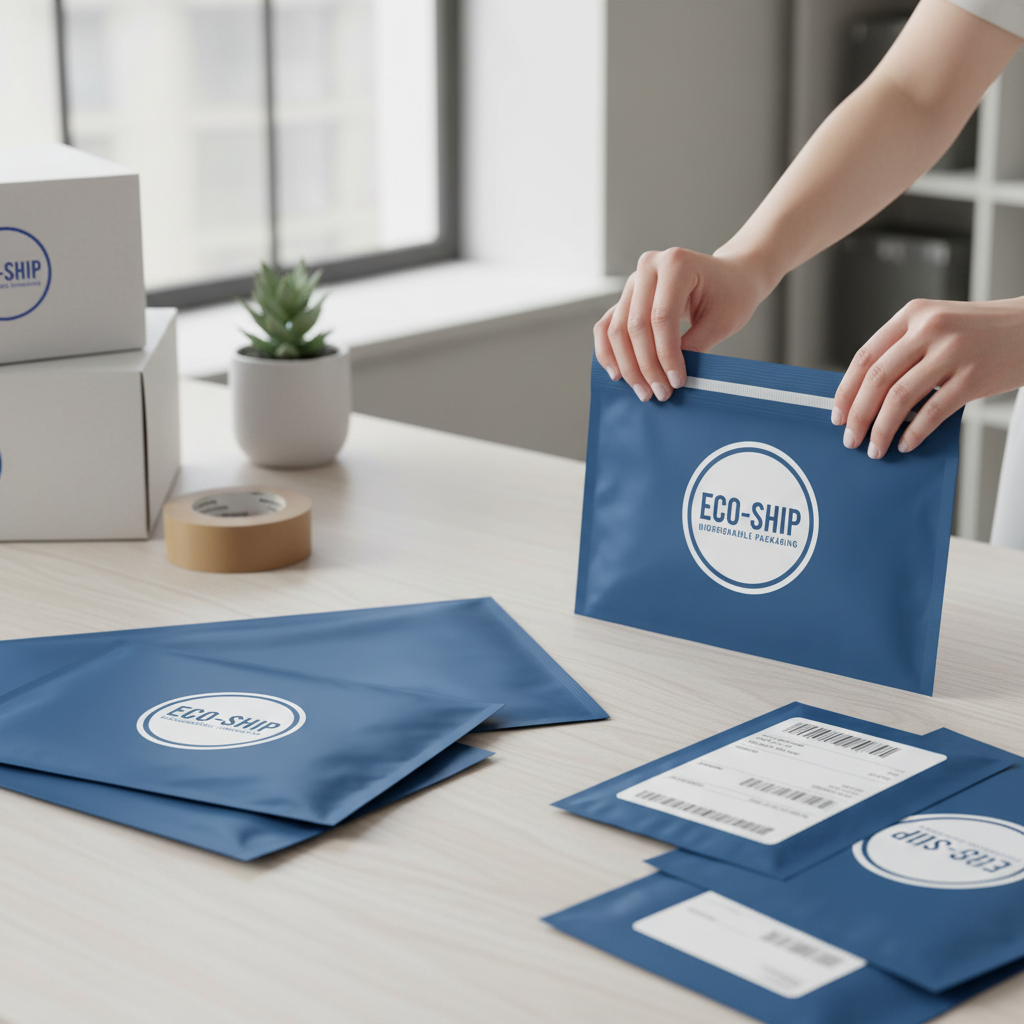
Modern mailing bag suppliers are increasingly focused on sustainability, offering eco-friendly alternatives like biodegradable and compostable mailers. This reflects a growing consumer demand for environmentally responsible packaging and a commitment to reducing the environmental impact of shipping.
Core Factors in Supplier Selection
When choosing a mailing bag supplier, several core factors should be carefully considered. Durability is paramount – the bags must withstand the rigors of shipping without tearing or compromising the contents. Scalability is also crucial; the supplier should be able to accommodate growing order volumes without impacting lead times or quality.
Cost efficiency is obviously important, but should not be the sole deciding factor. A marginally cheaper supplier may compromise on quality or reliability, leading to higher costs in the long run due to damage claims or delays. Consider also the supplier’s lead times, minimum order quantities, and shipping costs. Sustainability practices are becoming increasingly important, so prioritize suppliers offering eco-friendly options.
Finally, assess the supplier’s customer service and responsiveness. A reliable supplier should provide prompt and helpful support, addressing any issues or concerns efficiently. Look for suppliers with a proven track record and positive customer testimonials. Furthermore, verifying certifications (e.g., ISO 9001) can provide assurance of quality management systems.
Global Applications of Mailing Bags
Mailing bags are indispensable across a multitude of industries and applications globally. E-commerce giants rely heavily on them for order fulfillment, ensuring products reach customers intact. Retail businesses utilize them for mail-order catalogs and promotional materials. Financial institutions employ secure mailing bags for transporting sensitive documents and checks.
In post-disaster relief operations, mailing bags play a crucial role in distributing essential supplies like medication, hygiene products, and clothing to affected communities. Their lightweight and durable nature makes them ideal for rapid deployment and efficient distribution. Similarly, in remote industrial zones, mailing bags facilitate the transport of spare parts and equipment.
The healthcare industry utilizes specialized mailing bags for transporting specimens, pharmaceuticals, and medical equipment, often requiring temperature control and tamper-evident features. Government agencies employ secure mailing bags for confidential communications and official documents. The versatility of mailing bags makes them an essential component of numerous logistical operations worldwide.
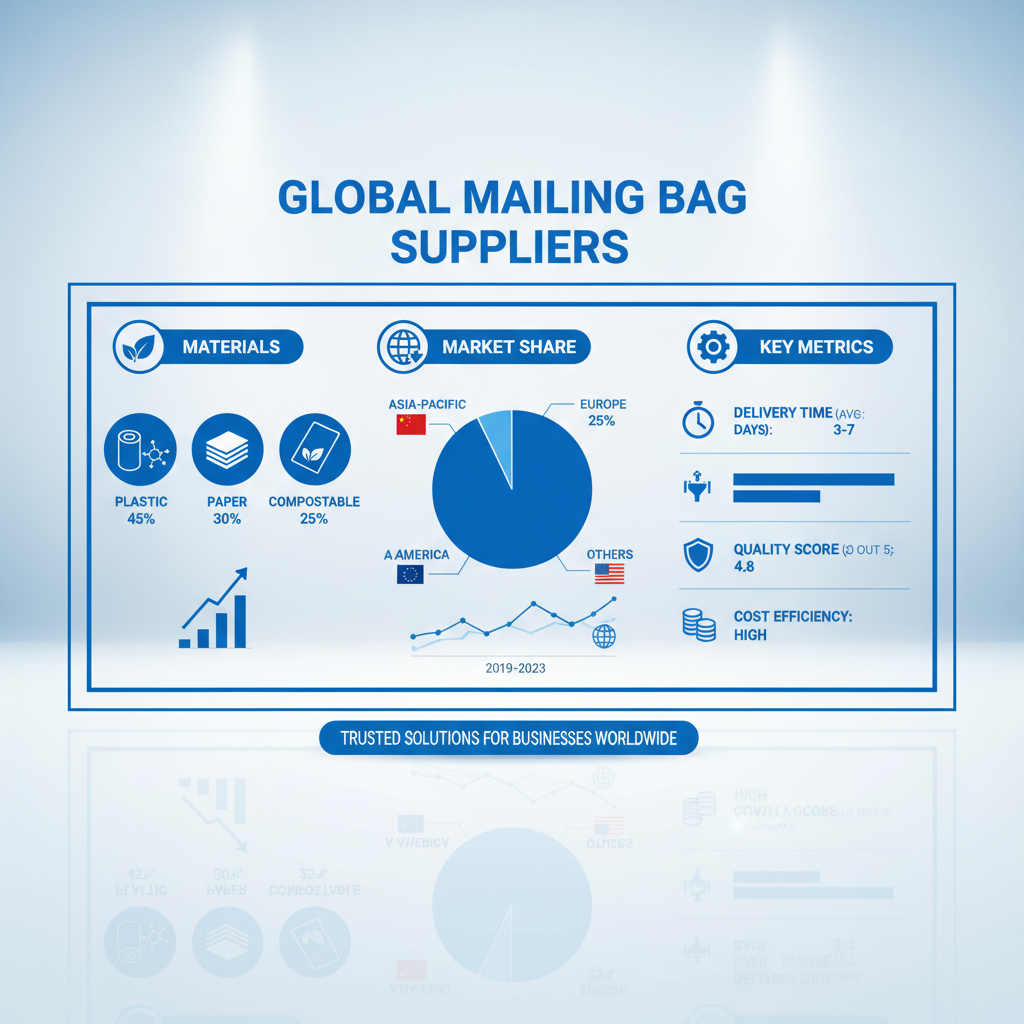
Mailing Bag Supplier Performance Metrics
Advantages & Long-Term Value
Partnering with reliable mailing bag suppliers offers a plethora of tangible benefits. Reduced shipping costs through optimized packaging solutions, minimized product damage leading to fewer returns and claims, and improved operational efficiency due to streamlined fulfillment processes are all significant advantages. These translate directly into increased profitability and customer satisfaction.
Beyond the financial gains, there’s a substantial long-term value proposition. Choosing sustainable packaging materials demonstrates a commitment to environmental responsibility, enhancing brand reputation and attracting eco-conscious consumers. A strong supplier relationship fosters trust and collaboration, leading to innovative solutions and proactive problem-solving.
Future Trends in Mailing Bag Technology
The mailing bag industry is undergoing a period of rapid innovation, driven by advancements in materials science and a growing emphasis on sustainability. Biodegradable and compostable materials are gaining traction, offering eco-friendly alternatives to traditional plastic mailers. Smart packaging solutions incorporating RFID tags and sensors are emerging, enabling real-time tracking and improved supply chain visibility.
Digital printing technologies are allowing for more customized and visually appealing mailing bags, enhancing brand recognition and customer engagement. Automation in manufacturing and fulfillment processes is increasing efficiency and reducing costs. The integration of e-commerce platforms with supplier systems is streamlining ordering and inventory management.
Challenges and Mitigation Strategies
Despite the advancements, several challenges remain in the mailing bag supply chain. Fluctuations in raw material prices can impact costs and profitability. Maintaining consistent quality control across global manufacturing facilities is crucial. Ensuring timely delivery amidst increasing shipping complexities is a constant concern.
Mitigation strategies include diversifying sourcing to reduce reliance on single suppliers, investing in robust quality assurance processes, and leveraging data analytics to optimize logistics and inventory management. Building strong relationships with key suppliers and fostering open communication are essential for proactive problem-solving.
Addressing sustainability concerns requires a commitment to exploring and adopting eco-friendly materials and manufacturing practices. Collaboration across the supply chain is key to creating a more sustainable and resilient mailing bag industry.
Summary of Common Mailing Bag Supplier Challenges and Solutions
| Challenge |
Impact on Business |
Mitigation Strategy |
Cost of Implementation |
| Raw Material Price Volatility |
Increased Costs, Reduced Profit Margins |
Diversified Sourcing, Long-Term Contracts |
Low-Medium |
| Quality Control Issues |
Product Damage, Returns, Brand Damage |
Rigorous Inspection, Supplier Audits |
Medium-High |
| Supply Chain Disruptions |
Delays, Stockouts, Lost Sales |
Backup Suppliers, Inventory Buffers |
Medium |
| Sustainability Concerns |
Negative Brand Perception, Regulatory Pressure |
Eco-Friendly Materials, Sustainable Practices |
Medium-High |
| Limited Customization Options |
Inability to Enhance Branding, Reduced Customer Engagement |
Partner with Suppliers Offering Digital Printing |
Low |
| Communication Barriers |
Misunderstandings, Delays, Inefficient Problem Solving |
Dedicated Account Managers, Clear Communication Protocols |
Low |
FAQS
When selecting mailing bags, consider the fragility of the item being shipped, its weight, and the level of protection required. Poly mailers are suitable for non-fragile items, offering a lightweight and cost-effective solution. Bubble mailers provide cushioning for delicate items, while padded bags offer greater protection for heavier or more vulnerable products. Consider the cost implications of each type, as well as their environmental impact.
Tamper-evident mailing bags typically feature security seals or adhesive closures that break if the bag has been opened. Look for bags with these features, and ensure the seals are intact before shipping. Some suppliers offer bags with unique serial numbers for added security and traceability. Utilizing tamper-evident features builds customer trust and minimizes the risk of fraud or loss.
Eco-friendly mailing bags, made from biodegradable or compostable materials, reduce environmental impact by minimizing plastic waste. They align with growing consumer demand for sustainable packaging and enhance your brand's image. While often slightly more expensive than traditional plastic bags, they demonstrate a commitment to environmental responsibility and can attract eco-conscious customers.
MOQs vary significantly depending on the supplier and the type of bag. Some suppliers may have high MOQs, especially for custom-printed bags, while others cater to smaller businesses with lower minimums. It's important to inquire about MOQs upfront and compare quotes from multiple suppliers to find the best fit for your needs. Negotiating MOQs may be possible depending on your order volume and relationship with the supplier.
Most mailing bag suppliers offer custom printing services. You can typically submit your logo and design specifications, and they will print them directly onto the bags. Printing options include screen printing, digital printing, and flexographic printing, each with its own advantages and cost implications. Clarify the available printing options, lead times, and associated costs with your chosen supplier.
Lead times vary depending on the supplier’s production capacity, the complexity of the order (e.g., custom printing), and shipping distances. Standard stock items typically have shorter lead times (1-3 weeks), while custom-printed bags may require 4-8 weeks or longer. Confirm lead times with the supplier before placing an order to ensure timely delivery and avoid disruptions to your supply chain.
Conclusion
In conclusion, selecting the right mailing bag suppliers is a critical component of a successful and efficient supply chain. From durability and scalability to cost-effectiveness and sustainability, the factors discussed highlight the importance of careful consideration and thorough research. A strategic partnership with a reliable supplier can yield significant benefits, including reduced costs, improved customer satisfaction, and enhanced brand reputation.
Looking ahead, the mailing bag industry is poised for continued innovation, driven by advancements in materials science and a growing demand for eco-friendly solutions. Businesses that prioritize sustainability, embrace new technologies, and foster strong relationships with their suppliers will be best positioned to thrive in this dynamic landscape. Visit our website at www.liyabiobag.com to learn more about our range of mailing bag solutions and how we can help optimize your packaging needs.




 English
  Arabic
  China
China  French
  Korean
  Russian
  Spanish