Premium White Plastic Shipping Bags – Durable, Custom & Eco-Friendly
White Plastic Shipping Bags: A Global Necessity in Packaging and Logistics
At first glance, white plastic shipping bags might just seem like everyday packaging — the kind that carries your online orders or protects magazines in transit. But globally, these plain-looking carriers play a critical role in supply chains, humanitarian aid, and commerce. Their impact stretches far beyond simple containment: enhancing product safety, streamlining logistics, and even influencing sustainability efforts worldwide.
Understanding white plastic shipping bags matters because they help businesses of all sizes—from small e-commerce shops to multinational distributors—deliver goods reliably. They also tie into larger conversations about waste reduction and environmental policies. So, why care? Because every bag is a small piece in the vast puzzle of global trade and protection.
Global Context: Why White Plastic Shipping Bags Matter Today
The UN’s International Trade report highlights that global shipping has surged by nearly 20% in the past decade, with e-commerce playing a vital role in that acceleration (1). Naturally, this means more packaging, and among the favorite choices for small to medium shipments is the humble white plastic shipping bag. Their versatility means they’re found from bustling marketplaces in Southeast Asia to humanitarian aid convoys in sub-Saharan Africa.
But there’s a thorn in this rosy picture: plastic waste concerns. According to the ISO, plastic packaging represents approximately 40% of the total packaging materials worldwide (2). This means the choice of bags is more than a logistics question—it’s an environmental one. White plastic shipping bags respond to that challenge thanks to their potential for recycling and reduced material use compared to box packaging. That said, this doesn’t solve the problem completely, and it remains a tricky balancing act between utility and ecological responsibility.
What Exactly Are White Plastic Shipping Bags?
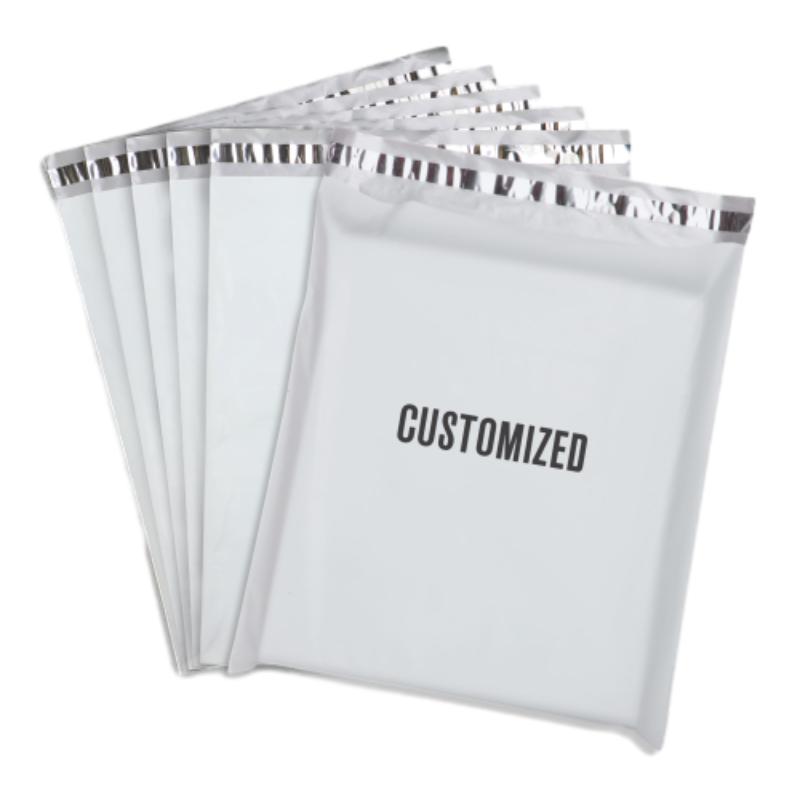
In simple terms, these bags are durable plastic envelopes designed primarily for shipping and protecting lightweight items. Typically made from polyethylene (PE), they’re white for a clean, professional look and to allow for easy printing of shipping details or branding. They're often waterproof, tear-resistant, and light enough to save on shipping costs.
Beyond commercial use, white plastic shipping bags have invaluable utility in humanitarian efforts. Aid agencies pack essential supplies—medications, food packets, documents—into these bags to ensure safe delivery even to remote, disaster-affected areas.
Key Features of White Plastic Shipping Bags
Durability and Protection
These bags are crafted to be tear-resistant and often waterproof. That means they guard contents against rain, dust, and rough handling—a common occurrence in long transport routes or busy sorting facilities.
Scalability and Size Options
Different sizes accommodate nearly any shipment, from documents to bulkier apparel. Companies can order custom dimensions or thicknesses to balance protection with shipping cost-efficiency.
Cost Efficiency
Compared to rigid boxes, plastic shipping bags generally cost less in materials and postage, thanks to their lightweight nature. They also reduce warehouse space needs—smaller, foldable, and stackable.
Customization Potential
White plastic shipping bags lend themselves easily to printing brand logos, barcodes, and handling instructions, offering companies a subtle but effective advertising and tracking channel.
Environmental Considerations
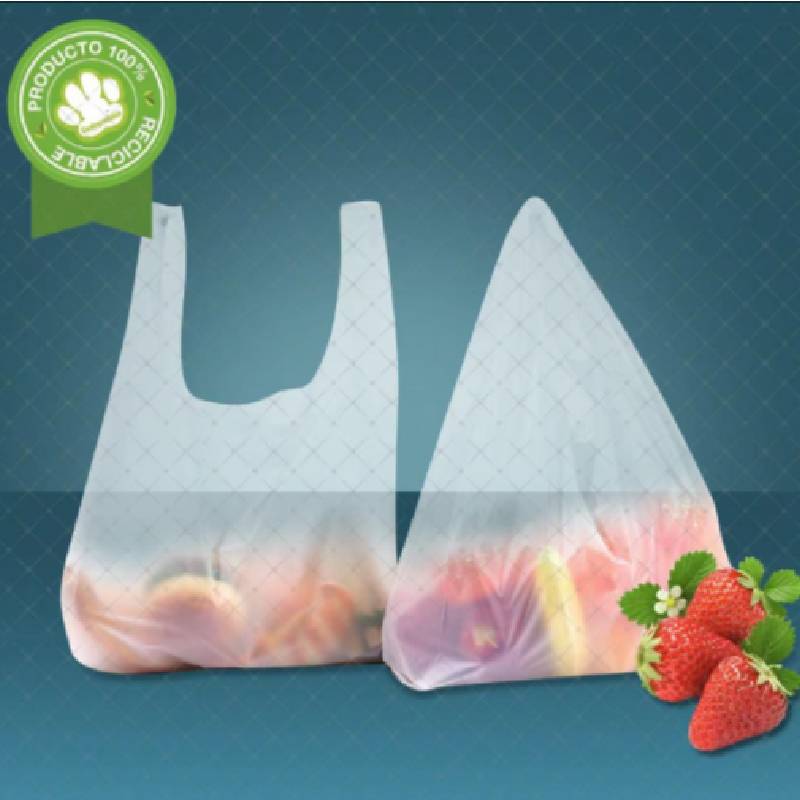
Many manufacturers now produce bags from recycled or biodegradable polyethylene blends, helping reduce plastic footprint and comply with ever-stricter regulations globally.
Typical Specifications of White Plastic Shipping Bags
| Specification | Description |
|---|---|
| Material | Low-density polyethylene (LDPE) or High-density polyethylene (HDPE) |
| Color | Opaque White |
| Typical Thickness | 40 - 100 microns (varies by use) |
| Sizes | Customizable, common: 6x9 inch up to 24x36 inch |
| Sealing | Self-sealing adhesive strip or heat sealable |
| Recyclability | Depends on local recycling; many are recyclable via LDPE streams |
Global Applications of White Plastic Shipping Bags
It’s fascinating to see how widespread the uses are. For example, in Southeast Asia, fast-growing e-commerce firms depend heavily on these bags to get small parcels out fast and affordably. Meanwhile, NGOs like the Red Cross prefer them during emergency relief when quick, weatherproof distribution of kits is paramount.
In industrial zones of Eastern Europe, white plastic mailing bags protect spare parts and documents alike, resisting moisture and dirt prevalent in those environments. Even luxury brands have embraced customized versions to provide a clean, uniform delivery experience.
Key Advantages & Long-Term Value of Using White Plastic Shipping Bags
- Cost Savings: Lower postage fees due to lighter weight and reduced material costs compared to boxes.
- Sustainability Potential: With recyclable and biodegradable options emerging, they align with evolving environmental policies.
- Security & Privacy: Opaque materials preserve confidentiality, important for legal documents or sensitive goods.
- Versatility: Suitable for a wide array of industries from fashion to pharma to food.
- Customer Experience: Clean, professional presentation lends trust and brand credibility.
There’s an emotional side here too — confidence that items will arrive safe, no matter the distance or rough weather, adds a layer of dignity and reliability that customers value deeply.
Comparing Leading Vendors for White Plastic Shipping Bags
| Vendor | Material Quality | Customization Options | Price Range | Sustainability |
|---|---|---|---|---|
| Liya BioBag Co. | Premium HDPE/LDPE blends | Full logo & size customization | Mid-range | 100% recyclable & biodegradable options |
| ClearPack Solutions | Standard LDPE | Limited print options | Budget-friendly | Basic recyclability only |
| EcoShip Plastics | Recycled PE materials | Custom sizes, no printing | Higher price due to eco focus | Compostable & recyclable certified |
Emerging Trends & Innovations
Frankly, the future of white plastic shipping bags is tied closely to sustainability. Companies are experimenting with biodegradable polymers derived from corn starch and other bio-based materials, aiming to minimize landfill impact. Advances in RFID printing are also allowing for smarter tracking without additional labels, saving time and reducing waste.
Automation in packaging lines means bags now come pre-loaded with barcodes or can self-seal with precision, reducing labor and human error. And then there’s the digital shift—online sellers using scannable QR codes on bags to offer customers instant access to tracking and product info. It turns a simple shipping bag into a brand experience tool.
Addressing Challenges Head-On
Of course, not everything is rosy. Plastic waste still dominates headlines, and not all white plastic shipping bags live up to their recycling promise—contamination and local infrastructure limits often obstruct reuse.
Many environmentalists argue for switching to paper or reusable packaging entirely, but that can mean sacrifices in protection, water resistance, and cost. A balanced solution involves better consumer education, improved recycling programs, and continued research into alternative materials.
Industry experts recommend choosing suppliers with clear eco-certifications and adopting reusable packaging where feasible—mixing tradition and innovation. It’s a gradual journey, but the right partner can make it manageable.
FAQ: Practical Questions About White Plastic Shipping Bags
- Q1: Are white plastic shipping bags recyclable?
- Yes, many white plastic shipping bags made from LDPE or HDPE are recyclable through designated plastic film recycling programs. However, local recycling capabilities vary, so checking with municipal facilities helps ensure proper disposal.
- Q2: How durable are these bags in extreme weather?
- Generally quite durable—they resist tears and water well. For harsh climates or long-distance sea shipments, opting for thicker-gauge bags or additional sealing enhances protection.
- Q3: Can white plastic shipping bags be customized with branding?
- Absolutely. Most manufacturers offer printing services for logos, barcodes, and handling instructions. Custom sizes and adhesive closures are also common options.
- Q4: Are biodegradable options as reliable as traditional plastic?
- Biodegradable bags have improved significantly but may have slight limitations in strength or shelf life compared to standard LDPE bags. It’s best to match material choice to specific shipment needs.
- Q5: How can small businesses order white plastic shipping bags?
- Many vendors cater to all order sizes, with online portals to customize and buy directly. Checking out white plastic shipping bags suppliers is a great place to start.
Wrapping Up: Why White Plastic Shipping Bags Are Here to Stay
Despite challenges, white plastic shipping bags remain indispensable players in logistics, balancing cost, protection, and sustainability better than many alternatives. For companies and organizations, embracing them means safer shipments, happier customers, and a step toward greener practices. Curious for more? Visit https://www.liyabiobag.com, where the latest solutions in white plastic shipping bags await.
Packaging might seem mundane at first sight, but it’s the unsung hero of trade and aid alike. And sometimes, the simplest things turn out to be the most vital.
References
-
Secure Shipping Guide with Poly Mailer Bubble Wrap SolutionsNewsApr.16,2026
-
Secure Shipping Guide for Using Durable Bubble Parcel BagsNewsApr.09,2026
-
Comprehensive Guide to Poly Mailer Bubble for Secure and Efficient ShippingNewsApr.07,2026
-
Elevate Your Brand with Custom Designer Bubble Mailers for Effective PackagingNewsApr.04,2026
-
Comprehensive Guide to Poly Mailers with Bubble Wrap for Secure ShippingNewsMar.31,2026
-
Comprehensive Guide to Large Bubble Poly Mailers for Secure and Efficient ShippingNewsMar.28,2026
-
Have the freedom of customizing your custom mailers any way you want! Our dedicated packaging support will help deliver you the mailing experience you need to elevate your shipping experience to the next level! Start making a strong impression on your customers and stand out from your competitors! -
LIYA uses high quality raw materials which directly purchased from large enterprises domestic and overseas such as PetroChina, Sinopec, Sabic, Equate, ExxonMobil, Dow Chemical, Total, and Borouge, ensuring the price advantage and quality of the raw materials. -
LIYA uses high quality raw materials which directly purchased from large enterprises domestic and overseas such as PetroChina, Sinopec, Sabic, Equate, ExxonMobil, Dow Chemical, Total, and Borouge, ensuring the price advantage and quality of the raw materials.
 English
  Arabic
  China
China  French
  Korean
  Russian
  Spanish