Printed Parcel Bags: Eco-Friendly Packaging Solutions for Global Shipping
Understanding Printed Parcel Bags: A Global Perspective
If you’ve ever shipped a package — let’s say a birthday gift or an urgent document — chances are it arrived cushioned inside a printed parcel bag. These aren’t just everyday carriers; printed parcel bags are cleverly designed to blend marketing flair, protection, and sustainability. Globally, their significance goes beyond convenience, reaching into e-commerce economies, humanitarian aid, and environmental accountability.
Why Printed Parcel Bags Matter Today
In an era when online shopping has exploded (with global e-commerce sales reaching nearly $5 trillion in 2023), the demand for efficient, branded packaging solutions is unprecedented. Printed parcel bags step up by creating brand recognition the moment the package lands on your doorstep. Plus, they often minimize bulk and weight, which directly cuts down shipping costs and carbon footprints — a win-win for retailers and the planet.
Defining Printed Parcel Bags
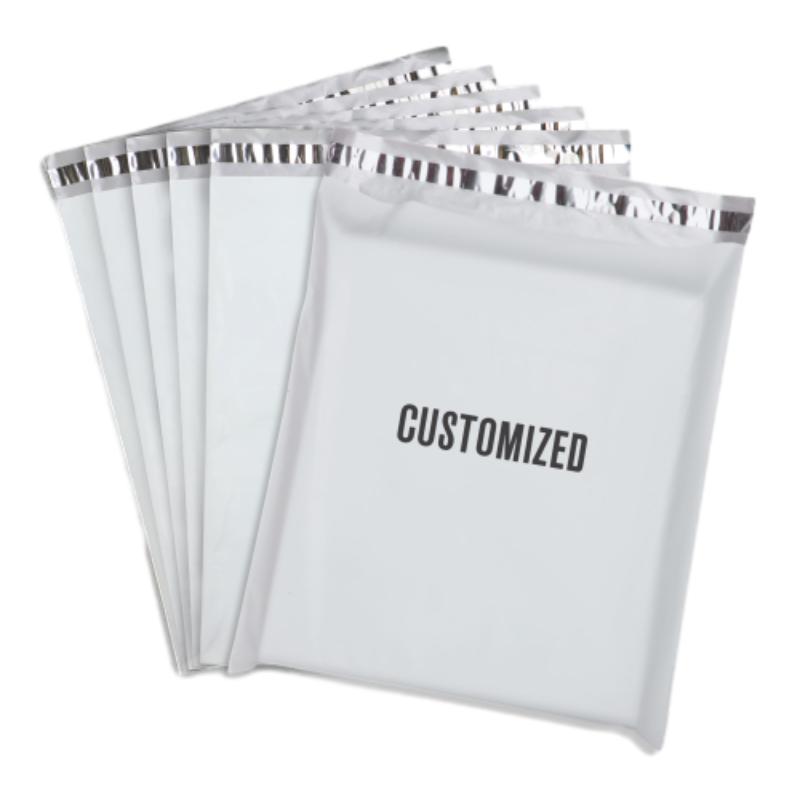
At its core, a printed parcel bag is a lightweight, flexible plastic or biodegradable bag printed with logos, instructions, or any branding elements. Unlike rigid boxes, these bags mold to the contents, saving space. Think of them as the invisible handshake between a business and its customers: practical yet personalized.
Beyond e-commerce, printed parcel bags are vital in delivering supplies during humanitarian crises or running efficient mailrooms in large organizations. Their adaptability helps ensure that contents stay protected while also communicating critical information.
Key Factors Behind Printed Parcel Bags
Durability
These bags must withstand rough handling, temperature changes, and long transits without puncturing or tearing. High-grade polymers or composite materials often come into play.
Scalability
From startups shipping dozens of parcels to giants like Amazon dispatching millions daily, printed parcel bags need scalable production without quality compromise.
Cost Efficiency
Reducing packaging costs while maintaining a professional look is paramount. Printed parcel bags, when chosen thoughtfully, often prove cheaper than traditional boxes and reduce return logistics costs.
Customization
The ability to print intricate designs, QR codes, or instructions directly on the bag offers immense marketing and functional advantages.
Sustainability
With increasing regulations (e.g., ISO 18604 standards for packaging), bags that incorporate recycled or biodegradable materials help enterprises stay compliant and green.
Printed Parcel Bags Specifications
| Feature | Description |
|---|---|
| Material | Low-density polyethylene (LDPE) / Biodegradable polymers |
| Thickness | Typically 30-100 microns depending on need |
| Printing Technique | Flexographic or digital printing for high-resolution branding |
| Closure Type | Self-adhesive strip / Zip-lock / Heat sealable |
| Sizes | Customizable from small (6"x9") to large (24"x36") |
| Eco-Friendly Options | Compostable, recycled content, or reusable variants available |
Top Vendors of Printed Parcel Bags Compared
| Vendor | Material Options | Customization Level | Average Lead Time | Price Range |
|---|---|---|---|---|
| Liya BioBag | Biodegradable polymers, recycled LDPE | Full-color digital printing, variable QR codes | 10-15 business days | $$ |
| EcoPack Solutions | Recycled LDPE and HDPE blends | Screen printing, basic logos | 7-12 business days | $ |
| PackPro Global | Variety of polymers, focus on durability | High-end flexographic, embossing available | 14-20 business days | $$$ |
Real-World Applications of Printed Parcel Bags
Oddly enough, printed parcel bags aren't limited to just corporate branding or basic shipping needs. In post-disaster relief operations, for example, NGOs rely on them to distribute medical kits and non-perishable foods efficiently — the print helps quickly identify contents and instructions, speeding up deployment. Meanwhile, in the booming tech hubs of Asia and Europe, startups harness printed parcel bags to add personality to their products shipped worldwide, creating customer excitement down to the last detail.
Even remote industrial zones use customized printed parcel bags to keep track of sensitive equipment or spare parts. That may sound mundane, but when timing is crucial, the difference between a clearly marked package and a generic sack can be critical.
Advantages & Long-Term Value
- Cost-Effective & Lightweight: Less material, lower shipping weight – translating to savings both for business and environment.
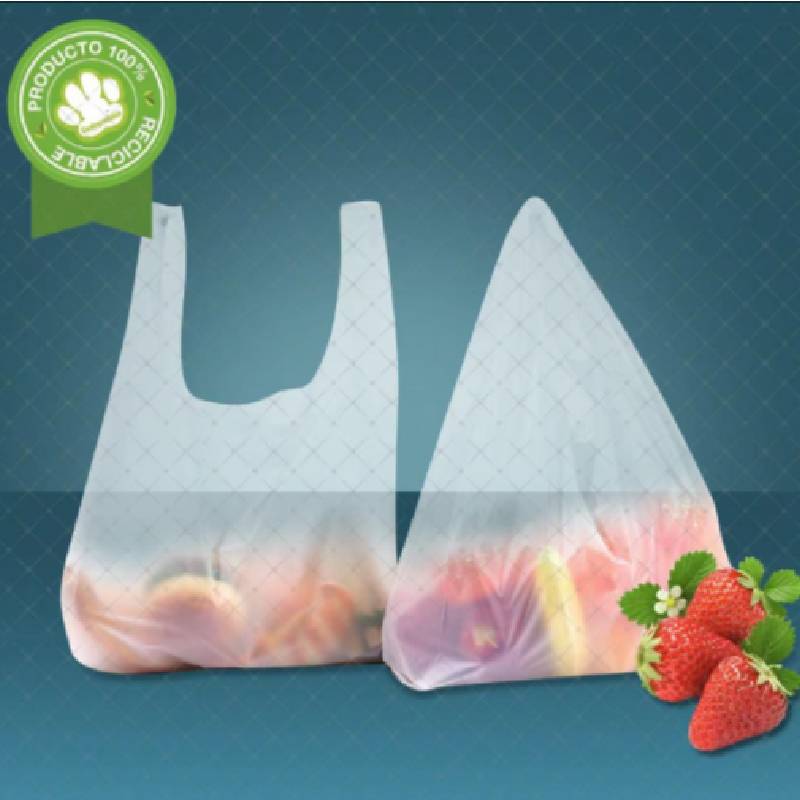
- Sustainability: Many printed parcel bags now use compostable or recycled materials aligning with stricter environmental policies worldwide.
- Brand Recognition: From logo to messaging, the bag becomes a mobile billboard increasing customer engagement.
- Protection & Security: Tear-resistant, tamper-evident, and moisture-protective designs safely deliver contents.
Ultimately, these benefits don’t just add up in dollars and cents; they build trust and a sense of safety in end users—something that, frankly, is priceless.
Future Trends & Innovations
Looking ahead, printed parcel bags are evolving fast. The integration of digital elements — like QR codes linked to tracking or product authenticity — is becoming standard practice. On the sustainability front, ISO 18604 and similar policies push manufacturers toward fully compostable materials.
There's even potential for embedded RFID tags to automate logistics and prevent theft or loss. Automation in printing technology also means more agile production, enabling rapid-response packaging during peak seasons or crises. You might say these bags are becoming smarter without losing their humble role.
Challenges & Solutions
Of course, no technology is perfect. One common challenge is balancing durability with environmental impact — thicker plastics last longer, but standard plastics can linger in landfills. However, innovations in biodegradable polymers and multi-layer materials often bridge this gap.
Production scalability can also be a hurdle for small businesses who want personalized bags but fear bulk minimums. Here, digital print techniques and flexible vendor offerings (like printed parcel bags suppliers) provide lower minimum orders and faster turnaround, leveling the playing field.
FAQs About Printed Parcel Bags
- What materials are best for eco-friendly printed parcel bags?
- The top options include biodegradable polymers such as polylactic acid (PLA), recycled low-density polyethylene (LDPE), and compostable blends that meet certifications like ASTM D6400.
- Can printed parcel bags be custom-sized for unique products?
- Yes, most manufacturers offer customizable dimensions and printing layouts to perfectly fit product shapes, reducing waste and improving presentation.
- How durable are printed parcel bags under extreme weather?
- High-quality bags often include UV inhibitors and moisture barriers, ensuring contents stay safe even in harsh temperatures or rainy conditions.
- Are there digital printing options for small batch orders?
- Absolutely, digital printing technology allows for vibrant designs and even variable printing (e.g., unique QR codes) with lower minimum orders and quicker deliveries.
Conclusion
Printed parcel bags have quietly become an essential element in global shipping, branding, and sustainability efforts. They combine practicality with marketing, protecting goods while telling a story. For businesses and organizations that want to stand out and reduce ecological footprints, printed parcel bags are more than just carriers — they're an investment in trust and future-proof logistics.
If you’re curious to explore high-quality, sustainable printed parcel bags tailored to your needs, check out our selection and join the growing wave of eco-conscious packaging.
Mini takeaway: Printed parcel bags are not merely packaging—they’re a frontline tool for logistics, branding, and sustainability in a globalized world.
References
-
Secure Shipping Guide with Poly Mailer Bubble Wrap SolutionsNewsApr.16,2026
-
Secure Shipping Guide for Using Durable Bubble Parcel BagsNewsApr.09,2026
-
Comprehensive Guide to Poly Mailer Bubble for Secure and Efficient ShippingNewsApr.07,2026
-
Elevate Your Brand with Custom Designer Bubble Mailers for Effective PackagingNewsApr.04,2026
-
Comprehensive Guide to Poly Mailers with Bubble Wrap for Secure ShippingNewsMar.31,2026
-
Comprehensive Guide to Large Bubble Poly Mailers for Secure and Efficient ShippingNewsMar.28,2026
-
Have the freedom of customizing your custom mailers any way you want! Our dedicated packaging support will help deliver you the mailing experience you need to elevate your shipping experience to the next level! Start making a strong impression on your customers and stand out from your competitors! -
LIYA uses high quality raw materials which directly purchased from large enterprises domestic and overseas such as PetroChina, Sinopec, Sabic, Equate, ExxonMobil, Dow Chemical, Total, and Borouge, ensuring the price advantage and quality of the raw materials. -
LIYA uses high quality raw materials which directly purchased from large enterprises domestic and overseas such as PetroChina, Sinopec, Sabic, Equate, ExxonMobil, Dow Chemical, Total, and Borouge, ensuring the price advantage and quality of the raw materials.
 English
  Arabic
  China
China  French
  Korean
  Russian
  Spanish