The Definitive Guide to Colorful Shipping Bags: Benefits, Uses & Trends
Colorful Shipping Bags: A Practical Solution with Global Impact
At first glance, colorful shipping bags might not seem like a big deal. But when you step back and consider their role in global logistics and humanitarian aid, their impact becomes clear. Shipping bags—especially those that are vibrant and color-coded—help streamline operations, add layers of security, and even support sustainability. Understanding these bags isn’t just about packaging; it’s about enhancing supply chains and improving lives around the world.
Why Colorful Shipping Bags Matter Globally
In the ever-evolving landscape of global trade and aid, efficient packaging solutions have become critical. According to the ISO, packaging standards are instrumental for safe and effective transport. Colorful shipping bags stand out not just for their visual appeal but because they introduce a system of organization and identification vital for speed and accuracy.
Frankly, global supply chains face enormous complexity. A World Bank report highlighted that inefficiencies in logistics cost developing countries up to 20% of their GDP. So, the challenge is clear: how to cut down errors and delays? Colorful shipping bags provide a surprisingly simple, effective answer.
What Are Colorful Shipping Bags?
Simply put, colorful shipping bags are durable, often waterproof bags used to package, protect, and identify goods during transport. The “colorful” aspect is more than aesthetics—it’s a functional choice to separate product categories, prioritize orders, or signify destination zones.
In modern industry, these bags have evolved beyond mere carriers. Humanitarian organizations use them in disaster zones to tag medical supplies, food, and shelter materials. The vibrant colors ease on-site logistics where time is short and stakes are enormous.
Key Aspects of Colorful Shipping Bags
Durability
These bags are typically made from heavy-duty polyethylene or polypropylene fabrics, offering resistance to tears, moisture, and rough handling. In shipping, durability means items arrive intact—especially critical for fragile or perishable goods.
Color Coding & Scalability
Color coding simplifies sorting and identification at every stage. Whether differentiating hazard materials or distinguishing regional shipments, the scalability of this color system ties directly into logistics efficiency.
Cost Efficiency
While colorful bags might cost marginally more than plain ones, the gains in speed and error reduction more than offset this. Bulk manufacturers usually offer competitive pricing, and as demand grows, these costs dip further.
Sustainability
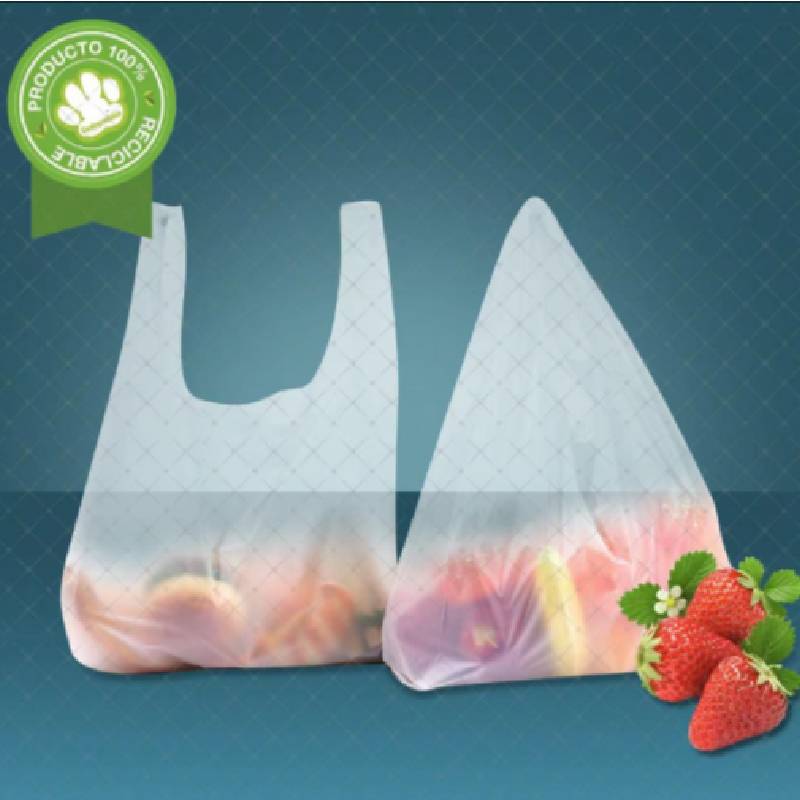
More vendors are offering bags made from recycled or biodegradable materials. Given global commitments like the UN Sustainable Development Goals, integrating eco-friendly shipping bags aligns with corporate responsibility trends.
Customization
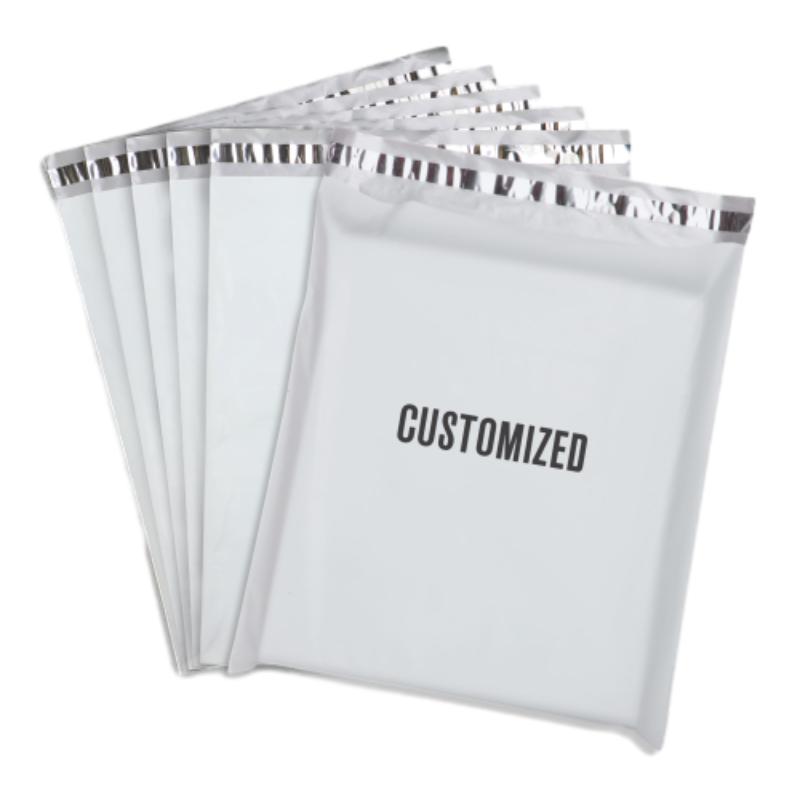
Printing logos or instructions directly onto bags helps blend branding with utility. Some companies incorporate QR codes or RFID tags to improve traceability, blending colorful design with tech innovation.
Real-World Uses of Colorful Shipping Bags
- Disaster Relief: After natural disasters, vibrant bags serve as quick visual cues for emergency crews separating medical, food, and shelter supplies.
- Pharmaceutical Industry: In hospitals and clinics, different colors denote contents and urgency levels.
- Retail & E-commerce: By color-coding packages, warehouses speed up order fulfillment.
- Remote Industrial Zones: Using color-coded bags helps maintain order amid challenging logistics settings and limited resources.
Oddly enough, something as simple as color coding has become a linchpin for efficiency across sectors, a fact many logistics experts readily acknowledge.
Advantages & Long-Term Benefits
Using colorful shipping bags offers tangible benefits:
- Increased operational speed: Identification errors plummet, speeding up customs clearance and delivery.
- Boosts safety and compliance: Colors can designate dangerous materials, reducing accidents.
- Enhances sustainability: Many bags now have eco-friendly credentials.
- Improves brand image: Customized, colorful packaging signals professionalism and care.
From a human perspective, these bags help maintain dignity in humanitarian aid, ensuring vital supplies reach people quickly and safely. This mix of emotional resonance and hard data makes them a surprisingly powerful tool.
Product Specification Table: Typical Colorful Shipping Bag
| Feature | Specification |
|---|---|
| Material | Heavy-duty polyethylene (recyclable options available) |
| Dimensions | Customizable; typical sizes range from 30cm x 40cm to 60cm x 80cm |
| Color Options | Solid colors: red, blue, green, yellow, orange, purple, and more |
| Closure Type | Zip lock, adhesive strip, or heat seal |
| Additional Features | Custom printing, QR code integration, biodegradable variants |
Vendor Comparison: Leading Colorful Shipping Bag Providers
| Vendor | Material Quality | Customization Options | Sustainability | Price Level |
|---|---|---|---|---|
| LiyaBioBag | Premium recycled polyethylene | Full-color printing and QR codes | Biodegradable & recyclable products | Mid-range |
| GlobalPack Ltd. | Standard polyethylene | Limited colors, basic printing | Limited eco options | Budget |
| EcoWrap Solutions | Biodegradable polymers | Color print on demand | >90% compostable | Premium |
Future Trends & Innovations
The future of colorful shipping bags is quite exciting. With advancements in smart packaging, we’re seeing an uptick in bags embedded with QR codes and RFID chips to improve real-time tracking. There's also a strong push for greener materials, spurred by stricter environmental regulations globally.
Automation in warehouses is leaning heavily on color-coded bagging systems to feed artificial intelligence models that enhance sorting speeds. Plus, new biodegradable composites are under research to reduce landfill waste. Oddly enough, this humble bag may soon pack quite a technological punch.
Challenges & Pragmatic Solutions
Challenges persist: moisture resistance versus biodegradability is a tricky balance. Sometimes colorful dyes can limit recyclability, and inconsistent supplier quality poses risks.
Experts recommend sourcing from vendors committed to both quality and sustainability, like LiyaBioBag. Implementing strict quality control and investing in end-user training can drastically reduce returns and waste. Frankly, it’s a combination of good materials and human know-how that drives success.
FAQ: Frequently Asked Questions About Colorful Shipping Bags
- Q: What advantages do colorful shipping bags have over plain ones?
A: Colorful bags allow quick visual sorting and identification, reducing errors during shipping and handling. They also provide branding benefits and help ensure compliance through color-coded safety distinctions. - Q: Are colorful shipping bags eco-friendly?
A: Many vendors now offer bags made from recycled or biodegradable materials. While not every colorful bag is eco-friendly by default, options exist to balance vibrancy with sustainability goals. - Q: Can I customize colorful shipping bags with my company logo?
A: Yes! Many suppliers provide full customization, including logos, product info, QR codes, and more. This enhances brand awareness and facilitates logistics tracking. - Q: How durable are colorful shipping bags for long-distance shipping?
A: Most colorful bags are designed with heavy-duty polyethylene or polypropylene, ensuring strong resistance to tears and moisture over long hauls. Proper sealing doubles protection. - Q: How do these bags help humanitarian efforts?
A: Color-coded bags play a crucial role in rapid sorting and distribution of aid supplies, reducing confusion in high-pressure environments and ensuring timely delivery of essentials.
Conclusion
Colorful shipping bags may seem modest, but their role in modern logistics and humanitarian contexts is anything but. They combine practicality with innovation, providing durability, identification clarity, and sustainability. Their long-term benefits include cost savings, environmental impact reduction, and enhanced operational trust.
For businesses or organizations looking to upgrade their supply chain packaging, exploring customizable colorful shipping bags is well worth it. Curious to learn more? Visit the colorful shipping bags page for in-depth options and advice.
Ultimately, as global trade and aid evolve, these vibrant bags will continue to embody a blend of utility and care—a subtle but significant thread in the fabric of worldwide commerce and relief efforts.
Mini takeaway: Sometimes it’s the small, colorful things that keep big systems moving smoothly.
References:
-
Secure Shipping Guide with Poly Mailer Bubble Wrap SolutionsNewsApr.16,2026
-
Secure Shipping Guide for Using Durable Bubble Parcel BagsNewsApr.09,2026
-
Comprehensive Guide to Poly Mailer Bubble for Secure and Efficient ShippingNewsApr.07,2026
-
Elevate Your Brand with Custom Designer Bubble Mailers for Effective PackagingNewsApr.04,2026
-
Comprehensive Guide to Poly Mailers with Bubble Wrap for Secure ShippingNewsMar.31,2026
-
Comprehensive Guide to Large Bubble Poly Mailers for Secure and Efficient ShippingNewsMar.28,2026
-
Have the freedom of customizing your custom mailers any way you want! Our dedicated packaging support will help deliver you the mailing experience you need to elevate your shipping experience to the next level! Start making a strong impression on your customers and stand out from your competitors! -
LIYA uses high quality raw materials which directly purchased from large enterprises domestic and overseas such as PetroChina, Sinopec, Sabic, Equate, ExxonMobil, Dow Chemical, Total, and Borouge, ensuring the price advantage and quality of the raw materials. -
LIYA uses high quality raw materials which directly purchased from large enterprises domestic and overseas such as PetroChina, Sinopec, Sabic, Equate, ExxonMobil, Dow Chemical, Total, and Borouge, ensuring the price advantage and quality of the raw materials.
 English
  Arabic
  China
China  French
  Korean
  Russian
  Spanish