The Mail Man Bag: A Practical, Durable Companion for Global Delivery Services
Understanding the Mail Man Bag: A Timeless Essential in Modern Delivery
In the fast-moving world of logistics and personal convenience, the mail man bag quietly holds its place as a trusted, practical accessory. It’s not just a bag; it’s a tool that has helped shape postal services for centuries, adapting to new demands while keeping the core function intact. Globally, as e-commerce and personal couriers boom, understanding the mail man bag’s role and design offers valuable insight into an often overlooked yet crucial part of daily life and business operations.
Why does it matter? Well, in a world shipping billions of parcels annually — the Universal Postal Union reports over 300 billion mail items per year — the mail man bag plays a small but direct role in efficiency and trust in postal and delivery services. It’s exactly the kind of detail that keeps everything flowing smoothly, especially in times and places where digital tracking and automated systems can’t fully replace hands-on care.
Global Context: The Mail Man Bag’s Ongoing Relevance
The postal industry is behemoth, with over 600,000 postal facilities worldwide serving urban and rural areas alike. Oddly enough, even in the digital age, physical mail and parcel delivery still thrive. The World Bank notes the rise in e-commerce has increased parcel volumes globally at nearly 15% annually. This growth heightens the demand for reliable delivery tools, such as the mail man bag — which remains a frontline companion in this global logistics web.
But there’s a challenge: postal workers and couriers face physical stresses and route pressures. Enter the mail man bag, designed to ease those pressures by optimizing how items are carried and accessed on the go.
What Is a Mail Man Bag?
Simply put, a mail man bag is a specialized carrier traditionally worn over the shoulder, designed to hold letters, parcels, and delivery documents securely during postal routes. Classic but far from obsolete, today these bags blend tradition with modern advances — durable fabrics, ergonomic design, and reflective safety features.
In both urban centers and remote communities, this bag connects postal workers, couriers, and their deliveries — maintaining the dignity and efficiency of physical mail delivery. It also serves emerging modern needs across sectors, like secure document transport in banks, or tool carrying in utility and service sectors.
Key Components of a Mail Man Bag
1. Durability
Made from tough fabrics like ballistic nylon or canvas, these bags resist weather, tearing, and repeated handling. Postal workers often report their bags lasting multiple years despite daily wear — a testament to the vital need for longevity.
2. Capacity & Organization
Compartments and dividers help sort letters and parcels, allowing quick access to frequently delivered items. Some models feature waterproof liners for added protection from the elements.
3. Ergonomics & Comfort
Shoulder pads, adjustable straps, and lightweight materials reduce fatigue. Given routes often stretch for miles, comfort is key.
4. Safety Features
Reflective strips or bright colors aid visibility on early morning or late evening shifts, crucial in busy or dimly lit streets.
5. Security
Lockable or zippered compartments help protect sensitive mail and avoid accidental losses.
6. Adaptability
Some mail man bags convert into backpacks or messenger bags, allowing versatility depending on the courier’s needs or terrain.
| Feature | Details |
|---|---|
| Material | Water-resistant nylon or canvas |
| Capacity | 10–15 liters |
| Weight | 500–700 grams empty |
| Dimensions | Approx. 35 x 30 x 15 cm |
| Special Features | Reflective strips, adjustable padded strap, waterproof lining |
Global Applications & Use Cases
The mail man bag is truly global in application. From France’s well-known “sacoche postale” to postal workers in Japan, Nigeria, and Brazil, these bags help millions daily. They’re not just for letters — parcels for e-commerce companies like DHL, FedEx, and USPS increasingly rely on versatile carrying cases that accommodate new packaging sizes.
In humanitarian missions, relief workers or NGO couriers use similar bags to transport critical documents and supplies, especially in disaster-prone zones (UNHCR reports the necessity of reliable transport gear during refugee aid). Remote industrial sites, where on-foot delivery remains critical, also benefit immensely.
| Brand | Material | Average Price | Unique Feature |
|---|---|---|---|
| Liya BioBag | Eco-friendly nylon blend | $75 | Biodegradable and waterproof lining |
| PostMaster Pro | Ballistic nylon | $65 | Enhanced ergonomic strap |
| Urban Courier | Waxed canvas | $85 | Classic vintage style with modern reinforcement |
Advantages & Long-Term Value
There’s something deeply reassuring about a well-made mail man bag. Beyond functional benefits — like organizing one’s route or protecting contents — the emotional lift cannot be ignored. Postal workers often describe feeling pride and professionalism supported by their equipment. It’s about trust, too: customers rely on a secure, intact mail delivery, and this bag helps deliver just that.
On the logical side, durable, reusable bags reduce waste compared to disposable boxes or plastic envelopes. Over time, this translates into sustainability gains significant enough to align with the growing corporate responsibility standards postal operators are adopting (ISO 14001 environmental management systems, for one).
Emerging Trends and Innovations
Innovation in mail man bags follows broader technological currents. Imagine smart fabrics that change color under UV, or RFID-enabled compartments that track mail items in real time. Some brands are experimenting with solar-charging panels embedded in bags for couriers to charge devices on the go, enhancing communication and tracking.
Green energy and environmentally conscious materials are reshaping production, too. New composites with recycled fibers or biodegradable coatings are becoming industry standards. The mail man bag is not just a relic; it’s evolving alongside smart cities, green policies, and digital logistics systems — a quiet cornerstone of sustainable delivery.
Challenges & Expert Solutions
Of course, no tool is perfect. Some couriers mention that even the best bags can become cumbersome during long walking routes or in heavy rain. Moreover, cost constraints sometimes mean cheaper materials are used, sacrificing durability and sustainability.
Solutions? Manufacturers are increasingly focused on modular designs — detachable compartments, weatherproof upgrades, and ergonomic tweaks informed by user feedback. Courier companies collaborating with product designers allow continuous improvements, making the bags lighter, safer, and longer-lasting.
FAQ: Frequently Asked Questions About Mail Man Bags
- Q: What materials make for the best mail man bag?
A: Durable, weather-resistant fabrics like ballistic nylon or treated canvas are preferred. Increasingly, eco-friendly and biodegradable materials are gaining traction without sacrificing durability. - Q: Can the mail man bag handle electronic devices or fragile parcels?
A: Many models include padded compartments to protect sensitive items like tablets or fragile documents, ensuring delivery safety. - Q: Are mail man bags customizable for different delivery needs?
A: Yes, modular designs and adjustable compartments allow customization based on route size, parcel type, or personal comfort. - Q: How do mail man bags contribute to sustainability?
A: By replacing single-use packaging and using long-lasting, recyclable materials, these bags reduce environmental waste in logistics. - Q: Where can I buy reliable mail man bags?
A: Reputable vendors like Liya BioBag offer professional-grade, eco-conscious options trusted in the logistics field.
Conclusion
Though simple in concept, the mail man bag remains a profoundly effective tool, crucial to the global delivery ecosystem. It’s a perfect example of form meeting function — durability, comfort, and innovation all wrapped into one reliable shoulder strap. Moving forward, as demands and technologies change, the mail man bag will adapt, continuing to provide value for workers and the communities they serve.
If you’re curious about upgrading your delivery gear or just want to explore modern, sustainable mail man bags, visit https://www.liyabiobag.com for options that combine tradition with today’s innovations.
Small takeaway: The next time you receive a letter or parcel, remember the humble mail man bag — quietly enabling seamless delivery, one strap at a time.
References
-
Secure Shipping Guide with Poly Mailer Bubble Wrap SolutionsNewsApr.16,2026
-
Secure Shipping Guide for Using Durable Bubble Parcel BagsNewsApr.09,2026
-
Comprehensive Guide to Poly Mailer Bubble for Secure and Efficient ShippingNewsApr.07,2026
-
Elevate Your Brand with Custom Designer Bubble Mailers for Effective PackagingNewsApr.04,2026
-
Comprehensive Guide to Poly Mailers with Bubble Wrap for Secure ShippingNewsMar.31,2026
-
Comprehensive Guide to Large Bubble Poly Mailers for Secure and Efficient ShippingNewsMar.28,2026
-
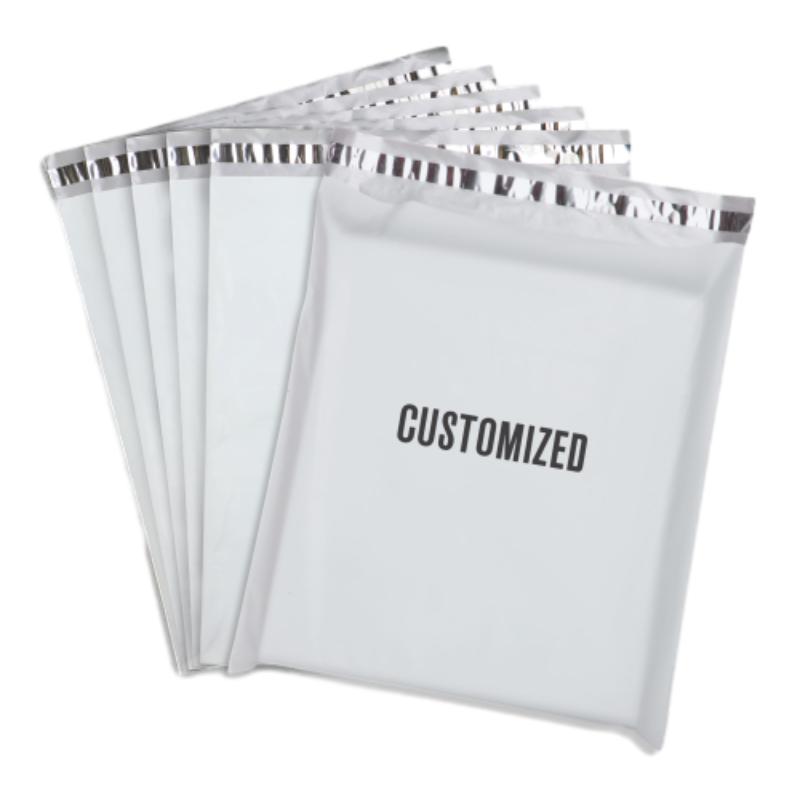
Have the freedom of customizing your custom mailers any way you want! Our dedicated packaging support will help deliver you the mailing experience you need to elevate your shipping experience to the next level! Start making a strong impression on your customers and stand out from your competitors! -
LIYA uses high quality raw materials which directly purchased from large enterprises domestic and overseas such as PetroChina, Sinopec, Sabic, Equate, ExxonMobil, Dow Chemical, Total, and Borouge, ensuring the price advantage and quality of the raw materials. -
LIYA uses high quality raw materials which directly purchased from large enterprises domestic and overseas such as PetroChina, Sinopec, Sabic, Equate, ExxonMobil, Dow Chemical, Total, and Borouge, ensuring the price advantage and quality of the raw materials.


 English
  Arabic
  China
China  French
  Korean
  Russian
  Spanish