What Are Postage Pouches? A Global Guide to Secure and Sustainable Mail Solutions
Understanding Postage Pouches: Essential Tools for Secure and Efficient Shipping
Postage pouches might not be the most glamorous part of postal logistics, but their global importance is undeniable. These simple yet sophisticated packaging solutions help postal services, courier companies, and businesses worldwide secure and transport documents, sensitive items, and small parcels efficiently and reliably. In our increasingly interconnected world, understanding postage pouches isn't just a curiosity — it's a practical necessity for industries relying on secure mail transfer, from e-commerce giants to humanitarian agencies.
Introduction: The Global Relevance of Postage Pouches
Globally, postal and courier volume continues to rise, fueled by e-commerce and international trade. According to the United Nations' Universal Postal Union (UPU), over 400 billion mail items were processed worldwide in 2022 alone. Within this massive logistical ecosystem, postage pouches play a vital role ensuring secure and organized transport of certain types of mail and documents, particularly where tracking and protection from tampering are paramount.
However, one challenge these pouches tackle head-on is security in transit. Postal theft, document loss, and parcel damage remain thorny issues, especially in remote or high-risk regions. Postage pouches, therefore, aren’t just packaging—they are a trust mechanism. Understanding their design and usage can help businesses and governments improve reliability and customer satisfaction.
What Exactly Are Postage Pouches?
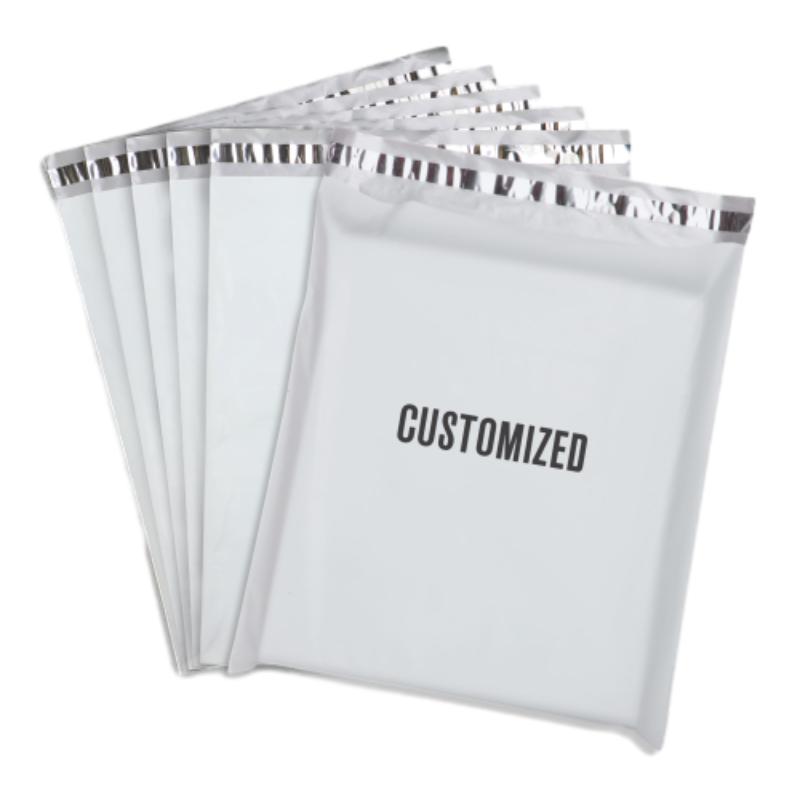
Put simply, postage pouches are sealable, durable envelopes or bags designed to hold letters, documents, or small parcels securely during transit. They often feature tamper-evident seals, water resistance, and labeling surfaces for barcodes or postage stamps. Unlike regular envelopes, postage pouches are made with materials optimized for transport rigors, especially in bulk mail shipments and cross-border exchanges.
In the modern industry context, postage pouches help harmonize operations across sorting centers and international destinations. They also serve critical humanitarian functions; for instance, reliable document dispatch in disaster zones or wartime postal services.
Key Factors of Postage Pouches
1. Durability
They must resist tearing, moisture, or damage due to rough handling. Materials such as reinforced polyethylene or biodegradable laminates are common. Durability ensures contents remain intact over long distances.
2. Security and Tamper Evident Features
Security seals or tear-strip closures warn of unauthorized access. This reduces mail theft and loss, which is crucial for confidential documents.
3. Scalability
Postage pouches come in various sizes to fit everything from individual letters to bulky documents. Scalability enables seamless integration into large-scale sorting and delivery operations.
4. Cost Efficiency
They must balance robust qualities with affordability—bulk postal services appreciate cost-effective solutions that don’t sacrifice security or durability.
5. Environmental Sustainability
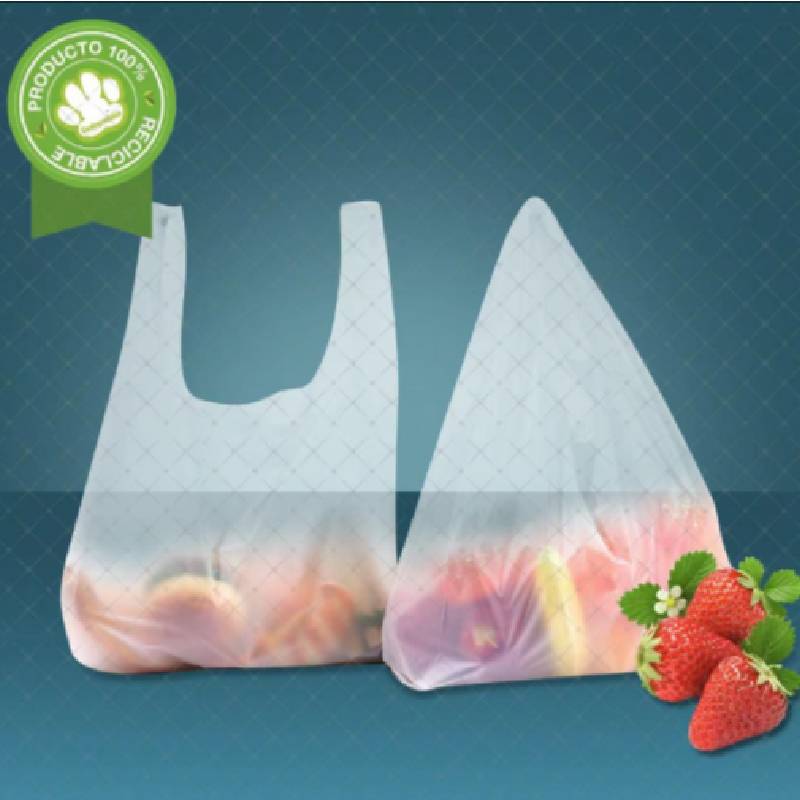
Innovations in recyclable or compostable postage pouches meet growing demand for greener packaging.
Postage Pouches in Action: Global Applications & Use Cases
- Postal Services: National postal carriers use postage pouches extensively for sensitive government mail, passports, or registered correspondence.
- E-commerce: Online retailers rely on secure postage pouches for shipping contracts, invoices, or return documents alongside parcels.
- Disaster Relief: In post-disaster relief operations in Southeast Asia, secure postage pouches have facilitated rapid dispatch of aid-related documents and IDs.
- Legal and Financial Sectors: Banks and law firms dispatch confidential papers using tamper-evident pouches to protect client privacy.
Oddly enough, despite being humble packaging, these pouches form a backbone of trust in logistics across many settings.
Advantages and Long-Term Value of Postage Pouches
In real terms, postage pouches offer tangible benefits:
- Cost Savings: Reduced loss and damage lead to fewer reimbursements and reships.
- Sustainability: New recyclable options reduce environmental impact and align with corporate responsibility.
- Reliability and Trust: Customers and recipients value the security and professionalism conveyed by postage pouches.
- Social Impact: Aid organizations deliver sensitive documents respectfully and safely.
- Innovation: Incorporating QR codes and smart tracking technologies in some pouches means streamlined tracking and sorting.
Product Specification Table: Typical Postage Pouch Characteristics
| Specification | Typical Value | Notes |
|---|---|---|
| Material | Reinforced polyethylene / Biodegradable laminate | Depends on product tier and eco-focus |
| Seal Type | Tamper-evident adhesive strip | Ensures security |
| Sizes Available | Multiple; 100mm x 150mm to 300mm x 400mm | Fits various document and parcel sizes |
| Water Resistance | High | Protects contents in wet conditions |
| Eco-Friendly Options | Yes, compostable film variants | Growing trend |
Vendor Comparison Table: Popular Postage Pouch Suppliers
| Vendor | Material Quality | Price Per Unit | Eco-Friendly Options | Global Shipping |
|---|---|---|---|---|
| Liya BioBag | High-grade biodegradable film | $$ | Yes | Worldwide |
| Global Mail Solutions | Standard polyethylene | $ | Limited | Europe, Asia |
| Secura Packs | Reinforced laminated film | $$$ | No | North America only |
Future Trends and Innovations
The realm of postage pouches is quietly evolving. For one, biodegradable and compostable materials are becoming more prevalent as postal services strive to reduce plastic waste—this aligns with ISO 18601 environmental management standards.
Smart pouches embedded with QR codes or NFC (near field communication) tags are another exciting trend. Such tech enables automatic scanning, tracking, and inventory updates without manual intervention. Frankly, it streamlines processing centers from sorting to delivery.
Automation in sealing and labeling is also advancing, supporting higher volumes and consistent application of tamper-evident seals.
Challenges and Practical Solutions
Of course, postage pouches come with challenges. Environmental concerns over single-use plastics still linger despite greener options. Sometimes, compatibility with automated sorting machines can be an issue if sizes or materials vary too much.
Addressing these requires collaboration between manufacturers, postal authorities, and technology providers. Customization based on specific transport conditions and customer needs proves essential, I’ve noticed many engineers say.
FAQ: Common Questions About Postage Pouches
- What materials are best for environmentally friendly postage pouches?
- Biodegradable films like PLA (polylactic acid) laminated with recycled paper are currently preferred for eco-friendly postage pouches. They decompose naturally and reduce plastic pollution while maintaining durability for transit protection.
- Can postage pouches be reused or recycled?
- Most postage pouches are designed for single use due to security concerns but recycle-compatibility depends on material. Compostable variants can break down in industrial composting facilities, while some polyethylene-based ones may be recyclable with proper processing.
- How do tamper-evident seals enhance security?
- These seals visually indicate if a pouch has been opened or interfered with during shipment, deterring theft and prompting investigation if breach attempts occur.
- Are postage pouches customizable in size and branding?
- Yes, many vendors offer custom sizes and printed branding or labeling fields to tailor pouches to specific logistics or marketing needs.
- Where can I source high-quality postage pouches globally?
- Several specialized manufacturers like Liya BioBag supply high-quality postage pouches worldwide, with eco-friendly and customizable options.
Final Thoughts + Call to Action
At the end of the day, postage pouches represent more than just containers — they are critical enablers of trust, security, and efficiency in postal delivery worldwide. Investing in the right postage pouches means safeguarding your shipments, aligning with sustainable practices, and ultimately enhancing customer confidence.
If you’re looking to improve your packaging solutions with reliable, eco-conscious postage pouches, I suggest exploring options like postage pouches from experienced vendors. Their expertise not only ensures quality but also practical insights tailored to your business needs.
Who would have thought such a humble pouch could carry so much importance?
Summary takeaway: Postage pouches—simple, secure, sustainable.
References:
-
Secure Shipping Guide with Poly Mailer Bubble Wrap SolutionsNewsApr.16,2026
-
Secure Shipping Guide for Using Durable Bubble Parcel BagsNewsApr.09,2026
-
Comprehensive Guide to Poly Mailer Bubble for Secure and Efficient ShippingNewsApr.07,2026
-
Elevate Your Brand with Custom Designer Bubble Mailers for Effective PackagingNewsApr.04,2026
-
Comprehensive Guide to Poly Mailers with Bubble Wrap for Secure ShippingNewsMar.31,2026
-
Comprehensive Guide to Large Bubble Poly Mailers for Secure and Efficient ShippingNewsMar.28,2026
-
Have the freedom of customizing your custom mailers any way you want! Our dedicated packaging support will help deliver you the mailing experience you need to elevate your shipping experience to the next level! Start making a strong impression on your customers and stand out from your competitors! -
LIYA uses high quality raw materials which directly purchased from large enterprises domestic and overseas such as PetroChina, Sinopec, Sabic, Equate, ExxonMobil, Dow Chemical, Total, and Borouge, ensuring the price advantage and quality of the raw materials. -
LIYA uses high quality raw materials which directly purchased from large enterprises domestic and overseas such as PetroChina, Sinopec, Sabic, Equate, ExxonMobil, Dow Chemical, Total, and Borouge, ensuring the price advantage and quality of the raw materials.
 English
  Arabic
  China
China  French
  Korean
  Russian
  Spanish