The demand for robust and reliable packaging solutions is a global concern, affecting industries from postal services and logistics to humanitarian aid and industrial material handling. mail sacks for sale are a critical component in ensuring the safe and efficient transport of goods, documents, and essential supplies worldwide. Understanding the varying types, applications, and evolving technologies surrounding mail sacks is crucial for businesses and organizations striving for optimized supply chains and responsible resource management.
Historically, mail sacks were primarily constructed from durable textiles like canvas and jute. Today, a diverse range of materials – including polypropylene, polyethylene, and specialized bio-based polymers – are utilized, each offering unique benefits in terms of strength, weather resistance, and cost-effectiveness. This evolution reflects a broader trend towards innovation in packaging to meet increasingly complex logistical demands. The global market for efficient transport packaging, including mail sacks for sale, is experiencing sustained growth.
The importance of mail sacks extends beyond simple containment; they play a vital role in maintaining the integrity of contents during transit, safeguarding against damage, theft, and environmental factors. A well-chosen mail sack can significantly reduce loss rates, minimize operational costs, and contribute to a more sustainable supply chain. Investment in high-quality mail sacks for sale is therefore not merely an expense, but a strategic investment in efficiency and reliability.
The Global Significance of Mail Sacks for Sale
The need for secure and efficient parcel and document transport is universal. The United Nations estimates that over 20 billion parcels are shipped annually globally, a figure projected to increase significantly with the growth of e-commerce. mail sacks for sale play an indispensable role in this network, ensuring items reach their destination safely and on time. This is especially critical in developing nations where robust infrastructure may be lacking.
The ISO 9001 standard for quality management systems recognizes the importance of packaging in maintaining product integrity throughout the supply chain. Businesses adhering to this standard often prioritize the use of high-quality mail sacks for sale to minimize damage claims and enhance customer satisfaction. The World Bank also highlights the correlation between efficient logistics and economic growth, emphasizing the importance of reliable packaging solutions like these.
Defining Mail Sacks for Sale
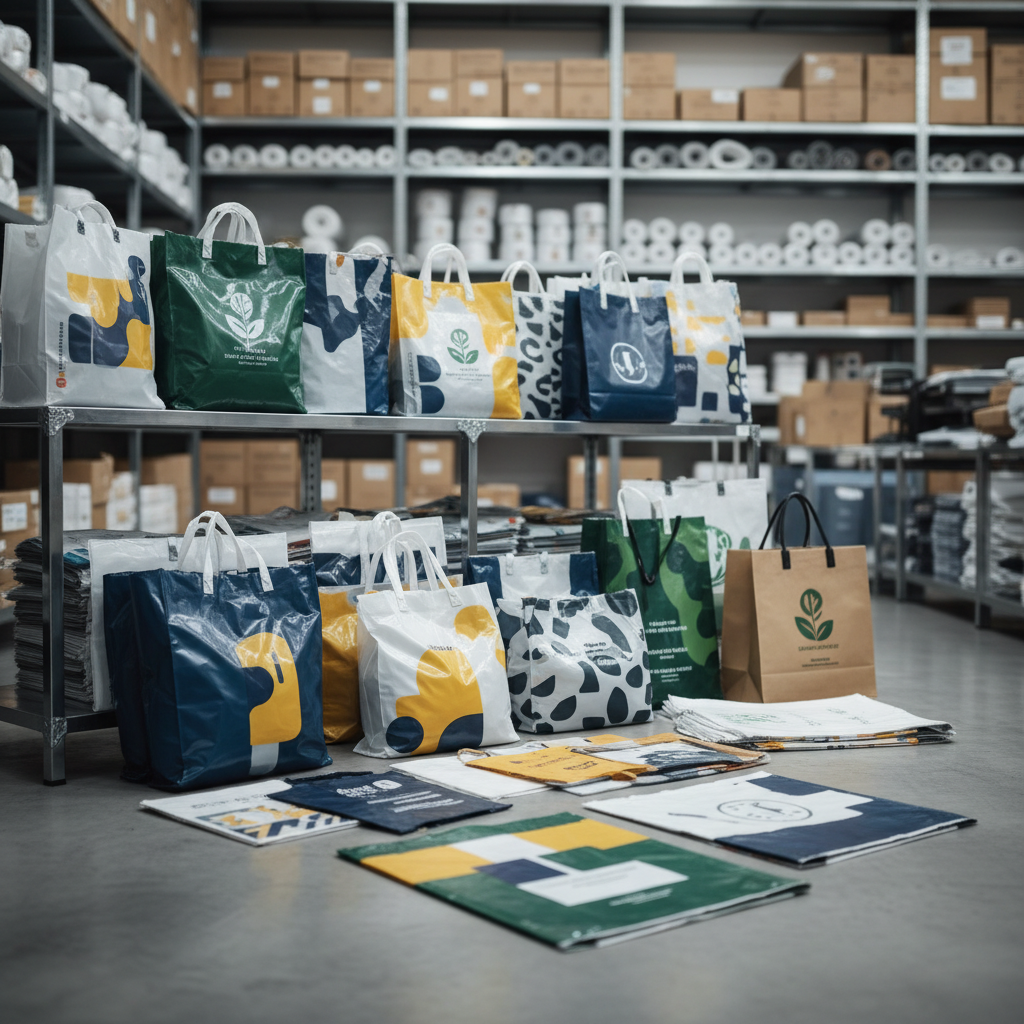
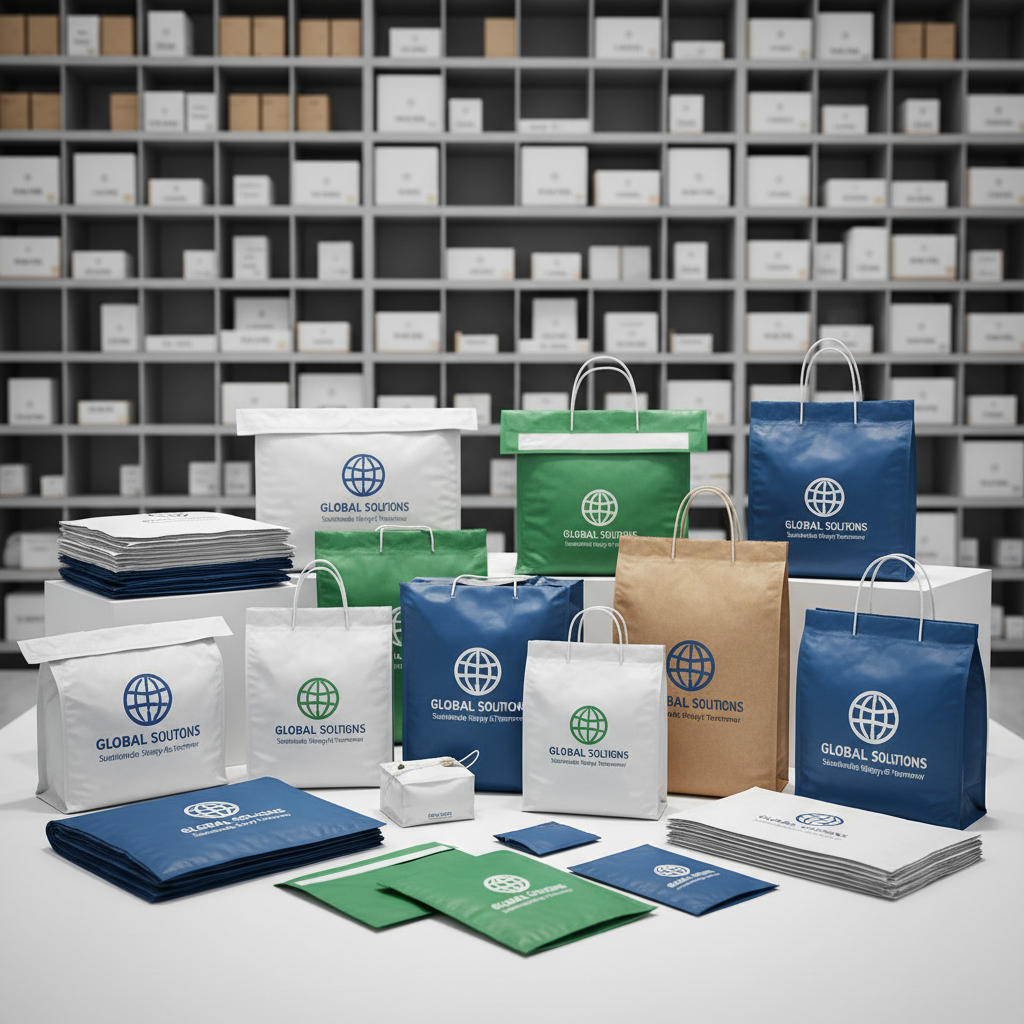
Simply put, mail sacks for sale are robust, typically flexible containers designed for the secure transport of mail, packages, documents, and other goods. Historically made from canvas or jute, modern mail sacks are increasingly manufactured from durable synthetic materials like polypropylene and polyethylene, offering improved resistance to wear, tear, and environmental elements. They come in a variety of sizes and designs to accommodate different volumes and types of contents.
The connection to modern industry extends far beyond traditional postal services. Today, mail sacks are widely used in logistics, courier services, warehousing, and even humanitarian aid organizations. Their ability to securely contain and protect goods during transport makes them essential components of complex supply chains. The adaptability and cost-effectiveness of mail sacks for sale solidify their relevance.
In the context of humanitarian relief, secure and identifiable mail sacks for sale are vital for delivering essential supplies to disaster-stricken areas. They allow for efficient organization and tracking of aid shipments, ensuring that critical resources reach those in need swiftly and securely.
Core Characteristics of High-Quality Mail Sacks
A truly effective mail sack is defined by a combination of key characteristics. Durability is paramount, ensuring the sack can withstand the rigors of handling and transport. This includes resistance to tearing, puncturing, and abrasion. Equally important is security - a well-designed mail sack will be tamper-evident and provide a reliable barrier against theft or damage to its contents.
Water resistance is another crucial factor, protecting contents from rain, humidity, and other environmental hazards. Additionally, effective mail sacks are designed for efficient handling, often featuring reinforced handles and a wide opening for easy loading and unloading. Choosing the right material and construction techniques are key to maximizing these characteristics, and finding reputable mail sacks for sale providers is vital.
Finally, consider the sack’s weight capacity. Overloading a mail sack can compromise its integrity and lead to damage or failure. Selecting a sack with an appropriate weight rating for the intended contents is essential for safe and reliable transport.
Key Factors Influencing Mail Sack Selection
Choosing the right mail sack depends on several key factors. First and foremost is the nature of the contents being transported. Fragile items require sacks with enhanced cushioning and protection, while heavier items necessitate stronger materials and reinforced construction. The intended mode of transport – whether by road, rail, air, or sea – also influences the required level of durability and weather resistance.
Cost-effectiveness is another important consideration. While investing in high-quality mail sacks for sale can yield long-term benefits, it's crucial to balance quality with budgetary constraints. Consider the total cost of ownership, including the potential for damage claims and replacement costs, when evaluating different options.
Comparative Analysis of Mail Sack Materials
Global Applications and Use Cases for Mail Sacks
In post-disaster relief operations, mail sacks for sale are crucial for transporting essential supplies like food, water, and medical equipment to affected populations. Their durability and water resistance are particularly valuable in challenging environments. Organizations like the Red Cross and Doctors Without Borders rely heavily on these solutions.
In remote industrial zones, where logistical infrastructure may be limited, mail sacks provide a cost-effective and reliable means of transporting materials and equipment. Mining operations, construction sites, and agricultural facilities often utilize mail sacks for internal logistics and transport to and from supply hubs.
Advantages and Long-Term Value of Mail Sacks
The tangible benefits of using high-quality mail sacks for sale include reduced shipping costs due to minimized damage and loss, increased operational efficiency through streamlined handling, and enhanced customer satisfaction resulting from reliable delivery. From a sustainability perspective, durable mail sacks can be reused multiple times, reducing waste and minimizing environmental impact.
Beyond the practical advantages, there's an element of trust and professionalism conveyed by using well-maintained and reliable packaging. Customers are more likely to perceive a business as credible and trustworthy when their goods are delivered securely and in good condition. Investing in quality mail sacks for sale demonstrates a commitment to both operational excellence and customer care.
Future Trends and Innovations in Mail Sack Technology
The future of mail sack technology is likely to be shaped by several key trends. The development of more sustainable and biodegradable materials is a growing priority, driven by increasing environmental concerns. We can expect to see greater adoption of bio-based polymers and recycled materials in mail sack manufacturing.
Digital transformation will also play a role, with the integration of RFID tags and other tracking technologies enabling real-time monitoring of shipments and enhanced supply chain visibility. Automation in handling and sorting processes will further drive demand for mail sacks designed for efficient machine processing.
Finally, innovations in sack design, such as self-sealing closures and tamper-evident features, will continue to enhance security and reduce the risk of loss or damage during transport.
Summary of Key Challenges and Potential Solutions
| Challenge |
Impact on Mail Sack Performance |
Potential Solution |
Implementation Cost (1-10) |
| Material Durability |
Increased risk of tearing and damage during transit |
Utilize high-density polyethylene or reinforced polypropylene |
6 |
| Water Resistance |
Potential damage to contents from moisture |
Apply waterproof coatings or use inherently water-resistant materials |
5 |
| Tamper Evidence |
Risk of theft or unauthorized access to contents |
Implement tamper-evident seals and closures |
4 |
| Handling Efficiency |
Increased labor costs and slower processing times |
Design sacks with reinforced handles and wide openings |
3 |
| Sustainability Concerns |
Environmental impact of non-biodegradable materials |
Transition to bio-based polymers and recycled materials |
7 |
| Cost Management |
Balancing quality with budgetary constraints |
Bulk purchasing and exploring alternative suppliers |
2 |
FAQS
Mail sacks are commonly made from materials like polypropylene, polyethylene, canvas, and jute. Polypropylene and polyethylene offer excellent durability and water resistance, while canvas and jute are more traditional options known for their strength and breathability. Increasingly, manufacturers are exploring bio-based polymers for more sustainable options. When sourcing mail sacks for sale, consider the specific needs of your application.
The appropriate size of a mail sack depends on the volume and weight of the items you need to transport. Consider the dimensions of your typical shipments and select a sack that provides ample space without being excessively large and unwieldy. Always check the weight capacity of the sack to avoid overloading and potential damage.
While many mail sacks offer some degree of water resistance, not all are completely waterproof. Polypropylene and polyethylene sacks generally provide better water resistance than canvas or jute. For applications requiring complete waterproofing, consider sacks with a waterproof coating or a sealed design.
To enhance security, choose mail sacks with tamper-evident features, such as sealed closures or unique identification markings. Consider using security tape or labels to further deter unauthorized access. Regularly inspect the sacks for any signs of damage or tampering.
The lifespan of a mail sack depends on the material, usage frequency, and environmental conditions. Durable polypropylene or polyethylene sacks can last for several years with proper care. Canvas and jute sacks may have a shorter lifespan, particularly in harsh environments. Regular inspection and maintenance can extend the life of any mail sack.
Yes, increasingly, manufacturers are offering eco-friendly mail sack options made from recycled materials or bio-based polymers. These options reduce the environmental impact of packaging and contribute to a more sustainable supply chain. Explore mail sacks for sale that prioritize sustainable materials.
Conclusion
In conclusion, mail sacks for sale represent a critical component of global logistics and supply chain management. Their versatility, durability, and cost-effectiveness make them indispensable for a wide range of applications, from traditional postal services to humanitarian aid and industrial material handling. Selecting the right mail sack, based on factors like material, size, and security features, is essential for ensuring the safe and efficient transport of goods.
Looking ahead, innovation in materials and design will continue to drive improvements in mail sack technology, with a growing emphasis on sustainability and digitalization. By embracing these advancements, businesses and organizations can optimize their supply chains, reduce their environmental footprint, and enhance customer satisfaction. Visit our website at www.liyabiobag.com to explore our comprehensive range of high-quality mail sacks and find the perfect solution for your specific needs.


 English
  Arabic
  China
China  French
  Korean
  Russian
  Spanish