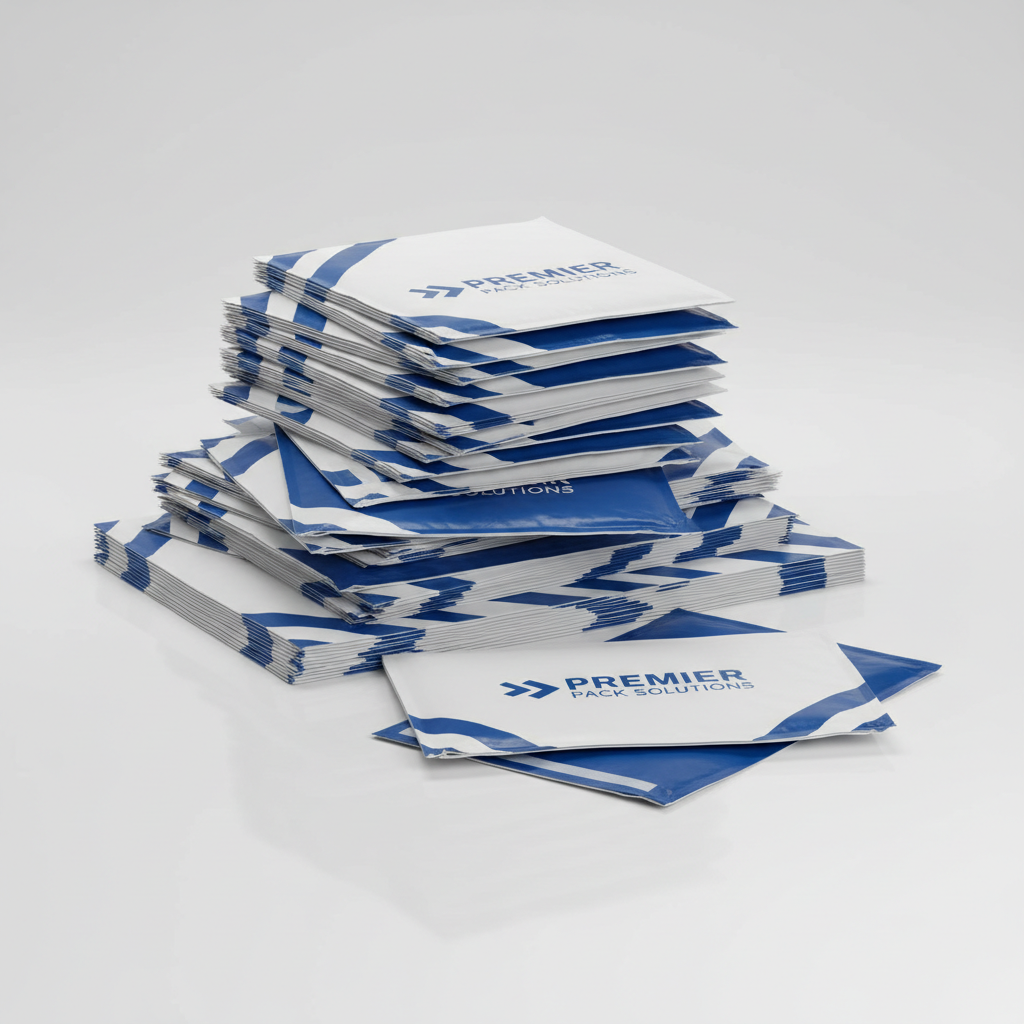
Wholesale mailing bags are integral to modern logistics, e-commerce, and supply chain management. Their affordability, durability, and scalability make them essential for businesses of all sizes. From small online retailers shipping individual orders to large corporations distributing products globally, wholesale mailing bags offer a practical and cost-effective solution for secure and efficient package delivery. Understanding the nuances of these bags – materials, sizes, security features – is crucial for optimizing shipping processes and minimizing costs.
The demand for wholesale mailing bags is steadily increasing, fueled by the continued growth of e-commerce and a globalized marketplace. The UN estimates that global e-commerce sales will reach over $5.5 trillion in 2022, creating a massive need for reliable and affordable packaging solutions. This growth underscores the importance of finding sustainable and cost-effective options, as the environmental impact of packaging waste becomes an increasingly pressing concern. ISO standards for packaging are also driving demand for high-quality, consistently manufactured bags.
Successfully navigating the landscape of wholesale mailing bags requires awareness of available options and their suitability for specific applications. Selecting the correct bag – be it poly mailer, bubble mailer, or biodegradable option – can significantly impact customer satisfaction, shipping costs, and a company’s environmental footprint. It's a seemingly simple item that holds significant implications for modern business practices.
Introduction to Wholesale Mailing Bags
Wholesale mailing bags aren't merely containers; they're a fundamental component of the modern supply chain. The ability to purchase these bags in bulk directly impacts a company's bottom line, reducing per-unit costs and streamlining packaging operations. Choosing the right wholesale supplier and understanding the various bag types available are critical first steps. wholesale mailing bags provide a crucial service for businesses of all scales.
The effective use of wholesale mailing bags extends beyond simply containing products. They contribute to brand presentation, protect goods during transit, and play a role in customer satisfaction. A damaged product due to inadequate packaging reflects poorly on the brand, while a securely and attractively packaged item leaves a positive lasting impression.
Defining Wholesale Mailing Bags
Wholesale mailing bags are packaging solutions purchased in large quantities, typically directly from manufacturers or distributors. They are designed to securely transport goods, ranging from documents and apparel to smaller consumer products. Unlike individual retail packaging, wholesale bags prioritize cost-effectiveness and efficient handling for larger volumes.
These bags connect directly to the demands of modern industry, providing the means to efficiently distribute products in a globalized marketplace. The rise of e-commerce has dramatically increased the need for robust and affordable packaging, and wholesale mailing bags fulfill that need perfectly.
Their significance extends to humanitarian needs as well. In disaster relief efforts, wholesale mailing bags can be used to quickly and efficiently distribute essential supplies like food, medicine, and clothing to affected populations. Their lightweight and durable nature makes them ideal for these situations.
Key Factors of Wholesale Mailing Bags
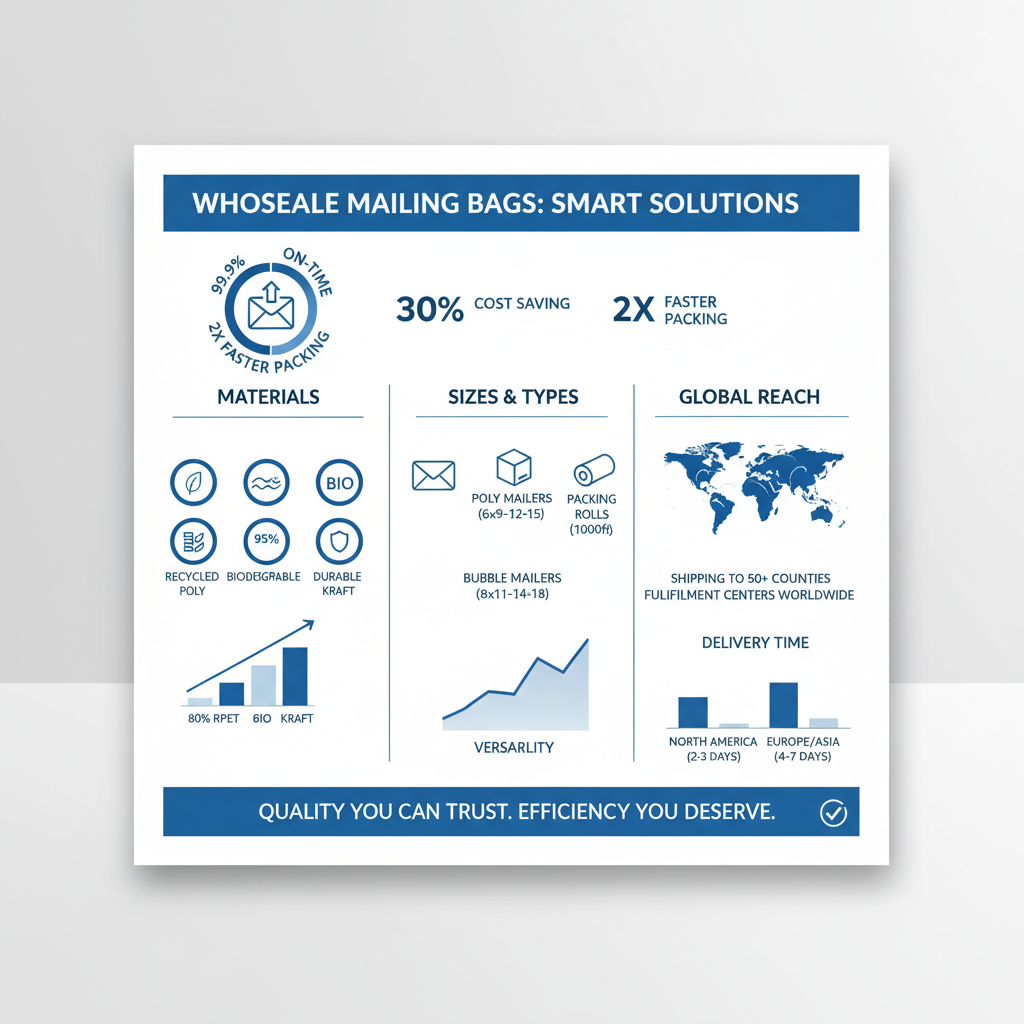
Several key factors determine the suitability of wholesale mailing bags for specific applications. Durability is paramount, ensuring goods arrive undamaged. The material used – polyethylene, polypropylene, or biodegradable alternatives – impacts strength, puncture resistance, and environmental impact.
Scalability is another critical aspect. Wholesale suppliers should be able to accommodate varying order volumes, from small businesses needing a few hundred bags to large corporations requiring tens of thousands. A reliable supplier understands the importance of consistently meeting demand, especially during peak seasons.
Cost-efficiency directly impacts profitability. Buying in bulk reduces per-unit costs, but it’s also essential to consider shipping costs and potential storage requirements. Security features, such as tamper-evident closures or opaque materials, can add value, especially for sensitive items. Finally, custom printing options offer branding opportunities, enhancing brand recognition and customer experience.
Global Applications & Use Cases
Wholesale mailing bags find applications across a diverse range of industries and regions. In post-disaster relief operations, they’re used to distribute essential supplies quickly and efficiently. In remote industrial zones, they transport parts and components to manufacturing facilities.
E-commerce businesses globally rely on them for shipping customer orders. Retail apparel companies utilize them for mail-order catalogs and online purchases. Pharmaceutical companies use secure, tamper-evident wholesale mailing bags to distribute medications.
Throughout Europe, increased emphasis on sustainable packaging is driving demand for biodegradable mailing bags. In North America, the convenience and affordability of poly mailers remain popular for general e-commerce shipments. In Asia, the rapid growth of online retail is creating a significant market for all types of wholesale mailing bags.
Comparative Analysis of Wholesale Mailing Bag Types
Advantages & Long-Term Value
The tangible benefits of utilizing wholesale mailing bags are numerous. Significant cost savings are realized through bulk purchasing, directly impacting profitability. Reduced shipping costs are achievable due to their lightweight nature. Furthermore, improved operational efficiency is attained through streamlined packaging processes.
Beyond these practical benefits, there's a long-term value rooted in sustainability and brand reputation. Choosing biodegradable options demonstrates a commitment to environmental responsibility, attracting environmentally conscious customers. Secure and professional packaging enhances brand perception, fostering trust and customer loyalty.
Future Trends & Innovations
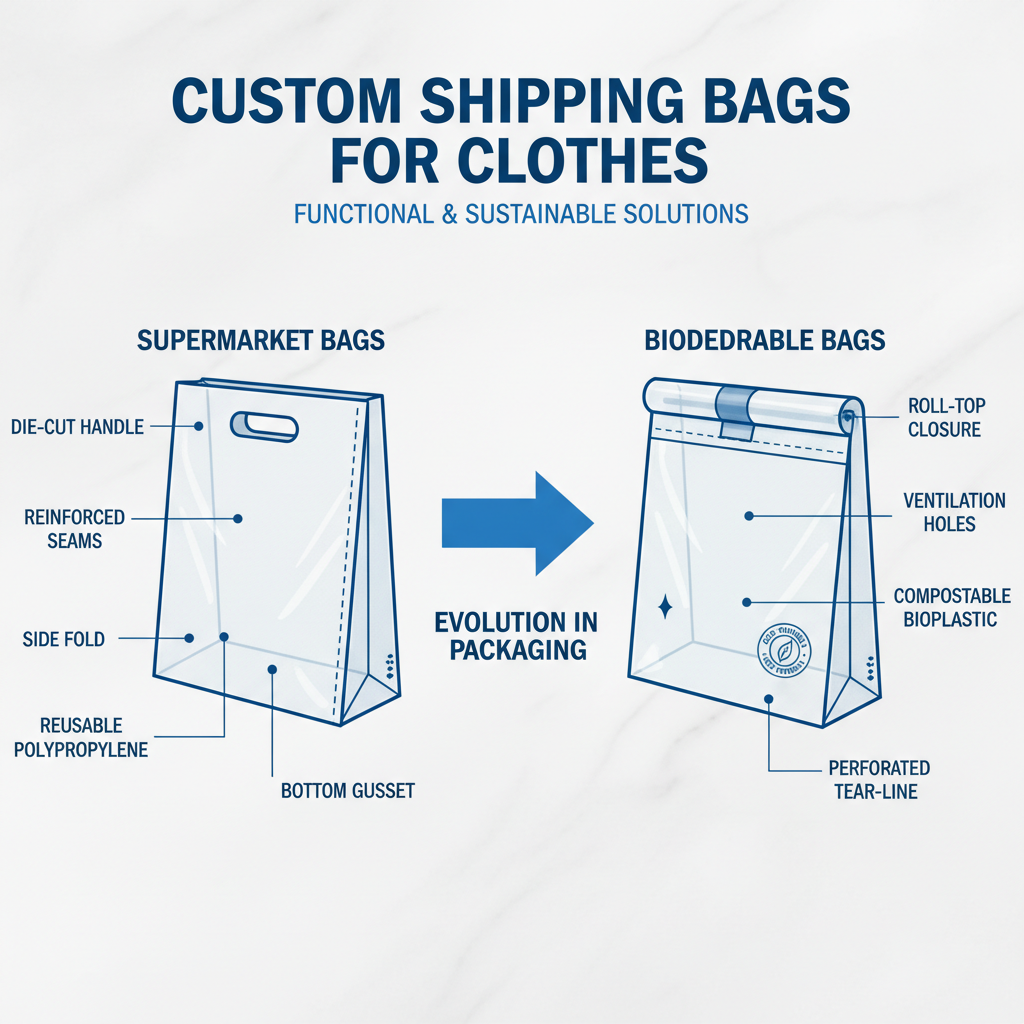
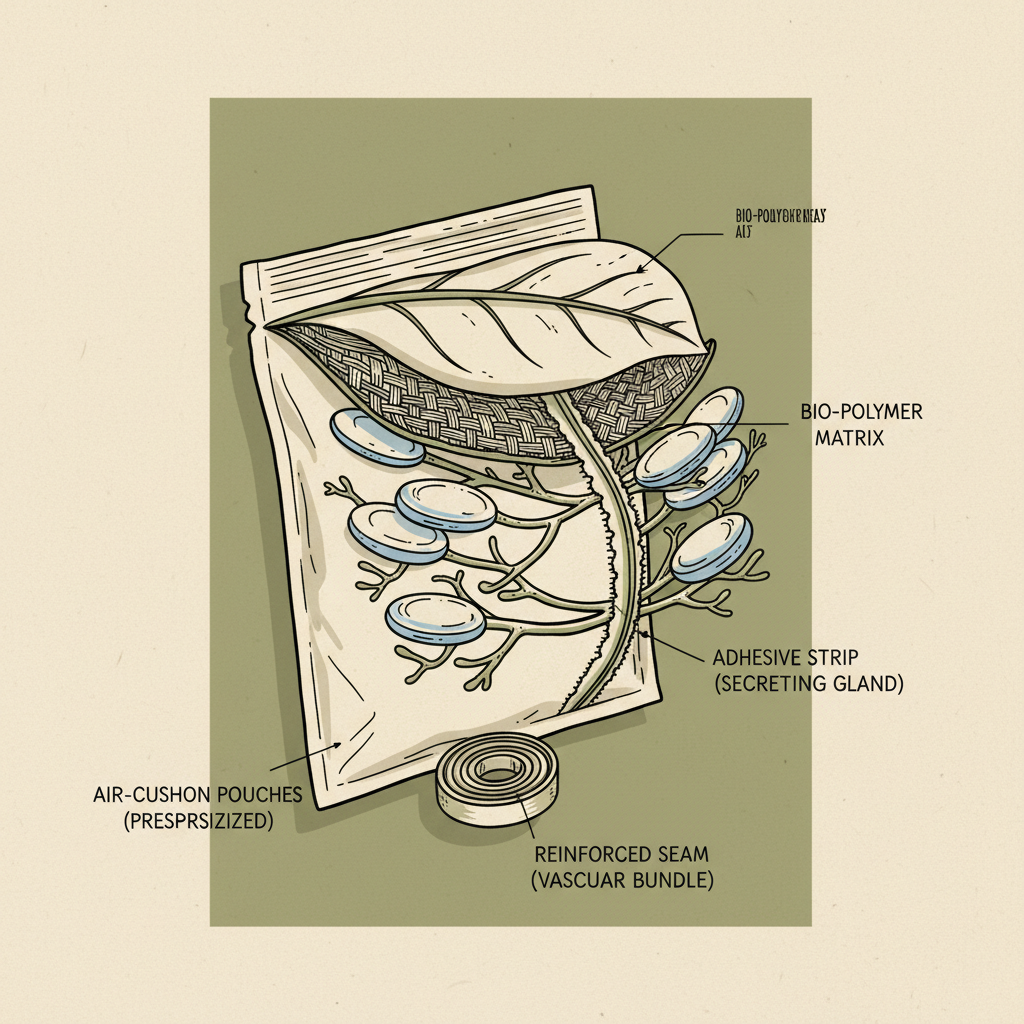
The future of wholesale mailing bags is closely tied to advancements in material science and sustainability. Bioplastics and compostable materials are gaining prominence, offering eco-friendly alternatives to traditional polyethylene. Automation in packaging processes is also increasing, with automated bagging and sealing systems improving efficiency and reducing labor costs.
Digital transformation is playing a role, with the integration of QR codes and RFID tags into mailing bags for enhanced tracking and traceability. These technologies provide real-time visibility into the supply chain and improve inventory management. The demand for customized, branded packaging will likely continue to grow, as businesses seek to differentiate themselves in a competitive marketplace.
Challenges & Solutions
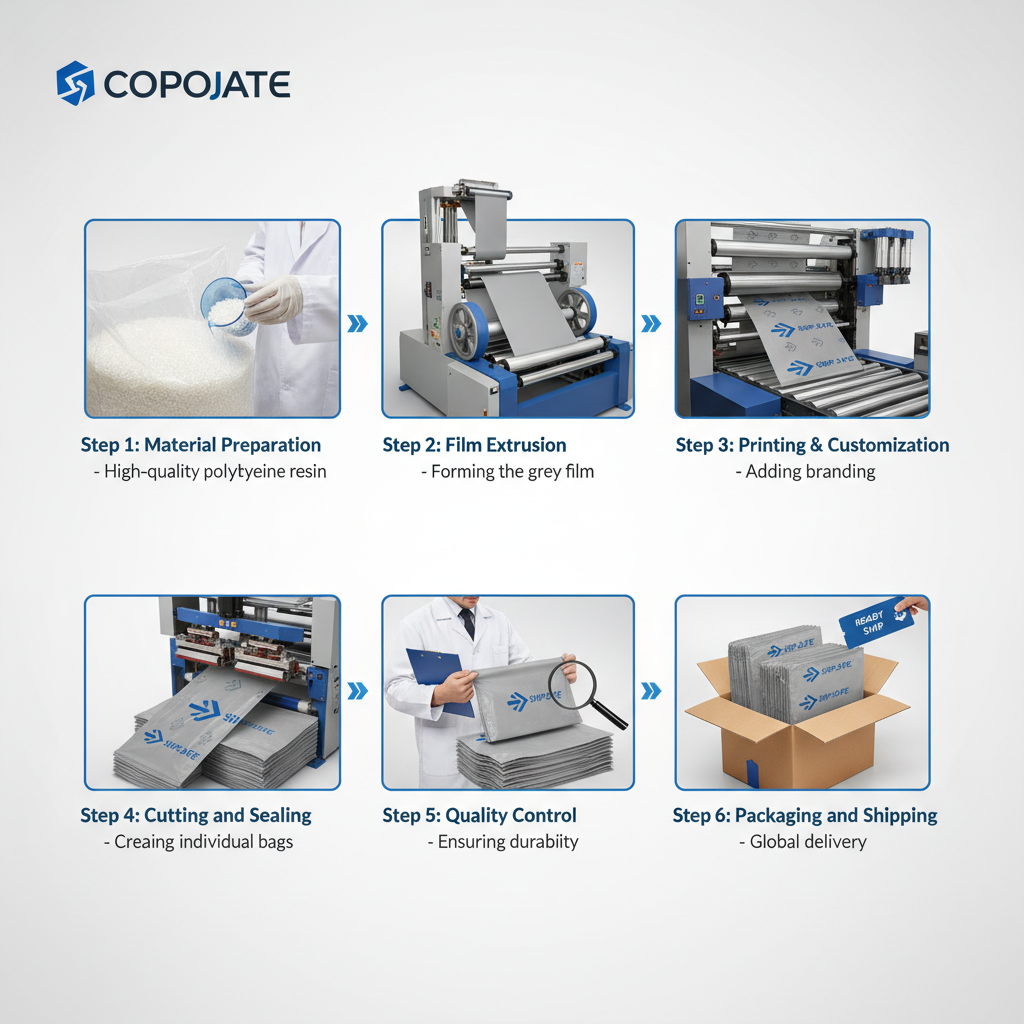
Despite their advantages, several challenges exist in the wholesale mailing bag sector. Maintaining consistent quality across large production runs can be difficult, requiring rigorous quality control measures. Fluctuating raw material prices can impact profitability, necessitating strategic sourcing and long-term contracts with suppliers.
Addressing these challenges requires innovation and collaboration. Investing in advanced manufacturing technologies can improve quality control and reduce waste. Diversifying sourcing strategies mitigates the risk of price volatility. Embracing circular economy principles – recycling and reuse programs – reduces environmental impact and enhances sustainability.
Sourcing reliable wholesale mailing bags suppliers who prioritize quality and sustainability is also crucial. Transparent supply chains and certifications verifying environmental claims are becoming increasingly important.
Analysis of Wholesale Mailing Bag Supplier Characteristics
| Supplier Reputation |
Price Competitiveness |
Sustainability Practices |
Order Fulfillment Capacity |
| Excellent (Proven track record, positive reviews) |
Very High (Offers significant discounts for bulk orders) |
Advanced (Uses recycled materials, offers compostable options) |
High (Can fulfill large orders with short lead times) |
| Good (Generally positive feedback, some minor concerns) |
High (Competitive pricing, moderate discounts) |
Moderate (Offers some sustainable options) |
Moderate (Can fulfill moderate orders within a reasonable timeframe) |
| Average (Mixed reviews, some complaints about quality) |
Moderate (Pricing is average for the market) |
Limited (Few sustainable options available) |
Low (Struggles to fulfill large or urgent orders) |
| Poor (Negative reviews, frequent quality issues) |
Low (Pricing is significantly higher than competitors) |
None (No sustainable practices in place) |
Very Low (Often misses deadlines, unreliable service) |
| Good (Established supplier, reliable performance) |
High (Offers competitive pricing with volume discounts) |
Developing (Initiatives to improve sustainability) |
High (Efficient order processing and logistics) |
| Excellent (Industry leader, consistently high-quality products) |
Very High (Best-in-class pricing and discounts) |
Leading (Dedicated to sustainable and ethical sourcing) |
Very High (Global reach, fast and reliable delivery) |
FAQS
There’s a wide range: poly mailers (most common, cost-effective), bubble mailers (for fragile items), padded mailers (added protection), and biodegradable/compostable mailers (eco-friendly). The best choice depends on the products being shipped and the desired level of protection and sustainability. Considering volume discounts is key when purchasing wholesale.
Measure your products accurately and add some extra space for cushioning and easy removal. Too small, and the bag may burst; too large, and the item can shift during transit. Suppliers often provide size charts to help you select the appropriate dimensions. It is preferable to err on the side of slightly larger than too small.
Not all biodegradable bags are compostable. Look for certifications like ASTM D6400, indicating that the bag will break down in a commercial composting facility. Home compostability is less common and requires specific conditions. It's crucial to understand the difference and properly dispose of these bags.
Custom printing enhances brand recognition, adds a professional touch, and improves the customer experience. It’s a cost-effective way to market your brand with every shipment. You can include your logo, branding colors, or even promotional messages. Minimum order quantities usually apply for custom printing.
Choose bags with tamper-evident closures, opaque materials, or security seals. For high-value items, consider adding additional security measures like tracking numbers and insurance. A secure package builds customer trust and minimizes the risk of loss or damage.
Look for a supplier with a proven track record, positive customer reviews, competitive pricing, and a wide range of product options. They should also offer excellent customer service, fast shipping, and the ability to accommodate large orders. Transparency in sourcing and certifications are also important considerations.
Conclusion
In conclusion, wholesale mailing bags are far more than simple packaging materials; they represent a critical component of modern commerce, supply chain efficiency, and increasingly, sustainable business practices. From driving down shipping costs and enhancing brand presentation to supporting disaster relief efforts and reducing environmental impact, their versatility and importance are undeniable. Understanding the different types of bags, the factors influencing their selection, and the future trends shaping the industry is crucial for businesses aiming to optimize their operations.
Looking ahead, the demand for innovative and sustainable wholesale mailing bag solutions will continue to grow. By embracing advancements in materials science, automation, and digital technologies, businesses can not only reduce costs but also minimize their environmental footprint and enhance customer satisfaction. To explore a wide range of high-quality and sustainable wholesale mailing bag options, visit our website: www.liyabiobag.com.


 English
  Arabic
  China
China  French
  Korean
  Russian
  Spanish