Durable and Eco-Friendly Brown Postage Bags for Global Logistics | LiyaBioBag
Why Brown Postage Bags Deserve More Attention Today
If you imagine the journey of a letter or a small parcel, it's often the humble envelope or bag that quietly does the heavy lifting. Brown postage bags, in particular, are unsung heroes in global logistics and mail delivery. These durable, low-cost carriers help billions of packages travel across continents, supporting everything from daily business needs to critical humanitarian efforts.
Understanding the role and benefits of brown postage bags isn’t just academic; it touches on sustainable packaging, supply chain efficiency, and even disaster response strategies. So, why care deeply about them? Because behind their simplicity lies an intersection of economic, environmental, and social value that resonates worldwide.
The Global Footprint: Brown Postage Bags in Context
Globally, postal and courier services move over 360 billion parcels annually, with a significant chunk relying on secondary packaging like brown postage bags for safety and discretion (source: UN World Postal Union). To put it plainly, these bags help reduce breakage and theft – challenges especially pronounced in emerging or disaster-prone regions.
This might seem mundane, but consider this: over 50% of mail losses in some developing countries are attributed to inadequate packaging or poor handling. Here, brown postage bags offer an accessible solution, helping to bridge the gap between high-tech postal systems in developed nations and less robust ones elsewhere.
What Exactly Are Brown Postage Bags?
Brown postage bags are typically made from kraft paper or recycled paperboard, sometimes reinforced with adhesives, and designed to securely hold letters or small parcels during transit. Their distinctive earthy color doesn’t just appeal aesthetically; it signals durability and eco-friendliness.
In essence, they’re a packaging staple. From busy city post offices to remote field clinics delivering vital medicines, these bags protect contents and ensure confidentiality – a key concern where privacy or security matters.
Mini Takeaway:
Brown postage bags may seem simple, but they’re pivotal in logistics worldwide, especially where cost and reliability matter most.
Key Factors Behind Their Popularity
Durability Without Heaviness
Compared to flimsy plastic alternatives, kraft paper used in brown postage bags is surprisingly tough. Many engineers I chatted with say it offers a balanced combination of tensile strength and flexibility. This means the bags resist tearing during sorting machine runs or hurried handling.
Eco-Friendly Credentials
Since they're primarily made from recycled paper or biodegradable materials, brown postage bags address the growing demand for sustainable packaging. With ISO standards pushing greener practices in logistics (ISO 14001), these bags fit well into corporate responsibility goals.
Customization & Branding
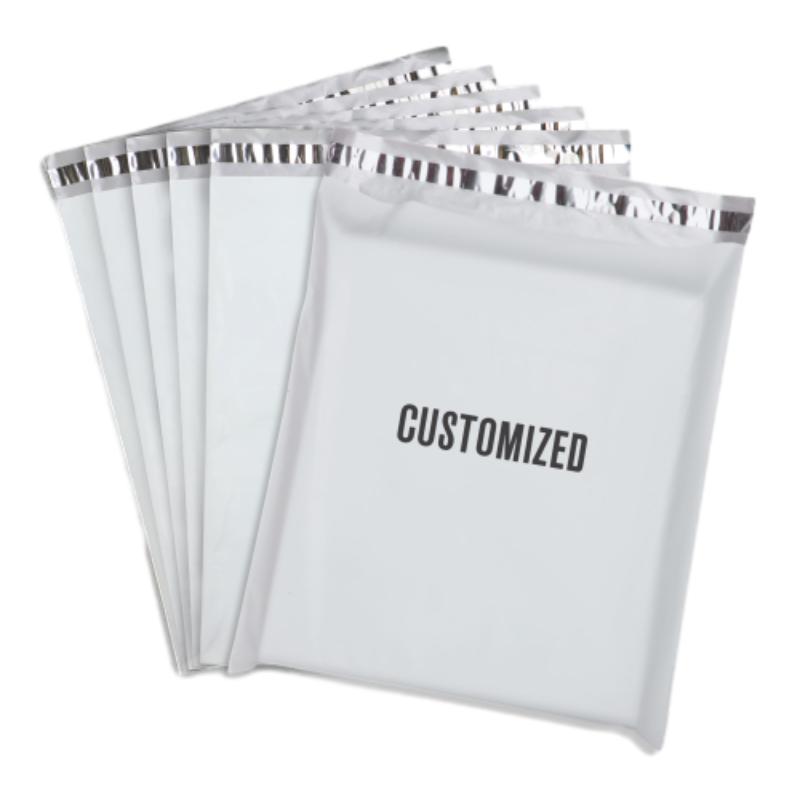
Businesses often add logos or tracking codes to brown postage bags, transforming them into mini billboards or integral parts of automated scanning systems – a handy plus for delivery transparency.
Cost Efficiency
Compared to plastic satchels or padded envelopes, brown paper bags tend to be cheaper and easier to source locally. This keeps supply chains lean and responsive, particularly for small-to-medium enterprises.
Scalability Across Industries
Brown postage bags aren't just for letters anymore. From e-commerce sellers in Asia to humanitarian organizations shipping emergency documents in Africa, their design scales nicely across sectors.
Practical Table: Typical Brown Postage Bag Specifications
| Feature | Details |
|---|---|
| Material | Recycled Kraft Paper, 60-80gsm |
| Dimensions | A5 to A4 variant sizes (140x210mm up to 230x320mm) |
| Closure Type | Self-adhesive strip or gum seal |
| Weight Capacity | Up to 500g |
| Biodegradability | Compostable within 3-6 months |
| Additional Features | Tamper-evident, water resistant coating options |
Overview:
These specs highlight how brown postage bags balance strength, eco-friendliness, and usability — quite a juggle for any packaging material.
Global Applications & Interesting Use Cases
Brown postage bags find themselves everywhere postal systems or couriers operate, but their real magic shows up in tough, less predictable environments.
- Disaster Relief Operations: After calamities like floods or earthquakes, postal services may rely on brown postage bags to safely deliver documents and aid vouchers, ensuring transparency and dignity for victims.
- Remote Industrial Zones: Mining camps and oil platforms use these bags to ship small parts or samples without bulky packaging.
- Developing Countries’ Local Post: Simplicity means bags are produced locally, supporting small manufacturers and reducing import dependence.
- E-Commerce Growth in Asia-Pacific: Brown postage bags provide a low-cost, recyclable option for thousands of SMB sellers shipping lightweight goods.
Interestingly, some NGOs prefer brown postage bags precisely for their simplicity and biodegradability when delivering confidential documents across borders.
Mini Takeaway:
Whether you’re in a bustling city post office or running a field clinic in rural Kenya, brown postage bags offer a reliable link between sender and receiver.
Advantages & Long-Term Value of Using Brown Postage Bags
The benefits might be logical to those in logistics but worth spelling out:
- Cost Savings: Lower production and transport costs compared to plastic or padded alternatives.
- Sustainability: Reduced plastic waste aligns with international environmental goals.
- Security & Trust: Tamper-evident seals help maintain confidentiality and minimize theft.
- Social Impact: Local production supports livelihoods and reduces carbon footprints linked to imports.
On an emotional level, there’s a quiet reassurance in receiving something well-packed but eco-friendly — it feels responsible, human. While not glamorous, these bags foster trust, reliability, and a sense that someone cared enough to keep your parcel safe.
Future Trends: The Next Step for Brown Postage Bags
With sustainability driving packaging innovation, expect increased use of plant-based coatings and inks that further reduce environmental impact. Some companies explore integrating QR codes or RFID tags to brown postage bags for better tracking — blending low-tech charm with digital convenience.
Automation in sorting centers demands consistent bag sizes and textures, so material science improvements are ongoing to enhance slip resistance and tear performance.
Policy-wise, stricter compostability mandates (like those promoted by the European Union) push manufacturers to certify bags according to recognized standards.
Common Challenges & How Industry Leaders Are Addressing Them
No solution is perfect. Brown postage bags sometimes face criticism for moisture sensitivity or less cushioning protection versus padded envelopes. Also, inconsistencies in local manufacturing quality can hinder adoption in some markets.
Innovators are responding by:
- Adding biodegradable water-resistant coatings.
- Standardizing specifications across suppliers.
- Offering hybrid bags combining kraft paper with thin recyclable plastic layers.
These tweaks help keep the bags relevant without sacrificing environmental goals.
A Quick Vendor Comparison
| Supplier | Material Sourcing | Custom Printing | Eco Certifications | Average Lead Time |
|---|---|---|---|---|
| LiyaBioBag | Locally sourced recycled kraft | Full color, variable data | ISO 14001, FSC | 10-14 days |
| EcoPack Solutions | Mixed local/ imported pulp | Limited 1-color print | Compostable Certified (EN13432) | 20 days |
| GreenPouch Co. | 100% post-consumer recycled | Digital print available | BPI & FSC Certified | 15 days |
Frequently Asked Questions About Brown Postage Bags
1. Are brown postage bags suitable for international shipping?
Absolutely. Many postal services worldwide accept brown postage bags because they meet standard size and strength requirements. However, it's wise to check the destination country’s postal guidelines, especially regarding organic or recyclable material rules.
2. Can brown postage bags protect items against moisture?
Regular kraft paper bags have limited moisture resistance. For sensitive shipments, opting for bags with biodegradable water-resistant coatings or using additional plastic liners is recommended to keep contents dry.
3. How environmentally friendly are these bags compared to plastic ones?
Brown postage bags made from recycled kraft paper are compostable and biodegradable, creating far less long-term landfill waste than plastics. They align well with eco-conscious supply chains, especially as governments regulate plastic usage.
4. Can these bags be customized with branding or tracking elements?
Yes. Most suppliers offer print customization like logos, QR codes, or barcodes. This boosts brand visibility and facilitates automated processing in shipping centers.
5. What is the typical lead time for ordering brown postage bags?
Lead times vary by supplier but generally range from 10 to 20 days, depending on order size and print complexity. Using established vendors like brown postage bags suppliers can improve turnaround.
In Conclusion: The Lasting Value of Brown Postage Bags
Brown postage bags remind us that sometimes the simplest solutions are the most powerful. Providing durability, sustainability, and cost-efficiency, they are quietly transforming postal systems and supply chains around the world. For businesses, NGOs, and governments aiming to improve delivery reliability without sacrificing environmental responsibility, these bags offer a genuinely smart choice.
If you're looking into effective packaging solutions that work globally without complications, I suggest taking a closer look at brown postage bags options. They combine tradition and modern demands in a way that frankly feels right.
References:
-
Secure Shipping Guide with Poly Mailer Bubble Wrap SolutionsNewsApr.16,2026
-
Secure Shipping Guide for Using Durable Bubble Parcel BagsNewsApr.09,2026
-
Comprehensive Guide to Poly Mailer Bubble for Secure and Efficient ShippingNewsApr.07,2026
-
Elevate Your Brand with Custom Designer Bubble Mailers for Effective PackagingNewsApr.04,2026
-
Comprehensive Guide to Poly Mailers with Bubble Wrap for Secure ShippingNewsMar.31,2026
-
Comprehensive Guide to Large Bubble Poly Mailers for Secure and Efficient ShippingNewsMar.28,2026
-
Have the freedom of customizing your custom mailers any way you want! Our dedicated packaging support will help deliver you the mailing experience you need to elevate your shipping experience to the next level! Start making a strong impression on your customers and stand out from your competitors! -
LIYA uses high quality raw materials which directly purchased from large enterprises domestic and overseas such as PetroChina, Sinopec, Sabic, Equate, ExxonMobil, Dow Chemical, Total, and Borouge, ensuring the price advantage and quality of the raw materials. -
LIYA uses high quality raw materials which directly purchased from large enterprises domestic and overseas such as PetroChina, Sinopec, Sabic, Equate, ExxonMobil, Dow Chemical, Total, and Borouge, ensuring the price advantage and quality of the raw materials.
 English
  Arabic
  China
China  French
  Korean
  Russian
  Spanish