Durable Extra Large Parcel Bags for Efficient & Sustainable Shipping | Liyabiobag
Why Extra Large Parcel Bags Matter More Than Ever
To start, let’s unpack—pun intended—what extra large parcel bags really bring to the table. In our globally connected world, moving goods efficiently and safely isn’t just a business necessity; it’s an economic lifeline and a humanitarian imperative. You can think of these big bags as unsung heroes of logistics—carrying bulky, awkward, or heavy items reliably where no ordinary courier box can. Whether it’s industrial machinery parts bound for a factory in Southeast Asia or relief packages delivered to a disaster-struck village in Africa, the right packaging is critical for success.
Understanding the role of extra large parcel bags helps companies cut costs, reduce environmental footprints, and accelerate deliveries—all while keeping products secure. It’s surprising how a relatively simple innovation in packaging design can ripple across complex global supply chains and emergency response efforts alike.
Putting Extra Large Parcel Bags in Global Perspective
The demand for large, durable packaging solutions is soaring worldwide. According to United Nations trade reports, global e-commerce shipments have grown by over 20% annually in recent years, with bulky items accounting for a significant slice.
But here’s the twist: many developing regions still struggle with supply chain disruptions caused by inadequate packaging options. Think of fragile or heavy machinery parts that get damaged because the parcel simply wasn’t designed for its size or weight. Extra large parcel bags are becoming the quiet fix—lightweight yet robust carriers that can withstand rough transport conditions. They help reduce waste and improve delivery reliability.
This isn’t just about commercial stuff either. Aid organizations increasingly rely on these bags during crises to deliver large items such as medical equipment, emergency shelters, and food supplies to hard-to-reach places, where traditional packaging just won’t cut it.
What Exactly Are Extra Large Parcel Bags?
Simply put, these are oversized, often flexible container bags designed to hold parcels too big for standard boxes or crates. Typically made from tough materials like woven polypropylene, reinforced polyethylene, or biodegradable composites, they combine size with strength and sometimes water resistance.
They’re not just big plastic sacks. Think of them as engineered packaging solutions tailored for contemporary logistics—whether industrial shipping, retail stockpiling, or humanitarian missions. Their design hinges on optimizing volume capacity while protecting contents from shocks, dirt, and moisture.
For modern industries—such as manufacturing electronics, heavy machinery, agricultural exports—and humanitarian sectors responding to emergencies, extra large parcel bags provide an accessible, scalable solution to packaging challenges linked to large, awkward, or fragile freight.
Core Aspects of Extra Large Parcel Bags
1. Durability and Material Quality
Durability is king here. Most bags withstand rough handling thanks to woven heavy-duty polypropylene or laminated layers. Some even integrate UV resistance for outdoor storage. The material choice directly affects longevity and protection.
2. Size and Scalability
These bags come in many sizes—from large single-item carriers to jumbo formats capable of consolidating several parcels. Scalability means businesses can optimize packing efficiency and reduce the number of shipments.
3. Cost Efficiency
Compared to rigid crates or wooden boxes, these bags often slash packaging costs and warehouse space requirements. Their lightweight nature also reduces freight charges—a key factor for international logistics.
4. Environmental Impact
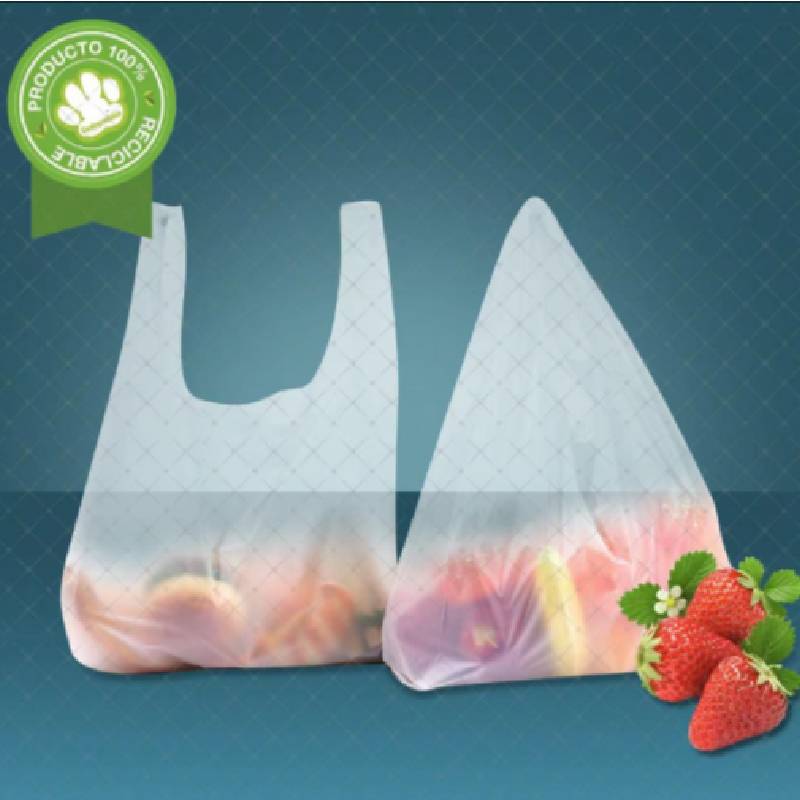
Modern variants increasingly feature recyclable or biodegradable materials, aligning with ISO and global sustainability standards. It’s especially important as companies respond to customers demanding greener supply chains.
5. Customizability
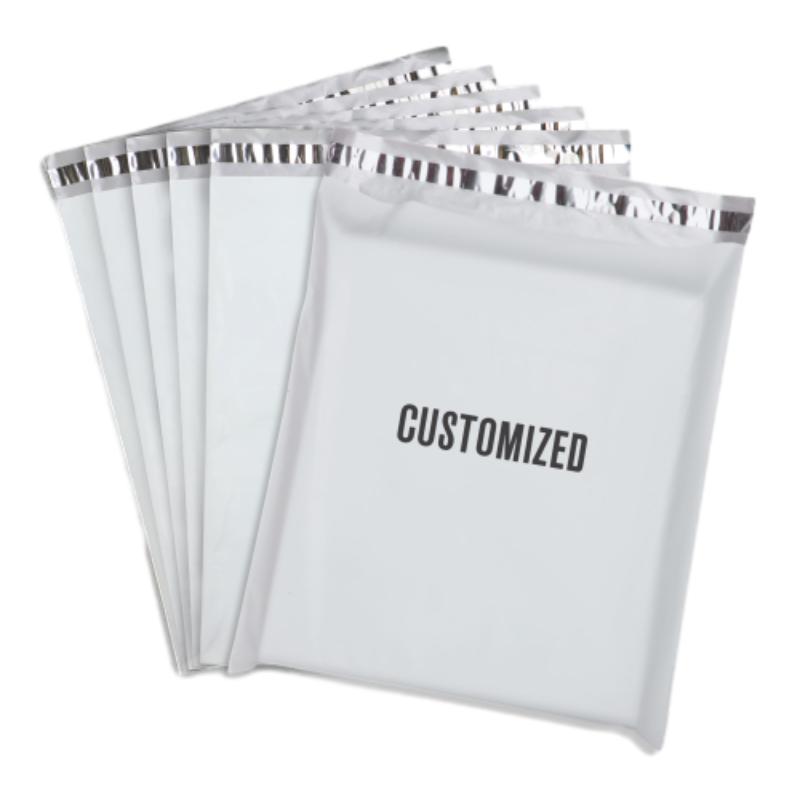
From waterproof coatings and tamper-evident seals to branding and RFID tagging, extra large parcel bags can be tailored to client requirements, improving security and traceability.
Common Specifications of Leading Extra Large Parcel Bags
| Feature | Typical Value / Option | Notes |
|---|---|---|
| Material | Woven Polypropylene, PE lamination | Durable, moisture resistant |
| Size Range | 1.2 m to 3 m (L) × 0.8 m to 2 m (W/H) | Custom sizes available |
| Weight Capacity | Up to 1500 kg | Depends on reinforcement |
| Waterproofing | Laminate or coating options | Important for outdoor or marine shipments |
| Certifications | ISO 9001, ISO 14001 possible | Quality and environmentally focused |
Who Uses Extra Large Parcel Bags? Real-World Applications
It’s a bit like watching an orchestra where every player is essential. Industries from manufacturing in Europe to extracting minerals in Australia rely on these bags to send oversized components. In places like South America’s Amazon basin, they protect goods through rough terrain where trucks shake and jostle.
In humanitarian efforts, organizations like the UN Office for the Coordination of Humanitarian Affairs harness extra large parcel bags during disaster relief, shipping bulky yet vital items like water purification units, emergency shelters, and vaccination equipment quickly and safely.
Even the retail industry benefits: warehouses use big bags for overstock or to group large shipments headed to stores or customers. You might find them holding everything from soft furniture parts to industrial coffee bags.
Why These Bags Make Long-Term Sense
- Cost Savings: Fewer damaged goods means fewer refunds and faster turnover. Lightweight bags cut shipping expenses.
- Sustainability: Using recyclable materials meets growing eco-standards and reduces landfill waste.
- Safety and Trust: Ensures fragile or expensive items arrive intact, building confidence among partners and customers.
- Social Impact: Reliable packaging contributes to humanitarian success, providing dignity and hope through timely aid.
- Innovation: Customizable features ensure bags adapt to evolving business needs and tech advances.
Honestly, it feels like a small investment that radiates benefits far beyond packaging itself.
What’s Next? Trends and Emerging Innovations
Fast forward a little, and you’ll find smart technologies advancing even packaging. Imagine embedded RFID tags in extra large parcel bags, allowing real-time tracking from dispatch to delivery—something that many logistics managers dream of to reduce lost shipments.
Additionally, sustainability is a huge driver. Biodegradable polymers, advanced compostable materials, and even bioengineered textiles are becoming standard considerations, congruent with strict international standards like ISO 18601 for packaging sustainability.
Automation in packing at warehouses is also pushing manufacturers to design bags compatible with robotic systems, improving speed and reducing human error.
Challenges and Smart Solutions
Of course, it’s not all smooth sailing. Some challenges include:
- Weight Limits: Ultra-heavy objects sometimes exceed bag capacities.
- Environmental Concerns: Without proper recycling, plastic-based bags add to pollution.
- Handling: Bulky parcels may still require special equipment or training.
Experts suggest combining these bags with durable pallets or hybrid packaging solutions to meet extreme cases. Meanwhile, investing in reusable and recyclable materials addresses green concerns.
Partnering with suppliers who offer customization and post-sale support can further minimize issues and ramp up efficiency.
Comparing Top Vendors of Extra Large Parcel Bags
| Vendor | Material | Max Size | Customization | Sustainability Focus |
|---|---|---|---|---|
| Liyabiobag | Recyclable woven PP + PE lamination | 3m × 2m × 2m | Logo, RFID tags, waterproof coatings | ISO 14001 certified, biodegradable options |
| GlobalPack Co. | Standard woven PP | 2.5m × 1.8m × 1.8m | Limited colors, standard sizes | Recyclable material only |
| EcoBulk Bags | Biodegradable polymers | 2.8m × 1.8m × 2m | Custom prints, eco packaging certifications | Focus on compostable bags |
Frequently Asked Questions About Extra Large Parcel Bags
Q1: What makes extra large parcel bags better than wooden crates for shipping?
A: These bags are much lighter, which reduces freight costs. They are flexible, allowing easier handling and space-saving during storage. Plus, they often incorporate waterproof and UV resistant layers, protecting contents better in varying climates compared with heavy wooden crates that can degrade or be cumbersome.
Q2: Can extra large parcel bags be reused or recycled?
A: Yes, many modern versions are designed with recyclable materials such as woven polypropylene or biodegradable composites. Depending on their use and condition after shipment, they can be cleaned and reused multiple times. Always check for local recycling regulations and manufacturer guidelines.
Q3: Are these bags suitable for hazardous or fragile goods?
A: With appropriate reinforcement, extra large parcel bags can safely transport fragile or hazardous goods. Some include tamper-proof seals and shock-absorbent coatings. However, confirm with packaging experts about certifications required for hazardous materials.
Q4: How do I custom order extra large parcel bags for my business?
A: Most vendors, including extra large parcel bags suppliers, offer customization options like size, material, branding, and protective features. Contacting the supplier directly with your specifications ensures a tailored solution fit for your shipment needs.
Q5: Are extra large parcel bags environmentally friendly?
A: Increasingly, yes. Many manufacturers incorporate recyclable or biodegradable materials that meet ISO environmental standards. Using these reduces packaging waste and helps companies meet sustainability goals.
Conclusion: The Long Haul for Extra Large Parcel Bags
Thinking long-term, investing in extra large parcel bags is about more than just moving goods. It’s about efficiency, sustainability, and trust—a trifecta that global companies and aid agencies increasingly prioritize.
The versatility and cost-effectiveness these bags offer help smooth the bumps in complex logistics routes, while innovations push them toward even greener, smarter futures. So next time you’re considering your bulk packaging options, these bags are worth a closer look—they just might be the simple solution you didn’t expect.
Need a trusted partner? Visit our website and discover how our extra large parcel bags can elevate your shipping game.
References
-
Secure Shipping Guide with Poly Mailer Bubble Wrap SolutionsNewsApr.16,2026
-
Secure Shipping Guide for Using Durable Bubble Parcel BagsNewsApr.09,2026
-
Comprehensive Guide to Poly Mailer Bubble for Secure and Efficient ShippingNewsApr.07,2026
-
Elevate Your Brand with Custom Designer Bubble Mailers for Effective PackagingNewsApr.04,2026
-
Comprehensive Guide to Poly Mailers with Bubble Wrap for Secure ShippingNewsMar.31,2026
-
Comprehensive Guide to Large Bubble Poly Mailers for Secure and Efficient ShippingNewsMar.28,2026
-
Have the freedom of customizing your custom mailers any way you want! Our dedicated packaging support will help deliver you the mailing experience you need to elevate your shipping experience to the next level! Start making a strong impression on your customers and stand out from your competitors! -
LIYA uses high quality raw materials which directly purchased from large enterprises domestic and overseas such as PetroChina, Sinopec, Sabic, Equate, ExxonMobil, Dow Chemical, Total, and Borouge, ensuring the price advantage and quality of the raw materials. -
LIYA uses high quality raw materials which directly purchased from large enterprises domestic and overseas such as PetroChina, Sinopec, Sabic, Equate, ExxonMobil, Dow Chemical, Total, and Borouge, ensuring the price advantage and quality of the raw materials.
 English
  Arabic
  China
China  French
  Korean
  Russian
  Spanish