Order Poly Mailers | Durable, Eco-Friendly & Custom Packaging Solutions
The Growing Importance of Ordering Poly Mailers in a Global Economy
In today's hyper-connected world, the need to order poly mailers is more critical than ever before. Across industries—from e-commerce startups to established shipping giants—poly mailers are the unsung heroes of product delivery. They keep parcels safe, lightweight, and economical, which matters greatly in a global trade landscape expected to surpass $30 trillion by 2026 (World Bank data).
Why does this matter globally? Simply put, efficient packaging means less waste, reduced shipping costs, and a better end customer experience. Poly mailers play a key role in the shipping ecosystem, enabling businesses to thrive even when supply chains feel increasingly pressured by rising fuel costs, environmental concerns, and fluctuating demand.
Mini takeaway: Understanding why and how to order poly mailers empowers businesses to stay competitive while navigating global logistics challenges.
A Closer Look: Why Ordering Poly Mailers Is a Worldwide Demand
At first glance, ordering poly mailers might seem like a small operational detail, but in reality, this process sparks a chain reaction that influences global trade and sustainability efforts. According to the International Organization for Standardization (ISO), packaging waste accounts for roughly 40% of solid waste worldwide. Poly mailers—made from recyclable polyethylene—offer a lightweight alternative to bulky boxes, cutting down on carbon emissions during transit.
On the flip side, the explosion of e-commerce (that’s over 2 billion online shoppers worldwide) means businesses must find packaging that both protects products and reduces costs. Here’s where ordering poly mailers effectively makes a tangible difference.
Mini takeaway: The global shopping boom isn't just shifting sales online—it’s reshaping the demand for smarter shipping solutions like poly mailers.
What Exactly Are Poly Mailers?
Simply put, poly mailers are lightweight, flexible plastic shipping envelopes made primarily from polyethylene. They’re designed to protect items such as clothing, documents, and small accessories during shipping. Unlike rigid boxes, their thin profile and tear-resistant material help reduce shipping costs without sacrificing protection.
Their relevance has only grown thanks to sustainability goals and packaging innovations. Humanitarian organizations, for example, often rely on poly mailers for delivering supplies quickly and efficiently—an important connection between these humble sleeves and critical needs worldwide.
Core Components That Make Poly Mailers a Smart Choice
Durability Without Bulk
Poly mailers strike an odd balance—they’re surprisingly strong yet super light. Thanks to multi-layered polyethylene, they resist tears, moisture, and punctures better than courier bags or paper alternatives. For businesses, that means fewer costly returns and replacements, which adds up fast.
Cost Efficiency
Picture this: You’re shipping thousands of orders each day. Weight in shipping isn’t just a number; it’s cash. Poly mailers weigh a fraction of cardboard boxes, reducing dimensional weight charges and saving money on freight. Bulk ordering further slashes per-unit cost, making them a staple in lean logistics.
Scalability and Customization
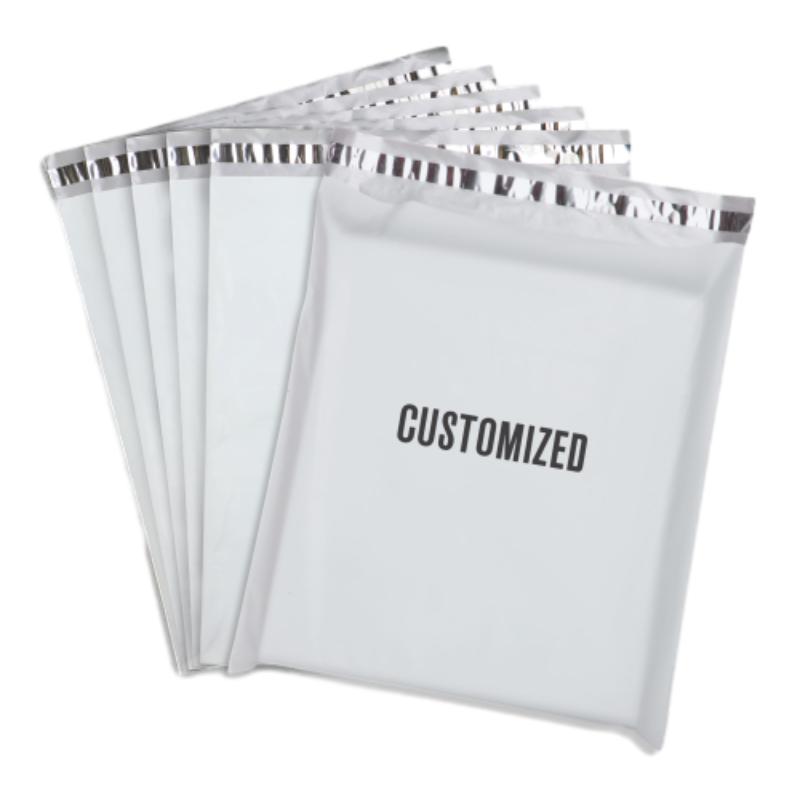
Suppliers offer sizes ranging from small jewelry bags to extra-large for bulky clothing. Many vendors also provide custom printing options—branding, instructions, or QR codes—turning a simple mailer into a subtle marketing tool, almost a courier ambassador.
Environmental Considerations
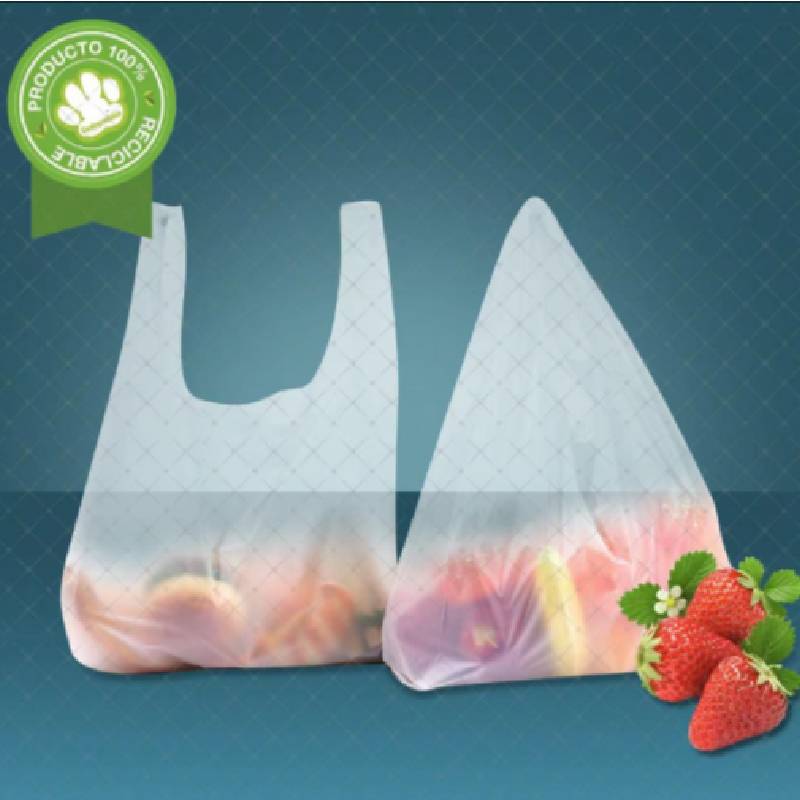
Poly mailers can be made from recycled materials and some manufacturers offer biodegradable or compostable alternatives. This is crucial as sustainability standards tighten and consumers demand greener choices. The ISO’s guidelines for packaging waste management increasingly encourage investments in recyclable mailers.
User Convenience
Easy peel-and-seal strips, tamper-evident closures, and lightweight profiles make poly mailers simple for senders and recipients alike. In the digital age, where customers expect instant gratification, such small conveniences add up to loyalty.
Mini takeaway: The blend of durability, cost-effectiveness, and eco-friendly options means companies can finesse their packaging strategies without compromise.
Where Poly Mailers Meet Real-World Needs
Industries and regions across the board are tapping into the power of poly mailers:
- E-commerce hubs: North America, Europe, and Asia-Pacific see high poly mailer usage due to the surge in online orders.
- Humanitarian relief: NGOs distributing clothes or documents in post-disaster zones rely on tear-proof, water-resistant mailers.
- Retail and subscription boxes: From apparel to cosmetics, poly mailers reduce shipping hassle.
- Remote regions: Lightweight packaging reduces transport challenges in hard-to-access industrial zones, cutting shipping costs and delays.
For example, during the 2020 pandemic relief efforts in Southeast Asia, poly mailers helped NGOs quickly distribute masks and documents without worrying about soggy or torn packaging.
Mini takeaway: Poly mailers are more than just envelopes; they solve real logistic headaches globally.
Advantages and Lasting Value of Poly Mailers
The beauty of poly mailers is in their multi-dimensional benefits. Financially, companies reduce packaging and shipping expenses. Environmentally, lighter shipments mean fewer carbon emissions. Socially, delivering products intact wins customer trust and builds stronger brands.
There’s an emotional layer too—think of the customer opening a neat, branded mailer versus a crushed box. It says, “We care about your experience.” Innovating with poly mailers also keeps companies nimble in a changing world.
Product Specification Table
| Specification | Details |
|---|---|
| Material | Low-Density Polyethylene (LDPE) |
| Thickness | 2 – 5 mil (50 – 125 microns) |
| Sizes Available | 6"x9" to 24"x30" |
| Closure Type | Self-seal peel & stick strip; Tamper-evident |
| Print Options | Custom logos and instructions |
| Environmental Options | Recyclable, Compostable available |
Vendor Comparison: Picking the Right Supplier
| Feature | Liya BioBag | Competitor A | Competitor B |
|---|---|---|---|
| Eco-friendly Options | Yes (biodegradable) | Limited | No |
| Customization | Full color printing & sizes | Print only, limited sizes | Standard sizes only |
| Lead Time | 7-10 days | 10-14 days | 14+ days |
| Minimum Order Quantity | 500 units | 1000 units | 2500 units |
| Price per unit | $0.10 - $0.25 | $0.12 - $0.30 | $0.15 - $0.28 |
Emerging Trends and What’s Next
The journey of poly mailers is far from static. Industry insiders notice increasing interest in “smart packaging” — think embedded QR codes, RFID tags, or moisture indicators to track shipment status or tampering. On the materials front, recycled and biodegradable polymers are evolving rapidly. Some brands are even experimenting with algae-based plastics to cut carbon footprints.
Meanwhile, automation in order fulfillment warehouses means poly mailers need to be compatible with fast packing machines, a challenge balancing durability with flexibility.
Common Challenges and How Experts Solve Them
Of course, poly mailers aren't perfect. Their plastic nature raises recycling concerns. Also, very sharp or heavy items may still puncture them. Shipping sensitive electronics isn’t ideal without extra padding. To combat these issues, many companies layer mailers with recycled paper or bubble inserts, or combine them with secondary packaging.
Moreover, supply chain disruptions sometimes delay bulk orders — a reminder to build inventory buffers when you order poly mailers.
FAQ: Your Questions About Ordering Poly Mailers Answered
Q1: How do I choose the right size poly mailer for my products?
A1: Consider your product dimensions plus a little extra room for padding. Poly mailers should fit snugly but not be overstuffed to avoid tearing. Most suppliers, like Liya BioBag, offer size charts and customization advice to help you pick the perfect fit.
Q2: Are poly mailers environmentally friendly?
A2: They can be. Traditional poly mailers are made from plastic, but many manufacturers now offer recyclable or biodegradable options. Checking for certifications and opting for recycled-content mailers helps reduce impact on landfills.
Q3: Can I print my logo or branding on poly mailers?
A3: Absolutely. Custom printing is common and an effective marketing tool. Expect options ranging from single-color logos to full-color, high-resolution prints.
Q4: What is the typical lead time when I order poly mailers?
A4: Standard orders usually ship within 7 to 14 days. Custom printing or eco-friendly materials might extend that. It’s wise to place orders with lead time in mind, especially during peak shipping seasons.
Q5: How to store poly mailers before use?
A5: Poly mailers should be stored in a dry, cool place away from direct sunlight to avoid degradation or sticking. They have a long shelf life when kept properly.
Wrapping Up: Why Ordering Poly Mailers Makes Sense Today and Tomorrow
If you’re running a business with any kind of shipping footprint, thoughtfully choosing when and where to order poly mailers is an investment that pays multiple dividends—cost savings, customer satisfaction, and sustainability. They might feel like a small detail, but honestly, in logistics, details matter enormously.
So next time you prep your inventory or plan your fulfillment strategy, remember poly mailers aren’t just plastic envelopes—they’re a dynamic part of how goods move globally, quietly shaping the future of smarter, greener shipping.
References:
1. World Bank - Global Trade Data
2. ISO Packaging Waste Guidelines
3. Wikipedia - Polythene
-
Secure Shipping Guide with Poly Mailer Bubble Wrap SolutionsNewsApr.16,2026
-
Secure Shipping Guide for Using Durable Bubble Parcel BagsNewsApr.09,2026
-
Comprehensive Guide to Poly Mailer Bubble for Secure and Efficient ShippingNewsApr.07,2026
-
Elevate Your Brand with Custom Designer Bubble Mailers for Effective PackagingNewsApr.04,2026
-
Comprehensive Guide to Poly Mailers with Bubble Wrap for Secure ShippingNewsMar.31,2026
-
Comprehensive Guide to Large Bubble Poly Mailers for Secure and Efficient ShippingNewsMar.28,2026
-
Have the freedom of customizing your custom mailers any way you want! Our dedicated packaging support will help deliver you the mailing experience you need to elevate your shipping experience to the next level! Start making a strong impression on your customers and stand out from your competitors! -
LIYA uses high quality raw materials which directly purchased from large enterprises domestic and overseas such as PetroChina, Sinopec, Sabic, Equate, ExxonMobil, Dow Chemical, Total, and Borouge, ensuring the price advantage and quality of the raw materials. -
LIYA uses high quality raw materials which directly purchased from large enterprises domestic and overseas such as PetroChina, Sinopec, Sabic, Equate, ExxonMobil, Dow Chemical, Total, and Borouge, ensuring the price advantage and quality of the raw materials.
 English
  Arabic
  China
China  French
  Korean
  Russian
  Spanish