Eco Friendly Shipping Mailers: Sustainable Solutions for Global Packaging
Why Eco Friendly Shipping Mailers Matter in Today’s Global Economy
When you stop to think about it, the massive increase in online shopping — especially since 2020 — has flooded the world with packaging waste. Some estimates say global e-commerce packaging will reach nearly 200 million metric tons by 2025 (UN Environment Programme). That’s a mountain of polymer, bubble wrap, and plastic mailers choking landfills and oceans alike. So the question has nudged itself to the front: how do we ship goods without wrecking the planet? Enter eco friendly shipping mailers, a smart, sustainable answer that’s only gaining momentum.
Frankly, it’s not just about saving trees or dodging landfill monster piles. Businesses see these mailers as a way to future-proof supply chains, comply with tough new regulations, and, quite importantly, align with consumer values around climate responsibility. It’s a win-win but with some serious complexity beneath the surface.
What Exactly Are Eco Friendly Shipping Mailers?
Simply put, these mailers are shipping envelopes and pouches made from materials that minimize environmental harm. That can mean biodegradable plastics, recycled paper, or even innovative composites designed to reduce waste and carbon footprint. The core idea is a packaging solution that protects products during shipping but leaves a lighter ecological footprint than traditional plastic films or bubble-lined bags.
In today’s shifting logistics and humanitarian sectors alike, where timely deliveries meet local environmental concerns, eco friendly mailers serve both practical and ethical needs. For instance, humanitarian aid organizations now opt for compostable mailers to reduce the burden on fragile ecosystems in disaster zones.
Key Features of Eco Friendly Shipping Mailers
1. Durability & Protection
One might assume eco materials sacrifice strength, but that’s often wrong. Many bio-based polymers and recycled composites are engineered to withstand tears, moisture and temperature swings—just what your latest tech gadget or delicate item needs. Good packaging should be like a reliable friend: tough when needed but soft on the environment.
2. Biodegradability & Compostability
Many eco mailers break down naturally in compost settings within months—significantly reducing landfill accumulation. A growing number meet international standards such as ASTM D6400 for compostability, meaning they turn into organic matter without harmful residues.
3. Cost Efficiency
Here’s a wrinkle: eco mailers might cost more upfront than cheap polyethylene bags, but factor in waste disposal, carbon taxes, or consumer preference, and the economics often even out. Plus, scalable production is driving costs down steadily, an encouraging sign for all parties.
4. Customization & Branding Opportunities
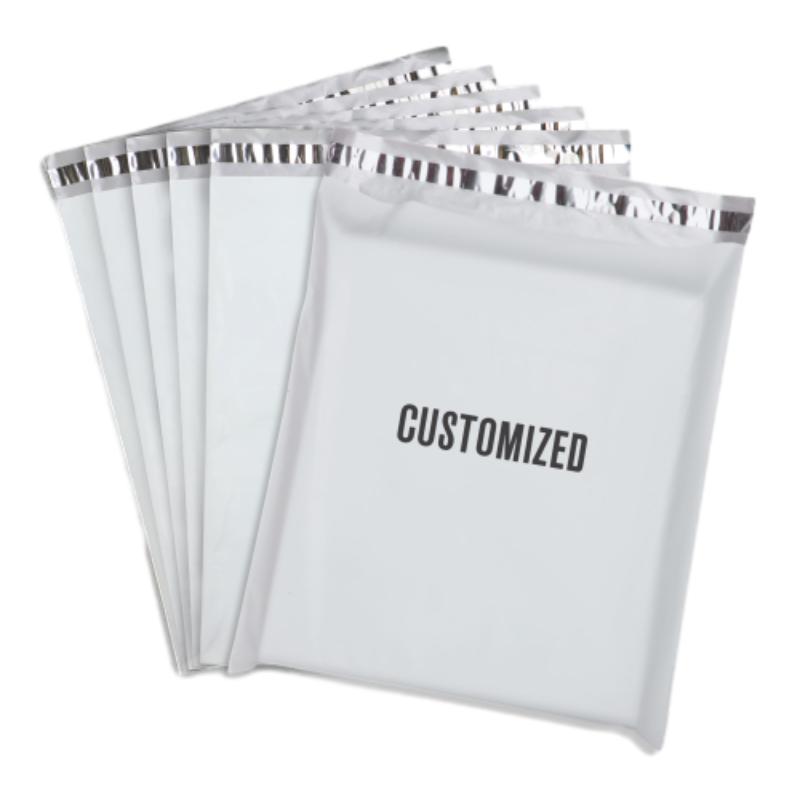
Companies increasingly demand customizable print and textures on eco friendly mailers—a way to marry sustainability with distinct brand identity. This also helps highlight green credentials, which can sway a sizable crowd of eco-conscious buyers.
5. Recyclability
Some mailers are designed for easy recycling streams, often made from single polymer types or well-known paper blends. Unfortunately, composite or multi-layer packaging still creates challenges and often requires specific waste treatment.
| Specification | Typical Range | Notes |
|---|---|---|
| Material Type | Biodegradable plastic, recycled kraft paper, PLA | Varies by supplier & use case |
| Tear Resistance | 15 – 25 N (Newton) | Comparable to traditional mailers |
| Compostability Certification | ASTM D6400 or EN 13432 | Ensures safe biodegrading |
| Custom Print Options | Full color digital prints available | Supports brand storytelling |
| Average Cost per Unit | $0.10 - $0.30 | Depends on volume and specs |
Where and How Are Eco Friendly Shipping Mailers Used Globally?
In practical terms, these mailers have found strong footing across e-commerce, humanitarian aid, and governmental logistics. For example:
- Europe: The EU’s strict plastic directives have pushed large retailers toward fully recyclable mailers by 2025, especially in Germany and the Netherlands.
- North America: Big brands in fashion and electronics adopt biodegradable mailers to meet growing consumer demand and offset carbon footprints.
- Asia-Pacific: In countries like Japan and South Korea, innovative compostable mailers pair well with advanced recycling infrastructure.
- Disaster Relief: Agencies working in tropical zones use compostable mailers to deliver critical supplies without adding long-term waste stress.
- Remote Industrial Zones: Mines and offshore facilities deploy these mailers for shipping parts and documents while respecting local fragile environments.
The ripple effects are encouraging. Increasingly, even smaller businesses are waking up to the advantages and are switching from legacy plastic mailers to green alternatives — it feels like a tipping point.
Long-Term Advantages of Choosing Eco Friendly Shipping Mailers
Here’s the crux: choosing eco mailers yields environmental, financial, and social gains:
- Sustainability: Cuts down plastic pollution, reduces dependency on fossil fuels, and promotes circular packaging economy.
- Cost Savings: Lower landfill fees, potential tax breaks, and reduced supply chain risks linked to regulations.
- Brand Reputation: Signals responsibility and care — which, frankly, is priceless amid vocal, climate-conscious consumers.
- Reliability: Modern eco mailers meet or exceed industry standards for protection and usability, so you’re not sacrificing quality.
- Emotional Impact: There's something powerful about knowing your shipments respect the planet and local communities—almost a quiet reassurance in an otherwise hectic world.
Emerging Trends and Innovations in Eco Friendly Shipping Mailers
It's a lively space with fresh ideas bubbling up. Some notable movements include:
- Smart biodegradable materials: New blends imbued with plant starches or marine-safe additives that degrade faster without toxins.
- Blockchain tracking: Some vendors marry transparency tech with green mailers, allowing brands and customers to verify carbon footprints along shipping routes.
- Automation & Digital Printing: Enhanced printing methods for eco mailers that avoid harsh inks and reduce energy consumption.
- Zero-waste packaging loops: Circular models where mailers get collected and recycled locally, eliminating single-use disposal.
Addressing Challenges of Eco Friendly Shipping Mailers
No doubt, the good guys have some kinks to iron out. Common challenges include variable quality, recycling infrastructure gaps, and slightly higher costs. Some mailers still involve composites that confuse waste sorting.
Experts highlight that consumer education and supply chain collaboration are key ways forward. Plus, innovation in materials science continues to produce simpler, more scalable eco mailers that fit existing postal and courier systems without fuss.
| Vendor | Material Type | Customization | Price Range | Certifications |
|---|---|---|---|---|
| LiyaBioBag | PLA-based biodegradable polymer | Full-color digital print, custom sizes | $0.12 - $0.28 | ASTM D6400, ISO 17088 |
| GreenPak Solutions | 100% recycled kraft paper | Limited printing, bulk sizes | $0.10 - $0.20 | FSC Certified |
| EcoWrap Inc. | Biodegradable plastic blend | Digital print and embossing | $0.15 - $0.30 | EN 13432 Certified |
FAQ: Frequently Asked Questions About Eco Friendly Shipping Mailers
Q1: Are eco friendly shipping mailers as durable as regular plastic mailers?
Yes, many modern eco mailers are designed with comparable tear resistance and water proofing to traditional plastic bags. Advances in bio-polymers and reinforced paper composites mean you don’t have to sacrifice protection for sustainability.
Q2: How do I dispose of eco friendly mailers after use?
It depends on the material. Compostable mailers should go into commercial composting bins whenever possible, while recyclable paper-based mailers can be recycled with cardboard or paper waste. Avoid putting biodegradable plastics in regular recycling to prevent contamination.
Q3: Can eco friendly mailers be customized with company branding?
Absolutely. Most suppliers offer digital or flexographic printing options that don’t compromise compostability or recyclability. This helps companies showcase eco commitment right on the packaging.
Q4: Are these mailers significantly more expensive?
While initial unit prices can be higher than conventional plastic mailers, bulk purchasing and factoring in waste disposal savings often offset the difference. Plus, the brand goodwill and compliance advantages are intangible benefits worth considering.
Q5: Do eco friendly mailers work for international shipping?
Yes, but it’s essential to confirm both destination country regulations and transportation conditions. Some biodegradable materials perform better in temperate climates and should be protected from excessive moisture levels during shipping.
Conclusion: A Greener Way to Ship and Prosper
The shift toward eco friendly shipping mailers feels like a small step but with outsized impact. Beyond reducing plastic waste, these mailers signal a fundamental change in how businesses view responsibility and innovation. They bridge practical needs with planetary care — a balance that feels increasingly urgent and hopeful.
If you’re exploring solutions that combine durability, sustainability, and brand value, explore eco friendly shipping mailers from certified vendors like LiyaBioBag. It’s about choosing the future of packaging — green, reliable, and tailored to your needs.
1. UN Environment Programme. (2021). Single-use plastics and e-commerce.
2. ASTM International. (2022). D6400 Standard Specification for Compostable Plastics.
3. European Commission. (2023). Directive on packaging and packaging waste.
-
Secure Shipping Guide with Poly Mailer Bubble Wrap SolutionsNewsApr.16,2026
-
Secure Shipping Guide for Using Durable Bubble Parcel BagsNewsApr.09,2026
-
Comprehensive Guide to Poly Mailer Bubble for Secure and Efficient ShippingNewsApr.07,2026
-
Elevate Your Brand with Custom Designer Bubble Mailers for Effective PackagingNewsApr.04,2026
-
Comprehensive Guide to Poly Mailers with Bubble Wrap for Secure ShippingNewsMar.31,2026
-
Comprehensive Guide to Large Bubble Poly Mailers for Secure and Efficient ShippingNewsMar.28,2026
-
Have the freedom of customizing your custom mailers any way you want! Our dedicated packaging support will help deliver you the mailing experience you need to elevate your shipping experience to the next level! Start making a strong impression on your customers and stand out from your competitors! -
LIYA uses high quality raw materials which directly purchased from large enterprises domestic and overseas such as PetroChina, Sinopec, Sabic, Equate, ExxonMobil, Dow Chemical, Total, and Borouge, ensuring the price advantage and quality of the raw materials. -
LIYA uses high quality raw materials which directly purchased from large enterprises domestic and overseas such as PetroChina, Sinopec, Sabic, Equate, ExxonMobil, Dow Chemical, Total, and Borouge, ensuring the price advantage and quality of the raw materials.
 English
  Arabic
  China
China  French
  Korean
  Russian
  Spanish