Environmentally Friendly Black Compostable Mailers for Sustainable Shipping Solutions
The Growing Importance of Black Compostable Mailers in a Sustainable World
Have you ever stopped to think about the tiny parcel wrapping your online order? While it might seem trivial, black compostable mailers represent a quiet revolution in sustainable packaging. Globally, billions of parcels are shipped annually—with a significant portion wrapped in conventional plastic mailers that choke landfills and oceans. Black compostable mailers offer a way out: packaging that breaks down naturally, reducing environmental impact without sacrificing durability.
Understanding black compostable mailers isn’t just about going green; it ties directly into global efforts to reduce plastic waste and promote circular economies. According to the United Nations Environment Programme (UNEP), over 300 million tons of plastic are produced worldwide each year, much ending up as waste (1). Choosing compostable packaging tackles this head-on, supporting both industry sustainability goals and consumer demand for ethical solutions.
Mini takeaway: Black compostable mailers blend practical shipping needs with urgent environmental priorities – crucial knowledge for today’s conscious businesses.
Why Black Compostable Mailers Matter Worldwide
Picture this: E-commerce sales surged past $5 trillion globally in recent years (World Bank, 2023). That boom oddly enough brought a wave of plastic waste from single-use packaging, much of it non-recyclable traditional polybags. Here lies the dilemma—how to meet massive shipping demands while preserving environmental integrity?
Black compostable mailers answer that challenge by offering fully compostable, biodegradable alternatives manufactured from plant-based materials. These mailers fit into industrial composting streams or degrade safely in home composting under the right conditions—significantly cutting landfill buildup and microplastic pollution.
But the story isn’t just environmental. Industries from fashion to electronics and humanitarian sectors are shifting to compostable mailers to align with stricter regulations, consumer expectations, and Corporate Social Responsibility (CSR) goals.
Mini takeaway: Global markets face mounting pressure to cut packaging waste, and black compostable mailers provide a scalable, effective solution across industries.
What Exactly Are Black Compostable Mailers?
Let’s break it down. Black compostable mailers are protective shipping envelopes often made from bioplastics such as polylactic acid (PLA), PBAT, or innovative plant starch blends. Unlike conventional black poly mailers dyed with carbon-based pigments, these packages are designed to decompose within weeks or months given appropriate composting conditions.
They serve all the same logistical functions—durability, water resistance, lightweight design—but crucially, they support a closed-loop lifecycle. For industries concerned with sustainability metrics or international eco-certifications like ISO 18606 (Packaging and the environment), they tick important boxes.
Mini takeaway: These mailers combine practical packaging features with next-gen biodegradable materials, redefining what “disposable” can mean.
Key Aspects of Black Compostable Mailers
Durability
One might assume biodegradable means fragile—but many black compostable mailers are engineered for strength, tear resistance, and moisture barrier performance comparable to traditional plastics. This balance keeps packages safe from abrasion or punctures during shipment.
Environmental Impact
Made primarily from renewable resources, these mailers release no toxins when decomposing, unlike petroleum-based plastics that persist for decades. Compostability tests aligned with ASTM D6400 or EN 13432 standards prove their eco-credentials.
Cost Efficiency
While slightly pricier than conventional plastics today, costs are dropping as production scales and supply chains optimize. Many businesses find the incremental expense justifiable due to brand value and regulatory incentives.
Scalability
Thanks to established manufacturing infrastructure in bioplastics, mass production of black compostable mailers is rapidly expanding, enabling widespread adoption without supply disruptions.
Customizability
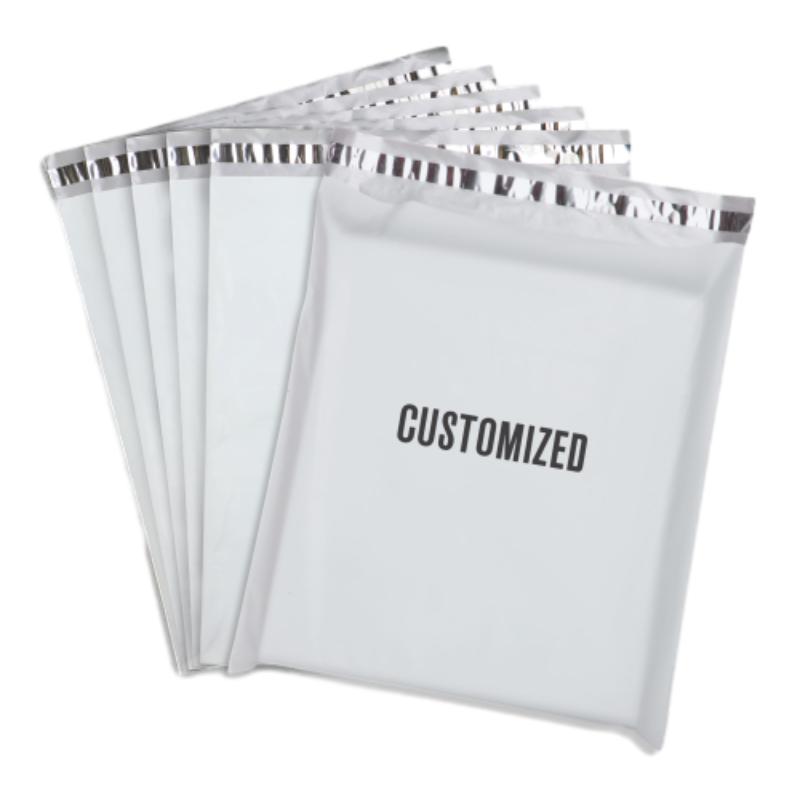
From printed logos to varied sizes and thicknesses, these mailers can be tailored easily to client specs—an increasingly important factor for brands looking to maintain visual consistency in packaging.
Mini takeaway: Black compostable mailers’ versatility and eco-friendly design address real-world shipping and sustainability demands.
Real-World Use Cases: Where Black Compostable Mailers Shine
- E-commerce Retailers: Sustainable packaging is becoming a baseline expectation. Many fashion and lifestyle brands use black compostable mailers to signal commitment while protecting products during postal transit.
- Humanitarian Aid: In disaster zones, quick shipments of medical or hygiene kits need packaging that won't pollute fragile ecosystems—compostable mailers help reduce environmental footprints in sensitive areas.
- Tech Startups: Gadgets and accessories shipped globally often arrive in these lightweight, customizable mailers, cutting down on plastic waste and enhancing unboxing experiences.
- Subscription Boxes: Sustainable mailers improve customer perception and meet demand for eco-friendly solutions in subscription services delivering anything from beauty products to snacks.
Mini takeaway: The adaptability of black compostable mailers makes them fit across industries and geographies, from urban hubs to remote relief efforts.
Advantages and Long-Term Value of Black Compostable Mailers
Ok, so they’re green—but the benefits don’t end there. The logical side reveals cost savings in landfill tipping fees and compliance with tightening packaging laws across continents. Socially, using compostable mailers builds trust with eco-conscious consumers and partners, strengthening brand loyalty.
Emotionally, many customers appreciate knowing that a parcel protects their purchase and the planet. Innovation drives choice here; companies that lead with sustainable packaging often enjoy a “first-mover” reputation and get ahead of future regulations.
Product Specification Table
| Feature | Specification |
|---|---|
| Material | PLA blend with PBAT; plant-based pigments |
| Thickness | 50 - 100 microns |
| Compostability Standard | ASTM D6400 / EN 13432 certified |
| Tear Strength | Up to 2.5 N |
| Water Resistance | High—comparable to polyethylene |
| Colors Available | Matte black standard; custom shades on demand |
Vendor Comparison: Choosing the Right Black Compostable Mailer Supplier
| Vendor | Certification | Price Per Unit | Customization Options | Lead Time |
|---|---|---|---|---|
| EcoPack Solutions | ASTM D6400 | $0.17 - $0.22 | Logo printing, sizing | 2-3 weeks |
| GreenWrap Inc. | EN 13432 | $0.20 - $0.25 | Custom colors, thickness | 3-4 weeks |
| BioMail Ltd. | ASTM & ISO certified | $0.18 - $0.23 | Full branding & sizes | 1-2 weeks |
Looking Ahead: Innovations and Emerging Trends
There’s more to this story. New research into biodegradable composites, often incorporating agricultural waste fibers, promises even stronger, more sustainable black compostable mailers. Plus, digital printing advances mean customizable designs with zero solvent inks—great for eco-conscious branding.
On the policy front, some governments are proposing bans or taxes on single-use plastics packaging, indirectly nudging companies toward compostable alternatives. Later this decade, we might see fully circular packaging ecosystems supported by blockchain tracking and AI-led waste sorting boosting composting efficiency.
Common Challenges and How Experts Are Overcoming Them
Truth be told, it’s not all sunshine. Compostable mailers sometimes face misconceptions about composting availability or improper disposal by consumers. That can undermine their environmental promise.
What solutions? Business leaders focus on:
- Educating customers on disposal methods
- Partnering with municipal composting programs
- Conducting lifecycle analyses to prove impact
- Developing mailers that degrade quickly in varied climates
It’s a work in progress, but momentum is on their side.
FAQ: Answering Your Top Questions About Black Compostable Mailers
Q: Are black compostable mailers as durable as regular plastic ones?
A: Yes, modern black compostable mailers are engineered for comparable tear resistance and water protection, ensuring packages stay safe in transit. They balance eco-friendliness with real-world performance, so switching doesn’t mean sacrificing durability.
Q: How long do black compostable mailers take to fully decompose?
A: Under industrial composting conditions, most black compostable mailers break down within 90 to 180 days. Home composting times vary widely depending on temperature and microbes, sometimes taking longer. Certification standards such as ASTM D6400 ensure predictable breakdown timelines.
Q: Can I print logos or custom designs on these mailers?
A: Definitely. Most suppliers offer printing with eco-friendly inks and tailored customization options to help brands maintain visual identity without using harmful chemicals.
Q: Are black compostable mailers accepted in curbside recycling programs?
A: Generally, no. These mailers require industrial composting facilities or proper organic waste streams. Mixing them with regular plastics can contaminate recycling. Always check local guidelines and provide clear disposal instructions.
Q: Is the higher cost of compostable mailers justified?
A: Although upfront costs can be higher, many businesses find value in improved brand reputation, compliance with regulations, and reduced environmental fees. Over time, scale and innovation continue to lower prices.
Wrapping Up: The Sustainable Future of Shipping Packaging
To sum it up, black compostable mailers represent a thoughtful leap forward in packaging technology—a “less harm, more care” approach that fits our increasingly eco-aware world. They blend the toughness shipping demands with a gentle end-of-life story, addressing both environmental and business needs.
If you’re ready to embrace sustainable shipping solutions, explore the range at black compostable mailers. It’s a small change with big implications for a cleaner planet—and frankly, that’s worth wrapping your parcels in.
Mini takeaway: Switching to black compostable mailers isn’t just packaging—it’s investing in a sustainable brand future and global wellbeing.
References:
- United Nations Environment Programme (UNEP). "Single-Use Plastics: A Roadmap for Sustainability", 2018.
- World Bank. "Global E-commerce Trends and Market Size", 2023 Report.
- ISO 18606:2013 Packaging and the Environment - Organic Recycling.
-
Secure Shipping Guide with Poly Mailer Bubble Wrap SolutionsNewsApr.16,2026
-
Secure Shipping Guide for Using Durable Bubble Parcel BagsNewsApr.09,2026
-
Comprehensive Guide to Poly Mailer Bubble for Secure and Efficient ShippingNewsApr.07,2026
-
Elevate Your Brand with Custom Designer Bubble Mailers for Effective PackagingNewsApr.04,2026
-
Comprehensive Guide to Poly Mailers with Bubble Wrap for Secure ShippingNewsMar.31,2026
-
Comprehensive Guide to Large Bubble Poly Mailers for Secure and Efficient ShippingNewsMar.28,2026
-
Have the freedom of customizing your custom mailers any way you want! Our dedicated packaging support will help deliver you the mailing experience you need to elevate your shipping experience to the next level! Start making a strong impression on your customers and stand out from your competitors! -
LIYA uses high quality raw materials which directly purchased from large enterprises domestic and overseas such as PetroChina, Sinopec, Sabic, Equate, ExxonMobil, Dow Chemical, Total, and Borouge, ensuring the price advantage and quality of the raw materials. -
LIYA uses high quality raw materials which directly purchased from large enterprises domestic and overseas such as PetroChina, Sinopec, Sabic, Equate, ExxonMobil, Dow Chemical, Total, and Borouge, ensuring the price advantage and quality of the raw materials.
 English
  Arabic
  China
China  French
  Korean
  Russian
  Spanish