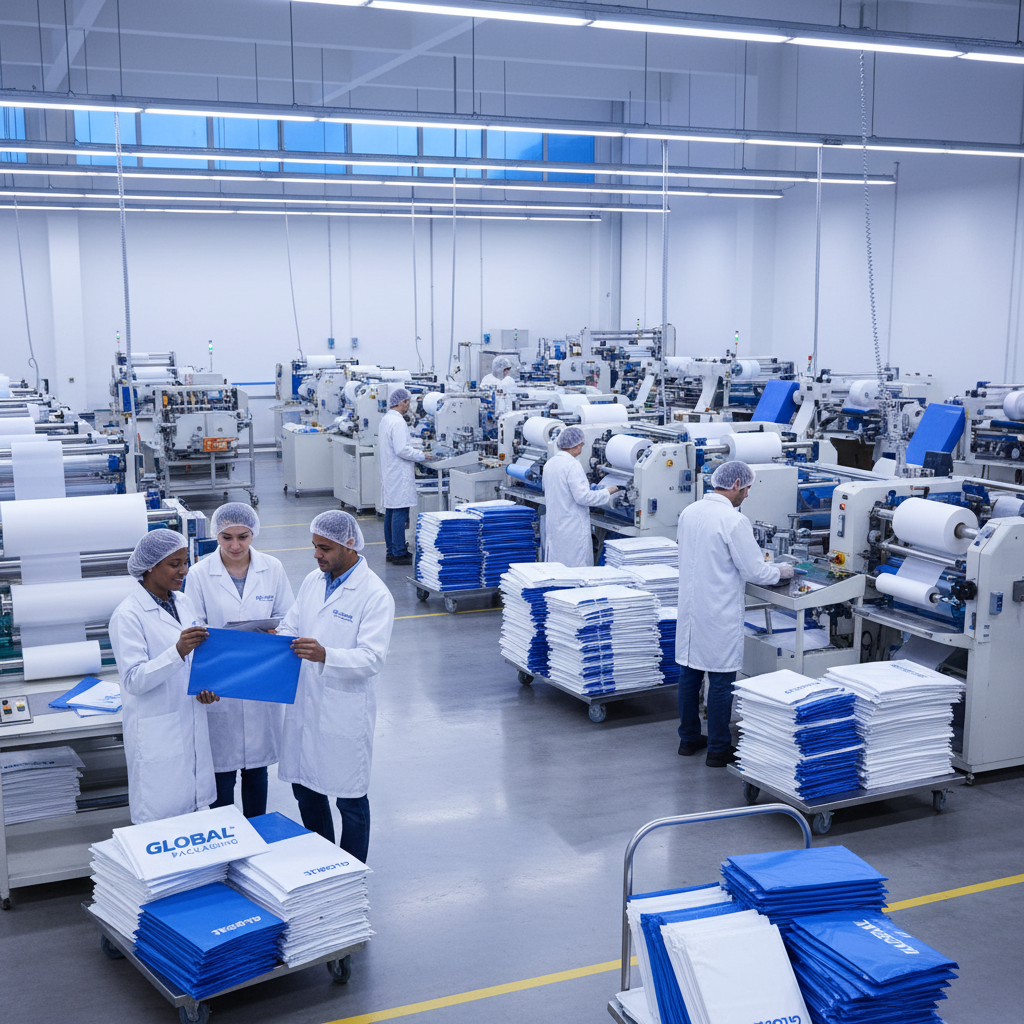
Paper mailing bags manufacturers play a crucial role in the modern packaging industry, evolving from simple containers to sophisticated branding tools. The increasing demand for sustainable packaging solutions globally fuels the growth of this sector, as businesses and consumers alike prioritize eco-friendly options. Understanding the intricacies of paper mailing bag manufacturing – from raw material sourcing to final product quality – is essential for businesses seeking reliable and responsible packaging partners.
The global packaging market is a multi-billion dollar industry, with a significant and growing segment dedicated to paper-based solutions. This growth is driven by escalating environmental concerns and stricter regulations surrounding plastic usage. Paper mailing bags manufacturers are at the forefront of this shift, offering alternatives that are both functional and environmentally sound, catering to a diverse range of industries including e-commerce, retail, and food service.
Choosing the right paper mailing bags manufacturer can significantly impact a company’s brand image and environmental footprint. Factors such as material quality, customization options, production capacity, and adherence to sustainability standards are paramount. This guide provides an in-depth look at the world of paper mailing bags manufacturers, helping businesses make informed decisions and optimize their packaging strategies.
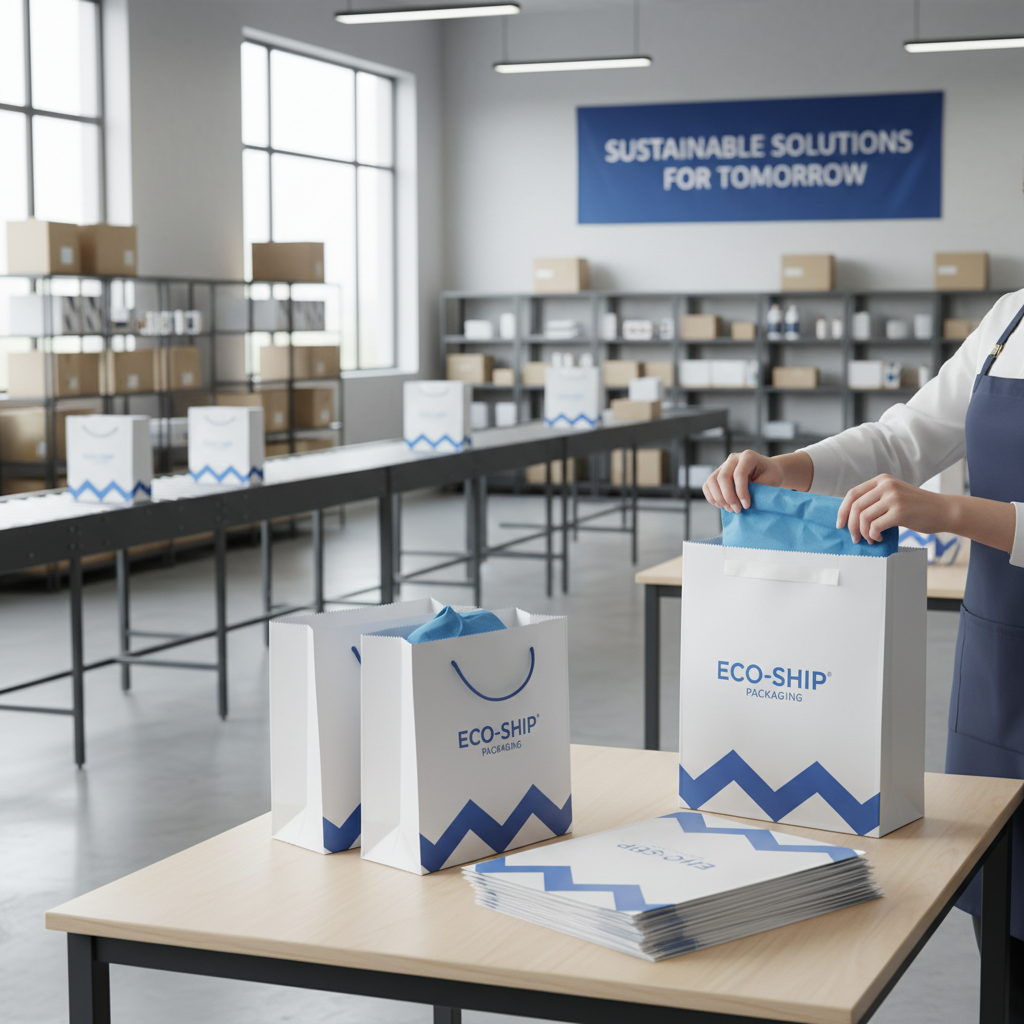
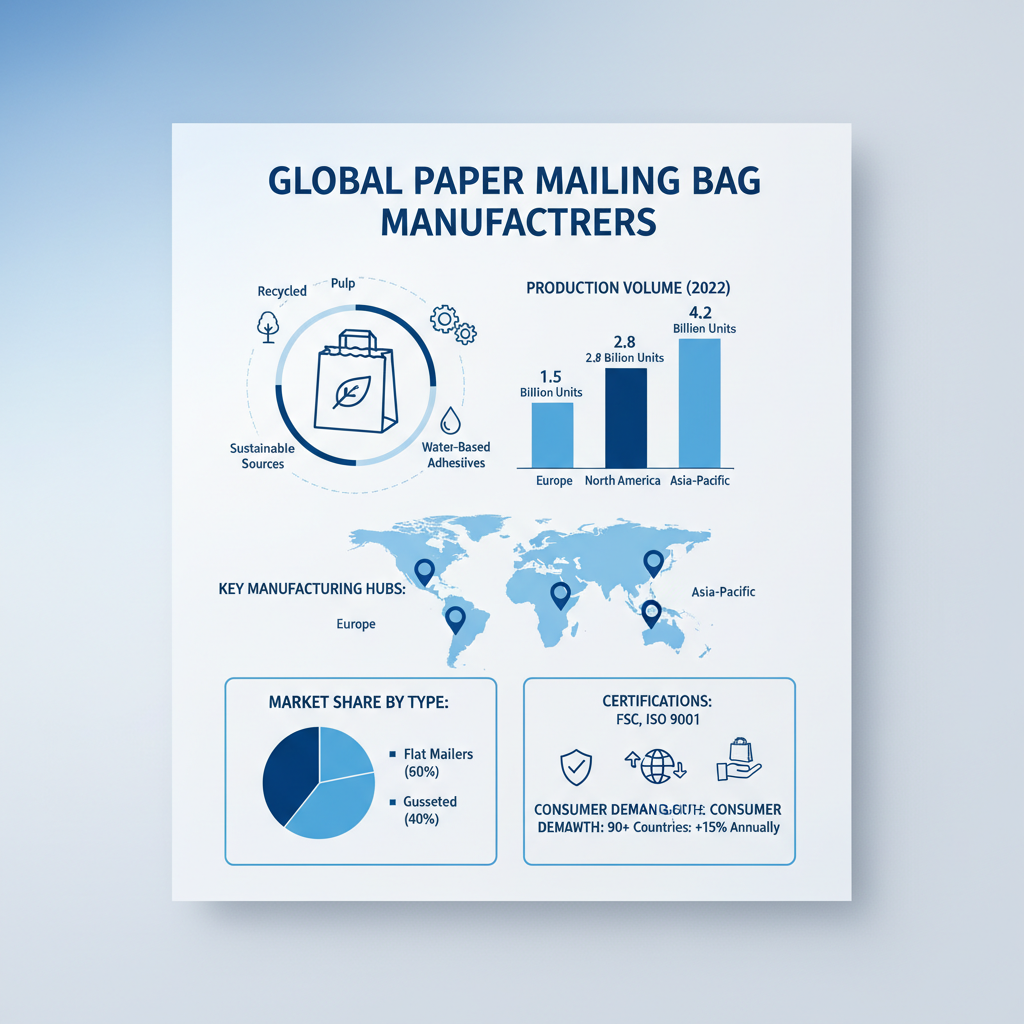
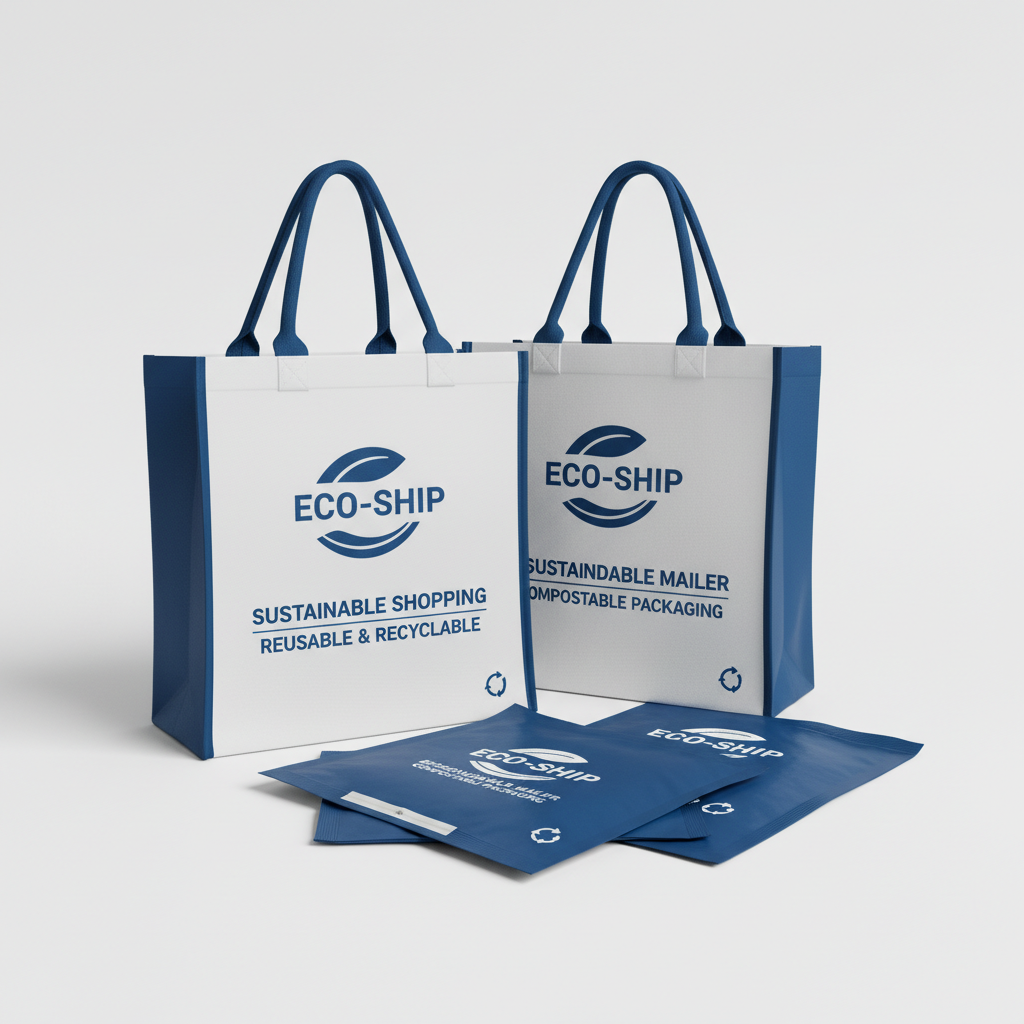
Historically, paper mailing bags were simple, unbranded containers used primarily for basic shipping needs. However, as e-commerce flourished and consumer expectations evolved, paper mailing bags manufacturers responded by offering increasingly sophisticated solutions. This includes customized printing options, diverse bag styles (pouch, flat, gusseted), and enhanced material properties for improved durability and protection.
Today, paper mailing bags are recognized as a vital component of brand identity and customer experience. Manufacturers are now focused on sustainable practices, utilizing recycled content and biodegradable materials. This shift reflects a broader industry trend towards circular economy principles and a commitment to reducing environmental impact. Partnering with a responsible paper mailing bags manufacturers is key for businesses seeking to align with these values.
Lead times for custom-printed paper mailing bags typically range from 2 to 6 weeks, depending on order volume, complexity of the design, and the manufacturer's current production schedule. Factors like artwork approval and material availability can also influence turnaround time. Choosing a reputable paper mailing bags manufacturers with efficient processes is key to minimizing delays.
The minimum order quantity varies significantly between manufacturers. Some may have a fixed MOQ, while others offer more flexible options for smaller runs. Generally, MOQs can range from 500 to 5,000 units, depending on bag size, customization options, and the manufacturer's capabilities. It's important to clarify MOQ requirements upfront when requesting a quote.
For shipping fragile items, a higher paper weight (gsm) is recommended to provide greater protection. Generally, a weight of 120gsm or higher is ideal. Consider using reinforced paper or adding internal padding for extra cushioning. The specific paper weight will depend on the weight and fragility of the item being shipped.
Standard paper mailing bags are not inherently waterproof. However, many manufacturers offer water-resistant coatings or linings to provide some level of protection against moisture. These coatings can range from simple wax treatments to more sophisticated bio-based alternatives. For full waterproof protection, consider using a separate waterproof inner liner.
Common printing options include flexography (ideal for large runs and simple designs), digital printing (suited for smaller runs and complex graphics), and offset printing (offering high-quality results for detailed artwork). Manufacturers also offer various finishing options, such as embossing, foil stamping, and varnish, to enhance the visual appeal.
Look for manufacturers that use paper certified by organizations like the Forest Stewardship Council (FSC), which ensures responsible forest management practices. Inquire about the manufacturer's sourcing policies and their commitment to using recycled content and reducing their environmental impact. A transparent paper mailing bags manufacturers will readily provide this information.
In conclusion, paper mailing bags manufacturers are instrumental in driving the transition towards sustainable packaging solutions. Their ability to innovate, adapt to evolving market demands, and prioritize environmental responsibility positions them as crucial partners for businesses seeking to enhance their brand image and reduce their environmental footprint. The industry's focus on scalability, customization, and cost-efficiency further solidifies its importance in the global supply chain.
Looking ahead, the future of paper mailing bags manufacturing will be shaped by advancements in bio-based materials, automation technologies, and evolving regulatory landscapes. Businesses are encouraged to proactively seek out reputable and sustainable paper mailing bags manufacturers to ensure they are well-positioned to meet the challenges and opportunities of a rapidly changing world.


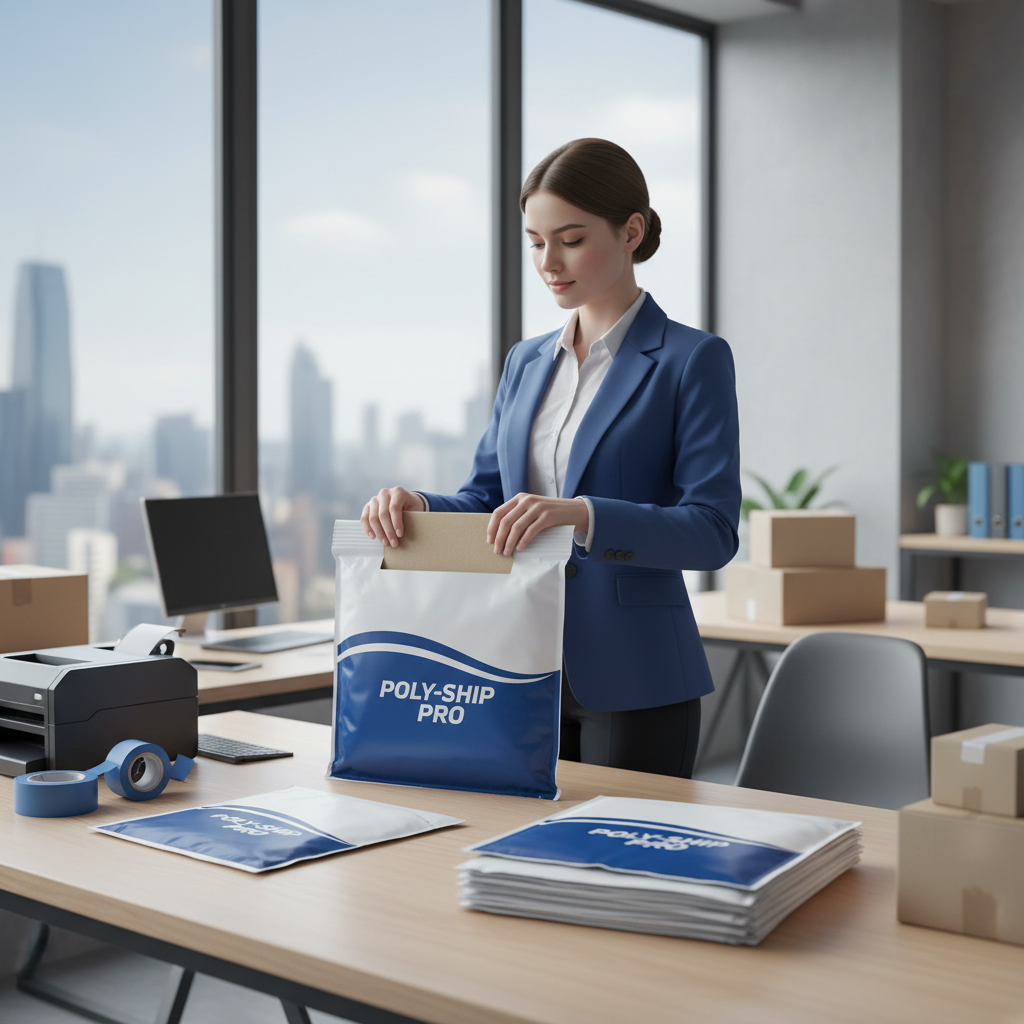
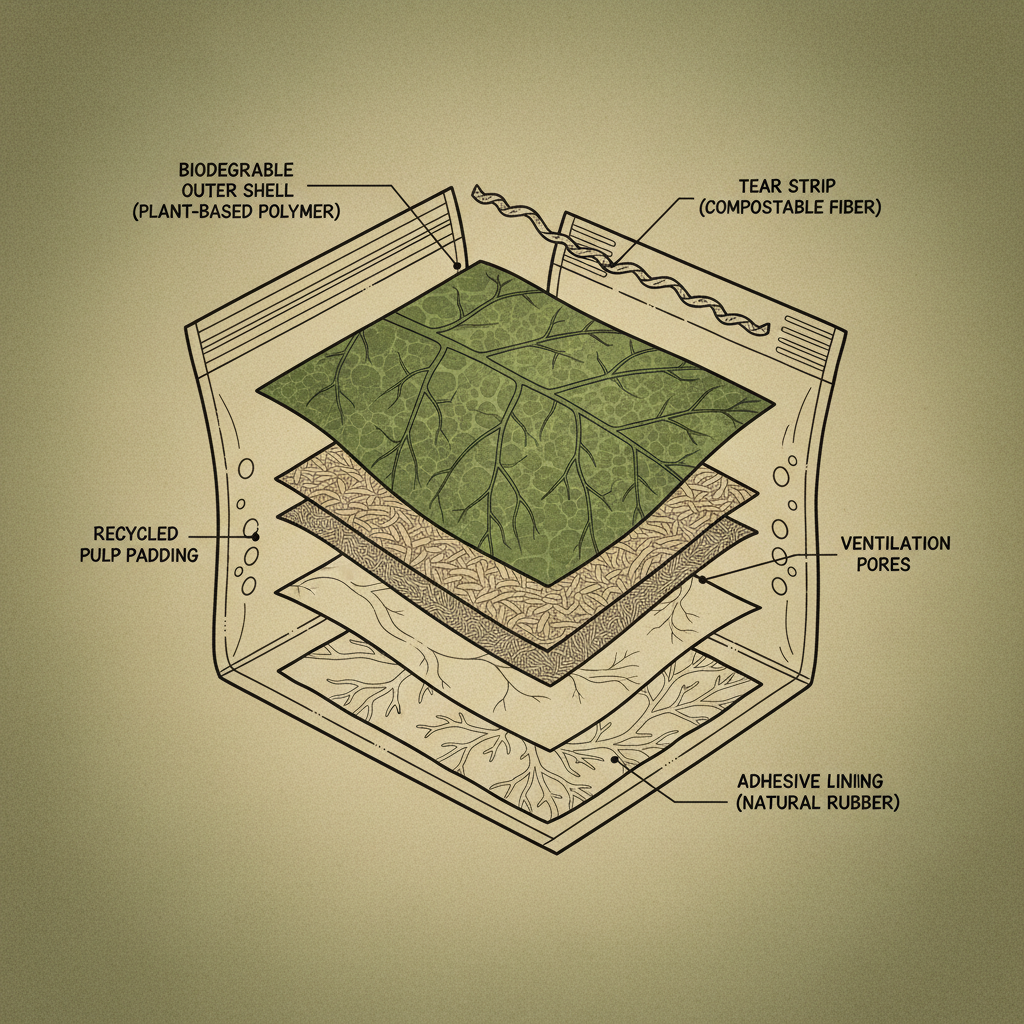
 English
  Arabic
  China
China  French
  Korean
  Russian
  Spanish