Long Shipping Bags – Efficient, Sustainable Solutions for Bulk Transport
Understanding Long Shipping Bags: Their Growing Global Importance
In today's complex global logistics and humanitarian aid landscape, the humble long shipping bag is quietly making waves. You might wonder, why should we pay attention to a product that sounds as straightforward as "a bag for long shipments"? Well, these versatile carriers are shaping how industries ship just about anything from raw materials to relief supplies with greater safety, efficiency, and environmental mindfulness.
The world’s supply chains have expanded dramatically, and with increasing pressure to reduce packaging waste and improve cargo protection, long shipping bags have become crucial. Just like containerization transformed shipping in the 20th century, these bags offer a flexible alternative or complement to rigid containers—especially when dealing with awkward, bulky, or fragile items.
The Global Context: Why Long Shipping Bags Matter More Than Ever
To get a feel for their value, consider some key stats: According to the United Nations Sustainable Development Goals, sustainable industrial innovation and infrastructure are global priorities. Packaging and transport efficiency are directly linked to reducing greenhouse gas emissions—shipping alone accounts for nearly 3% of global CO2 emissions.
Moreover, global trade has steadily increased by around 2.5% per year over the past decade (World Bank), but plastic and packaging waste make up a significant chunk of marine pollution. Long shipping bags, often made from recycled or biodegradable materials, can address both supply chain challenges and sustainability.
On a more human level, aid organizations frequently face the challenge of shipping large quantities of relief supplies quickly without damaging contents or incurring huge costs. This is where long shipping bags become a game-changer.
Mini takeaway:
- Long shipping bags are key to sustainable global logistics and humanitarian efforts.
- They help reduce environmental footprint while optimizing transport.
Breaking It Down: What Exactly Are Long Shipping Bags?
Simply put, a long shipping bag is a large, robust, flexible packaging solution designed to transport lengthy or bulky goods safely and efficiently. Their elongated shape fits products like pipes, lumber, industrial fibers, or even food-grade items in a way that rigid boxes or containers struggle with.
They often come in woven polypropylene or other reinforced fabric materials, sometimes with plastic linings or UV protection. Importantly, these bags are designed to be both rugged enough for industrial use and light enough to reduce shipping weights and costs.
Beyond industry, think of long shipping bags as indispensable in disaster zones where traditional containers can't handle quick deployment of essentials. Using these bags, NGOs can pack and ship large volumes of non-uniform items in bulk, ensuring faster rounding up of aid.
Mini takeaway:
- Long shipping bags = flexible, durable, and efficient packaging for long and bulky items.
- They span industries from manufacturing to humanitarian logistics with ease.
Core Factors that Make Long Shipping Bags Stand Out
Durability
High tensile strength materials like woven polypropylene ensure bags withstand rough handling, weather exposure, and heavy loads. Some include double stitching and coated linings for extra security. This durability means fewer returns or losses during transit.
Scalability
Thanks to flexible sizing options—ranging from a few feet to over 10 meters—users can customize dimensions based on cargo needs, reducing waste and avoiding unnecessary extra packaging.
Cost Efficiency
Compared to rigid containers or wooden crates, these bags are typically more affordable, cut down on empty space, and help lower freight costs due to their light weight.
Environmental Sustainability
Many long shipping bags incorporate recyclable or biodegradable materials. This aligns perfectly with ISO standards for sustainable packaging, reducing plastic waste and contributing to circular economies.
Ease of Handling
Built with reinforced handles or loops, these bags can be easily lifted by forklifts or cranes, speeding up logistics operations without adding extra equipment.
| Specification | Details |
|---|---|
| Material | Woven Polypropylene with UV Stabilizer |
| Max Dimensions | Up to 12 meters length, 1.5 meters width |
| Weight Capacity | Up to 1,200 kg |
| UV Resistance | 6 months exposure |
| Closure | Zip-tie, drawstring, or flap seal options |
Real-World Impact: Applications Across Regions and Sectors
In industrial zones from Southeast Asia’s manufacturing hubs to remote mining sites in Africa, long shipping bags help move irregular-shaped goods that don’t fit standard crates. For example, bamboo poles, aluminum extrusions, or large textile rolls are all typically packed in these bags for efficient transport.
Then there’s humanitarian aid. Organizations responding to natural disasters—think typhoon-ravaged islands or flood zones—need to dispatch bulky items like tarps, tents, and water containers urgently. Long shipping bags facilitate this by allowing for bulk shipment without damage or costly repackaging.
Logging and lumber industries often prefer them over crates, reducing wood waste. In Europe, long shipping bags are also used for eco-friendly grain and seed transport, as some meet strict food safety standards.
Mini takeaway:
- Long shipping bags serve diverse industries: manufacturing, forestry, humanitarian aid, agriculture.
- They’re especially valuable in areas requiring flexible and rugged packaging solutions.
Advantages & Why Long Shipping Bags Offer Long-Term Value
Frankly, it’s the combination of reliability, cost-effectiveness, and environmental benefits that make these bags so valuable. You get:
- Reduced damage rates: cushioned fabric protects irregular cargo better than rigid containers.
- Lower costs: lighter and cheaper to produce and ship.
- Social impact: better aid packet deliveries translate to improved dignity and safety for recipients.
- Sustainability: Many bags use recyclable materials and reduce the carbon footprint.
- Innovation drive: manufacturers continuously design bags with antimicrobial coatings and smart tracking tags.
On an emotional angle, companies and NGOs alike tend to trust solutions that "just work" and reduce headaches during logistics crunch times. Customers often report peace of mind knowing their shipments won’t face unexpected delays due to damaged packaging.
What’s Next? Trends and Innovations in Long Shipping Bags
Emerging tech like biodegradable composites and self-healing fabrics is gradually entering the market. Some vendors experiment with embedded IoT sensors or QR-coded labels on bags, allowing real-time cargo monitoring to improve supply chain transparency.
Automation in packaging lines means these bags can now be custom-sized on-demand, reducing excess material use. Also, strict new ISO standards on plastic use encourage manufacturers to innovate with greener materials.
Challenges & Solutions: Navigating Common Hurdles
Sure, not everything is perfect. Sometimes, these bags can be vulnerable to sharp objects or spray liquids if not treated properly. Other times, improper storage leads to UV degradation sooner than expected.
Experts recommend pairing long shipping bags with protective liners or secondary covers for sensitive goods. Also, ongoing training in handling and proper packaging procedures tends to reduce damage claims significantly. Across the board, standardizing bag testing for each use case improves confidence.
Frequently Asked Questions About Long Shipping Bags
- What types of goods are best suited for long shipping bags?
- Long shipping bags excel at transporting elongated or bulky goods like lumber, pipes, textiles, and agricultural products. Their flexible size and shape make them ideal where rigid crates or boxes fall short.
- Can long shipping bags be reused or recycled?
- Yes, many are designed for multiple uses and made from recyclable polypropylene. Some newer models also use biodegradable materials, fitting sustainability goals.
- How do long shipping bags compare cost-wise to traditional containers?
- Generally, they are lighter and cheaper to produce, handle, and ship. This translates to lower freight and packaging expenses, especially for irregularly sized cargo.
- Are long shipping bags suitable for international shipments?
- Absolutely. Many are compliant with international shipping standards and can handle various climates and handling conditions, making them perfect for global trade.
- How can aid organizations utilize long shipping bags most effectively?
- By using modular sizing, reinforced closures, and protective liners, NGOs can safely ship large quantities of critical relief supplies quickly and cost-effectively in long shipping bags.
Wrapping It Up: Why Long Shipping Bags Are a Smart Choice
If there’s one thing to take away, it’s that long shipping bags are not just "bags." They’re a symbol of evolving logistics ingenuity responding to modern-day challenges in trade, sustainability, and humanitarian aid. That blend of flexibility, eco-awareness, and cost savings means they’ll only become more prominent.
So, if you’re in manufacturing, shipping, or relief work, consider how long shipping bags can simplify your operations and promote greener practices. Visit the website, browse their options, and see how easy it is to upgrade your packaging game.
| Vendor | Material Options | Customization | Lead Time | Sustainability Focus |
|---|---|---|---|---|
| LiyaBioBag | Recycled PP, Bio-based composite | Fully customizable sizes & closures | 2-4 weeks | High (ISO 14001 certified) |
| TransPack Solutions | Standard PP, UV resistant | Limited customization | 3-6 weeks | Moderate |
| GreenPack International | Biodegradable blends | Custom sizes, limited styles | 4-8 weeks | Very High |
Final Thoughts
Long shipping bags may just seem like one of those quiet workhorses in the shipping world—but delve a little deeper and you see their potential: to lower emissions, streamline logistics, support global trade diversity, and bring essential goods to those in need, reliably and affordably.
References:
-
Secure Shipping Guide with Poly Mailer Bubble Wrap SolutionsNewsApr.16,2026
-
Secure Shipping Guide for Using Durable Bubble Parcel BagsNewsApr.09,2026
-
Comprehensive Guide to Poly Mailer Bubble for Secure and Efficient ShippingNewsApr.07,2026
-
Elevate Your Brand with Custom Designer Bubble Mailers for Effective PackagingNewsApr.04,2026
-
Comprehensive Guide to Poly Mailers with Bubble Wrap for Secure ShippingNewsMar.31,2026
-
Comprehensive Guide to Large Bubble Poly Mailers for Secure and Efficient ShippingNewsMar.28,2026
-
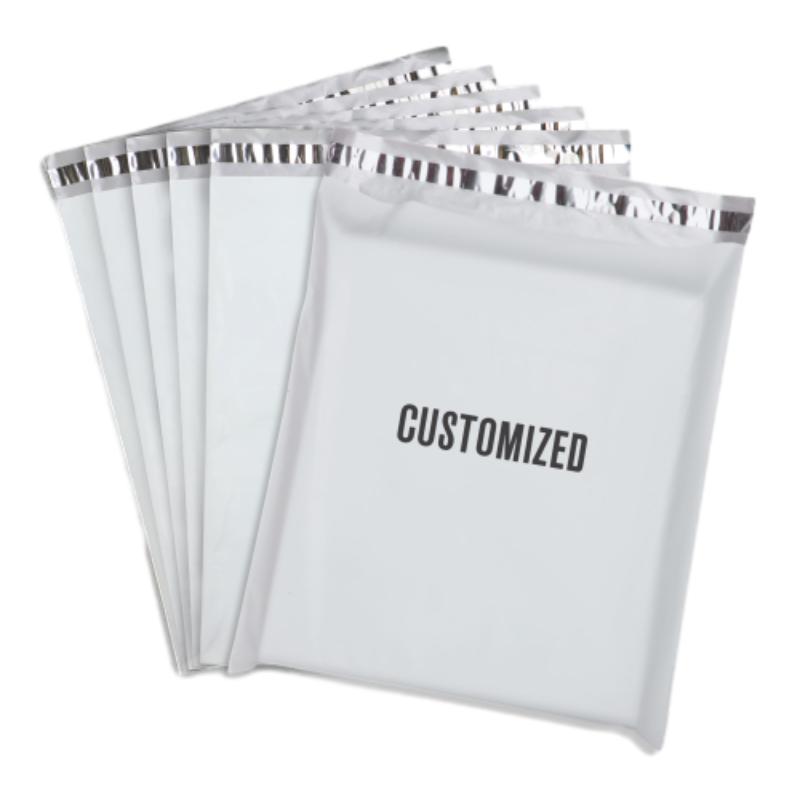
Have the freedom of customizing your custom mailers any way you want! Our dedicated packaging support will help deliver you the mailing experience you need to elevate your shipping experience to the next level! Start making a strong impression on your customers and stand out from your competitors! -
LIYA uses high quality raw materials which directly purchased from large enterprises domestic and overseas such as PetroChina, Sinopec, Sabic, Equate, ExxonMobil, Dow Chemical, Total, and Borouge, ensuring the price advantage and quality of the raw materials. -
LIYA uses high quality raw materials which directly purchased from large enterprises domestic and overseas such as PetroChina, Sinopec, Sabic, Equate, ExxonMobil, Dow Chemical, Total, and Borouge, ensuring the price advantage and quality of the raw materials.

 English
  Arabic
  China
China  French
  Korean
  Russian
  Spanish