Look, I've spent the last fifteen years knee-deep in dust and concrete, watching stuff get built. I've seen packaging that falls apart before it hits the job site, and packaging that creates more waste than the materials it’s protecting. That's why understanding custom packaging poly mailers isn’t just about a bag, it’s about efficiency, cost control, and frankly, keeping things from getting ruined in transit. Good packaging isn't just a container; it's an extension of quality control, starting the moment a component leaves the factory.
What I’ve learned out there is, speed and reliability are king. We're on tight schedules, and every delay costs money. Standard packaging often means extra layers of protection, more labor to apply it, and ultimately, more to dispose of. Custom packaging poly mailers allows us to streamline that process – get materials to the site, protected and ready to go, with minimal fuss. It's about minimizing downtime and keeping the project moving.
The industry's moving towards just-in-time delivery and pre-fabricated components. That means more smaller shipments, more frequent deliveries, and a need for packaging that can handle that complexity. It’s also about branding—showing up with professional, branded packaging gives a good impression, signals quality, and can even prevent theft on larger sites. It's a subtle detail, but it matters.
The Core Principles of custom packaging poly mailers
The whole point of custom packaging poly mailers boils down to fit and protection. You wouldn’t ship a delicate sensor in the same bag as a stack of rebar, right? It's about understanding the specific needs of what you’re sending. Is it moisture-sensitive? Does it need puncture resistance? Are there static discharge concerns? A one-size-fits-all approach just doesn’t cut it.
From where I stand, it’s also about reducing the amount of “dunnage” – the filler material used to protect products. Custom-sized mailers minimize wasted space, meaning less bubble wrap, foam peanuts, and ultimately, less landfill waste. That’s a win-win, especially with increasing pressure to meet sustainability goals.
Global Demand and Market Dynamics for custom packaging poly mailers
I’ve seen the demand for this stuff go through the roof in the last few years. It’s not just construction, it’s e-commerce, medical supplies, everything. The global supply chain disruptions really highlighted the need for reliable, customized packaging. Companies can’t afford to have products damaged or delayed in transit. It’s too costly.
What’s driving this? A couple of things. First, the growth of direct-to-consumer sales means more individual shipments. Second, increasing specialization in manufacturing means more intricate components that require specific protection. Third, stricter regulations around packaging waste are pushing companies to adopt more sustainable solutions. Custom poly mailers that are recyclable or biodegradable are becoming the norm, not the exception.
We're seeing a significant increase in demand for specialized features like tamper-evident seals and track-and-trace technology integrated into the packaging. It’s all about supply chain visibility and security, especially for high-value items.
Defining Custom Packaging Poly Mailers: A Practical Perspective
Let's cut through the marketing jargon. A custom packaging poly mailer isn't just a plastic bag with a logo on it. It's a packaging solution specifically designed to protect a particular product or set of products during shipment. That means considering dimensions, weight, fragility, and environmental factors. It's about tailoring the material, thickness, and features to meet those specific needs.
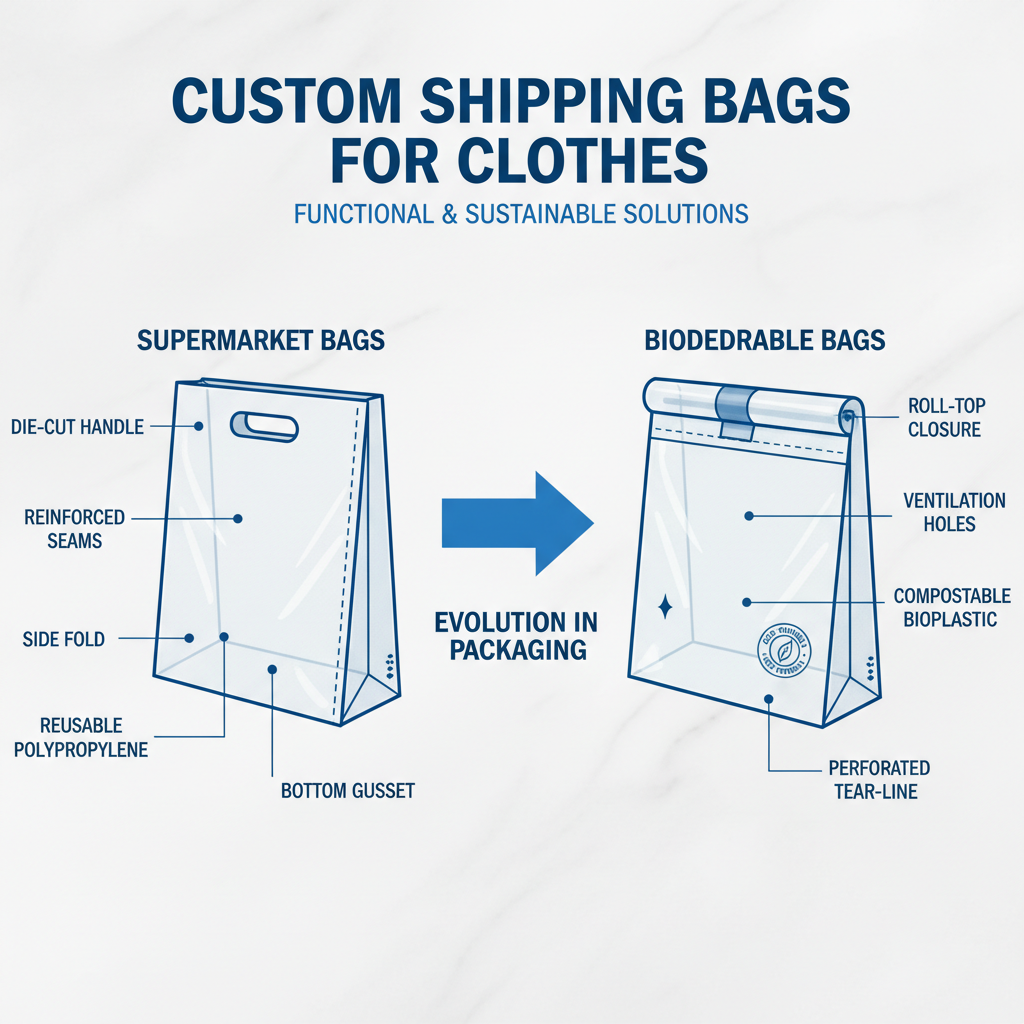
From a practical standpoint, it involves working with a packaging supplier to determine the right specifications. That could mean specifying a particular gauge of polyethylene film, adding a reinforced bottom gusset, or incorporating anti-static properties. It's a collaborative process, and a good supplier will offer guidance and expertise.
Increasingly, we're seeing demand for options beyond traditional polyethylene. Bio-based poly mailers, compostable materials, and recycled content are becoming more prevalent, driven by a desire for more sustainable packaging solutions. This shift is influenced by both consumer pressure and evolving environmental regulations.
Key Performance Indicators of custom packaging poly mailers
When evaluating custom packaging poly mailers, it's not just about price. You need to look at the whole picture. From my experience, several KPIs are critical.
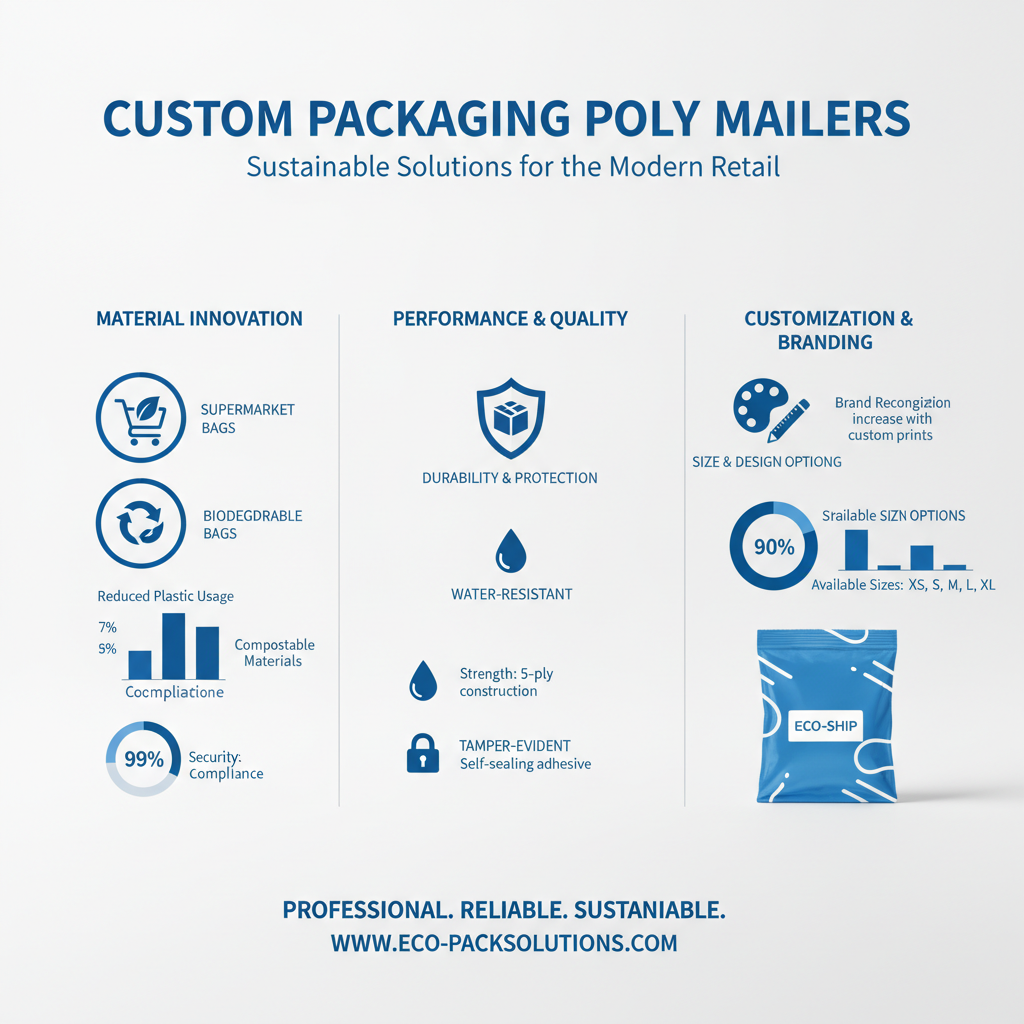
Durability is number one. How well does the mailer withstand punctures, tears, and abrasion during handling and transit? We've run drop tests and compression tests on different materials to determine their strength. Cost-effectiveness is obviously important, but you have to factor in the cost of damage and returns if the packaging fails.
Comparison of Custom Poly Mailer Performance
Real-World Applications of custom packaging poly mailers
I’ve seen these mailers used for everything from shipping precision instruments to protecting delicate architectural models. In construction, we use them extensively for shipping small parts like fasteners, sensors, and control components. The ability to customize the size and features is crucial for minimizing damage during transport.
I also saw a project where they were used to ship pre-fabricated bathroom pods. They weren't the primary packaging for the pods themselves, but they used custom poly mailers to ship all the internal fittings and fixtures—toilets, sinks, faucets—ensuring everything arrived on site in perfect condition.
The Long-Term Value Proposition of custom packaging poly mailers
Look, it’s easy to focus on the upfront cost, but that's a mistake. The real value of custom packaging poly mailers lies in reducing total landed cost. That means minimizing damage, returns, and labor costs associated with repackaging. It also means improving customer satisfaction, which is huge for repeat business.
From a sustainability perspective, reducing packaging waste and using eco-friendly materials can enhance a company’s brand image and attract environmentally conscious customers. That's becoming increasingly important.
Investing in good packaging is investing in your reputation. It's a signal to your customers that you care about quality and attention to detail.
Emerging Trends and Future Innovations in custom packaging poly mailers
I'm keeping a close eye on several developments. First, the integration of smart packaging technologies—things like RFID tags and QR codes—to track shipments and provide real-time visibility. Second, the development of more advanced bio-based and compostable materials that offer comparable performance to traditional plastics.
Third, we’re seeing a push for more automation in packaging processes. Automated bagging systems and robotic packing lines can significantly reduce labor costs and improve efficiency. And finally, there’s a growing focus on closed-loop packaging systems, where packaging materials are collected, recycled, and reused.
The future of custom packaging poly mailers is about combining functionality, sustainability, and technology to create packaging solutions that are both efficient and environmentally responsible.
Key Considerations for Selecting Custom Poly Mailer Materials
| Material Type |
Durability Score (1-10) |
Sustainability Rating (1-10) |
Cost per Unit |
| Standard Low-Density Polyethylene (LDPE) |
6 |
3 |
$0.05 |
| Reinforced LDPE with Co-Extrusion |
8 |
4 |
$0.08 |
| Bio-Based Polyethylene (Sugarcane-Derived) |
7 |
8 |
$0.12 |
| Recycled Polyethylene (PCR) |
6 |
9 |
$0.10 |
| Anti-Static Polyethylene |
7 |
3 |
$0.15 |
| Compostable Poly Mailer (PLA-Based) |
5 |
10 |
$0.20 |
FAQS
From a jobsite perspective, the biggest advantage is speed and waste reduction. Boxes take time to assemble, require tape, and generate a lot of cardboard waste. Custom poly mailers eliminate those steps. They’re lightweight, flexible, and often cheaper to dispose of, especially if you’re using a recyclable or compostable option. Plus, they take up less storage space.
The thickness depends on the weight and fragility of the contents. For lightweight items like documents or small parts, a 1.5-2 mil (thousandths of an inch) mailer might be sufficient. For heavier or more delicate items, you’ll want to go with a thicker gauge, like 2.5-3 mil. It’s always better to err on the side of caution and choose a thicker mailer if you’re unsure. Your supplier can help you determine the appropriate gauge.
It’s not always a straightforward answer. Cardboard is recyclable, but it also requires significant resources to produce. Custom poly mailers, especially those made from recycled or bio-based materials, can have a lower environmental impact, particularly when you consider the reduced weight and shipping costs. Plus, the reduced waste from eliminating boxes is a big plus. It really depends on the specific materials used and the end-of-life management of the packaging.
Turnaround time varies depending on the complexity of the order and the supplier's production schedule. Typically, you can expect a lead time of 2-4 weeks for a custom order. It's always best to plan ahead and place your order well in advance of when you need the mailers, especially during peak seasons. Some suppliers offer expedited options for an additional fee.
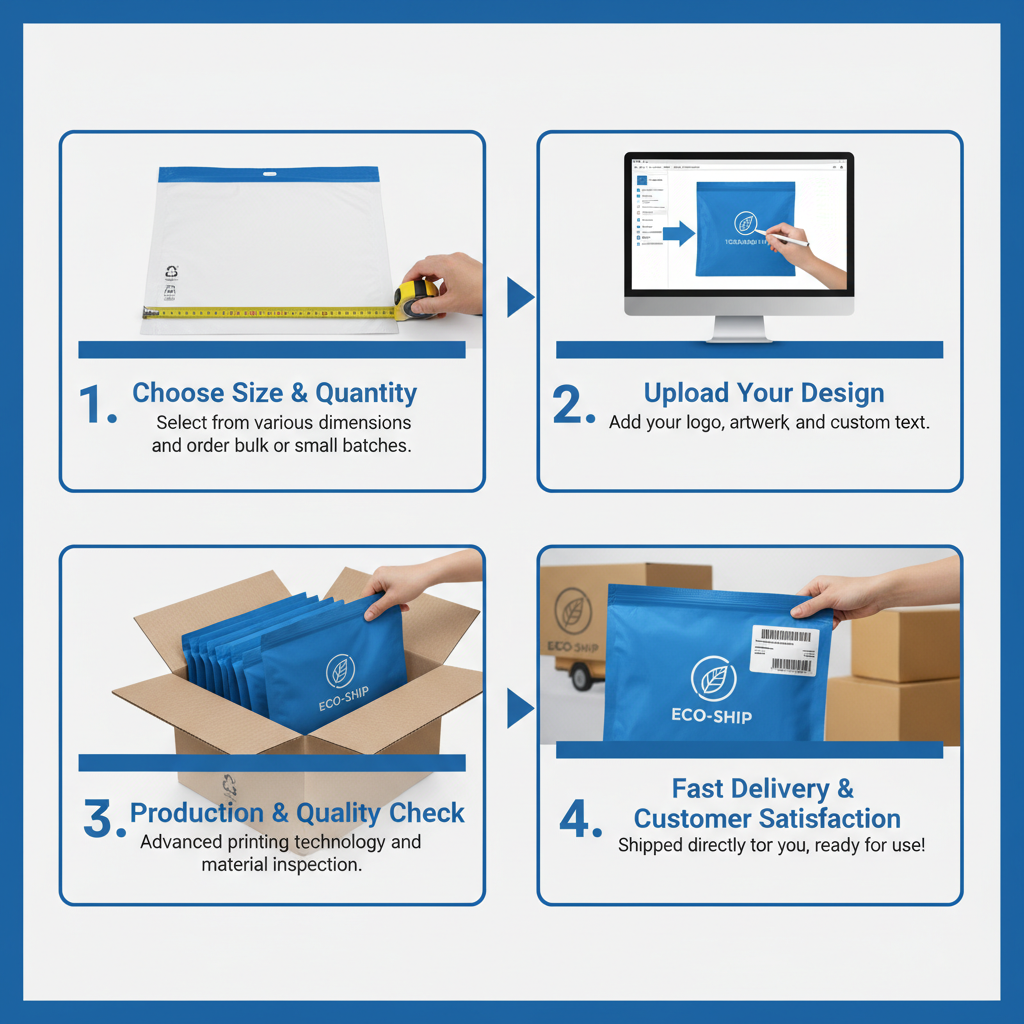
Absolutely. That’s the whole point of custom packaging! Most suppliers offer printing services to add your logo, company name, and other branding elements to the mailers. You'll need to provide them with a high-resolution artwork file. Be sure to discuss printing options and costs with your supplier beforehand.
Don't underestimate the importance of accurate measurements. Provide precise dimensions for your products to ensure a proper fit. Also, be clear about your requirements for thickness, material, and printing. And finally, get quotes from multiple suppliers to compare pricing and services. A little due diligence can save you a lot of headaches down the road.
Conclusion
Ultimately, custom packaging poly mailers isn't just about the bag itself. It’s about streamlining your supply chain, reducing costs, minimizing waste, and protecting your products. It’s about understanding that packaging is a critical component of the overall customer experience, and investing in the right solution can pay dividends in terms of efficiency, sustainability, and brand reputation.
If you're still relying on one-size-fits-all packaging, you're likely leaving money on the table and exposing yourself to unnecessary risks. I strongly recommend taking the time to evaluate your current packaging needs and explore the benefits of custom poly mailers. A little upfront investment can save you a lot of headaches – and money – in the long run.


 English
  Arabic
  China
China  French
  Korean
  Russian
  Spanish