Look, I’ve spent the last twenty years on construction sites, wrestling with logistics, materials, and the constant need to get things delivered safely and efficiently. And let me tell you, packaging – specifically, how we ship apparel for the workforce – has been a consistent headache. We're not talking about fancy retail here; we're talking about rugged, durable clothing that needs to withstand tough conditions, and the packaging has to hold up just as well. custom apparel shipping bags are a game changer because they address a real need for reliable, cost-effective solutions in this space. It’s about protecting the investment in quality workwear, reducing damage during transit, and streamlining the whole supply chain.
For too long, we’ve been patching things up with whatever’s cheap – standard poly bags that tear easily, boxes that get crushed, and a whole lot of wasted time and money replacing damaged goods. This isn't just about convenience; it impacts project timelines, budgets, and even worker safety if deliveries are delayed. The demand for specialized packaging, like custom apparel shipping bags, is growing because companies are finally realizing the hidden costs of settling for less. It's about professionalism, durability, and, frankly, respect for the people who rely on that clothing to get the job done.
I’ve seen firsthand how a properly packaged garment can make the difference between a smooth operation and a chaotic scramble. And with increasing focus on sustainability and brand image – even on construction sites – the need for eco-friendly and customizable shipping options is becoming critical. This isn't a luxury; it’s a necessary investment in operational efficiency and a reflection of a company’s commitment to quality.
The Core Value of Custom Apparel Shipping Bags
From my perspective on-site, it's always been about protecting the investment. We're not just shipping fabric; we're shipping vital protective gear. Custom apparel shipping bags offer a level of protection and branding that generic options simply can’t match. They’re designed specifically for the demands of workwear, meaning they can withstand rough handling, varying weather conditions, and the general wear and tear of the supply chain.
It’s a surprisingly impactful detail. When a crew receives apparel in professional, undamaged packaging, it speaks volumes about the company's commitment to quality and the wellbeing of its workers. It’s a small thing, but it builds trust and reinforces a positive brand image, even on a muddy construction site.
Global Relevance and Industry Challenges
The need for reliable shipping solutions isn’t limited to construction. It spans industries like oil and gas, mining, utilities, and even large-scale agricultural operations – anywhere a workforce relies on durable clothing. Globally, the apparel market is massive, and a significant portion of that involves workwear. According to the International Labour Organization (ILO), there are over 2.72 billion workers worldwide, many of whom require specialized clothing.
The challenge is the complexity of the supply chain. Goods are often shipped across continents, handled by multiple carriers, and stored in various conditions. Standard packaging frequently fails to cope with this level of stress, leading to damage, delays, and increased costs. We also face the growing pressure to reduce waste and adopt sustainable practices, pushing the demand for eco-friendly packaging solutions.
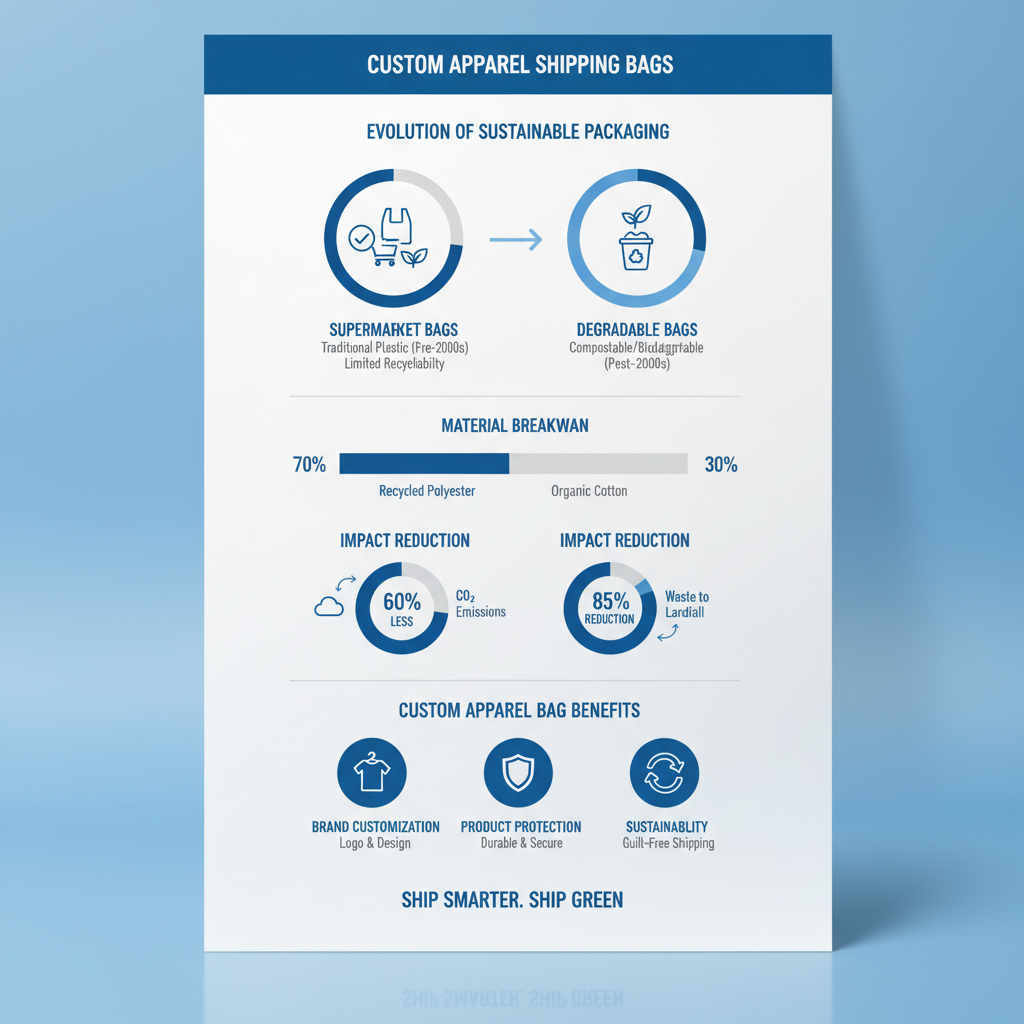
The UN Sustainable Development Goals (SDGs) emphasize responsible consumption and production (Goal 12), and companies are increasingly held accountable for their environmental impact. Custom apparel shipping bags, particularly those made from recycled or biodegradable materials, can contribute significantly to these efforts.
Defining Custom Apparel Shipping Bags
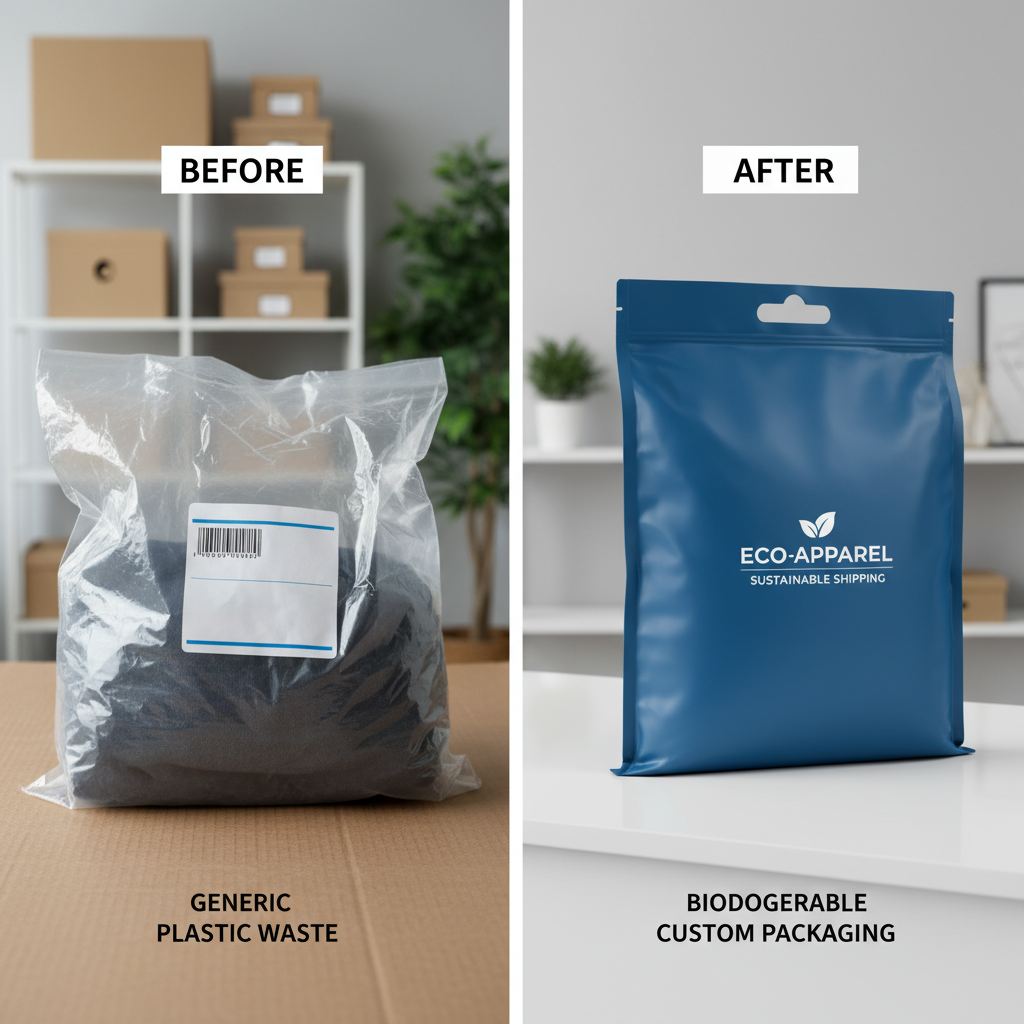
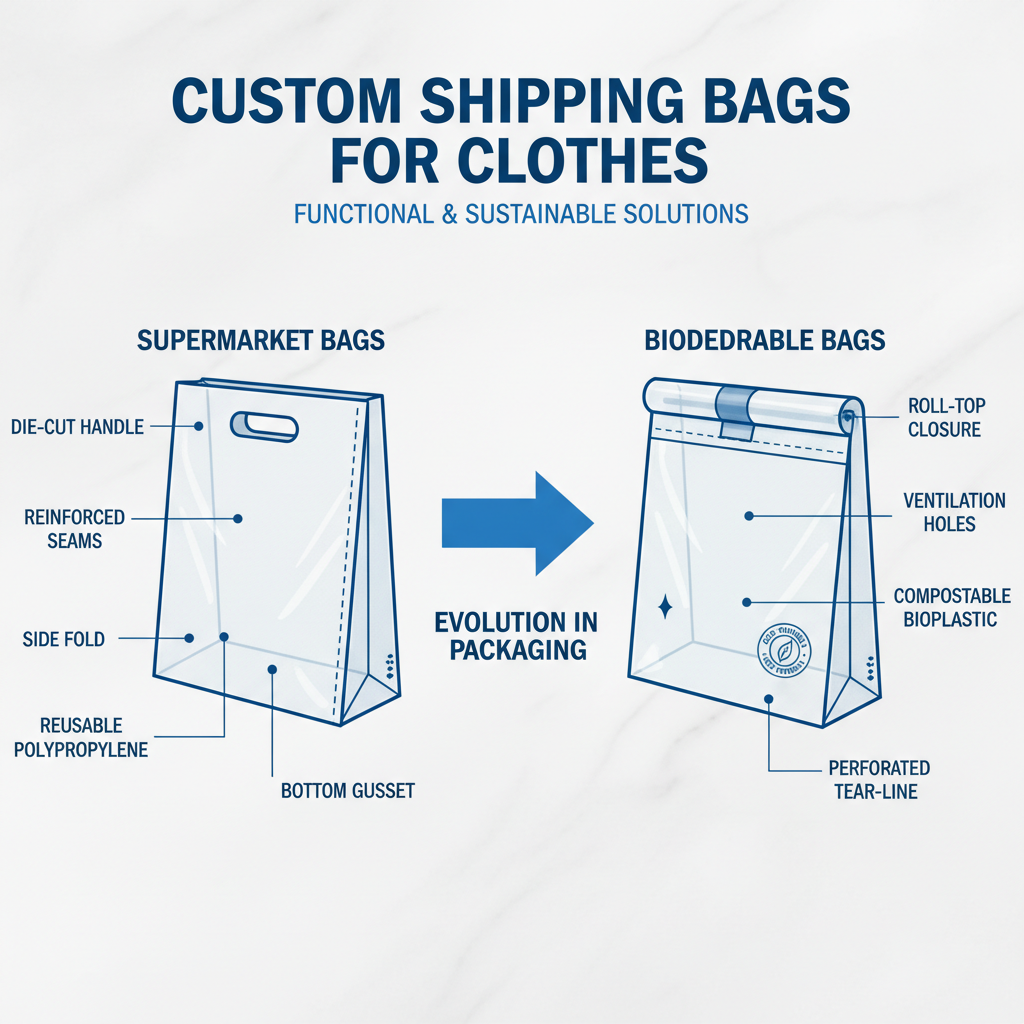
Simply put, custom apparel shipping bags are packaging solutions specifically designed for the unique requirements of shipping workwear and other specialized apparel. They go beyond a standard poly bag, often incorporating features like reinforced seams, puncture-resistant materials, and custom printing.
Unlike generic packaging, these bags can be tailored to the specific size and shape of the garments, providing a snug fit and minimizing movement during transit. They can also be branded with company logos, safety information, or other relevant details, enhancing brand recognition and providing valuable information to the recipient.
This is about more than just aesthetics. It's about creating a professional and efficient system that protects the product, reinforces the brand, and streamlines the supply chain. It’s a crucial component of a well-managed operation, and it connects directly to the bottom line.
Key Factors: Durability, Cost, and Customization
There are three main things I look at when evaluating packaging: durability, cost-effectiveness, and the ability to customize. Durability is paramount. If a bag rips or tears during shipping, you've lost all the benefits. The materials need to be able to withstand abrasion, punctures, and the weight of the garments inside.
Cost is always a factor, but you need to look at the total cost of ownership. A slightly more expensive bag that prevents damage and reduces returns will ultimately save you money. Customization is important for branding and providing clear identification of the contents. It also allows for the inclusion of important safety information or instructions.
Custom Apparel Shipping Bags: Feature Importance
Real-World Applications Across Industries
I’ve seen these bags used effectively in everything from supplying uniforms to large construction crews to shipping protective gear for oil rig workers. In remote industrial zones, where reliable delivery is critical, the durability of custom apparel shipping bags can be a lifesaver.
They are also becoming increasingly popular in industries with strict hygiene requirements, like healthcare and food processing, where the packaging needs to protect against contamination. Even in large retail distribution centers, where volume is high and handling is rough, these bags offer a significant improvement over standard options.
Long-Term Benefits & Value Proposition
The benefits extend beyond simply preventing damage. Custom apparel shipping bags contribute to a more efficient supply chain, reducing the need for replacements and minimizing delays. This translates to cost savings, improved productivity, and increased customer satisfaction.
From a sustainability standpoint, using durable, reusable, or recyclable packaging reduces waste and demonstrates a commitment to environmental responsibility. This is increasingly important for companies looking to enhance their brand image and appeal to environmentally conscious customers and stakeholders. It’s not just good for the bottom line; it’s the right thing to do.
Ultimately, it's about building trust. When your team receives their gear in a professional, protective package, it shows them you care about their safety and wellbeing. That's a powerful message, and it translates into increased morale and a more productive workforce.
Future Trends and Innovations in Packaging
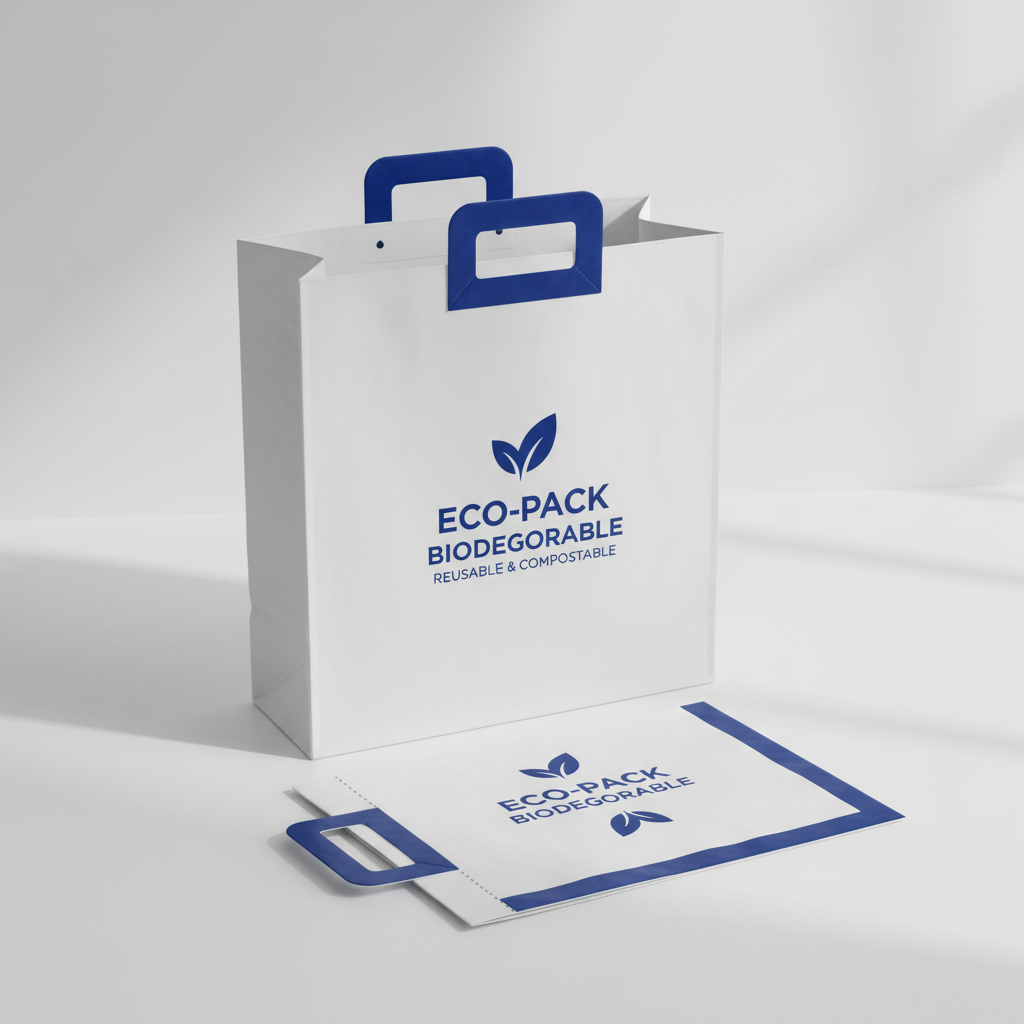
We're seeing a lot of innovation in the packaging space right now, with a focus on sustainable materials and smart packaging technologies. Biodegradable and compostable materials are becoming more readily available, offering a viable alternative to traditional plastics.
There's also growing interest in incorporating RFID tags or QR codes into packaging for tracking and inventory management. This can provide real-time visibility into the supply chain, allowing companies to identify potential problems and optimize their operations.
I expect to see a continued push towards customized packaging solutions that are tailored to the specific needs of each industry and application. Custom apparel shipping bags will play a key role in this trend, offering a flexible and cost-effective way to protect and promote valuable workwear.
Analysis of Current Approaches to Custom Apparel Shipping Bags
| Packaging Material |
Durability Score (1-10) |
Cost per Unit ($) |
Sustainability Rating (1-10) |
| Standard Polyethylene |
3 |
0.05 |
2 |
| Reinforced Polypropylene |
6 |
0.12 |
3 |
| Biodegradable PLA |
5 |
0.25 |
8 |
| Recycled PET |
7 |
0.18 |
7 |
| Custom Woven Polypropylene |
9 |
0.30 |
4 |
| Heavy-Duty Recycled Nylon |
10 |
0.45 |
9 |
FAQS
The biggest difference is durability. Standard poly bags tear easily, leading to damaged goods and increased returns. Custom bags are designed with reinforced materials and construction to withstand rough handling and harsh conditions. They also offer branding opportunities and can be customized to fit your specific apparel sizes, reducing wasted space and improving efficiency. Long term you'll save on replacement costs and improve customer satisfaction.
We work with you to assess your specific needs. Factors to consider include the type of apparel, the shipping distance, and the handling conditions. We’ll help you select the appropriate material (e.g., polypropylene, recycled PET, biodegradable PLA) and dimensions to ensure optimal protection and cost-effectiveness. Providing samples of your apparel is a great starting point.
Absolutely. Many custom bags can be made from recycled materials like recycled PET or biodegradable materials like PLA. These options reduce your reliance on virgin plastics and minimize your environmental impact. Choosing reusable bags is also a sustainable practice. We're committed to offering eco-friendly packaging solutions.
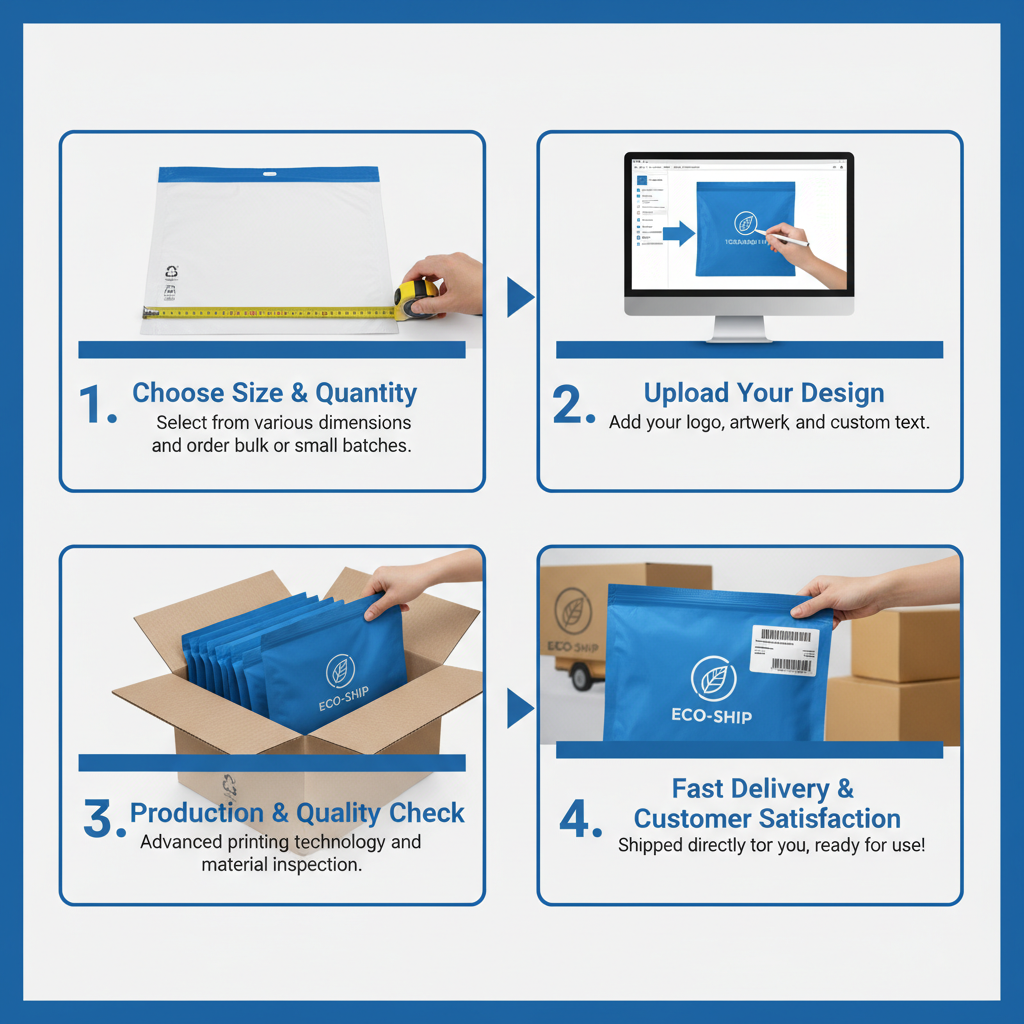
We offer a wide range of customization options, including printing your company logo, safety information, size charts, or any other relevant details. We can also customize the bag's dimensions, color, and closure type to meet your specific requirements. The goal is to create a packaging solution that reinforces your brand and provides value to your customers.
Lead times vary depending on the complexity of the order and the quantity required. Generally, you can expect a lead time of 2-4 weeks for custom printed bags. We'll provide you with a firm quote and estimated delivery date when you submit your order. We also offer expedited production options for urgent requirements.
While the initial cost of custom bags may be slightly higher than standard options, the long-term benefits often outweigh the expense. Reduced damage, fewer returns, improved brand image, and a more efficient supply chain all contribute to cost savings. It's about investing in a solution that protects your product and enhances your overall profitability.
Conclusion
In the end, custom apparel shipping bags aren’t just about packaging; they’re about investing in the entire value chain. They protect your product, strengthen your brand, improve efficiency, and demonstrate a commitment to sustainability. From my years on construction sites, I can tell you that small details make a big difference.
Looking ahead, the demand for customized, durable, and eco-friendly packaging will only continue to grow. Companies that prioritize these factors will be well-positioned to succeed in a competitive marketplace. Visit our website at www.liyabiobag.com to learn more about how we can help you optimize your apparel shipping process.


 English
  Arabic
  China
China  French
  Korean
  Russian
  Spanish