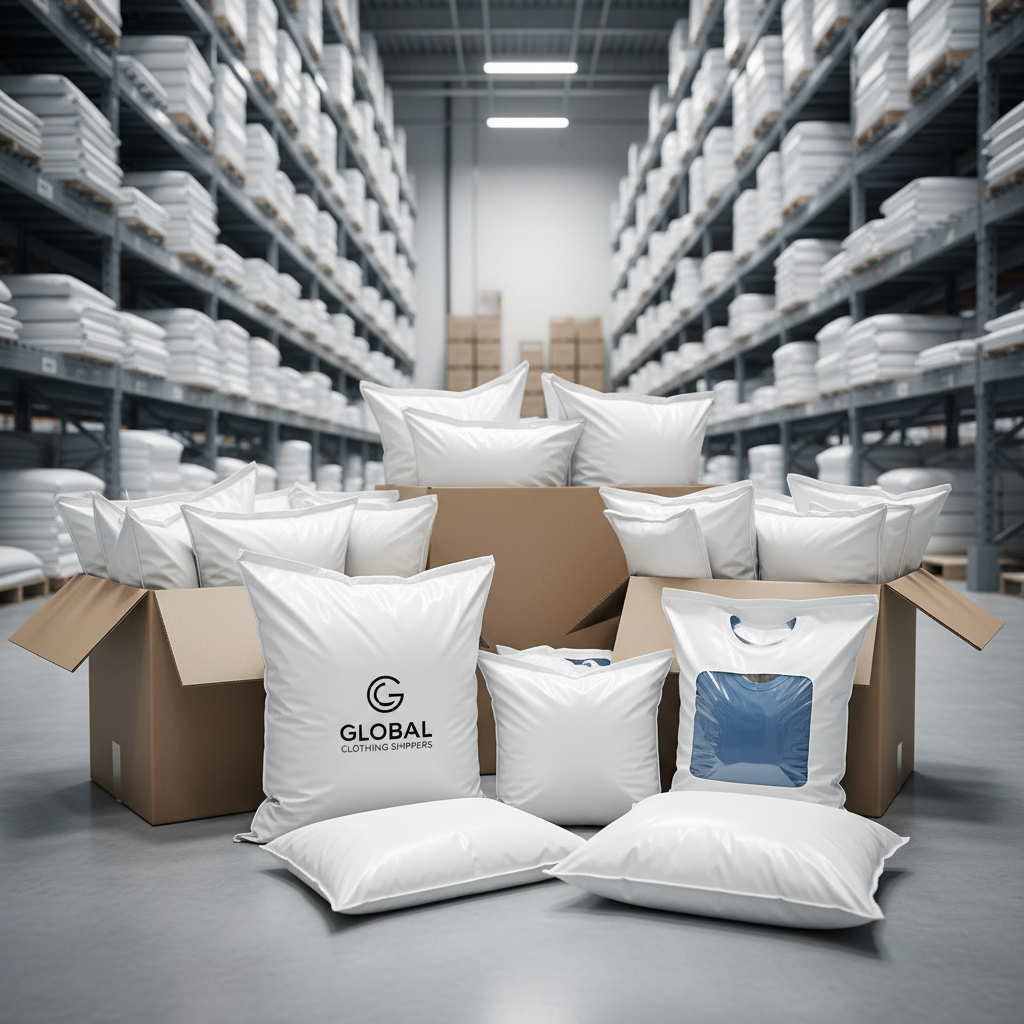
When businesses decide to buy shipping bags, the choice often extends beyond simple containment to a strategic decision involving brand perception and logistics efficiency. In the competitive landscape of the plastic packaging industry, selecting the right mailer can significantly reduce shipping weights while ensuring that products arrive intact and professional.
The primary challenge for procurement managers is balancing durability with cost-effectiveness. Many struggle to find materials that offer sufficient puncture resistance and waterproof capabilities without adding unnecessary bulk, which can lead to higher freight costs and increased environmental waste.
This guide provides a detailed framework for evaluating shipping bag specifications, from PE material grades to custom printing options. By understanding the relationship between material thickness, seal security, and application needs, buyers can optimize their packaging spend and enhance the end-customer unboxing experience.

Understanding Shipping Bag Material Specifications

Polyethylene (PE) remains the standard for shipping bags due to its versatility and strength. When looking to buy shipping bags, buyers must distinguish between different PE densities and constructions. For instance, high-density options provide superior tear resistance, whereas low-density versions offer more flexibility and clarity, making them suitable for various logistics requirements.
The thickness of the material, often measured in microns or mils, directly correlates with the bag's ability to withstand heavy packing and rough transit. For high-value or delicate items, utilizing thick transparent cellophane or reinforced PE ensures that the structural integrity of the package is maintained even under pressure, preventing leaks or punctures during the last-mile delivery process.
Matching Bag Types to Product Categories
Different products require different levels of containment. For jewelry gifts or boutique apparel, standard mailing bags with self-adhesive seals provide a professional look and ease of use. These bags are designed for efficiency, allowing workers to seal and dispatch packages rapidly without the need for additional adhesive tapes.
Conversely, fragile items necessitate the use of bubble mailers or padded envelopes. These specialized shipping bags integrate a layer of air-filled cushioning that absorbs shocks. This is particularly critical for electronics or delicate accessories, where the packaging must act as a primary protective barrier against impact, effectively reducing the rate of return due to transit damage.
The Impact of Customization on Brand Value
Custom printing transforms a utility item into a marketing tool. By incorporating logos, brand colors, and specific messaging onto the exterior of shipping bags, companies can create a strong first impression before the customer even opens the package. This elevation of the shipping experience is a key differentiator in the e-commerce sector.
Effective customization involves more than just a logo; it includes choosing the right printing technology to ensure color accuracy and durability. High-quality printing prevents ink smudging during transit, ensuring that the brand identity remains crisp and professional. This attention to detail reflects the company's commitment to quality, which indirectly increases customer trust in the enclosed product.
Comparative Analysis of Protection Levels
Selecting the right bag depends on the balance between protection and cost. The following illustrative framework compares different shipping bag types across five key performance dimensions: puncture resistance, shock absorption, weatherproofing, sealing strength, and weight efficiency.
This conceptual comparison demonstrates that while standard PE mailers excel in weight efficiency and weatherproofing, they lack the shock absorption provided by bubble mailers. Procurement teams should use these relative scores to determine which bag type aligns with the fragility and weight of their specific product line.
Critical Evaluation of Supplier Capabilities
When searching for a manufacturer to buy shipping bags from, the supplier's technical infrastructure is paramount. A professional manufacturer should possess fully equipped printing technology and a robust quality guarantee system. Experience in the industry, such as the three decades of expertise held by Xiongxian LIYAPackng Materials Co., Ltd., often translates to better material sourcing and more reliable production timelines.
Furthermore, buyers should evaluate the supplier's ability to handle customization at scale. This includes the capacity to produce various sizes and colors based on specific requirements and the ability to maintain consistent quality across large batches. International certificates and a proven track record of on-time delivery are essential indicators of a supplier's operational maturity and reliability.
Avoiding Common Procurement Pitfalls
A frequent mistake when attempting to buy shipping bags is prioritizing the lowest unit price over material performance. Low-cost bags often suffer from weak seals or thin walls, leading to package bursts during transit. This results in lost inventory and diminished customer satisfaction, which far outweighs the initial cost savings.
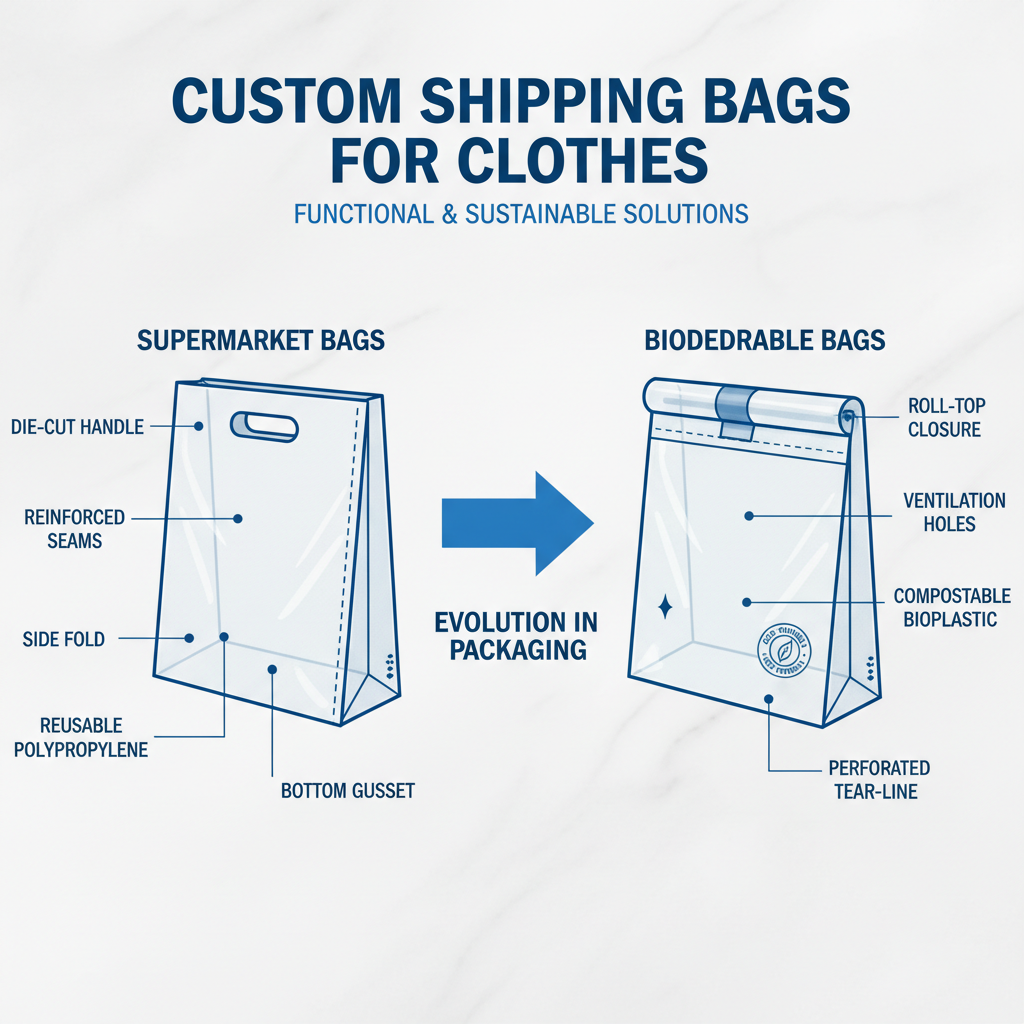
Another common error is overlooking the environmental impact. With the rise of sustainable logistics, failing to consider biodegradable options or recyclable PE can alienate eco-conscious consumers. Transitioning to biodegradable packaging bags not only meets regulatory trends but also aligns the brand with modern sustainability values, providing a competitive edge in the marketplace.
Strategic Decision Framework for Buyers
To optimize the procurement process, buyers should use a structured matrix to match their product needs with the appropriate bag technology. The table below outlines the best-use cases and primary considerations for the most common shipping bag solutions available in the plastic packaging industry.
| Bag Type | Best Use Case | Key Advantage | Primary Consideration |
|---|---|---|---|
| Standard PE Mailer | Clothing & Soft Goods | Weight Efficiency | Puncture Risk |
| Bubble Mailer | Electronics & Jewelry | Shock Absorption | Higher Volume |
| Biodegradable Bag | Eco-friendly Brands | Environmental Compliance | Shelf Life |
| Heavy Duty PE | Industrial Parts | High Tear Strength | Material Cost |
| Custom Branded Bag | High-End Retail | Brand Recognition | MOQ Requirements |
| Transparent Cellophane | Product Showcases | Visual Clarity | Lower Durability |
By utilizing this framework, companies can move away from generic purchasing and toward a tailored packaging strategy. The goal is to ensure that every shipment is protected by the most efficient material possible, thereby reducing overhead while maximizing the safety of the delivered goods.
Frequently Asked Questions
Polyethylene (PE) is the ideal material for clothing due to its flexibility, waterproof nature, and lightweight properties. For most apparel, a standard PE mailer with a self-adhesive seal provides the best balance of protection and shipping cost.
Thickness should be based on the weight and sharpness of the product. Lightweight soft goods can use thinner PE, while heavier items or those with corners (like boxed jewelry) require thicker, heavy-duty PE or bubble padding to prevent punctures.
Yes, for businesses looking to build brand loyalty. Custom branded mailers act as a mobile billboard and significantly enhance the unboxing experience, which can lead to higher customer retention and social media sharing of the package.
A mailer is typically a single or double layer of plastic designed for protection from weather and theft. A bubble envelope includes an integrated layer of bubble wrap to protect fragile contents from physical impact and compression.
Many professional manufacturers now provide biodegradable packaging bags. These are designed to break down more efficiently than traditional plastics, helping businesses reduce their environmental footprint and comply with green regulations.
Self-adhesive seals eliminate the need for external packing tape, reducing the time spent per package. This streamlines the fulfillment process, allowing warehouses to increase their daily output and reduce labor costs.
Conclusion
The decision to buy shipping bags should be a data-driven process that weighs material strength, protection needs, and brand objectives. By aligning the specific attributes of PE materials—such as thickness and seal quality—with the requirements of the product, businesses can minimize transit damage and optimize their logistics expenditures. Moving toward customization and sustainable materials further ensures that the packaging serves as a bridge to customer satisfaction rather than just a utility.
For organizations seeking a reliable partner with decades of experience in the plastic packaging industry, the product range and customization capabilities at www.liyabiobag.com offer a comprehensive solution. Buyers are encouraged to review technical specifications and contact the support team to develop a packaging strategy that fits their specific operational scale and brand identity.