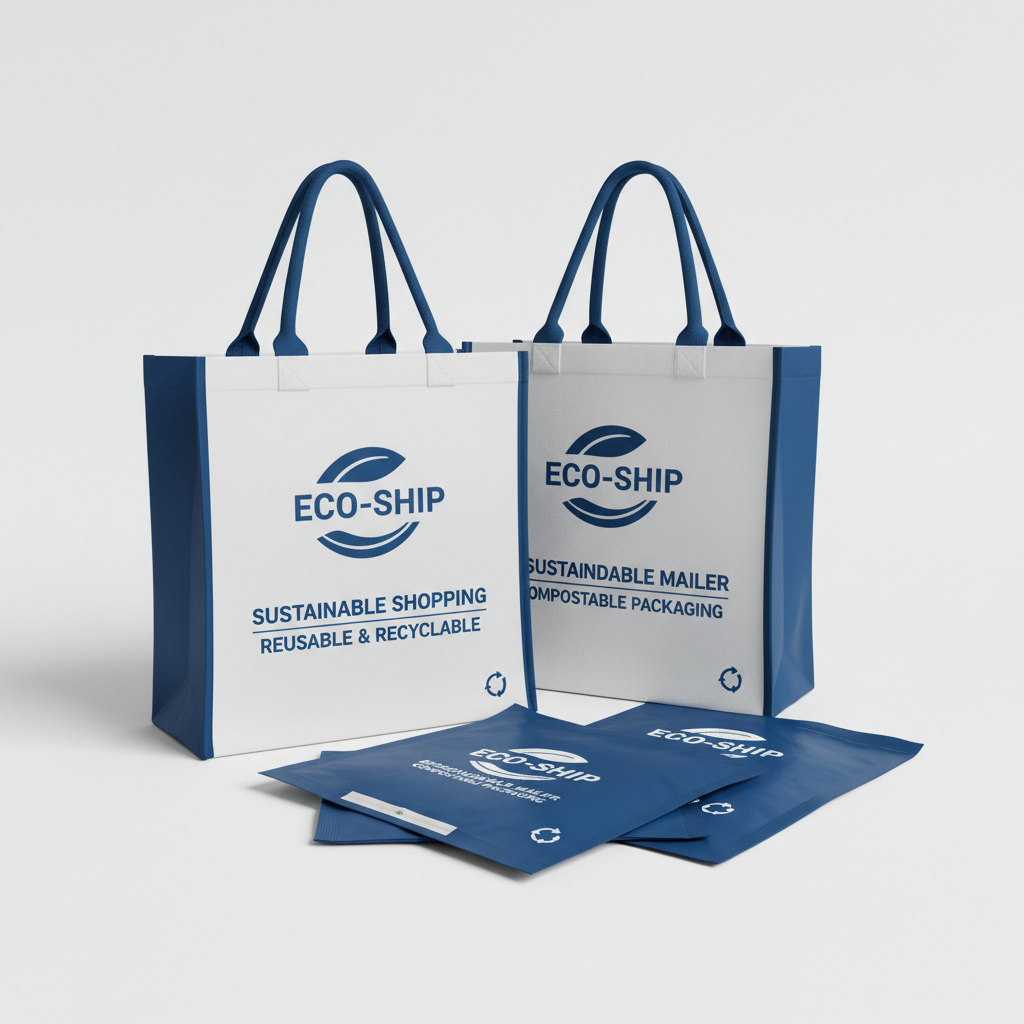
Selecting the right protective layer for transit is no longer just about containment; it is a strategic decision affecting brand perception and operational cost. When businesses buy mailing bags, they are essentially investing in the final touchpoint of their customer experience, where durability meets sustainability.
The shift toward e-commerce has amplified the demand for high-performance logistics packaging that can withstand rigorous sorting processes while minimizing volumetric weight. From biodegradable polymers to reinforced polyethylene, the materials chosen for shipping envelopes directly impact the carbon footprint and the safety of the enclosed goods.
Understanding the nuances between different material grades and closure systems allows procurement managers to optimize their supply chain. This guide explores the technical and commercial dimensions of sourcing mailing bags to ensure a balance between cost-efficiency and protective integrity.

Analyzing the Core Utility of Modern Shipping Envelopes

Mailing bags serve as the primary defense mechanism for goods in transit, bridging the gap between the warehouse and the end-consumer. Unlike rigid boxes, these flexible packaging solutions are designed to conform to the shape of the contents, which reduces unnecessary void space and lowers shipping costs associated with dimensional weight.
The primary function extends beyond mere containment; it encompasses moisture resistance, tear prevention, and security. High-quality mailing bags utilize specialized adhesives and film thickness to ensure that the package remains sealed throughout the logistics chain, regardless of weather conditions or handling intensity.
For enterprises operating in the non-metallic mineral and plastic products industry, the choice of bag often reflects the company's commitment to quality. By integrating advanced extrusion techniques, manufacturers can produce bags that offer a superior strength-to-weight ratio, ensuring that the protective shell does not add significant cost to the overall shipping expense.
Critical Material Specifications for High-Volume Logistics
Material science is the foundation of packaging reliability. Most commercial mailing bags are derived from Low-Density Polyethylene (LDPE) or Co-extruded PE films, which provide the necessary flexibility and tensile strength to prevent punctures during automated sorting.
Co-extrusion technology allows for the layering of different polymer properties—such as a high-gloss outer layer for branding and a high-strength inner layer for tear resistance. This structural approach ensures that the bag can withstand the friction of conveyor belts and the pressure of stacked parcels without compromising the interior contents.
Furthermore, the integration of biodegradable materials is transforming the sector. The transition toward compostable polymers allows companies to maintain the functional benefits of plastic—such as waterproofing—while aligning with global environmental mandates to reduce long-term plastic waste in landfills.
Sector-Specific Application Scenarios for Mailing Solutions
Different industries require distinct packaging attributes based on the fragility and nature of their products. In the apparel and textile sector, lightweight and breathable yet water-resistant bags are preferred to prevent mildew while keeping the shipment light.
For the electronics and small hardware market, reinforced composite packaging is often deployed. These bags may include anti-static properties or increased micron thickness to protect sensitive components from external impact and electrostatic discharge during transit.
In the retail and supermarket logistics space, the focus shifts toward speed of packing and ease of opening. Self-seal strips and easy-tear notches are essential features that improve warehouse efficiency and enhance the end-user experience by allowing the customer to access their purchase without needing scissors.
Evaluating Packaging Performance and Material Resilience
Performance evaluation in mailing bags is typically measured across several key indicators: puncture resistance, seal strength, moisture barrier efficiency, and dimensional stability under stress. These metrics determine the suitability of a bag for specific shipping distances and modes of transport.
Comparing standard single-layer films with advanced co-extruded solutions reveals a significant gap in resilience. High-performance bags maintain their structural integrity even when stretched to their limits, reducing the likelihood of "bursting" during high-pressure transit cycles.
buy mailing bags Performance Metrics
The data suggests that while initial material costs may vary, the reduction in damaged goods and the optimization of shipping volume provide a superior return on investment for businesses utilizing high-grade polymer solutions over generic alternatives.
Procurement Framework for Sourcing Industrial Mailing Bags
When sourcing mailing bags at scale, procurement officers must look beyond the unit price. The total cost of ownership includes the rate of packaging failure, the time required for packing, and the impact of the bag's weight on total shipping fees.
Key evaluation criteria should include the supplier's ability to provide consistent micron thickness and the quality of the adhesive seal. Inconsistent thickness can lead to unpredictable failure rates, while poor adhesive quality leads to packages opening prematurely during transit.
Verification of international certificates and material safety data sheets (MSDS) is also critical, especially for companies exporting to regions with strict environmental regulations regarding plastic use and biodegradability standards.
Emerging Trends in Sustainable Polymer Packaging
The packaging industry is currently undergoing a paradigm shift toward "Circular Economy" principles. The development of fully biodegradable and compostable mailing bags is no longer a niche requirement but a mainstream demand driven by both consumer preference and government legislation.
Innovations in bio-based resins allow these eco-friendly bags to mimic the properties of traditional PE films, providing similar levels of tear resistance and water protection. This removes the traditional trade-off where "green" packaging was perceived as less durable than plastic.
Furthermore, we are seeing a trend toward minimalism in packaging design—reducing the overall amount of polymer used per bag without sacrificing strength. This "light-weighting" process decreases the environmental impact and directly reduces the costs associated with material procurement.
Decision Matrix for Selecting the Optimal Bag Type
Choosing the correct mailing solution requires matching the product's physical characteristics with the bag's technical strengths. A one-size-fits-all approach often leads to either over-packaging (wasting money) or under-packaging (risking product damage).
The following matrix provides a comparative analysis of the most common mailing bag categories used in modern logistics to guide the selection process based on specific operational needs.
| Bag Category | Primary Material | Best Use Case | Key Advantage |
|---|---|---|---|
| Poly Mailers | LDPE / HDPE | Apparel & Soft Goods | High moisture resistance |
| Co-Extruded Bags | Multi-layer PE | High-Value Retail | Superior tear strength |
| Biodegradable | PLA / PBAT | Eco-conscious Brands | Low environmental impact |
| Padded Mailers | PE + Bubble Wrap | Fragile Electronics | Impact absorption |
| Kraft Paper Bags | Recycled Kraft | Books & Documents | High recyclability |
| Composite Bags | PE + Foil/Paper | Specialized Industrial | Maximum barrier protection |
By aligning the material choice with the logistics environment, companies can achieve a more streamlined shipping process. Those seeking reliable and scalable packaging solutions can evaluate the capabilities of a manufacturer like Xiongxian LIYAPackng Materials Co., Ltd., which leverages decades of experience in plastic and biodegradable packaging.
Frequently Asked Questions
Conclusion
The decision to buy mailing bags should be treated as a strategic procurement task rather than a simple commodity purchase. By analyzing the specific stress points of the logistics chain and matching them with the correct material specifications—whether co-extruded PE or biodegradable polymers—businesses can significantly reduce damage rates and shipping costs.
As the industry moves toward more sustainable and high-performance materials, staying informed about polymer technology is key to maintaining a competitive edge. Readers evaluating these packaging options can review the relevant product and company information available through www.liyabiobag.com to find solutions tailored to their industrial requirements.