White Biodegradable Mailing Bags – Sustainable & Durable Packaging Solutions
Why White Biodegradable Mailing Bags Matter Globally
If you’ve ever ordered something online, chances are it arrived in some type of plastic mailing bag. The problem is that these typical plastics—notoriously hard to break down—are among the biggest contributors to global pollution. That’s where white biodegradable mailing bags step into the spotlight. They combine the convenience of mail carriers with a grown-up answer to our planet’s mounting waste dilemma.
Globally, over 300 million tons of plastic waste are generated annually, with packaging materials taking a sizable chunk of that (source: UN Environment Programme). As e-commerce explodes—especially post-pandemic—so does the need for sustainable packaging alternatives. The good news is these bags are holding the potential to cut down plastic pollution while maintaining durability and cost-effectiveness.
Understanding What White Biodegradable Mailing Bags Really Are
Let’s break it down: white biodegradable mailing bags are mailer envelopes made from biodegradable polymers or natural materials that degrade under composting or environmental conditions. Unlike ordinary plastic mailers that can persist for hundreds of years, these bags begin to break down much faster—often within months—into non-toxic, environmentally benign components.
They bridge a crucial gap in various industries, from retail logistics to humanitarian aid, where scalable, eco-friendly and cost-effective packaging can’t just be a “nice to have” but a global necessity.
Key Factors That Define Effective White Biodegradable Mailing Bags
1. Durability and Protection
Despite being biodegradable, these bags still need to protect goods through transit and rough handling. Many manufacturers blend polylactic acid (PLA) or compostable starches with sturdy fibers to ensure the mailers resist tears, moisture, and punctures.
2. Environmental Compliance
To call these bags genuinely biodegradable, they must meet strict standards like ISO 17088 or ASTM D6400. Compliance ensures the bags break down properly without leaving microplastic residues.
3. Cost Efficiency
One concern often raised is the cost premium compared to traditional polyethylene mailers. But with rising regulatory penalties and consumer awareness, many businesses find a strategic value in proactively shifting to greener alternatives.
4. Appearance and Branding
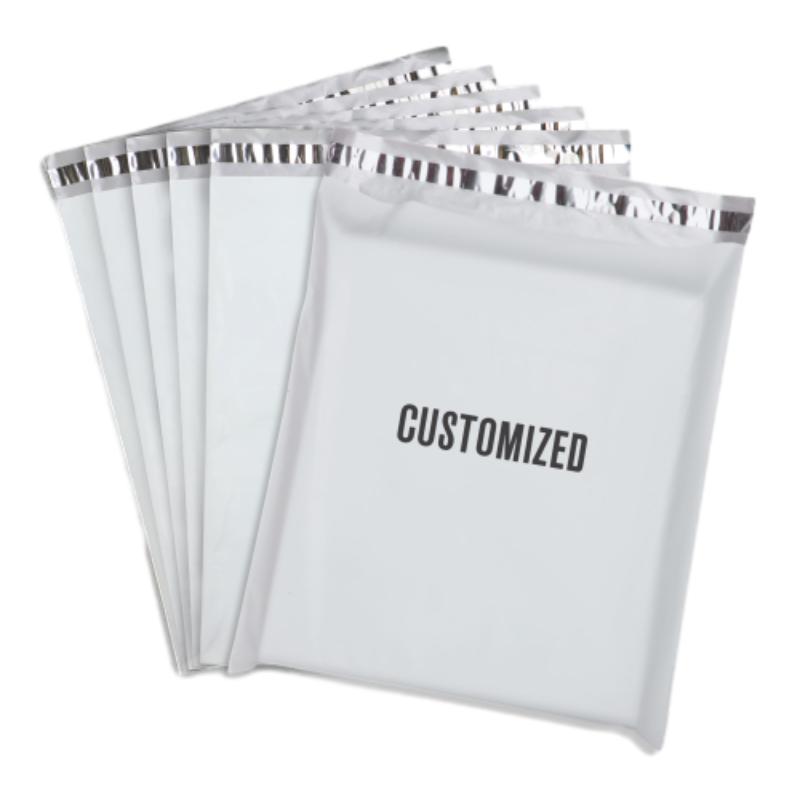
The classic white color not only signals cleanliness and professionalism but also offers a neutral canvas for customized printing—helpful for brands aiming for minimalist, eco-conscious packaging.
5. Scalability in Production
As demand grows, manufacturing scalability without sacrificing quality remains vital. Innovative production processes are emerging to meet increasing e-commerce volumes.
Mini takeaway: White biodegradable mailing bags juggle protection, eco-friendliness, and cost — a balancing act critical for modern packaging.
Global Applications & Real-World Success Stories
From bustling US fulfillment centers to rural African distribution networks, these mailing bags are making their mark. Oddly enough, in post-disaster relief operations in Southeast Asia, biodegradable mailers have been used to send vital documents and small equipment without compounding local waste issues.
Meanwhile, European retailers have noticed their customers actively seeking sustainable packaging, pushing brands to adopt these bags as part of their corporate social responsibility (CSR) commitments.
Companies in remote industrial zones are also benefiting by cutting down plastic waste hauled into sensitive ecosystems. white biodegradable mailing bags act like a friendly handshake to both customers and the planet.
Advantages That Add Up Over Time
- Environmental sustainability: Reduced landfill waste and lower carbon footprint.
- Cost benefits: Lower compliance costs with plastic regulations and taxes.
- Brand loyalty: Consumers increasingly trust brands that "walk the eco-talk."
- Safety and dignity: Especially in humanitarian contexts, biodegradable materials reduce risk to communities and wildlife.
- Reliability: Despite being biodegradable, these bags hold up well in real-world transit conditions.
On a personal note, many engineers I’ve spoken with say the best part is seeing a product that performs just as well as conventional plastic but leaves no long-term scar. It’s the kind of innovation that feels like a small win for a daunting global challenge.
What the Future Holds: Trends & Emerging Innovations
Looking ahead, expect the integration of nanocellulose fibers for even stronger yet fully compostable bags. Advances in green chemistry are enabling mailing bag production from algae or food waste streams, adding circularity to the supply chain.
Regulatory bodies worldwide are planning stricter mandates favoring biodegradable packaging, so early adopters gain a competitive edge. Plus, digital printing technologies will allow on-demand branding, making custom eco-packaging accessible even for smaller businesses.
Current Challenges & How the Industry is Addressing Them
No innovation is perfect. Key challenges include inconsistent certification standards worldwide, performance variability in high humidity, and sometimes higher upfront costs. But research collaborations are pushing for industry-wide standards (ISO and ASTM), while manufacturers are tweaking formulas to enhance moisture resistance without sacrificing biodegradability.
Moreover, partnerships with waste management firms help ensure that these bags end up in suitable composting facilities, rather than traditional landfills where biodegradation is limited.
White Biodegradable Mailing Bags Specifications
| Specification | Typical Range | Notes |
|---|---|---|
| Material | PLA, Starch blends, PBAT | Biodegradable polymers |
| Dimensions | 6 x 9 to 15 x 20 inches | Custom sizes available |
| Thickness | 40-80 microns | Balances durability & biodegradability |
| Color | Opaque White | Provides premium look and print surface |
| Certifications | ASTM D6400, EN 13432, ISO 17088 | Ensures biodegradability standards met |
Vendor Comparison of Popular White Biodegradable Mailing Bags
| Vendor | Material Base | Certifications | Price Range (per 100) | Special Features |
|---|---|---|---|---|
| EcoPack Solutions | PLA + Starch | ASTM D6400 | $55 - $70 | Custom printing, moisture resistant |
| GreenMailer Co. | PBAT Blend | EN 13432, ISO 17088 | $60 - $75 | Compostable inks, tear resistant |
| BioWrap Industries | PLA only | ASTM D6400 | $50 - $65 | FSC certified paper labels |
Frequently Asked Questions About White Biodegradable Mailing Bags
Q1: How long do white biodegradable mailing bags take to decompose?
A: Depending on the material and composting conditions, these bags typically degrade within 3 to 6 months in industrial compost facilities. Home composting may take longer due to variable temperature and oxygen levels.
Q2: Are these mailing bags as durable as regular plastic mailers?
A: Modern biodegradable mailing bags are designed to match or exceed the durability of traditional polyethylene mailers. They resist tears, water damage, and punctures while also being lightweight.
Q3: Can I print my brand logo on these biodegradable mailing bags?
A: Absolutely. The white surface is ideal for digital or flexographic printing with eco-friendly inks, allowing vibrant branding without harming biodegradability.
Q4: Are biodegradable mailing bags compostable in landfill conditions?
A: No, landfills are largely anaerobic and this slows down biodegradation. For best results, these bags require industrial or home composting environments with sufficient oxygen and microbial activity.
Q5: What are some challenges in switching to biodegradable mailing bags?
A: Challenges include slightly higher upfront costs, ensuring proper disposal by consumers, and variability in biodegradation rates depending on local composting facilities. Education and sourcing certified bags mitigate these issues.
Wrapping Up: Why You Should Consider White Biodegradable Mailing Bags Today
In a world that's scrambling to reduce plastic waste and meet tougher regulations, white biodegradable mailing bags offer an elegant, practical solution. They mix sustainability with durability — helping businesses do the right thing without compromising on packaging quality.
Whether you’re running an e-commerce store, coordinating humanitarian supplies, or just keen on shrinking your carbon footprint, these bags stand out as a small change that can echo loudly.
Ready to make your packaging greener? Visit https://www.liyabiobag.com for detailed options and expert advice.
Mini takeaway: Small changes, big impact — that’s the power of choosing biodegradable mailers today.
References
-
Secure Shipping Guide with Poly Mailer Bubble Wrap SolutionsNewsApr.16,2026
-
Secure Shipping Guide for Using Durable Bubble Parcel BagsNewsApr.09,2026
-
Comprehensive Guide to Poly Mailer Bubble for Secure and Efficient ShippingNewsApr.07,2026
-
Elevate Your Brand with Custom Designer Bubble Mailers for Effective PackagingNewsApr.04,2026
-
Comprehensive Guide to Poly Mailers with Bubble Wrap for Secure ShippingNewsMar.31,2026
-
Comprehensive Guide to Large Bubble Poly Mailers for Secure and Efficient ShippingNewsMar.28,2026
-
Have the freedom of customizing your custom mailers any way you want! Our dedicated packaging support will help deliver you the mailing experience you need to elevate your shipping experience to the next level! Start making a strong impression on your customers and stand out from your competitors! -
LIYA uses high quality raw materials which directly purchased from large enterprises domestic and overseas such as PetroChina, Sinopec, Sabic, Equate, ExxonMobil, Dow Chemical, Total, and Borouge, ensuring the price advantage and quality of the raw materials. -
LIYA uses high quality raw materials which directly purchased from large enterprises domestic and overseas such as PetroChina, Sinopec, Sabic, Equate, ExxonMobil, Dow Chemical, Total, and Borouge, ensuring the price advantage and quality of the raw materials.
 English
  Arabic
  China
China  French
  Korean
  Russian
  Spanish