In the modern era of e-commerce acceleration, the first impression a customer receives upon delivery is often the packaging. custom printed poly shipping bags have evolved from simple utilitarian wraps into powerful branding tools that bridge the gap between a digital transaction and a physical experience. By blending durability with aesthetic appeal, these specialized mailers ensure that products arrive safely while simultaneously communicating a brand's identity and professionalism.
From a global logistics perspective, the shift toward lightweight, high-strength polymers has drastically reduced shipping costs and carbon footprints compared to bulky cardboard boxes. The integration of custom graphics and corporate logos allows businesses to stand out in a sea of generic parcels, turning every shipment into a mobile advertisement. As the demand for direct-to-consumer (DTC) shipping continues to climb, the strategic implementation of personalized packaging has become a non-negotiable element for scalable growth.
Understanding the technical nuances—from micron thickness and material composition to ink adhesion and seal strength—is essential for any business looking to optimize its supply chain. This guide explores the comprehensive ecosystem of custom printed poly shipping bags, detailing how they enhance operational efficiency, protect goods against environmental stressors, and align with the growing global movement toward sustainable packaging solutions.
The Global Impact of Custom Printed Poly Shipping Bags
The global logistics landscape has seen a paradigm shift toward "lean packaging," where the goal is to maximize protection while minimizing volume. According to international shipping trends, the adoption of custom printed poly shipping bags has helped enterprises reduce volumetric weight charges by up to 30% compared to traditional corrugated boxes. This transition is not merely about cost; it is a response to the exponential rise of global e-commerce, where speed and efficiency are the primary drivers of customer satisfaction.
Moreover, the standardization of polymer quality—aligned with ISO quality management systems—ensures that these bags can withstand the rigors of automated sorting belts and extreme weather conditions. By integrating customized branding, companies can maintain a consistent professional image regardless of whether the parcel is traveling across a city or across an ocean. This synergy of technical reliability and marketing intelligence makes custom poly mailers a cornerstone of modern retail infrastructure.
Defining High-Performance Poly Shipping Solutions
At its core, custom printed poly shipping bags are specialized envelopes constructed from high-density polyethylene (HDPE) or low-density polyethylene (LDPE), engineered specifically for the transit of non-fragile goods. Unlike standard plastic bags, these are designed with a reinforced "poly" structure that resists punctures, tears, and water ingress, ensuring that the contents remain pristine from the warehouse to the doorstep.
The "custom printed" aspect involves advanced flexographic or rotogravure printing processes, where brand-specific inks are fused into the material. This ensures that the logos and instructions do not smudge or peel during transit. In an industry where "unboxing" has become a social media phenomenon, the visual quality of the shipping bag serves as the first tactile touchpoint between the consumer and the brand, making the definition of "quality" extend beyond strength to include visual precision.
Beyond commerce, these solutions address critical humanitarian and industrial needs. In disaster relief operations, for instance, customized poly bags are used to categorize and distribute medical supplies and food rations quickly. Their lightweight nature allows for easier air-drops and manual transport in remote zones, proving that the utility of these bags extends far beyond the realm of retail shopping.
Core Technical Components for Maximum Durability
The effectiveness of custom printed poly shipping bags depends heavily on the gauge (thickness) of the material. Measured in mils or microns, the thickness determines the bag's resistance to "bursting" under pressure. For lightweight apparel, a 2.0 mil thickness is often sufficient, whereas heavier industrial components require 3.0 mils or more to prevent punctures from sharp edges during the sorting process.
Equally important is the seal integrity. The bottom and side seals are typically fused using high-temperature heat welding, creating a bond that is often stronger than the film itself. For custom printed poly shipping bags, the quality of the adhesive strip—the "self-seal" closure—is paramount. A high-tack, permanent adhesive ensures that the package cannot be tampered with without leaving visible evidence, thereby enhancing security and reducing theft.
Finally, the choice of polymer blend affects the flexibility and clarity of the bag. Co-extruded films, which layer different types of plastics, can provide a glossy exterior for vibrant printing and a matte, high-friction interior to keep the product from sliding. This technical orchestration ensures that the bag is not just a container, but a protective shield that optimizes the entire logistics chain.
Efficiency Metrics in Custom Packaging Selection
When selecting the right custom printed poly shipping bags, businesses must balance cost-efficiency with performance metrics. The primary goal is to find the "sweet spot" where the material is light enough to keep shipping costs low but strong enough to eliminate the need for secondary outer packaging. This optimization reduces waste and speeds up the packing process for warehouse staff.
Furthermore, the scalability of the printing process allows brands to pivot their messaging quickly. Whether it is a seasonal promotion or a brand redesign, custom poly mailers provide a cost-effective way to update the customer experience without investing in expensive new machinery. The following chart illustrates the performance ratings of different poly bag configurations based on industry standards.
Performance Comparison of Custom Printed Poly Shipping Bags
Real-World Applications Across Diverse Industries
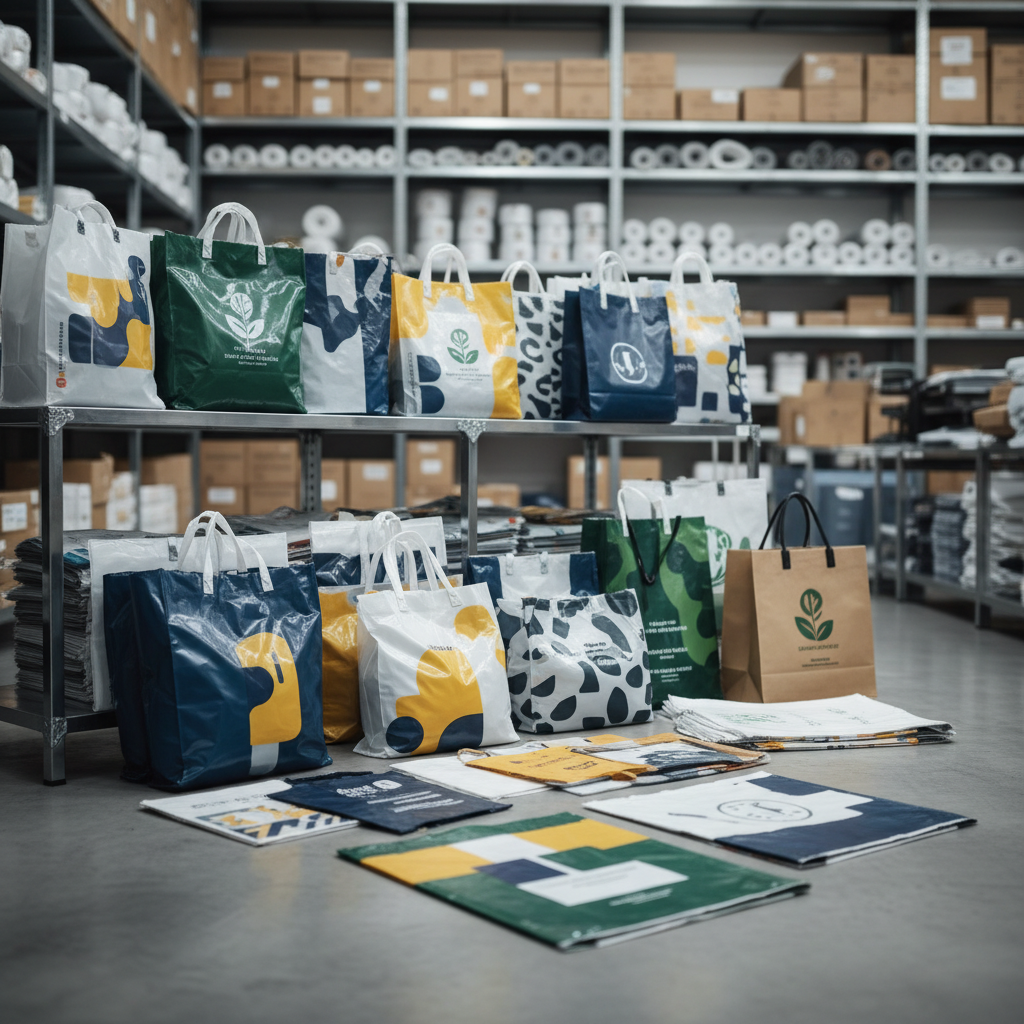
In the fashion and apparel industry, custom printed poly shipping bags are the gold standard. Their flexibility allows them to accommodate irregularly shaped items like sweaters or shoes without wasting space. High-end boutiques often use matte-finish custom bags with minimalist logos to convey a sense of luxury and exclusivity, ensuring the brand's prestige is maintained from the moment the package arrives.
Beyond fashion, the electronics accessory market relies on these mailers for shipping cables, phone cases, and small peripherals. In these cases, anti-static additives are sometimes integrated into the poly material to protect sensitive components. From small-scale Etsy sellers in North America to massive logistics hubs in Southeast Asia, the versatility of custom poly packaging enables a seamless flow of goods across varied economic landscapes.
Strategic Advantages of Personalized Shipping Mailers
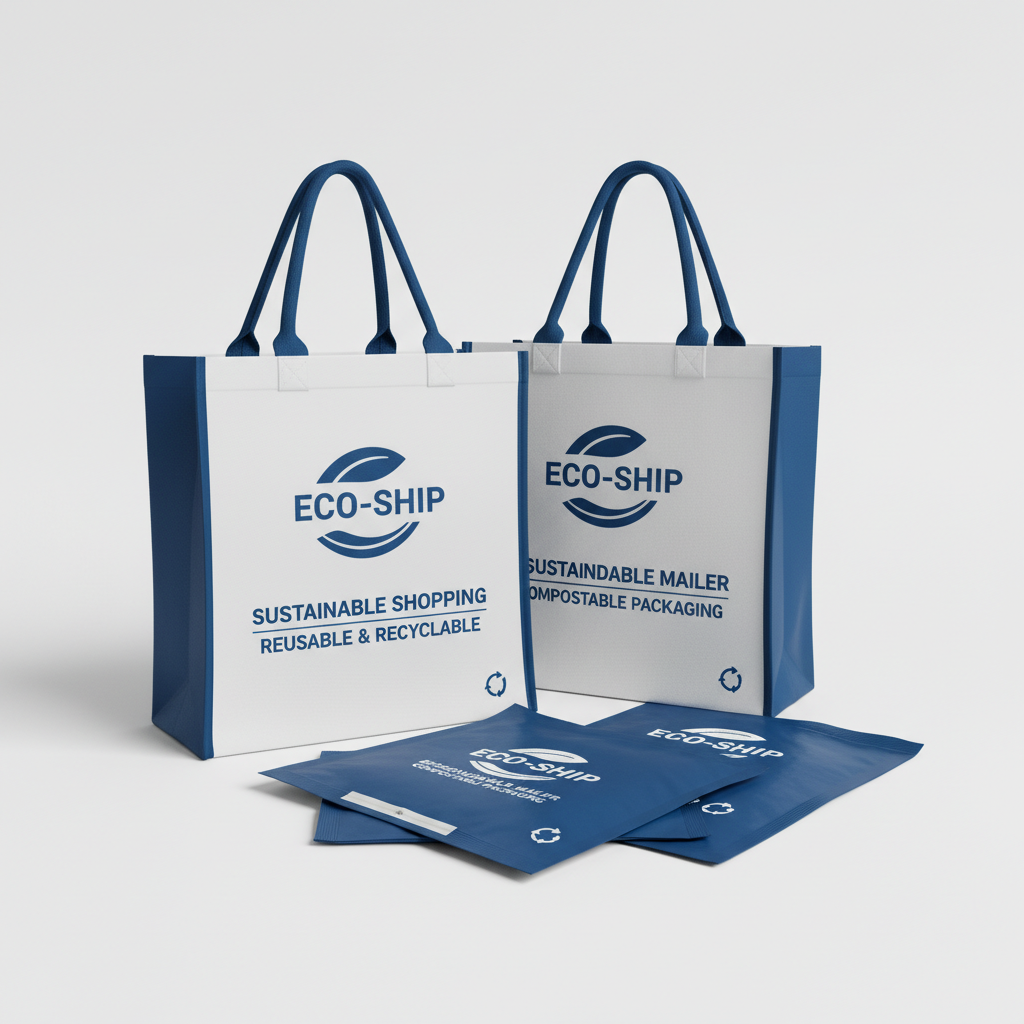
The most tangible advantage of using custom printed poly shipping bags is the immediate increase in brand recognition. When a customer sees a branded package on their porch, it reinforces the legitimacy of the company. This psychological trigger builds trust, which is critical for new businesses attempting to establish a foothold in a competitive market.
Logistically, these bags offer a significant reduction in "dimensional weight" (DIM weight) costs. Carriers charge based on the volume a package occupies; by replacing a box with a form-fitting poly bag, companies can slash their shipping expenses significantly. This cost saving can then be reinvested into product development or passed on to the customer as free shipping, creating a competitive edge.
Furthermore, the emotional connection created through custom packaging cannot be understated. Including a "Thank You" message or a social media handle directly on the bag encourages customers to share their purchase online. This turns a simple shipping utility into a powerful customer acquisition tool, driving organic growth through user-generated content and digital word-of-mouth.
Future Innovations in Sustainable Poly Materials
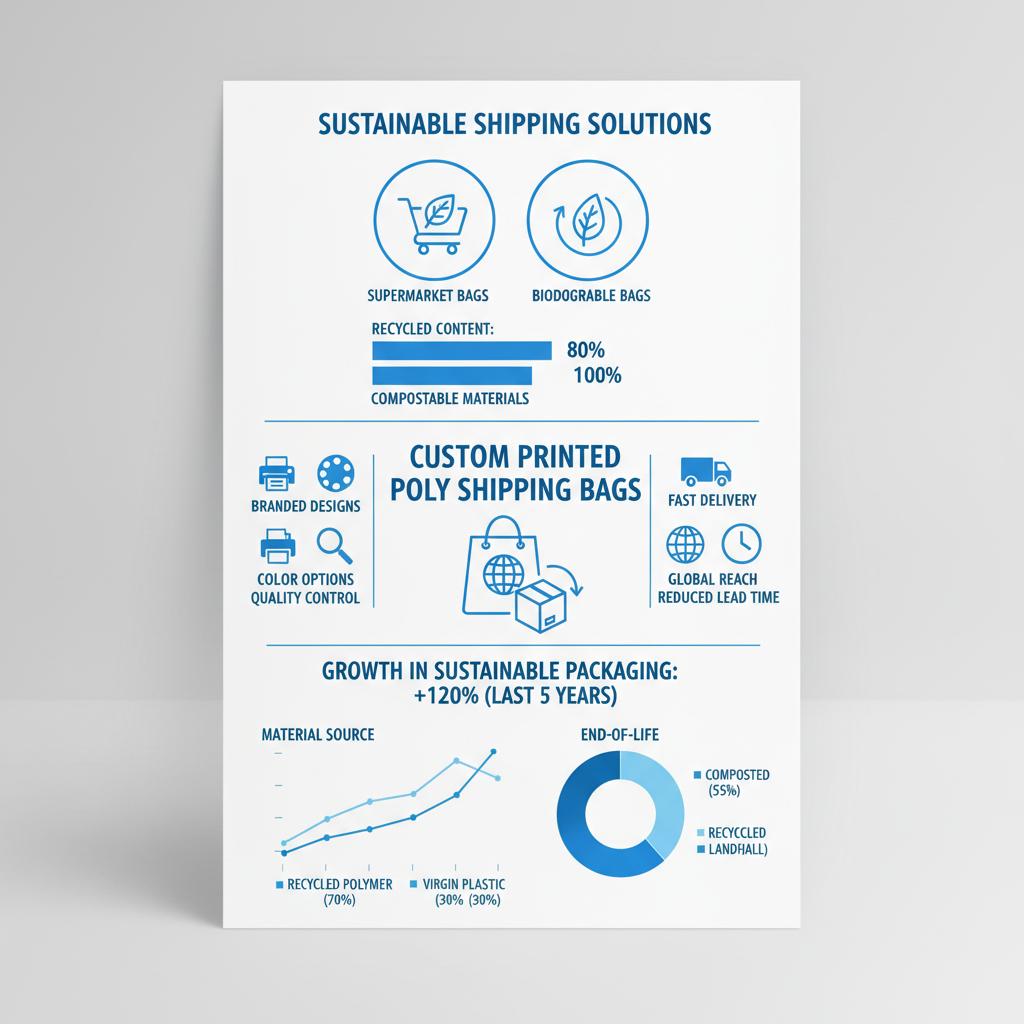
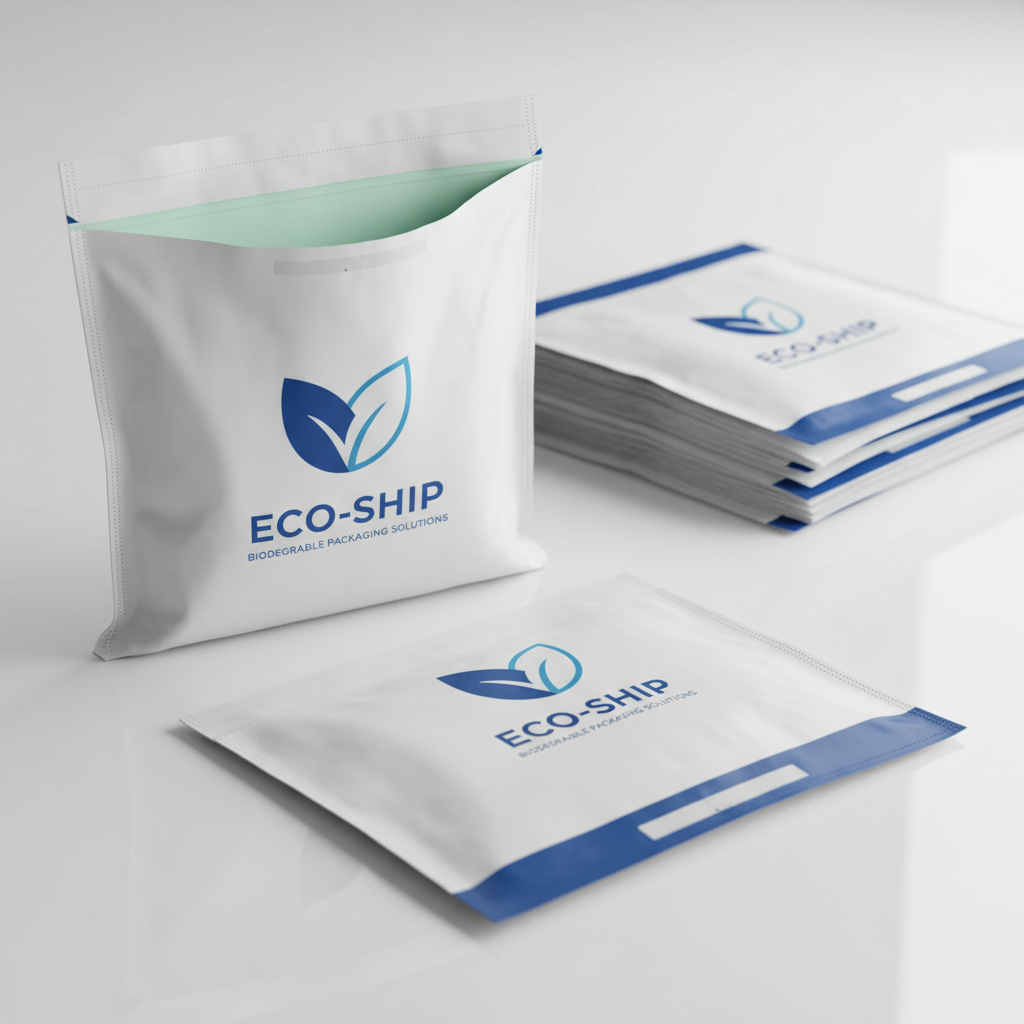
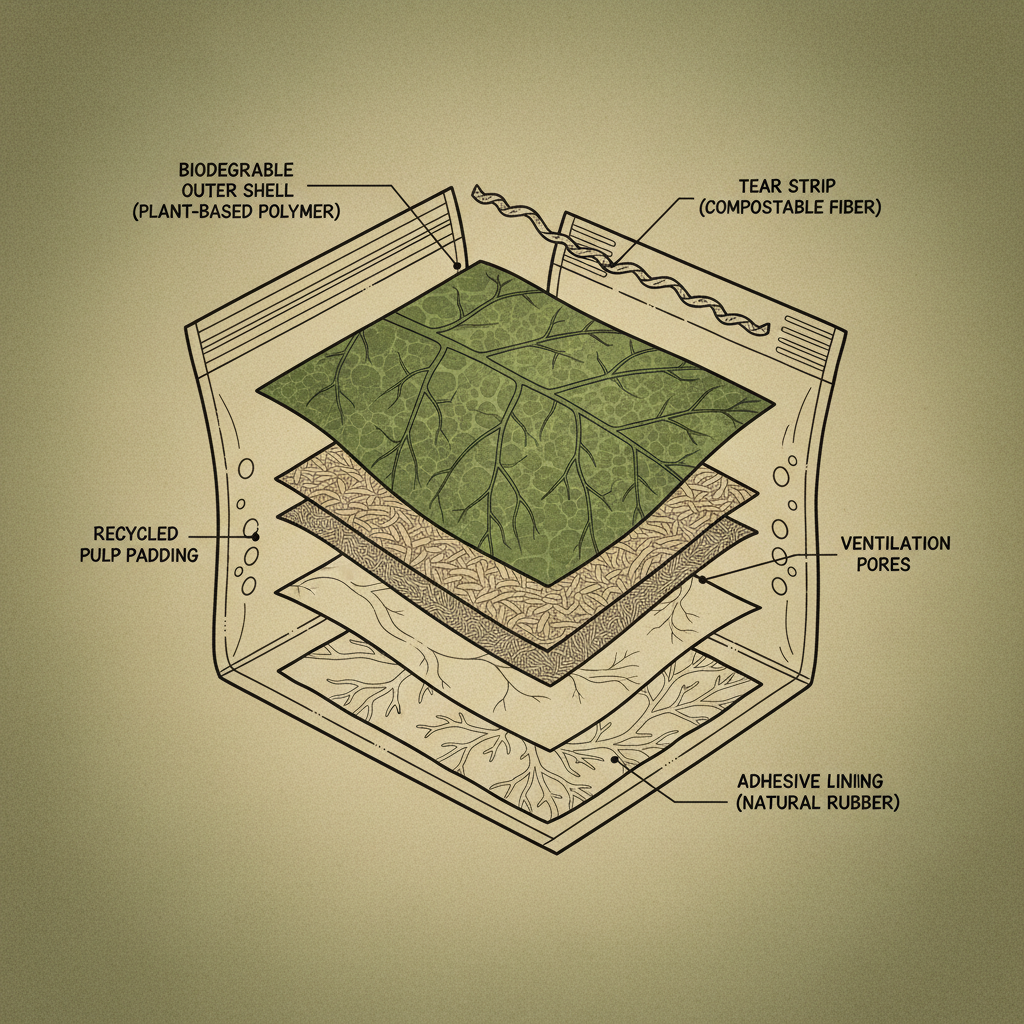
The future of custom printed poly shipping bags is inextricably linked to the evolution of material science. The industry is rapidly moving toward PCR (Post-Consumer Recycled) resins and compostable polymers. These innovations allow brands to maintain the protective benefits of plastic while aligning with global ESG (Environmental, Social, and Governance) goals and reducing the reliance on virgin petroleum-based plastics.
Digital transformation is also playing a role. The integration of smart QR codes printed directly onto the poly bags allows customers to track their shipments in real-time or access digital manuals and loyalty rewards without needing an enclosed paper insert. This "phygital" approach reduces paper waste and enhances the interactive nature of the shipping process.
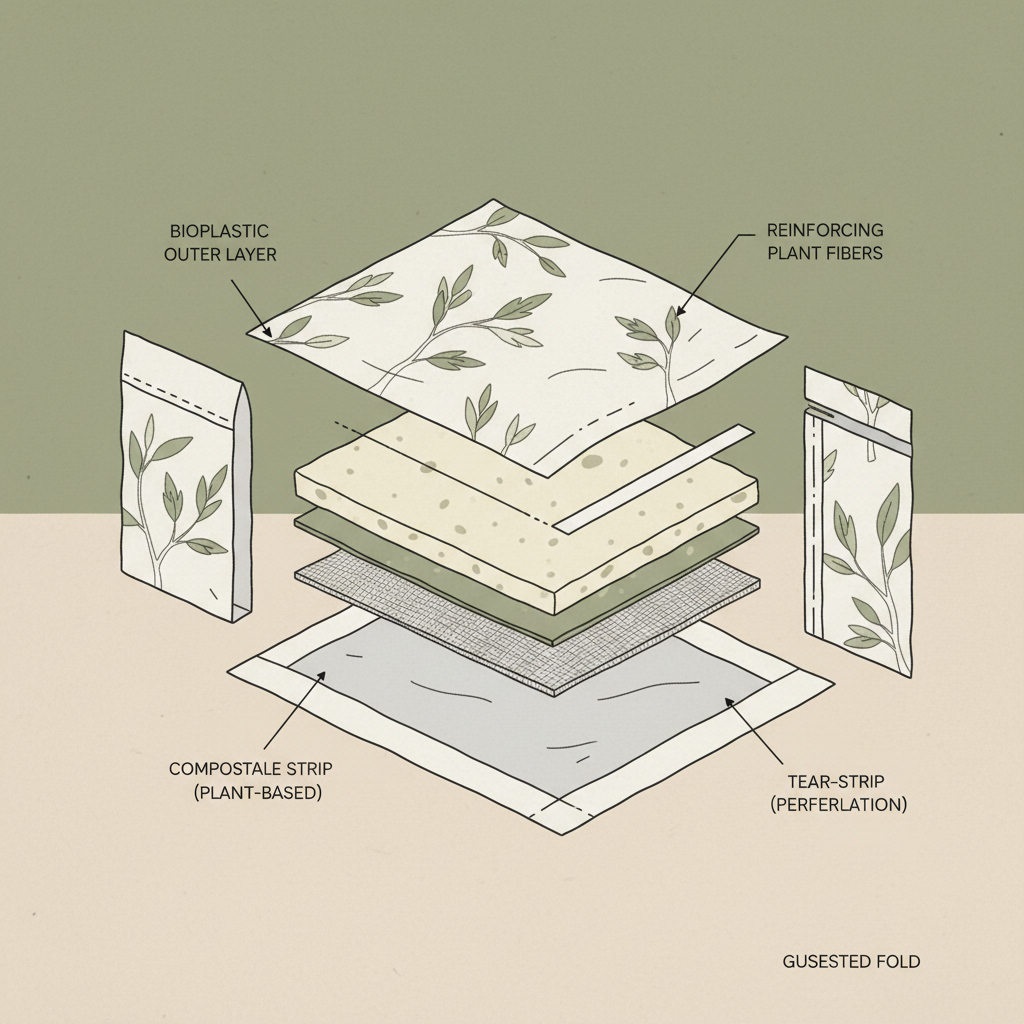
As regulatory pressures mount—such as the EU's Single-Use Plastics Directive—manufacturers are developing "bio-poly" alternatives that degrade in industrial composting facilities. These materials are engineered to provide the same tensile strength as traditional poly bags while ensuring that they do not contribute to long-term landfill accumulation.
Comparison of Poly Material Innovations and Performance
| Material Type |
Durability Score (1-10) |
Eco-Friendliness |
Cost Efficiency |
| Virgin LDPE |
9 |
Low |
High |
| PCR Recycled Poly |
8 |
Medium-High |
Medium |
| Cornstarch Compostable |
6 |
Very High |
Low |
| Co-Extruded Hybrid |
10 |
Medium |
Medium |
| Bio-Based PE |
8 |
High |
Medium-Low |
| High-Density HDPE |
9 |
Low |
High |
FAQS
MOQs vary by manufacturer, but typically range from 500 to 5,000 units depending on the complexity of the print and the material used. For small businesses, digital printing may offer lower MOQs, while rotogravure printing for larger volumes provides a lower cost-per-unit.
To prevent ink abrasion, we recommend using high-quality flexographic inks that are heat-bonded to the poly film. Ensuring the correct surface tension (corona treatment) of the plastic before printing is key to achieving a permanent, smudge-proof finish that survives the rigors of the courier network.
Yes, most poly mailers are made from polyethylene, which is naturally water-resistant. When combined with a strong heat-sealed bottom and a secure adhesive closure, they provide an excellent barrier against rain and moisture, protecting your goods from environmental damage during transit.
Absolutely. Many suppliers now offer compostable or biodegradable poly shipping bags made from materials like PBAT or cornstarch. These provide similar strength to traditional plastics but break down in industrial composting environments, helping brands reduce their plastic footprint.
For most clothing and soft goods, a thickness of 2.0 mil to 2.5 mil is ideal. This provides enough puncture resistance to handle the edges of garments and the friction of sorting machines without adding unnecessary weight or cost to the shipment.
Measure your largest product at its widest and thickest point. Add approximately 1-2 inches to the width and 2-3 inches to the length to allow for the volume of the item and the overlap needed for a secure seal. This ensures the bag isn't over-stretched, which could compromise the material's strength.
Conclusion
In summary, custom printed poly shipping bags represent a strategic intersection of logistics efficiency, brand marketing, and material engineering. By optimizing material thickness, ensuring seal integrity, and leveraging professional printing, businesses can significantly reduce their operational costs while simultaneously enhancing the end-customer's unboxing experience. The transition from generic packaging to personalized, high-performance mailers is a critical step for any e-commerce brand aiming for professional scalability.
Looking ahead, the integration of sustainable polymers and smart tracking technology will redefine the role of the shipping bag from a passive container to an active part of the supply chain. We encourage businesses to audit their current packaging waste and explore PCR or compostable alternatives to stay ahead of regulatory trends and meet the growing consumer demand for eco-conscious shipping. Visit our website to find your perfect packaging match: www.liyabiobag.com


 English
  Arabic
  China
China  French
  Korean
  Russian
  Spanish