CPP Film | Flexible, Clear Cast Polypropylene Packaging Solutions
Introduction to Cast Polypropylene Film
In the realm of flexible packaging and various industrial applications, cpp film, or cast polypropylene film, stands out as a versatile and high-performance material. Produced through a meticulous casting process, it offers a unique combination of clarity, heat sealability, barrier properties, and strength, making it indispensable across numerous sectors. This detailed analysis delves into the technical facets, market dynamics, and strategic applications of this essential polymer product, providing B2B decision-makers and engineers with comprehensive insights into its capabilities and strategic value.
Industry Trends in CPP Film
The global market for cast polypropylene film is experiencing robust growth, driven by escalating demand in packaging for food, textiles, and medical products. Key trends influencing this growth include a heightened focus on sustainability, leading to innovations in recyclable and biodegradable cpp plastic film formulations. Furthermore, advancements in co-extrusion technologies are enabling manufacturers to create multi-layer films with enhanced barrier properties, tailored for specific preservation needs. According to recent market analysis, the global CPP film market is projected to reach approximately USD 3.5 billion by 2027, growing at a CAGR of around 5-6% from 2022. This expansion is particularly fueled by emerging economies and the expanding e-commerce sector, which requires lightweight, durable, and protective packaging solutions.
Another significant trend is the increasing adoption of specialized cast pp film variants, such as metallized CPP for improved oxygen and moisture barriers, and retortable CPP for high-temperature sterilization processes. These specialized films are catering to niche markets that demand superior product protection and extended shelf life, thereby expanding the application horizons beyond traditional packaging. The shift towards circular economy principles is also pushing for the development of mono-material solutions where cpp film can replace complex laminates, simplifying recycling processes and reducing environmental impact.
Understanding CPP Film: Process Flow
The manufacturing of cpp film involves a precise casting process that distinguishes it from oriented films like BOPP. This method imparts unique mechanical and optical properties crucial for its diverse applications.
Detailed Manufacturing Process:
- Material Preparation: High-grade polypropylene (PP) resins, often homopolymers or copolymers, are selected based on desired film characteristics such as stiffness, clarity, and seal strength. Additives like slip agents, anti-block agents, and anti-static agents are precisely blended with the PP pellets to optimize processability and end-product performance. This ensures the resulting cast polypropylene film meets specific industry requirements.
- Extrusion: The blended raw materials are fed into a sophisticated multi-layer extruder. Here, the pellets are melted at controlled temperatures (typically 190-250°C) and homogenized into a molten polymer. For co-extruded cpp film, multiple extruders feed different polymer layers into a single die, creating a multi-layer structure (e.g., PP/tie layer/barrier layer/tie layer/PP).
- Casting onto Chill Roll: The molten polymer exits the die as a thin, uniform sheet. It is immediately cast onto a highly polished, precisely temperature-controlled (typically 20-50°C) chill roll. The rapid cooling solidifies the film in an unoriented state, preserving its amorphous structure, which gives cpp film its characteristic flexibility and heat-sealability.
- Thickness Control: Advanced gauging systems, often employing beta or infrared sensors, continuously monitor the film thickness across its width. Automatic die adjustments or melt pump controls ensure consistent gauge uniformity, which is critical for downstream processing and application performance.
- Corona Treatment (Optional but Common): For applications requiring improved printability or lamination adhesion, the film surface often undergoes corona discharge treatment. This process increases the surface energy of the cpp plastic film, enhancing its wettability and bonding characteristics.
- Trimming and Winding: The finished film is then trimmed to the desired width, and edge trims are typically recycled in-line. The film is wound onto large master rolls under precisely controlled tension, preventing wrinkles or uneven winding, ensuring the quality of the final cast pp film product.
- Quality Control and Testing: Throughout the process, samples are rigorously tested for adherence to specifications. This includes mechanical properties (tensile strength, elongation, tear resistance), optical properties (haze, gloss, clarity), heat seal strength, coefficient of friction (COF), and barrier properties (OTR, WVTR). Testing standards commonly follow ISO (e.g., ISO 527 for tensile properties, ISO 1183 for density) and ASTM (e.g., ASTM D882 for tensile properties) protocols, ensuring the reliability and consistent performance of the cpp film.
The target industries for cast polypropylene film are broad, including petrochemical for specialized packaging, food and beverage for flexible pouches and wrappers, and medical/pharmaceutical for sterilization and barrier packaging. The film's advantages in these scenarios include energy saving through lower sealing temperatures and superior corrosion resistance when used with certain product types due to its inert nature.
Technical Specifications of CPP Film
The technical prowess of cast polypropylene film is best understood through its specific parameters, which dictate its suitability for various demanding applications. Below is a typical specification table for a general-purpose cpp film, illustrating the critical properties that engineers and procurement professionals evaluate.
| Property | Unit | Typical Value | Test Method (Standard) |
|---|---|---|---|
| Thickness | µm | 20 - 100 | ASTM D374 |
| Tensile Strength (MD) | MPa | 30 - 50 | ASTM D882 |
| Tensile Strength (TD) | MPa | 25 - 45 | ASTM D882 |
| Elongation at Break (MD) | % | 400 - 800 | ASTM D882 |
| Elongation at Break (TD) | % | 450 - 850 | ASTM D882 |
| Haze | % | < 3.0 | ASTM D1003 |
| Gloss (45°) | % | > 90 | ASTM D2457 |
| Water Vapor Transmission Rate (WVTR) | g/m².24h (38°C, 90% RH) | 10 - 20 | ASTM F1249 |
| Oxygen Transmission Rate (OTR) | cc/m².24h (23°C, 0% RH) | 1000 - 3000 | ASTM D3985 |
| Heat Seal Strength | N/15mm | 3.0 - 5.0 | ASTM F88 |
These parameters are crucial for defining the performance envelope of cpp film. For instance, the high elongation at break indicates excellent flexibility and resistance to puncture, while controllable haze and gloss allow for films ranging from crystal clear to matte finishes. The moderate barrier properties make it ideal for products requiring some, but not extreme, protection against moisture and oxygen, particularly when laminated with other barrier materials.
Key Application Scenarios of Cast Polypropylene Film
The versatility of cast polypropylene film enables its widespread adoption across diverse industries. Its unique blend of properties makes it a preferred choice for applications where aesthetics, protection, and functionality are paramount.
- Food Packaging: This is arguably the largest application area. CPP film is extensively used for packaging bakery products, confectionery, snacks, fresh produce, and frozen foods. Its excellent heat-sealability facilitates high-speed packaging operations, and its good moisture barrier helps maintain product freshness. Retortable grades of cast pp film are crucial for ready-to-eat meals, allowing in-pack sterilization at high temperatures without compromising package integrity or food quality.
- Textile Packaging: Apparel, hosiery, and other textile products often utilize cpp film due to its clarity, allowing consumers to view the product clearly while protecting it from dust and moisture. Its soft feel also adds a premium touch to the packaging.
- Medical and Pharmaceutical Packaging: Sterilizable grades of cpp plastic film are vital for medical device packaging, especially for applications requiring autoclaving. Its resistance to high temperatures and ability to form strong, peelable seals make it suitable for sterile barrier systems for surgical instruments, syringes, and dressings. It adheres to stringent standards like FDA for direct food and medical contact.
- Lamination Substrates: CPP film serves as an excellent lamination substrate for other films (e.g., BOPP, PET, Nylon) or foil. This creates multi-layer structures with enhanced barrier properties, improved mechanical strength, and superior printability for complex flexible packaging solutions.
- Industrial Applications: Beyond packaging, cpp film finds uses in diverse industrial settings such as release liners, stationery, and protective overlays. Its chemical resistance and thermal stability are advantageous in these non-packaging roles.
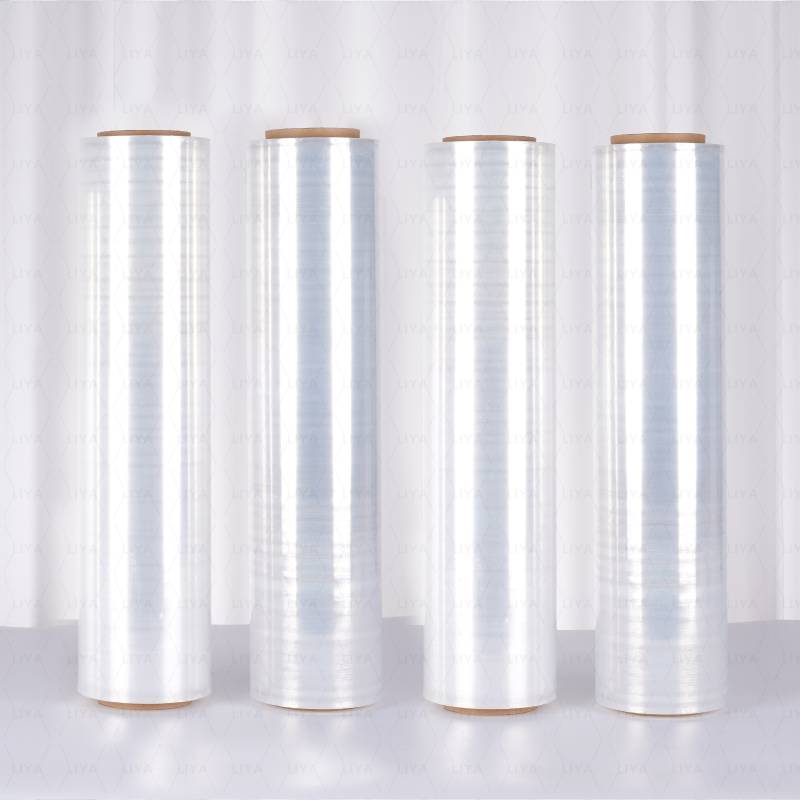
Our firm has extensive experience in deploying customized cpp film solutions for major clients in the food industry, including leading confectionery brands and processed food manufacturers. For instance, a recent project involved developing a specialized co-extruded cast polypropylene film with enhanced oxygen barrier for a premium snack manufacturer, which resulted in a 30% increase in product shelf life compared to their previous packaging.
Technical Advantages of CPP Film
The widespread adoption of cast polypropylene film is predicated on a suite of technical advantages that make it superior to other film types in specific applications. Understanding these benefits is crucial for optimizing material selection and product design.
- Excellent Heat Sealability: One of the primary advantages of cpp film is its superior heat-sealing window and strong seal integrity. This characteristic is critical for high-speed automatic packaging lines, reducing seal failures and improving production efficiency. This robust seal ensures product protection and extends shelf life.
- High Clarity and Gloss: Unoriented cast polypropylene film typically exhibits excellent optical properties, offering high transparency and gloss. This enhances the visual appeal of packaged products, which is particularly important in retail environments for food, textiles, and consumer goods.
- Good Puncture and Tear Resistance: Due to its unoriented molecular structure, cpp film offers significant flexibility and impact resistance, making it less prone to tearing or puncturing during handling, transport, and storage, especially compared to brittle oriented films.
- Softness and Flexibility: The inherent softness and conformability of cpp plastic film make it ideal for packaging items that require a gentle wrap or for stand-up pouches where flexibility is desired. This also contributes to a pleasant tactile experience for the end-user.
- Chemical Resistance: Polypropylene is known for its excellent resistance to chemicals, oils, and greases. This property makes cpp film suitable for packaging products that contain fats or are exposed to various chemical agents, maintaining package integrity and preventing contamination.
- Recyclability Potential: As a mono-material, cpp film offers higher recyclability potential compared to multi-material laminates, aligning with sustainability goals and circular economy initiatives. This allows for easier processing in recycling streams.
- Thermal Stability (Retort Grades): Specialized retortable cast pp film can withstand high temperatures (up to 130°C) required for sterilization, making it indispensable for aseptic packaging and ready-meal pouches, ensuring food safety and extended shelf life.
Our company holds ISO 9001 and ISO 14001 certifications, underscoring our commitment to quality management and environmental performance in the production of cpp film. Our products also meet stringent FDA and EU food contact regulations, providing an authoritative guarantee of safety and compliance.
Vendor Comparison for Cast PP Film
Selecting the right supplier for cpp film is a critical decision that impacts product quality, supply chain reliability, and cost-effectiveness. A comprehensive comparison factors in not just product specifications but also service, certifications, and technical support.
| Criteria | Liya Biobag (Our Offering) | Competitor A (Example) | Competitor B (Example) |
|---|---|---|---|
| Product Range (CPP Film types) | Standard, Metallized, Retort, Peelable, Anti-fog | Standard, Metallized | Standard, Retort |
| Minimum Order Quantity (MOQ) | Flexible, customized for B2B needs | High (e.g., 5-ton rolls) | Moderate (e.g., 3-ton rolls) |
| Certifications | ISO 9001, ISO 14001, FDA, EU Food Contact | ISO 9001 | ISO 9001, some regional food certs |
| Customization Capabilities | Extensive (thickness, width, additives, co-extrusion layers) | Limited to standard variations | Moderate, some special requests |
| Lead Time (Standard Product) | 2-4 weeks | 4-6 weeks | 3-5 weeks |
| Technical Support | Dedicated technical team, R&D collaboration | Standard support hotline | Basic email support |
| Pricing Competitiveness | Competitive with value-added services | Generally lowest (for standard films) | Mid-range |
Liya Biobag distinguishes itself through comprehensive customization capabilities, stringent quality adherence, and responsive technical support. Our deep understanding of polymer science and market demands allows us to produce highly optimized cast pp film solutions. With over 15 years of service in the flexible packaging industry, we have cultivated partnerships with globally recognized brands, reinforcing our commitment to reliable and high-quality supply.
Customized Solutions for CPP Plastic Film
Standard cpp film products often provide a solid foundation, but many industrial and packaging challenges demand tailored solutions. Our customization capabilities extend beyond basic film specifications to encompass intricate structural designs and functional enhancements.
Tailored Features Include:
- Variable Thickness and Width: We precisely control film gauge from 20 µm to 100 µm and custom roll widths up to 2.5 meters to fit specific machinery and application requirements.
- Co-extruded Layers: Development of multi-layer cast polypropylene film with distinct properties, such as high-barrier layers (EVOH, Nylon), peelable seal layers for easy opening, or anti-fog layers for fresh produce packaging. This engineering allows for optimization of performance characteristics like oxygen and moisture transmission rates.
-
Additive Integration: Incorporation of specialized additives to impart specific functionalities:
- Anti-static agents for reduced dust attraction and improved machine runnability.
- UV stabilizers for outdoor applications or extended product shelf life under light exposure.
- Slip agents to adjust the coefficient of friction (COF) for optimal unwinding and handling.
- Anti-block agents to prevent sticking in roll form.
- Surface Treatments: Tailored corona treatment levels to optimize surface energy for printing (gravure, flexo) and lamination, ensuring strong ink adhesion and laminate bond strength.
- Specialized Grades: Production of retortable, metallized, and biodegradable cast pp film variants to meet evolving market demands for extended shelf life, enhanced barrier, or environmental sustainability.
Our R&D team collaborates closely with clients to prototype, test, and validate customized cpp film solutions, ensuring they seamlessly integrate into existing production lines and meet performance benchmarks. This consultative approach minimizes risks and accelerates time-to-market for innovative packaging concepts.
Application Case Studies: CPP Film in Action
Real-world applications demonstrate the tangible benefits and problem-solving capabilities of cpp film. These case studies highlight our expertise and the value we deliver to our partners.
Case Study 1: Enhanced Shelf Life for Premium Pet Food
A leading pet food manufacturer sought to extend the shelf life of their premium wet pet food pouches, which required high-temperature retort sterilization. Their existing packaging was experiencing delamination issues during processing and inadequate oxygen barrier. Our solution involved developing a specialized multi-layer cast polypropylene film with an integrated high-temperature resistant tie layer and an EVOH barrier. This customized cpp film not only withstood the retort process at 125°C for 45 minutes but also provided a significantly improved oxygen barrier (OTR reduced by 70%) compared to their previous material. Customer feedback confirmed a dramatic reduction in packaging failures and a noticeable extension of product freshness, contributing to increased market share.
Case Study 2: Sustainable Packaging for Fresh Produce
A major fresh produce distributor required a clear, anti-fog packaging film for pre-cut salads that was also mono-material for easier recycling. Traditional solutions often involved complex laminates. We engineered a mono-layer cpp film with proprietary anti-fog additives and optimized breathability. The film maintained its clarity even in refrigerated conditions, preventing condensation build-up and enhancing product visibility. Furthermore, as a pure cpp plastic film, it facilitated easier recycling for their waste streams, supporting their corporate sustainability goals without compromising product quality or consumer appeal. The client reported a 20% reduction in packaging waste due to improved recyclability.
Case Study 3: High-Speed Textile Packaging
A large textile company needed a reliable packaging material for their apparel line that could withstand high-speed form-fill-seal (FFS) operations without static issues or tears. We provided a 30 µm high-clarity cast pp film treated with an optimized anti-static agent and carefully controlled slip properties (COF). This film significantly improved their production line efficiency by reducing machine jams and static-related problems. The enhanced optical properties also presented their garments more attractively, leading to positive consumer response.
Frequently Asked Questions (FAQ) about CPP Film
-
Q: What is the primary difference between CPP film and BOPP film?
A: The main difference lies in their manufacturing process and resultant properties. CPP film (Cast Polypropylene) is unoriented, providing flexibility, good heat sealability, and high puncture resistance. BOPP film (Biaxially Oriented Polypropylene) is stretched in both machine and transverse directions, giving it higher stiffness, superior clarity, better barrier properties, but lower heat seal strength and flexibility compared to cpp film. -
Q: Is cast polypropylene film recyclable?
A: Yes, in its pure form, cpp film is recyclable (PP Code 5). However, its recyclability in practice often depends on local recycling infrastructure and whether it's part of a multi-material laminate. We actively work on developing mono-material solutions to enhance recyclability. -
Q: Can cpp plastic film be used for retort applications?
A: Yes, specialized retort grades of cpp film are specifically designed to withstand the high temperatures and pressures of retort sterilization processes (typically up to 130°C). These films maintain their integrity and barrier properties under such harsh conditions. -
Q: What are the typical lead times for custom cast pp film orders?
A: For standard cpp film products, lead times are typically 2-4 weeks. For highly customized solutions involving new formulations or multi-layer structures, lead times may range from 4-8 weeks, depending on complexity and testing requirements. We communicate estimated lead times clearly during the quotation process.
Lead Time and Fulfillment for CPP Film
Our streamlined production and logistics processes ensure efficient fulfillment of cpp film orders. For standard products available in our inventory, we typically offer a lead time of 2-3 weeks from order confirmation to dispatch. Custom orders, requiring specific formulations or co-extrusion profiles, may extend to 4-6 weeks, allowing for meticulous material sourcing, production scheduling, and rigorous quality control. We maintain strategic stock levels of common cast polypropylene film variants to support urgent requirements and provide just-in-time delivery solutions where feasible. Our global distribution network facilitates efficient shipment, ensuring your materials arrive on schedule and in pristine condition, ready for your production lines. We are committed to transparent communication regarding order status and potential adjustments, ensuring a reliable supply chain for our B2B partners.
Warranty and After-Sales Support for CPP Film
We stand behind the quality and performance of our cpp film products. All our films are supplied with a standard product warranty covering defects in material and workmanship for a period of 12 months from the date of delivery, provided they are stored and handled according to our recommendations. This commitment is underpinned by our adherence to ISO 9001 quality management standards, ensuring every batch of cast polypropylene film undergoes stringent testing.
Our dedicated after-sales support team comprises experienced technical specialists available to assist with any queries or issues related to product application, processing, or performance. This includes:
- Technical Troubleshooting: On-site or remote assistance to resolve processing challenges on your production lines.
- Performance Optimization: Guidance on maximizing the efficiency and effectiveness of cpp plastic film in your specific applications.
- Quality Assurance: Prompt investigation and resolution of any quality concerns, with full traceability of product batches.
- Documentation Support: Provision of certificates of analysis, technical data sheets, and compliance statements (e.g., FDA, EU regulations) for all our cast pp film products.
Our goal is to build long-term partnerships based on trust and mutual success, ensuring that our cpp film consistently meets and exceeds your expectations.
Conclusion
CPP film remains a cornerstone of flexible packaging and industrial applications, offering an unparalleled blend of clarity, flexibility, heat-sealability, and protective qualities. Its adaptability, particularly through advanced co-extrusion and customization, ensures its continued relevance in an evolving market driven by demands for greater sustainability, extended shelf life, and operational efficiency. By partnering with a supplier committed to technical excellence, rigorous quality control, and comprehensive customer support, businesses can harness the full potential of cast polypropylene film to innovate and optimize their product offerings.
References
- "The Future of Flexible Packaging: Drivers and Innovations." Packaging World Magazine, 2023.
- "Polypropylene Film: Properties, Manufacturing and Applications." Plastics Technology Magazine, 2022.
- "Global Cast Polypropylene (CPP) Film Market Research Report." Grand View Research, 2022.
- ISO 9001:2015 - Quality management systems — Requirements. International Organization for Standardization.
- ASTM International Standards for Plastic Films and Sheeting.
-
Secure Shipping Guide with Poly Mailer Bubble Wrap SolutionsNewsApr.16,2026
-
Secure Shipping Guide for Using Durable Bubble Parcel BagsNewsApr.09,2026
-
Comprehensive Guide to Poly Mailer Bubble for Secure and Efficient ShippingNewsApr.07,2026
-
Elevate Your Brand with Custom Designer Bubble Mailers for Effective PackagingNewsApr.04,2026
-
Comprehensive Guide to Poly Mailers with Bubble Wrap for Secure ShippingNewsMar.31,2026
-
Comprehensive Guide to Large Bubble Poly Mailers for Secure and Efficient ShippingNewsMar.28,2026
-
Have the freedom of customizing your custom mailers any way you want! Our dedicated packaging support will help deliver you the mailing experience you need to elevate your shipping experience to the next level! Start making a strong impression on your customers and stand out from your competitors! -
LIYA uses high quality raw materials which directly purchased from large enterprises domestic and overseas such as PetroChina, Sinopec, Sabic, Equate, ExxonMobil, Dow Chemical, Total, and Borouge, ensuring the price advantage and quality of the raw materials. -
LIYA uses high quality raw materials which directly purchased from large enterprises domestic and overseas such as PetroChina, Sinopec, Sabic, Equate, ExxonMobil, Dow Chemical, Total, and Borouge, ensuring the price advantage and quality of the raw materials.
 English
  Arabic
  China
China  French
  Korean
  Russian
  Spanish