Durable and Sustainable Grey Plastic Mailing Bags for Modern Shipping Needs
Understanding Grey Plastic Mailing Bags: Why They Matter in Today’s Shipping Landscape
At first glance, grey plastic mailing bags might seem like just another packaging material. But globally, these simple carriers play a surprisingly pivotal role in logistics, e-commerce, and humanitarian aid. With the rise of online shopping and the ever-growing need for efficient, secure parcel delivery, knowing what goes into a grey plastic mailing bag—and why it counts—can reveal a lot about modern supply chains and environmental challenges.
These bags are few things: lightweight yet tough, cost-efficient yet surprisingly versatile, and a bit underserved in terms of understanding their full potential. In this article, we’ll unpack what grey plastic mailing bags really are, their key features, where they’re used around the world, and how ongoing innovations promise to improve not just shipping, but a broad swath of industries that rely on dependable packaging.
Global Context: The Ubiquity of Grey Plastic Mailing Bags
According to a 2023 ISO report, the global plastic packaging market exceeds $350 billion annually, with mailing bags occupying a significant portion in e-commerce and postal services. Grey plastic mailing bags are frequently preferred for their neutral color—helpful in dampening visibility of dirt and scratches during transit—and their balance of strength and flexibility.
In fact, the United Nations Environment Programme highlights that over 65% of small to medium-sized parcels worldwide use poly mailers, a category to which grey plastic mailing bags belong. Yet, the very ubiquity of these items also poses problems: plastic waste is a mounting challenge, so how can industries align convenience with sustainability?
From pandemic-fueled online shopping surges to humanitarian relief kits shipped under tough conditions, grey plastic mailing bags are both a solution and a point of focus for improvement in packaging eco-friendliness and product security.
What Exactly Are Grey Plastic Mailing Bags?
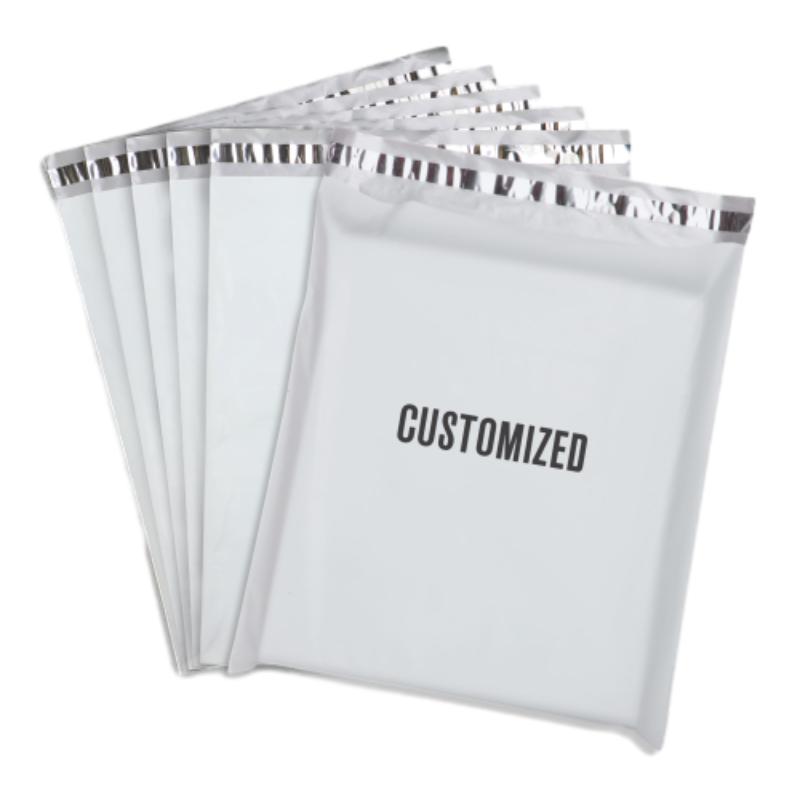
Simply put, grey plastic mailing bags are lightweight, flexible polyethylene or recyclable plastic pouches designed to carry goods safely through mailing and courier systems. The “grey” descriptor mostly refers to a matte or semi-opaque pigmentation, which reduces transparency and helps conceal the bag’s contents during transport.
In practice, they are modern evolutions of postal envelopes, often enhanced with self-sealing adhesives, puncture-resistant materials, and rain-resistant coatings. Industries from fashion retail to medical supply chains depend on them to deliver products efficiently without bulk or excess weight.
Core Components of Grey Plastic Mailing Bags
1. Durability
Grey plastic mailing bags must withstand rough handling—tumbles into parcels bins, mechanical sorting lines, and varying climates. They’re engineered to resist tearing and moisture, keeping contents safe from damage and weather.
2. Cost Efficiency
Compared to cardboard boxes, plastic mailing bags slash shipping weight and material costs, allowing businesses to stay competitive in pricing. I noticed many SMEs choose these bags precisely because they offer big ROI in logistics savings.
3. Scalability
These bags come in an array of sizes, from small pouches for jewelry to oversized mailers for clothing or bulky light goods. This scalability supports businesses from small artisan shops to global distributors with massive volume fluxes.
4. Security Features
Advanced grey mailing bags frequently feature tamper-evident seals or quick-peel adhesives, letting shippers know if a package’s integrity has been compromised, which boosts customer confidence.
5. Environmental Impact
As pressure mounts for greener packaging, many manufacturers now offer recycled-content or biodegradable plastic mailing bags, allowing users to reduce their carbon footprints without sacrificing functionality.
Applications Around the World
Grey plastic mailing bags excel in several key contexts:
- E-commerce and Retail: Online boutiques and large retailers alike favor these bags for shipping apparel and small household goods due to lightness and efficiency.
- Humanitarian Aid: NGOs use them to package relief supplies, especially in emergency zones where durable, weatherproof packaging is critical.
- Pharmaceuticals: Controlled shipping of medicines benefits from secure, hygienic plastic mailing pouches to maintain product integrity.
- Industrial Uses: Small components or spare parts shipped within industrial supply chains often rely on color-coded mailers for identification, making the neutral grey a popular base.
A memorable case comes from Southeast Asia, where grey mailing bags have played a quiet but crucial role shipping PPE kits during the COVID-19 pandemic — protecting supplies through humid, tropical conditions.
Advantages & Long-Term Value of Grey Plastic Mailing Bags
Why choose grey plastic mailing bags? Here’s a short rundown:
- Affordability: A low-cost packaging option for almost any business.
- Durability: Robust packaging guards against shipment damage.
- Eco-friendliness: Emerging recycled and biodegradable options.
- Security: Tamper-resistant features that increase trust.
- Customer Experience: Sleek design plus practical functionality adds perceived value.
Ultimately, these bags help streamline supply chains, reduce carbon footprints, and maintain product safety — a win-win-win if you ask me.
Product Specification Table
| Attribute | Standard Range | Description |
|---|---|---|
| Material | Low-Density Polyethylene (LDPE) | Flexible, durable plastic film commonly used in mailing bags. |
| Thickness | 50 - 100 microns | Balances strength with lightweight design for cost savings. |
| Size Options | From 150x200 mm up to 600x800 mm | Various sizes to accommodate different shipping needs. |
| Seal Type | Self-adhesive peel and seal | Ensures quick, tamper-evident sealing. |
| Color | Grey matte finish | Reduces transparency and conceals contents. |
| Recyclability | Recyclable, some biodegradable variants available | Environmental considerations adapting to market demands. |
Comparing Top Vendors of Grey Plastic Mailing Bags
| Company | Material Quality | Eco-Friendly Options | Customization | Price Range | Lead Time |
|---|---|---|---|---|---|
| Liya BioBag | Premium LDPE with tear-resistance | Yes, biodegradable and recycled options | Full printing & sizing | $$ | 2-3 weeks |
| PolyPack Global | Standard LDPE | Limited | Basic sizes only | $ | 1-2 weeks |
| EcoMail Solutions | Medium-grade LDPE | Focus on recycled plastics | Limited customization | $$$ | 3-4 weeks |
Looking Ahead: Innovations and Emerging Trends
Grey plastic mailing bags are evolving, driven by both technological advancements and shifting consumer values. Oddly enough, the rise of grey plastic mailing bags with biodegradable polymers and compostable coatings is becoming a quiet revolution. Industry leaders talk about integrating smart packaging elements like RFID tags embedded within the plastic for real-time shipment tracking.
Automation in production lines is reducing waste and improving consistency, while new materials aim to lower plastic waste footprints.
There’s also increasing momentum for circular economy models whereby used mailers are collected, processed, and remanufactured—a future that feels both inevitable and welcome.
Challenges We Still Face
Despite their utility, grey plastic mailing bags come with caveats:
- Recycling Difficulties: Mixed material composites can hinder recycling processes, limiting circular reuse.
- Environmental Concerns: Legacy versions contribute to plastic pollution when mismanaged.
- Product Suitability: Not suitable for fragile items requiring rigid protection.
Solutions? Manufacturers are experimenting with mono-material designs that simplify recycling and using additives to accelerate biodegradation. Plus, educating businesses on correct disposal methods can close the loop.
Frequently Asked Questions About Grey Plastic Mailing Bags
- Q: Are grey plastic mailing bags waterproof?
- A: Yes, most grey plastic mailing bags provide a waterproof barrier thanks to their polyethylene composition, protecting contents from rain or moisture during transit.
- Q: Can these bags be customized with branding?
- A: Absolutely. Many suppliers offer printing options ranging from simple logos to full-color designs, helping businesses reinforce brand identity while shipping.
- Q: How eco-friendly are recycled grey plastic mailing bags?
- A: Recycled variants reduce reliance on virgin plastic and lower emissions during production, but proper recycling post-use remains critical to maximize benefits.
- Q: What size options do these bags come in?
- A: Sizes typically range from small 150x200 mm to large 600x800 mm, accommodating a diverse range of product types and shipment requirements.
- Q: Are there biodegradable grey plastic mailing bags available?
- A: Yes, some manufacturers produce biodegradable options using additives or alternative polymers designed to break down faster under certain conditions.
Wrapping Up: Why Grey Plastic Mailing Bags Will Keep Shipping Simple and Sustainable
So, next time you receive a parcel in a grey plastic mailing bag, you’re holding a tiny marvel of modern packaging—purpose-built for durability, practicality, and increasingly, environmental responsibility. These bags help global businesses cut costs, streamline delivery, and maintain product safety, all while adapting to sustainability challenges.
Curious to explore the best-in-class products on the market? Visit https://www.liyabiobag.com and discover how the next generation of grey plastic mailing bags can support your supply chain and green goals.
Mini takeaway: Grey plastic mailing bags are humble but essential players in global logistics, balancing efficiency and eco-awareness in a package that’s lighter than it looks.
References
-
Secure Shipping Guide with Poly Mailer Bubble Wrap SolutionsNewsApr.16,2026
-
Secure Shipping Guide for Using Durable Bubble Parcel BagsNewsApr.09,2026
-
Comprehensive Guide to Poly Mailer Bubble for Secure and Efficient ShippingNewsApr.07,2026
-
Elevate Your Brand with Custom Designer Bubble Mailers for Effective PackagingNewsApr.04,2026
-
Comprehensive Guide to Poly Mailers with Bubble Wrap for Secure ShippingNewsMar.31,2026
-
Comprehensive Guide to Large Bubble Poly Mailers for Secure and Efficient ShippingNewsMar.28,2026
-
Have the freedom of customizing your custom mailers any way you want! Our dedicated packaging support will help deliver you the mailing experience you need to elevate your shipping experience to the next level! Start making a strong impression on your customers and stand out from your competitors! -
LIYA uses high quality raw materials which directly purchased from large enterprises domestic and overseas such as PetroChina, Sinopec, Sabic, Equate, ExxonMobil, Dow Chemical, Total, and Borouge, ensuring the price advantage and quality of the raw materials. -
LIYA uses high quality raw materials which directly purchased from large enterprises domestic and overseas such as PetroChina, Sinopec, Sabic, Equate, ExxonMobil, Dow Chemical, Total, and Borouge, ensuring the price advantage and quality of the raw materials.

 English
  Arabic
  China
China  French
  Korean
  Russian
  Spanish