Durable and Sustainable Plastic Postage Envelopes | Global Shipping Solutions
Understanding Plastic Postage Envelopes: Small Packages with Big Global Impact
If you’ve ever sent something by mail, chances are you’ve encountered a plastic postage envelope. But beyond just being a simple wrapper for your parcel, these envelopes are a fascinating, often overlooked piece of logistics puzzle — a real unsung hero of modern shipping. Globally, the demand for safe, cost-effective, and reliable mail packaging solutions is ticking upward, propelled by e-commerce booms and humanitarian efforts alike.
Understanding the role and design of plastic postage envelopes matters because they help ensure parcels reach recipients intact while balancing environmental concerns. And honestly, the innovations in this sector reflect broader shifts in supply chain sustainability and efficiency — topics of huge importance worldwide.
Why Plastic Postage Envelopes Matter on a Global Scale
Plastic postage envelopes might sound mundane, yet their global relevance is surprisingly significant. According to the Universal Postal Union (UPU), the number of postal items worldwide has surpassed 400 billion annually, with a sizable chunk protected by these envelopes. The World Bank reports a continued rise in international e-commerce shipments, emphasizing secure packaging as a critical need.
Yet with this rise comes challenges: How do we reduce the environmental footprint of single-use plastics? And how do logistics operators maintain parcel integrity in diverse climates and transport modes? Plastic envelopes address these problems by offering durability and moisture resistance, but there's still work to be done in terms of recyclability and minimizing waste.
What Exactly Are Plastic Postage Envelopes?
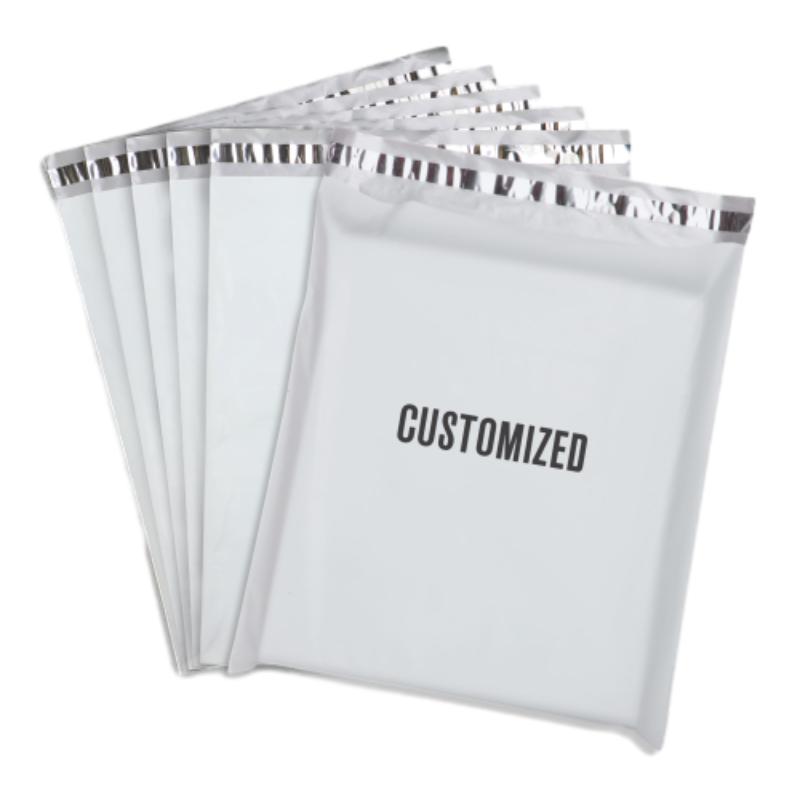
In simple terms, plastic postage envelopes are lightweight, flexible mailers made primarily from various polyethylene or polypropylene films. They come in various sizes and thicknesses, often featuring self-seal adhesives, tamper-evident closures, or even bubble lining for fragile goods. They're designed to protect contents from moisture, tearing, and rough handling during postal transit.
These envelopes connect deeply to industries ranging from retail and pharmaceuticals to relief organizations conducting humanitarian aid. For example, when NGOs send medical supplies to disaster zones, robustness and water resistance are non-negotiable. Plastic postage envelopes fill this niche perfectly.
Durability and Protection
One of their main selling points is simply how well they shield your shipment. Polyethylene-based envelopes resist tears, punctures, and water damage — a must in unpredictable transport conditions. This durability reduces losses and replacements, cutting costs in the long run.
Cost Efficiency and Lightweight Design
Since they weigh less than paperboard or rigid mailers, plastic postage envelopes help reduce shipping fees especially on a global scale where weight determines cost. They’re cheap to manufacture and take less space in distribution centers, contributing to streamlined logistics.
Security Features
Many plastic mailing envelopes now offer self-adhesive seals with tamper-evident strips, keeping contents safe from prying eyes. Some brands even incorporate QR codes or RFID tags for tracking—a neat bridge between physical and digital security.
Environmentally Conscious Options
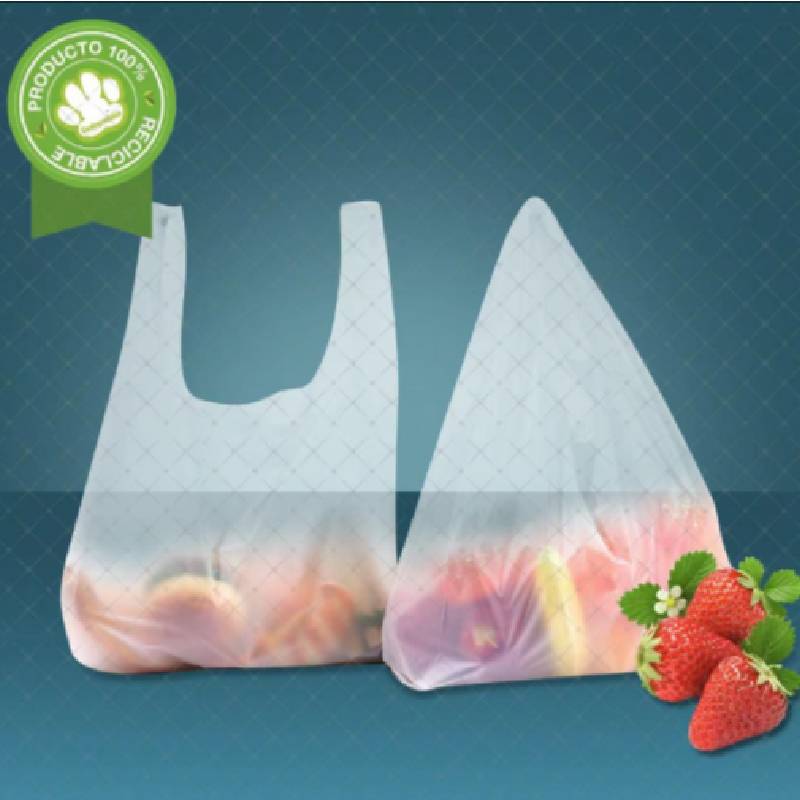
Though traditionally made from non-biodegradable plastics, recent advances have introduced recycled films and compostable additives. Companies are experimenting with reducing carbon footprints without losing the envelopes' core protective qualities.
Customization and Branding
Packaging nowadays isn’t just about protection. It’s about identity. Businesses often customize plastic postage envelopes with logos, brand colors, or printed instructions. This not only elevates customer experience but also enhances operational efficiency by coding sizes or product types.
How Plastic Postage Envelopes Serve Diverse Global Needs
The beauty lies in versatility. In fast-paced urban hubs in North America and Europe, they enable hundreds of thousands of e-commerce shipments daily. In remote areas of Africa or Asia, where infrastructure is patchy, these envelopes protect vital documents, medicines, and small equipment sent via fragile postal systems.
- Disaster Relief: NGOs use plastic envelopes to send urgent supplies after floods or hurricanes, where sealing out dampness is critical.
- Pharmaceuticals: Clinics rely on sealed plastic mailers to ship vaccines or temperature-sensitive items securely.
- Retail & Fashion: Lightweight mailed soft goods benefit from these flexible envelopes, allowing safe delivery while minimizing environmental footprints.
Oddly enough, even government agencies leverage these envelopes to dispatch sensitive identity documents or international passports securely, relying on their tamper evidence and durability.
Advantages of Plastic Postage Envelopes: More than Just Mailing
Let’s talk benefits. Using plastic postage envelopes isn’t just about saving a dollar or two in postage. It’s about reliability—in the uncertain web of global shipping, customers expect their packages intact. There’s also a huge social side to this: when critical aid or medicines reach isolated recipients undamaged, it can literally save lives.
From an emotional viewpoint, the trust customers place in sellers packaging orders carefully impacts loyalty and brand perception. And on the sustainability front, many manufacturers are innovating to ensure these plastic envelopes are recyclable or made from renewable materials, meaning long-term environmental impact is improving.
Technical Specifications of Typical Plastic Postage Envelopes
| Feature | Specification | Notes |
|---|---|---|
| Material | Low-density Polyethylene (LDPE) | Common for flexibility and moisture resistance |
| Thickness | 30 - 70 microns | Balances protection & weight |
| Seal type | Self-adhesive strip (tamper-evident) | Easy and secure |
| Dimensions (standard sizes) | 100x150 mm, 200x250 mm, 300x400 mm | Fits common mailing items |
| Recyclability | Varies; 30-60% recycled content options available | Still developing industry-wide |
Comparing Leading Vendors of Plastic Postage Envelopes
| Vendor | Material Options | Sustainability Focus | Customization | Typical Industry Clients |
|---|---|---|---|---|
| Liya Bio Bag | Recycled LDPE, Biodegradable Films | Strong, using renewable materials | Full branding & sizes | E-commerce, NGOs, Govt. |
| PolyPack Solutions | Standard LDPE, Bubble-lined | Limited recycled content | Basic logo printing | Retail & Pharma |
| GreenSeal Packaging | Compostable bio-films | Environmental leader | Custom messaging | Sustainability-focused brands |
Looking Ahead: Trends and Innovations in Plastic Postage Envelopes
The future is mostly about balance — between protection and eco-friendliness. We’re seeing the rise of bio-based plastics and envelopes that can break down in industrial composters, addressing the huge waste problem. Add to that, smart envelopes integrating NFC or QR codes for real-time tracking, making the entire logistics process more transparent and efficient.
Automation is also influencing envelope production, pushing for faster, more precise cutting and sealing, which cuts costs and waste. And frankly, digital printing technology now allows small shipments to have the same professional packaging as big corporations, leveling the playing field.
Challenges to Overcome and How the Industry is Responding
Plastic waste remains the biggest controversy surrounding plastic postage envelopes. While many manufacturers have begun using recycled content, the actual recycling of these mixed-material envelopes remains tricky due to glue and composite layers. Some experts advocate for redesigning envelopes for easier recyclability or encouraging take-back programs.
Cost is another factor — switching to green materials or advanced tracking features can push up prices, which is tough for small businesses. But gradually, as demand scales and technologies mature, these costs should come down.
FAQ: Plastic Postage Envelopes
- Q: Are plastic postage envelopes recyclable?
A: Many are made with recyclable LDPE, but actual recyclability depends on local recycling programs and envelope composition. Some envelopes have adhesives that complicate recycling. Look for certified recyclable or compostable options for better environmental impact. - Q: How do plastic postage envelopes compare to paper ones?
A: Plastic envelopes typically offer better water and tear resistance and are lighter, reducing shipping costs. However, paper envelopes might be more eco-friendly if sourced from recycled paper and certified sustainable forests. - Q: Can plastic postage envelopes be customized?
A: Yes! Most manufacturers offer options for printing logos, choosing sizes, seals, and even embedding tracking chips or QR codes for brand identity and security. - Q: Are there biodegradable plastic mailing envelopes?
A: Yes, recent advances have seen biodegradable or compostable films entering the market, offering similar protection but breaking down faster in industrial composting environments.
Wrapping Up: Why Plastic Postage Envelopes Deserve Your Attention
So, after all this, what’s the takeaway? Plastic postage envelopes are a foundational but often invisible element of our interconnected world. They knit together e-commerce, aid, government, and more with simple but effective protection, advanced enough to keep up with global needs and evolving sustainability demands.
Curious to explore sustainable and high-quality options for your packaging needs? Visit plastic postage envelopes to see how innovation meets responsibility.
References & Further Reading
- Universal Postal Union (UPU) – Postal worldwide data and analysis
- World Bank: Global Trade and Logistics
- ISO standards on packaging materials
-
Secure Shipping Guide with Poly Mailer Bubble Wrap SolutionsNewsApr.16,2026
-
Secure Shipping Guide for Using Durable Bubble Parcel BagsNewsApr.09,2026
-
Comprehensive Guide to Poly Mailer Bubble for Secure and Efficient ShippingNewsApr.07,2026
-
Elevate Your Brand with Custom Designer Bubble Mailers for Effective PackagingNewsApr.04,2026
-
Comprehensive Guide to Poly Mailers with Bubble Wrap for Secure ShippingNewsMar.31,2026
-
Comprehensive Guide to Large Bubble Poly Mailers for Secure and Efficient ShippingNewsMar.28,2026
-
Have the freedom of customizing your custom mailers any way you want! Our dedicated packaging support will help deliver you the mailing experience you need to elevate your shipping experience to the next level! Start making a strong impression on your customers and stand out from your competitors! -
LIYA uses high quality raw materials which directly purchased from large enterprises domestic and overseas such as PetroChina, Sinopec, Sabic, Equate, ExxonMobil, Dow Chemical, Total, and Borouge, ensuring the price advantage and quality of the raw materials. -
LIYA uses high quality raw materials which directly purchased from large enterprises domestic and overseas such as PetroChina, Sinopec, Sabic, Equate, ExxonMobil, Dow Chemical, Total, and Borouge, ensuring the price advantage and quality of the raw materials.
 English
  Arabic
  China
China  French
  Korean
  Russian
  Spanish