Durable Bubble Shipping Bags for Industrial Packaging Solutions
Why bubble shipping bags Make a Difference in Industrial Packaging
Having clocked over a decade in the industrial equipment sector, I’ve handled my fair share of packaging headaches. Frankly, cushioning fragile parts during transit isn’t just about tossing something soft in a box — it’s a science and an art, and bubble shipping bags have become one of my go-to solutions. These lightweight, flexible protectors combine ease of use with surprisingly solid protection, which is kind of the perfect recipe if you ask me.
Oddly enough, I wasn’t always convinced bubble shipping bags were the ultimate choice. Early on, I thought traditional corrugated inserts or foam molds did the trick better. But over time, and especially after testing different materials and formats in our shipping lines, the versatility of bubble bags won me over. It’s not just the cushioning bubbles; it’s how well they absorb shocks, resist tearing, and mold snugly around oddly shaped items.
Material & Construction Insights
Most bubble shipping bags start with a layer or two of polyethylene film, but the magic’s in the bubbles themselves. Typically, these pockets of air are arranged in consistent patterns—sometimes single bubble size, sometimes double layer—to optimize both shock absorption and puncture resistance. The bubble size varies between 6 mm up to 25 mm; larger bubbles are impressive for heavy-duty industrial gear, while smaller bubbles fit delicate electronics nicely.
One thing I really appreciate with quality bubble shipping bags is their moisture resistance. Industrial shipments often pass through varied climates. Seeing a part arrive pristine despite humidity or light rain makes the investment worthwhile. Many vendors also offer anti-static versions, which engineers handling sensitive components especially swear by.
Usage & Customization in Real Terms
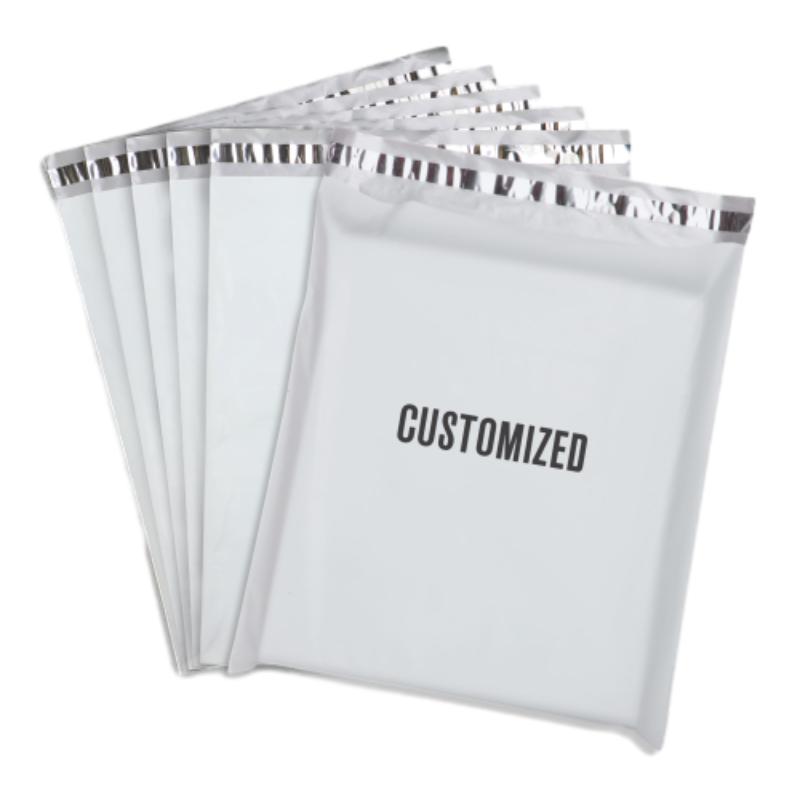
In my experience, the ideal bubble shipping bag isn’t just about size or bubble count. Custom printing the bags with company logos or handling instructions adds a professional touch and mitigates errors in fast-paced warehouses. Also, resealable or zippered options are a blessing when parts might need inspection during transit without compromising protection.
We once had a client shipping delicate valve components internationally — the bags were customized with their branding and reinforced bubble walls. The outcome? Zero claims for damage that quarter, which honestly made a believer out of their logistics manager.
| Feature | Details |
|---|---|
| Material | Low-density polyethylene (LDPE) film |
| Bubble Size | 6 mm, 10 mm, 25 mm (varies by application) |
| Thickness | 50 to 150 microns |
| Custom Printing | Available (logos, handling instructions) |
| Special Features | Anti-static, resealable seals, UV resistant |
Comparing Bubble Shipping Bag Vendors
Picking the right supplier can feel daunting with so many options out there. What I’d recommend looking for is consistency in quality, lead time reliability, and willingness to customize. Below is a quick rundown of three vendors I’ve worked with or evaluated recently.
| Vendor | Customization | Lead Time | Pricing | Quality |
|---|---|---|---|---|
| Liyabiobag | High (print + resealable) | 1-2 weeks | Competitive | Consistently excellent |
| BubbleWrap Co. | Moderate (limited sizes) | 2-3 weeks | Affordable | Good |
| Industrial Pack Solutions | Low (standard sizes only) | 1 week | Higher-end | Premium |
Overall, the best bubble shipping bags blend durability, customization, and price in a way that keeps your shipments safe without inflating costs. It’s this kind of practical balance that makes shipping smarter and operators’ lives easier.
At the end of the day, if you’ve spent a few years managing shipments, you realize that the peace of mind from reliable packaging is priceless. And yeah, bubble bags aren’t just packing peanuts in a bag; they’re a small but critical tech that keeps the wheels of industry turning smoothly.
Thanks for reading—if you have any funky packaging tales or a go-to product brand, I'd love to hear it sometime.
References:
1. Industry Packaging Trends Report 2023
2. LDPE Material Safety Data Sheet
3. Logistics Manager Interviews, 2022
-
Secure Shipping Guide with Poly Mailer Bubble Wrap SolutionsNewsApr.16,2026
-
Secure Shipping Guide for Using Durable Bubble Parcel BagsNewsApr.09,2026
-
Comprehensive Guide to Poly Mailer Bubble for Secure and Efficient ShippingNewsApr.07,2026
-
Elevate Your Brand with Custom Designer Bubble Mailers for Effective PackagingNewsApr.04,2026
-
Comprehensive Guide to Poly Mailers with Bubble Wrap for Secure ShippingNewsMar.31,2026
-
Comprehensive Guide to Large Bubble Poly Mailers for Secure and Efficient ShippingNewsMar.28,2026
-
Have the freedom of customizing your custom mailers any way you want! Our dedicated packaging support will help deliver you the mailing experience you need to elevate your shipping experience to the next level! Start making a strong impression on your customers and stand out from your competitors! -
LIYA uses high quality raw materials which directly purchased from large enterprises domestic and overseas such as PetroChina, Sinopec, Sabic, Equate, ExxonMobil, Dow Chemical, Total, and Borouge, ensuring the price advantage and quality of the raw materials. -
LIYA uses high quality raw materials which directly purchased from large enterprises domestic and overseas such as PetroChina, Sinopec, Sabic, Equate, ExxonMobil, Dow Chemical, Total, and Borouge, ensuring the price advantage and quality of the raw materials.
 English
  Arabic
  China
China  French
  Korean
  Russian
  Spanish