Eco Friendly Postage Bags: Sustainable Shipping Solutions for a Greener Future
Understanding Eco Friendly Postage Bags: Why They Matter Today
When you think about postage bags, your mind probably jumps to those unassuming envelopes or pouches you mail with every online order. But here’s the catch: not all postage bags are created equal, especially when you peek behind the curtain and think globally about environmental impact. Eco friendly postage bags are transforming the way businesses, post offices, and consumers handle shipping — aiming for reduced waste, fewer toxins, and improved sustainability. With increasing pressure on packaging to meet climate goals, getting familiar with these green alternatives can unlock real benefits, from cutting plastic pollution to attracting eco-conscious customers.
Oddly enough, the humble postage bag is a global player in sustainability. Think about the billions of parcels flying around the globe every day; the materials used and their end-of-life fate add up to a substantial footprint. So, how do eco friendly postage bags address this? Let’s dive in.
The Global Outlook: Why Eco Friendly Postage Bags Are Gaining Traction
According to the United Nations Environment Programme (UNEP), global plastic production has skyrocketed by 200% over the past two decades, with packaging accounting for a lion’s share [UNEP Report]. Postage bags, traditionally made from polyethylene or mixed plastics, contribute to this waste, often ending up in landfills or oceans — not the kind of place anyone wants their mail to “live,” frankly.
As online shopping boomed — especially during the COVID-19 pandemic — packaging waste surged dramatically. The International Organization for Standardization (ISO) estimates that packaging waste accounts for nearly 40% of total municipal solid waste globally, making it a critical target for sustainability efforts.
The challenge? Balancing durable, lightweight, and protective packaging with materials that are easy on the planet. Eco friendly postage bags rise to this challenge by offering renewable, biodegradable, or recyclable solutions that don’t skimp on performance.
Mini Takeaway:
- Packaging waste is a significant environmental concern, especially from shipping.
- Eco friendly postage bags reduce plastic pollution and align with global sustainability targets.
What Exactly Are Eco Friendly Postage Bags?
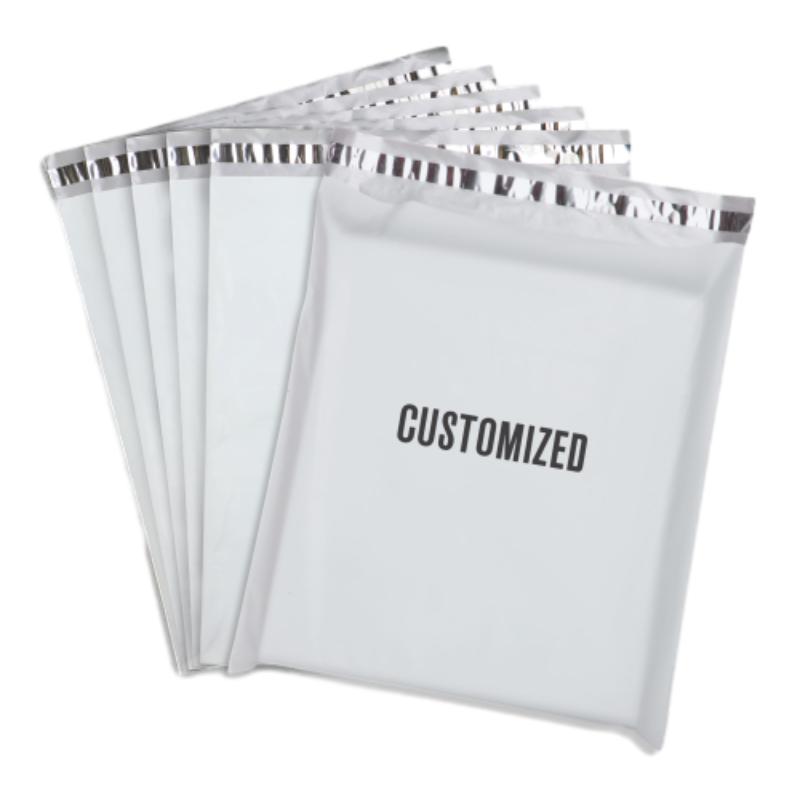
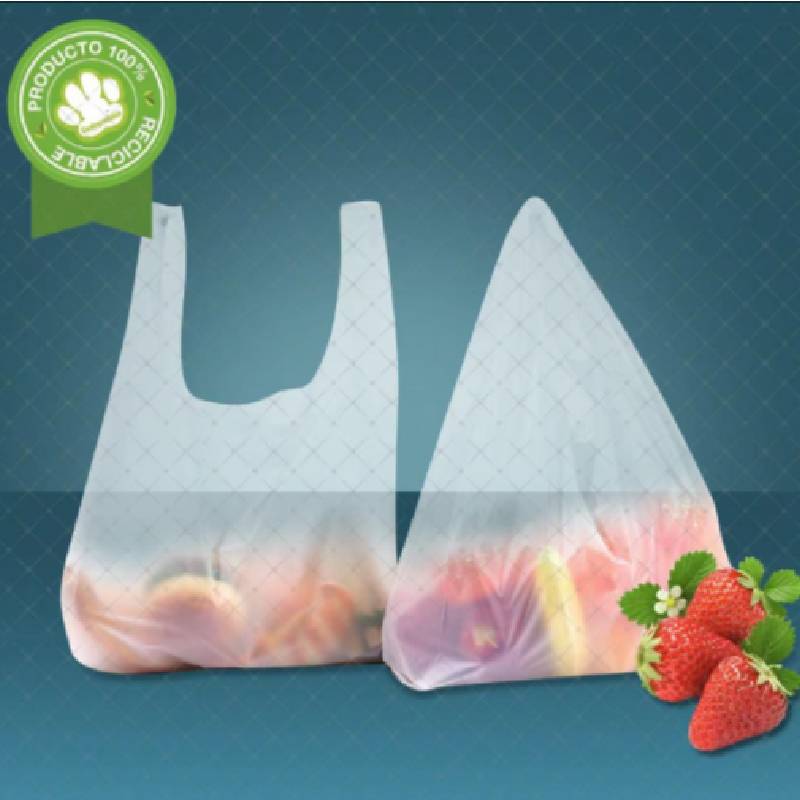
In simple terms, eco friendly postage bags are shipping envelopes or pouches designed to minimize environmental harm. Usually, they're made from biodegradable materials like plant-based PLA (polylactic acid), recycled paper, or biodegradable polymers that break down more readily than traditional plastics.
They still need to protect parcels — no one wants a soggy package — but their design considers the entire lifecycle. That means less fossil fuel dependence, reduced carbon emissions during manufacturing, and easier recycling or composting after use.
The shift toward these bags also connects with growing humanitarian and industrial goals. Think disaster relief zones where lightweight, durable bags facilitate efficient aid delivery while minimizing waste left behind, or environmentally sensitive regions where biodegradable packaging respects fragile ecosystems.
Core Components to Look For in Eco Friendly Postage Bags
1. Durability and Protection
The material must shield contents from moisture, tearing, and rough handling, without resorting to layers of harmful plastics that don’t break down.
2. Biodegradability and Compostability
The bags should degrade naturally in a reasonable time frame when discarded, turning into harmless substances or even fertilizer in some cases.
3. Material Transparency and Certification
Look for certifications from ISO or ASTM indicating biodegradability or recycled content — these aren't just marketing jargon; they often represent real scientific standards.
4. Cost-Effectiveness
Though eco options can be pricier initially, savings arise over time through reduced waste management costs and positive brand perception.
5. Scalability and Availability
Suppliers that can deliver large volumes ensure businesses can switch without disrupting logistics significantly.
Mini Takeaway:
- Eco friendly bags must balance protection with sustainability.
- Verified materials and certifications are key for credible green claims.
Global Applications: Where Eco Friendly Postage Bags Shine
The beauty of these bags lies in their versatility and adoption across diverse contexts:
- E-commerce Retail: Major online retailers look for packaging that reduces their carbon footprint without raising shipping costs.
- Post-Disaster Relief: Aid organizations pack essentials using bags that won’t add to long-term waste, especially crucial in ecosystems sensitive to plastics.
- Developing Regions: Areas with poor waste management infrastructure benefit from biodegradable bags that won’t choke waterways or soil.
- Corporate Supply Chains: Companies aiming for ISO 14001 environmental management certification increasingly prefer green packaging.
For example, a Southeast Asian postal service implemented compostable mailing bags derived from cassava starch, reducing ocean-bound plastic by tons annually. Meanwhile, European startups experiment with seaweed-based films as postage bags, adding a fascinating innovation angle.
Product Specification Table: Typical Eco Friendly Postage Bags
| Specification | Details |
|---|---|
| Material | PLA-based Bioplastic / Recycled Kraft Paper |
| Size Range | Small (5 x 7 in) to Large (15 x 20 in) |
| Closure Type | Self-sealing adhesive strip |
| Biodegradability Certification | ASTM D6400 / EN13432 Certified |
| Water Resistance | Moderate – Suitable for dry parcel inner layers |
| Average Cost per Unit | $0.10 - $0.25 (depends on volume) |
Comparing Leading Vendors of Eco Friendly Postage Bags
| Vendor | Materials Offered | Certifications | Global Reach | Price Range |
|---|---|---|---|---|
| GreenPack Co. | PLA Bioplastic, Kraft Paper | ASTM D6400, FSC | North America, Europe | $0.12 - $0.20 |
| EcoSend Solutions | Recycled Paper, PLA | EN 13432, ISO 14001 | Europe, Asia | $0.10 - $0.18 |
| BioWrap Packaging | Seaweed-based Films, PLA | ASTM D6868 | Global | $0.15 - $0.25 |
The Advantages and Lasting Impact of Eco Friendly Postage Bags
Sure, switching to green postage bags feels like a technical detail. But the payoff is both tangible and emotional.
- Sustainability: They dramatically reduce single-use plastic pollution, easing pressure on landfills, oceans, and wildlife.
- Cost Savings: Over time, lower waste disposal fees and the potential for government incentives make it economically savvy.
- Brand Trust: Consumers increasingly prefer eco friendly brands, so businesses gain loyalty and positive press.
- Safety and Dignity: Using biodegradable materials ensures that even discarded bags don’t harm communities or ecosystems.
Oddly enough, supply chain managers often notice that switching to eco bags invites fresher thinking about packaging optimization overall — less is often more.
Looking Ahead: Innovations Shaping the Future of Eco Friendly Postage Bags
New materials, like seaweed films and mushroom-based composites, are opening fascinating frontiers. Automation in packaging — using AI to tailor bag size and material to the exact item — reduces waste further. Plus, green energy-powered manufacturing is becoming more common, cutting carbon footprints in production.
Policy-wise, the EU’s recent directives on single-use plastics and the US's growing push for sustainable packaging standards push vendors and users alike to innovate faster. I suspect the next decade will bring postage bags that are not just eco friendly but actively regenerative, contributing to soil health or packaging that seeds flowers when planted.
Challenges & Smart Solutions
Despite promise, not all eco friendly postage bags are a cure-all. Some lack moisture resistance, or their biodegradability requires industrial composting facilities uncommon in many regions. Also, upfront costs and supply chain shifts can intimidate companies. But experts suggest combining eco bags with improved local compost or recycling infrastructure can close those gaps effectively.
FAQs About Eco Friendly Postage Bags
- Q: Are eco friendly postage bags as durable as traditional plastic ones?
A: Many modern eco bags match conventional plastics in strength, though some biodegradable types may be less water-resistant. It depends on the material and manufacturing quality. - Q: Can I compost the eco friendly postage bags at home?
A: It varies. Some bags need industrial composting conditions; others are suitable for home compost. Check the certification and manufacturer instructions. - Q: Are eco friendly postage bags more expensive?
A: Initially yes, but costs are decreasing as demand and production scale up. Plus, long-term savings and brand benefits help offset the price gap. - Q: How do I verify the green claims of a postage bag supplier?
A: Look for reliable certifications like ASTM D6400 or EN 13432, and ask for lifecycle assessments or recycled content proofs. - Q: Is switching to eco friendly postage bags difficult for my logistics?
A: It takes careful planning around volume, supplier relationships, and sometimes minor workflow tweaks but is generally manageable with the right partner.
Conclusion: Small Bags, Big Environmental Wins
At first glance, postage bags might seem minor players in the massive sustainability puzzle. But being mindful of eco friendly postage bags reveals a surprisingly powerful opportunity to reduce plastic waste, boost brand integrity, and align with global environmental goals. Switching isn’t just about materials; it’s about moving toward a more responsible future, one package at a time.
Ready to take the leap? Explore your options and vendors, check certifications, and make the switch — someday soon, your mail could be part of the solution, not the problem.
References
-
Secure Shipping Guide with Poly Mailer Bubble Wrap SolutionsNewsApr.16,2026
-
Secure Shipping Guide for Using Durable Bubble Parcel BagsNewsApr.09,2026
-
Comprehensive Guide to Poly Mailer Bubble for Secure and Efficient ShippingNewsApr.07,2026
-
Elevate Your Brand with Custom Designer Bubble Mailers for Effective PackagingNewsApr.04,2026
-
Comprehensive Guide to Poly Mailers with Bubble Wrap for Secure ShippingNewsMar.31,2026
-
Comprehensive Guide to Large Bubble Poly Mailers for Secure and Efficient ShippingNewsMar.28,2026
-
Have the freedom of customizing your custom mailers any way you want! Our dedicated packaging support will help deliver you the mailing experience you need to elevate your shipping experience to the next level! Start making a strong impression on your customers and stand out from your competitors! -
LIYA uses high quality raw materials which directly purchased from large enterprises domestic and overseas such as PetroChina, Sinopec, Sabic, Equate, ExxonMobil, Dow Chemical, Total, and Borouge, ensuring the price advantage and quality of the raw materials. -
LIYA uses high quality raw materials which directly purchased from large enterprises domestic and overseas such as PetroChina, Sinopec, Sabic, Equate, ExxonMobil, Dow Chemical, Total, and Borouge, ensuring the price advantage and quality of the raw materials.
 English
  Arabic
  China
China  French
  Korean
  Russian
  Spanish