The global demand for efficient and scalable logistical solutions is constantly increasing, driven by factors like humanitarian crises, rapid urbanization, and the need for agile supply chains. bulk post m bag are specifically designed to address these challenges, offering a robust and cost-effective solution for the storage and transportation of goods in diverse and demanding environments. This innovative approach allows for streamlined operations, reducing costs and improving overall efficiency.
These bags aren't just about simple storage; they represent a paradigm shift in how we approach logistical support in situations where infrastructure is limited or compromised. From disaster relief to large-scale industrial projects, bulk post m bag provide a reliable and adaptable solution. Their inherent durability and ease of deployment make them ideal for challenging terrains and rapidly changing conditions, impacting communities and industries globally.
Understanding the advantages of bulk post m bag is crucial for organizations operating in complex logistical environments. They offer a blend of cost-effectiveness, scalability, and resilience that traditional storage and transportation methods often lack, positioning them as a vital asset for a wide range of applications and contributing to more effective and sustainable operations.
Introduction to bulk post m bag
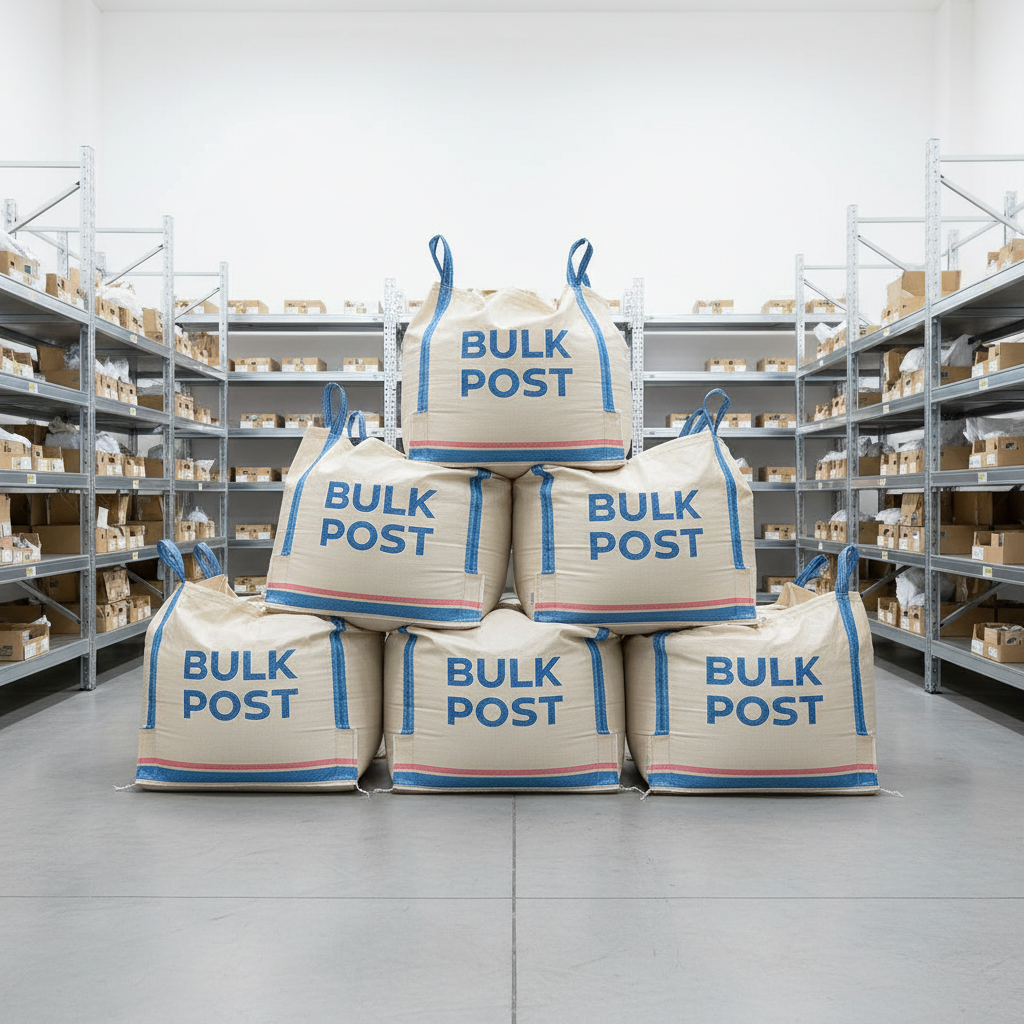
bulk post m bag represent a significant advancement in the field of flexible intermediate bulk containers (FIBCs), specifically designed for the secure and efficient storage and transportation of granular, powdery, and flowable materials. They offer a cost-effective and environmentally conscious alternative to traditional rigid containers, minimizing waste and maximizing space utilization.
These bags are not merely a packaging solution; they represent a logistical strategy tailored to reduce handling costs, optimize transportation, and safeguard product integrity. Their versatility allows for use in a multitude of industries, from agriculture and construction to pharmaceuticals and food processing, making them an essential component of modern supply chains worldwide.
Global Relevance and Challenges
The need for reliable and efficient bulk material handling is a global concern, impacting everything from food security to disaster response. According to the United Nations, approximately one-third of the food produced globally is lost or wasted – a significant portion of which is attributed to inadequate storage and transportation. bulk post m bag offer a potential solution by providing a secure and protected environment for goods during transit and storage, helping to minimize loss and preserve quality.
The World Bank estimates that improvements in supply chain logistics can reduce transportation costs by up to 15%, directly impacting economic growth and accessibility to essential goods. However, challenges remain, particularly in developing nations where infrastructure limitations and logistical complexities are prevalent. The ISO standards for FIBCs emphasize safety and performance, and bulk post m bag are engineered to meet and exceed these requirements.
These challenges underscore the critical role that innovative packaging and transportation solutions, like bulk post m bag, play in addressing global logistical hurdles and promoting sustainable development. The demand for these types of solutions will only continue to grow as the world population increases and the need for efficient resource management intensifies.
Defining bulk post m bag
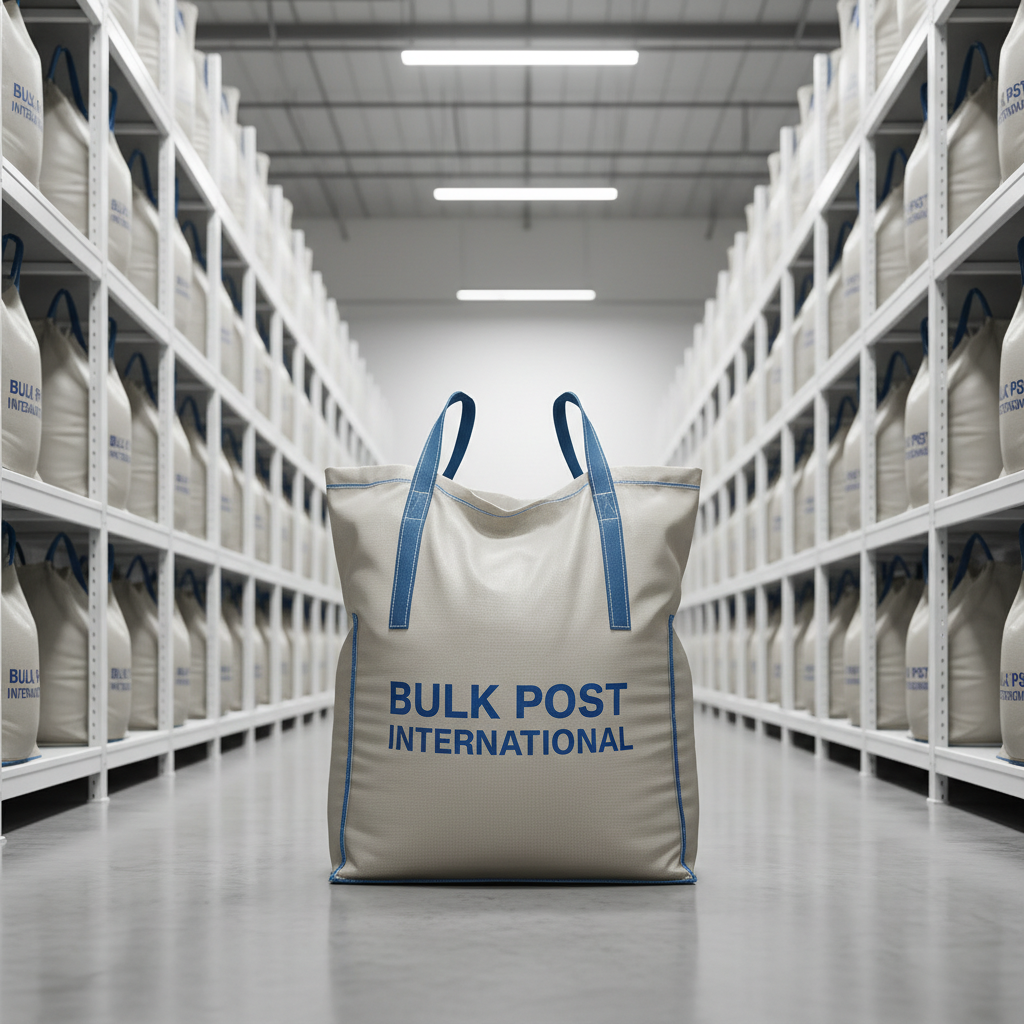
A bulk post m bag, fundamentally, is a large, flexible container constructed from woven polypropylene fabric. It is designed to hold and transport dry, flowable bulk materials, typically ranging from 500kg to 2000kg. They are commonly referred to as FIBCs (Flexible Intermediate Bulk Containers) and are an essential component of modern supply chain management.
Unlike rigid containers, bulk post m bag are lightweight and collapsible when empty, significantly reducing storage space and transportation costs. Their design incorporates features like lifting loops for easy handling with forklifts or cranes, and can be customized with liners to protect against moisture and contamination.
The connection to modern industry and humanitarian needs lies in their versatility and adaptability. From transporting grains and fertilizers in agricultural sectors to delivering emergency supplies in disaster-stricken areas, bulk post m bag provide a reliable and cost-effective solution for a wide range of logistical challenges.
Key Attributes of bulk post m bag
Durability is paramount. bulk post m bag are constructed from high-tenacity polypropylene fabric, ensuring they can withstand the rigors of handling, transportation, and storage. This is vital for maintaining product integrity and preventing loss during transit.
Scalability is another crucial attribute. They come in a wide range of sizes and configurations, allowing businesses to tailor their packaging to specific product needs and logistical requirements. This adaptability is particularly beneficial for businesses with fluctuating production volumes or diverse product lines.
bulk post m bag Performance Metrics
Global Applications and Real-World Use Cases
In post-disaster relief operations, bulk post m bag are invaluable for transporting essential supplies like food, water, and medical equipment to affected areas. Their durability and ease of handling make them ideal for navigating challenging terrain and reaching remote communities.
Within the agricultural industry, these bags are used extensively for storing and transporting grains, seeds, and fertilizers. Their ability to protect against moisture and pests ensures product quality and minimizes loss during transit and storage, contributing to food security.
Advantages and Long-Term Value Proposition
The cost efficiency of bulk post m bag is a significant advantage. Compared to rigid containers, they require less storage space when empty and reduce transportation costs due to their lightweight nature. This translates to substantial savings for businesses across various industries.
Beyond economics, there's a strong sustainability aspect. Many bulk post m bag are recyclable, reducing environmental impact. The ability to repeatedly use these bags, with proper care, further minimizes waste and promotes a circular economy.
Future Trends and Innovations in bulk post m bag Technology
Innovations in materials science are leading to the development of more sustainable and high-performance polypropylene fabrics for bulk post m bag. Bioplastics and recycled materials are being explored to further reduce the environmental footprint of these containers.
Digital integration is another emerging trend. The incorporation of RFID tags and QR codes allows for real-time tracking and monitoring of goods throughout the supply chain, enhancing transparency and accountability. This data-driven approach optimizes logistics and reduces the risk of loss or damage.
Automation in filling and emptying processes is also gaining traction, streamlining operations and reducing labor costs. These advancements will further solidify the position of bulk post m bag as a key component of future-proofed supply chains.
Key Comparative Analysis of bulk post m bag Attributes
| Container Type |
Cost per Unit |
Weight (Empty) |
Storage Efficiency |
| bulk post m bag |
$20 - $50 |
2 - 5 kg |
High (Collapsible) |
| Rigid Plastic Container |
$40 - $80 |
5 - 10 kg |
Moderate |
| Wooden Pallet & Shrink Wrap |
$30 - $60 |
15 - 25 kg |
Low |
| Metal Drum |
$70 - $150 |
10 - 20 kg |
Moderate |
| Intermediate Bulk Container (IBC) |
$100 - $300 |
40 - 60 kg |
Moderate (Stackable) |
| Cardboard Box (Large) |
$5 - $15 |
1 - 3 kg |
Low (Susceptible to damage) |
FAQS
bulk post m bag are widely used for storing and transporting dry, flowable materials like grains, seeds, powders, plastics, and chemicals. Their versatile design allows them to handle a wide variety of products across numerous industries, from agriculture and food processing to construction and pharmaceuticals. They are particularly valuable where cost-effectiveness, ease of handling, and protection from the elements are critical.
Standard bulk post m bag are water-resistant but not fully waterproof. However, they can be fitted with a polyethylene (PE) liner to provide a completely waterproof barrier. This liner protects the contents from moisture, humidity, and contamination, ensuring product integrity during storage and transportation, especially in harsh weather conditions.
The lifespan of a bulk post m bag depends on factors like the quality of the materials, the type of material being transported, and the handling conditions. With proper care and usage, a well-maintained bag can last for several years and potentially be reused multiple times. UV stabilization can also extend the bag's lifespan when exposed to sunlight.
The appropriate size bulk post m bag depends on the density and volume of the material you intend to store or transport. Consider the weight capacity of the bag and ensure it’s suitable for the material's characteristics. Consulting with a FIBC supplier can help you determine the optimal size and configuration for your specific application, considering factors like fill height and safety margins.
bulk post m bag are a relatively environmentally friendly packaging option compared to rigid containers, due to their lightweight nature and lower transportation costs. Furthermore, polypropylene is recyclable, and manufacturers are increasingly using recycled materials in their production. Choosing reusable bags and proper end-of-life recycling practices can further minimize their environmental impact.
Safety is paramount when handling bulk post m bag. Always ensure the bag is properly filled and secured, and that lifting loops are in good condition. Do not exceed the bag's rated weight capacity. Proper training for personnel involved in handling and transportation is essential, along with adherence to relevant safety regulations and industry best practices.
Conclusion
In conclusion, bulk post m bag offer a compelling solution to the challenges of modern bulk material handling. Their combination of durability, scalability, cost-effectiveness, and adaptability makes them a valuable asset for a wide range of industries, from agriculture and construction to humanitarian aid and beyond. They represent a significant improvement over traditional packaging methods, offering a more sustainable and efficient approach to logistics.
Looking ahead, continued innovation in materials science and digital integration will further enhance the performance and sustainability of bulk post m bag. As global supply chains become increasingly complex and the demand for efficient logistics grows, these flexible containers will undoubtedly play an even more critical role in ensuring the safe and reliable transportation of goods worldwide. Visit our website at www.liyabiobag.com to learn more about our range of solutions.


 English
  Arabic
  China
China  French
  Korean
  Russian
  Spanish