Pink Biodegradable Mailing Bags: Sustainable Packaging Revolution
What Are Pink Biodegradable Mailing Bags and Why They Matter
In a world increasingly concerned with sustainability, pink biodegradable mailing bags are quietly becoming a hero in eco-friendly packaging. You might think, "Why pink? And why biodegradable?" — well, these mailing bags blend vibrant aesthetics with environmental responsibility, addressing ongoing plastic pollution challenges. Globally, the waste generated from traditional plastic mailers is staggering. According to a United Nations report, over 300 million tons of plastic waste are produced annually, with packaging making up a large chunk.1
So, understanding pink biodegradable mailing bags isn’t just about appreciating a pretty package — it’s about grasping a viable solution to reduce landfill burden, lower carbon footprints, and offer safe shipping options that align with our planet’s future. And the pink hue? It’s eye-catching, reinforcing brand identity or a cause while signaling eco-conscious values.
The Global Scene: Why These Bags Are Gaining Traction
If you cast your eye worldwide, the rise of pink biodegradable mailing bags maps perfectly to the swelling global demand for sustainable packaging. Countries from Europe to Asia are enforcing strict directives on plastic use — the European Union’s Single-Use Plastics Directive, for example, pushes companies towards biodegradable options by 2025.[EU Directive]
Meanwhile, industries like e-commerce, fashion, and pharmaceuticals, which handle a massive volume of parcels daily, are under pressure to curb their plastic waste. The challenge is balancing the durability required for shipping with environmental impact — and this is exactly the problem pink biodegradable mailing bags are designed to solve. Their promise: functional protection wrapped in green innovation.
So, What Exactly Are Pink Biodegradable Mailing Bags?
Simply put, these are mailing bags made from materials that naturally break down over time, rather than lingering as plastic waste for centuries. Typically composed of plant-based polymers, starch blends, or other compostable substances, they achieve biodegradability while maintaining the strength needed to safely ship goods.
The "pink" factor is often accomplished through eco-friendly dyes or pigments, making them instantly recognizable while maintaining the eco ethos. It’s a nod to the modern industry's blend of sustainability and personality, plus, many humanitarian and fashion brands use pink mailing bags to signal care, compassion, or just a splash of style in an otherwise dull pack world.
Core Qualities That Define Pink Biodegradable Mailing Bags
Durability
You might guess that biodegradable means flimsy — but that’s a mistaken belief. These mailing bags are engineered for durability: tear resistance, puncture strength, and waterproofing remain essential. It feels like a balancing act, yet many manufacturers swear by their proprietary blends to meet industry-grade specs and decompose naturally.
Scalability
Can these bags be produced en masse without breaking the bank or the environment? Yes. Innovations in biopolymers and manufacturing mean scalable production processes are now viable, with larger factories in places like Asia and Europe pumping out millions monthly while reducing energy use.
Cost Efficiency
Sure, green products often come with a price premium, but pink biodegradable mailing bags are closing the gap rapidly. Mass adoption, improved raw material sourcing, and reduced landfill fees translate to competitive costs in real terms. For businesses, switching can even mean savings when factoring in eco-taxes or carbon credits.
Environmental Impact
These bags aren’t just biodegradable — many qualify as compostable under ISO 17088 standards.[ISO 17088] So, they break down into non-toxic byproducts within months in the right conditions (industrial composting facilities mainly), lessening soil and water contamination.
Customization & Branding
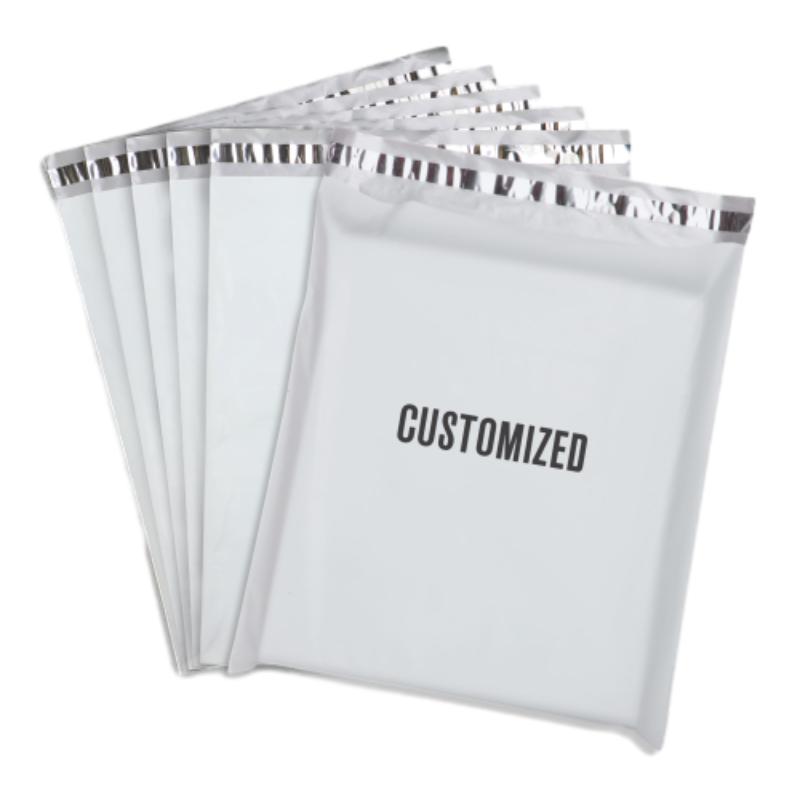
An often overlooked but crucial factor is how well these bags take on printing and branding. Pink biodegradable mailing bags can be color customized and laminated with eco-friendly inks, offering businesses a dual chance — stand out while staying green.
Real-World Uses: From E-Commerce to Humanitarian Aid
Talk to any logistics pro and you’ll hear pink biodegradable mailing bags marching across multiple sectors. In e-commerce, especially fashion and cosmetics, these bags add flair and sustainability plus they often feature tamper-proof seals — important for customer trust.
Oddly enough, humanitarian organizations have also adopted them. In post-disaster relief operations, the pink bags serve dual purposes: protecting vital supplies and signaling care and urgency. Remote industrial zones, where waste management is tough, benefit from mailing bags that safely degrade without piling up.
Product Specifications Snapshot
| Specification | Typical Range | Notes |
|---|---|---|
| Material | PLA, PBAT, Starch blend | Certified compostable materials |
| Thickness | 50 - 100 microns | Varies by use case |
| Tensile Strength | 1500 - 3000 kPa | Comparable to polyethylene |
| Biodegradation Time | 6 - 12 months | Under industrial composting |
| Ink & Dye | Eco-friendly, water-based | Safe and vibrant pigmentation |
Comparing Leading Vendors of Pink Biodegradable Mailing Bags
| Vendor | Material Base | Customization | Pricing | Lead Time |
|---|---|---|---|---|
| EcoPack Solutions | PLA/PBAT blend | Full color, sizes, security features | Mid-range | 2 weeks |
| GreenMail Co. | Starch-based | Limited colors, recyclable inks | Budget-friendly | 3 weeks |
| Liya Bio Bags | Custom PLA blends | Highly customizable, pink shades | Premium | 1 week |
Why Choose Pink Biodegradable Mailing Bags? The Big Benefits
- Lower environmental footprint: They decompose rapidly, cutting down landfill build-up.
- Brand differentiation: The pink color stands out in a sea of brown and white mailers, plus it conveys environmental care.
- Customer trust and loyalty: Consumers increasingly prefer sustainable packaging, which builds positive associations.
- Compliance and future-proofing: Using biodegradable mailers aligns companies with current and upcoming regulations.
- Functional reliability: Designed to protect goods during shipment, matching traditional plastic’s strength.
Looking Ahead: What’s Next for Pink Biodegradable Mailing Bags?
The packaging world never stands still, and pink biodegradable mailing bags are set for exciting evolution. Emerging biopolymers promise faster biodegradability even at home composting conditions. Additionally, advances in digital printing allow ultra-custom designs without harmful solvents. Companies are developing “smart” packaging with embedded QR codes for tracking — marrying green with tech.
Policies worldwide will push harder on single-use plastics bans, making these mailing bags not just a choice but a necessity. Green energy in production and circular economy models will become the norm. Frankly, it’s an exciting time for anyone watching sustainability unfold in a tangible way.
Facing Challenges and How Industry Innovates
Of course, biodegradable mailers aren’t perfect just yet. Some challenges include:
- Industrial vs. home composting: Many bags require industrial composting facilities, which aren't available everywhere.
- Cost concerns: While dropping, some small businesses still find them pricier than plastic.
- Consumer confusion: Improper disposal can negate biodegradability benefits.
Yet, manufacturers and NGOs work on improving public education, expanding composting infrastructure, and innovating cheaper blends. The hope is that as adoption grows, these issues become less notable.
FAQ: Your Questions About Pink Biodegradable Mailing Bags Answered
Q1: How long do pink biodegradable mailing bags take to break down?
A1: Under industrial composting conditions, these bags generally biodegrade within 6 to 12 months. Home composting can take longer, and landfill conditions slow decomposition significantly.
Q2: Can I print my company logo on pink biodegradable mailing bags?
A2: Absolutely. Most pink biodegradable bags accept eco-friendly inks with high-quality print fidelity, allowing customization to fit branding needs without sacrificing compostability.
Q3: Are these bags waterproof enough for e-commerce shipping?
A3: Yes. Manufacturers engineer these bags with moisture resistance comparable to polyethylene, ensuring products stay dry during transit.
Q4: How do I dispose of pink biodegradable mailing bags correctly?
A4: Ideally, these bags should be sent to industrial composting facilities. If unavailable, check local recycling or organic waste guidelines to minimize environmental impact.
Q5: Are pink biodegradable mailing bags more expensive than plastic alternatives?
A5: Currently, they carry a slight premium, but mass production and regulatory incentives continue to lower the cost gap rapidly.
Wrapping Up: Why Pink Biodegradable Mailing Bags Could Be Your Next Packaging Choice
These mailing bags combine style, function, and responsibility in one neat package. For companies and consumers wanting to marry brand visibility with environmental stewardship, they offer a compelling path forward. Transitioning to pink biodegradable mailing bags isn’t just an option — it’s soon to be an expectation in the global push for greener supply chains.
Want to explore options tailored to your needs? Visit pink biodegradable mailing bags and discover how these innovative carriers can transform your packaging game.
References
-
Secure Shipping Guide with Poly Mailer Bubble Wrap SolutionsNewsApr.16,2026
-
Secure Shipping Guide for Using Durable Bubble Parcel BagsNewsApr.09,2026
-
Comprehensive Guide to Poly Mailer Bubble for Secure and Efficient ShippingNewsApr.07,2026
-
Elevate Your Brand with Custom Designer Bubble Mailers for Effective PackagingNewsApr.04,2026
-
Comprehensive Guide to Poly Mailers with Bubble Wrap for Secure ShippingNewsMar.31,2026
-
Comprehensive Guide to Large Bubble Poly Mailers for Secure and Efficient ShippingNewsMar.28,2026
-
Have the freedom of customizing your custom mailers any way you want! Our dedicated packaging support will help deliver you the mailing experience you need to elevate your shipping experience to the next level! Start making a strong impression on your customers and stand out from your competitors! -
LIYA uses high quality raw materials which directly purchased from large enterprises domestic and overseas such as PetroChina, Sinopec, Sabic, Equate, ExxonMobil, Dow Chemical, Total, and Borouge, ensuring the price advantage and quality of the raw materials. -
LIYA uses high quality raw materials which directly purchased from large enterprises domestic and overseas such as PetroChina, Sinopec, Sabic, Equate, ExxonMobil, Dow Chemical, Total, and Borouge, ensuring the price advantage and quality of the raw materials.
 English
  Arabic
  China
China  French
  Korean
  Russian
  Spanish