Reliable Parcel Post Bags for Secure and Sustainable Shipping | LiYa BioBag
What Are Parcel Post Bags and Why Should You Care?
Parcel post bags — those nondescript yet essential guardians of packages — play a surprisingly pivotal role in global logistics and commerce. If you think of them as just another container, you might be underselling their importance. Around the world, they ensure your online shopping packages, humanitarian aid parcels, and critical industrial supplies remain organized, protected, and traceable during transit.
Understanding parcel post bags is more than just knowing a niche term in shipping. It touches on sustainability, efficient supply chains, and even disaster relief. So, if you’ve ever wondered what happens to a package behind the scenes, knowing about parcel post bags gives you a glimpse behind that curtain.
Global Context: The Backbone of Parcel Delivery Networks
International postal and courier services collectively handle billions of parcels annually — the Universal Postal Union (UPU) reported over 100 billion mail items worldwide pre-pandemic, with parcels growing steadily since. The surge in e-commerce, especially accelerated by the COVID-19 pandemic, has only amplified the need for reliable parcel management. Here’s where parcel post bags come in.
Globally, parcel post bags address challenges like package loss, weather damage, and sorting errors. Without them, logistical chaos looms — parcels could scatter in transit, causing delays, losses, or even theft. This problem is even more pressing in developing regions, where infrastructure isn’t as robust.
Oddly enough, the humble post bag directly affects customer satisfaction and cross-border trade efficiency. It’s a disruptor disguised as a simple product.
Defining Parcel Post Bags: More Than Just Bags
In essence, a parcel post bag is a durable, secured container specifically designed to hold and protect parcels during postal or courier transit. Unlike plain sacks, these bags often incorporate materials engineered for resistance to tearing, water, and abrasion, sometimes featuring tamper-evident seals and labels for tracking.
They can be made of various high-strength fabrics like laminated polyethylene or woven polypropylene, chosen to balance durability, weight, and cost. This product category finds its relevance not just in commercial parcel handling, but also for NGOs during humanitarian aid dispatch and government logistics.
Core Components That Make Parcel Post Bags Go the Distance
1. Durability
Because parcels face rough handling, baggage claim chaos, and sometimes harsh weather, bags need to endure tearing, moisture, and abrasion. Many parcel post bags use industrial-grade woven materials reinforced with UV stabilizers. Think of this as armor for your parcels — without it, a single tear could mean hundreds of lost packages.
2. Scalability & Sizing
These bags come in multiple sizes — from smaller pouches for fragile items to large sacks holding dozens of parcels at once. Scalability is key for sorting centers to efficiently group parcels by destination or priority. Modern postal networks demand bags designed for both manual handling and conveyor belt automation.
3. Cost Efficiency
Postal operators handle millions of packages; material and manufacturing costs multiply quickly. Bags must balance durability with affordability. Reusability is also a factor here — some bags are designed for multiple uses, cutting long-term expenses and waste.
4. Security Features
To prevent theft or tampering, bags increasingly incorporate tamper-evident closures or RFID tracking tags. This keeps parcels secure during their journey, a huge boost when dealing with high-value items.
5. Environmental Considerations
Sustainability is creeping into every logistics decision. Parcel post bags are now offered made from recyclable or biodegradable materials. It’s a growing segment responding to global waste management challenges.
Global Applications and Real-World Use Cases
From bustling megacities in Europe to remote outposts in Alaska, parcel post bags are integral to daily operations.
- Postal Services: The backbone of government-run postal systems worldwide. Bags streamline parcel sorting and delivery.
- E-Commerce Giants: Retailers like Amazon and Alibaba rely on secure parcel bags to package for last-mile logistics.
- Humanitarian Aid: NGOs use specially designed parcel post bags to deliver medical supplies and relief goods post-disaster — think hurricanes or earthquakes.
- Industrial and Remote Zones: Mining camps or offshore facilities often receive crucial supplies packed and delivered in these bags.
- International Trade: Customs often require specific packaging standards fulfilled by certified parcel post bags for smoother inspections and traceability.
So next time a parcel gets to you on time and in perfect shape, a well-crafted parcel post bag is partly to thank.
Advantages and the Lasting Value of Parcel Post Bags
Sure, these bags are practical, but there’s something more profound here. They offer safety and trust to senders and recipients alike. Here’s why:
- Cost Savings: Durable bags cut down losses and reduce the need for repackaging.
- Sustainability: Reusable or recyclable materials help reduce environmental footprints.
- Operational Efficiency: Faster sorting and transportation mean better service levels.
- Social Impact: In humanitarian contexts, reliable packaging protects dignity — medical supplies arrive intact, food parcels aren’t wasted.
- Innovation Incentives: Security features like tamper-proof seals foster trust.
It really comes down to more than just 'bagging parcels;' it’s about enabling smoother connections worldwide.
Product Specifications: Typical Parcel Post Bags
| Feature | Specification | Benefit |
|---|---|---|
| Material | Woven polypropylene laminated with PE coating | Tear resistance, water-proofing |
| Size Range | Small (30x40 cm) to Large (80x100 cm) | Fits various parcel volumes |
| Closure | Tamper-evident zip or adhesive | Security and theft prevention |
| Reusability | Up to 10 cycles with proper handling | Cost and waste reduction |
| Weight | 150-250 grams depending on size | Lightweight, saves transport energy |
Vendor Comparison: Popular Parcel Post Bag Suppliers
| Supplier | Material Quality | Customization Options | Price (per 100 units) | Lead Time |
|---|---|---|---|---|
| LiYa BioBag | Premium laminated polypropylene | Yes, colors & logos | $150-$190 | 2-3 weeks |
| GreenWrap Packaging | Recycled plastics | Limited | $130-$160 | 3-4 weeks |
| SafeTransit Bags | High tensile strength fabric | Yes, tamper seals | $200-$240 | 1-2 weeks |
Looking Ahead: Innovations in Parcel Post Bags
Technology and environmental concerns are pushing parcel post bags towards smart and sustainable futures. Imagine bags embedded with RFID tags that provide real-time shipping updates or biodegradable materials that break down safely post-use. Several companies are also experimenting with antimicrobial coatings — a nod to the post-pandemic world’s concerns.
Automation in sorting centers demands bags compatible with robotic handling and machine reading, prompting design tweaks in shape, texture, and even color coding for smarter logistics.
Challenges and How the Industry is Tackling Them
No product is perfect. Parcel post bags grapple with balancing cost, durability, and sustainability simultaneously. Manufacturers say that achieving a fully biodegradable yet multi-use bag is the holy grail. Meanwhile, supply chain disruptions influence lead times and raw material prices.
Some solutions include:
- R&D into hybrid composite materials for stronger yet eco-friendly bags.
- Improved bag recycling programs in postal hubs.
- Enhanced security closures to reduce theft, especially for ecommerce returns.
Frequently Asked Questions About Parcel Post Bags
- What material is best for resisting water and tear in parcel post bags?
- Woven polypropylene laminated with polyethylene coatings is highly effective. It offers durability against tears, moisture, and UV exposure, ensuring parcels stay safe during transit.
- Can parcel post bags be customized for branding or specific logistics needs?
- Yes, many suppliers offer customization options including color, size, and logos. Some even integrate tamper-evident seals or RFID technology per customer requirements.
- How many uses can a typical parcel post bag handle before replacement?
- Depending on handling and material quality, a parcel post bag can be reused around 5 to 10 times. Using bags multiple times reduces cost and environmental impact.
- Are there eco-friendly options available?
- Yes. Increasingly, bags are made from recyclable, biodegradable, or recycled materials. These options align with growing environmental regulations and consumer preferences.
- Where can I buy reliable parcel post bags in bulk?
- Reputable vendors like LiYa BioBag offer bulk purchases with customization options and swift lead times, perfect for postal and logistics companies.
Wrapping Up: The Quiet Power of Parcel Post Bags
So, parcel post bags might seem small and overlooked, but their impact is large — spanning cost efficiency, sustainability, global commerce, and even human dignity in relief efforts. By investing in quality, reusable, and innovative bags, businesses and organizations ensure smooth parcel journeys across cities and continents.
Want to upgrade your parcel management game? Find out more about premium parcel post bags at LiYa BioBag and see how a simple bag can create smarter, safer deliveries.
Mini takeaway: Behind every reliable parcel delivery is often a durable parcel post bag doing the hard work invisibly.
References:
1. Universal Postal Union (https://www.upu.int)
2. ISO standards on packaging (https://www.iso.org)
3. United Nations Environment Programme on waste management (https://www.unep.org)
-
Secure Shipping Guide with Poly Mailer Bubble Wrap SolutionsNewsApr.16,2026
-
Secure Shipping Guide for Using Durable Bubble Parcel BagsNewsApr.09,2026
-
Comprehensive Guide to Poly Mailer Bubble for Secure and Efficient ShippingNewsApr.07,2026
-
Elevate Your Brand with Custom Designer Bubble Mailers for Effective PackagingNewsApr.04,2026
-
Comprehensive Guide to Poly Mailers with Bubble Wrap for Secure ShippingNewsMar.31,2026
-
Comprehensive Guide to Large Bubble Poly Mailers for Secure and Efficient ShippingNewsMar.28,2026
-
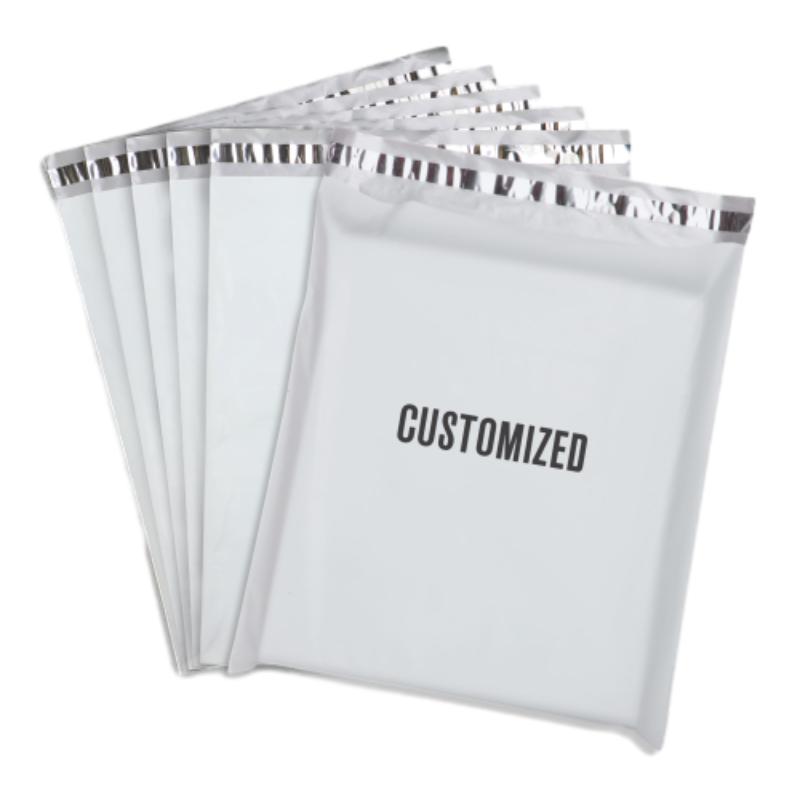
Have the freedom of customizing your custom mailers any way you want! Our dedicated packaging support will help deliver you the mailing experience you need to elevate your shipping experience to the next level! Start making a strong impression on your customers and stand out from your competitors! -
LIYA uses high quality raw materials which directly purchased from large enterprises domestic and overseas such as PetroChina, Sinopec, Sabic, Equate, ExxonMobil, Dow Chemical, Total, and Borouge, ensuring the price advantage and quality of the raw materials. -
LIYA uses high quality raw materials which directly purchased from large enterprises domestic and overseas such as PetroChina, Sinopec, Sabic, Equate, ExxonMobil, Dow Chemical, Total, and Borouge, ensuring the price advantage and quality of the raw materials.
 English
  Arabic
  China
China  French
  Korean
  Russian
  Spanish