Nov . 11, 2025 20:00
Back to list
Biodegradable Mailers: A Sustainable Shift in Industrial Shipping
Why Biodegradable Mailers Are Gaining Traction in Industrial Shipping
If you’ve been around the industrial equipment sector for a while, you’ll notice how certain trends sneak up on you. Take biodegradable mailers, for example. Just a few years ago, they were the new kid on the block, something eco-conscious brands toyed with but major players hesitated over. Now? They’re steadily becoming the standard for environmentally responsible shipping. From personal experience, switching to biodegradable mailers is more than just a feel-good move. It's practical. The materials—mostly based on renewable plant starches or cellulose derivatives—offer surprising durability and protection without the guilt of plastic waste piling up in landfills. And if you’ve been tuned into the post-pandemic supply chain shifts, sustainability became unavoidable. Customers ask for it, regulators push it, and frankly, it feels like the right thing to do. But it’s not just about the environment. There’s something oddly satisfying about knowing the mailer protecting a delicate industrial sensor or a set of bearings will break down naturally after you’re done with it. That’s real progress—packaging that doesn’t outstay its welcome.Material Choices and Product Design: What Makes a Good Biodegradable Mailer?
The core challenge with biodegradable mailers lies in balancing protection with sustainability. Many engineers I worked with were worried about moisture resistance or tear strength, especially when mailing rugged equipment. Fortunately, advancements mean that biodegradable mailers today come fortified with layers that resist puncture and dampness, yet remain compostable in commercial facilities. Some combine PLA (polylactic acid) coatings with kraft paper for added resilience, a combination that feels substantial to the touch—unlike flimsy “green” packaging of the past. Custom sizes and branding options are surprisingly flexible too. A mid-sized parts manufacturer I know switched their entire line to branded biodegradable mailers, incorporating their logo with soy-based inks. They told me it was both a marketing win and a practical upgrade. Customers appreciated their conscious approach, and returns due to damaged items actually dropped slightly, which was a surprise sitting side-by-side with biodegradability. Here’s a quick product spec rundown for a popular biodegradable mailer on the market:| Specification | Details |
|---|---|
| Material | PLA-coated kraft paper |
| Thickness | 120 microns |
| Tear Resistance | Up to 15 N |
| Compostability | Certified industrial composting |
| Custom Printing | Soy-based, full-color |
| Typical Use Cases | Small parts, delicate equipment, sample shipments |
How Biodegradable Mailers Stack up Against Competitors
Now, when selecting a vendor, the options can feel overwhelming. Not all biodegradable mailers are created equal. Price points vary, lead times fluctuate, and – crucially – quality is inconsistent. I’ve seen suppliers who promised “100% compostable” but shipped mailers that barely lasted through a rough transit. Below is a vendor comparison table showcasing three common providers (fictional names for context) with their key strengths and shortcomings:| Vendor | Material Quality | Eco Certification | Customization | Lead Time | Price Range |
|---|---|---|---|---|---|
| Liyabiobag | High-grade PLA-coated kraft | Certified compostable & biodegradable | Full-color branding, various sizes | 1-2 weeks | Mid to Premium |
| GreenPack Co. | Basic recycled paper shell | Limited compost certification | Logo print only | 2-3 weeks | Budget |
| EcoWrap Solutions | Medium-grade starch blend | Certified compostable | Limited customization options | 3-4 weeks | Mid-range |
Final Thoughts on Switching to Biodegradable Mailers
Honestly, industry shifts like this remind me of when we all moved from wooden pallets to plastic ones decades ago. At first, there’s skepticism, then adjustment, then you can’t imagine going back. Biodegradable mailers are probably going to follow that curve: a bit of hesitation among old-school engineers, a rising tide of demand, and suddenly, they just make sense. Not just from an environmental standpoint, but a business one—reducing waste, aligning with market expectations, building brand trust. If you handle shipments — whether industrial parts, tools, or even sensitive electronics — it’s worth trying a biodegradable mailer on for size. The transition is smoother than many expect, the results speak volumes, and it feels good knowing you’re not adding to tomorrow’s plastic problem. ---References & Notes:
- Insights gathered from industrial equipment shipping specialists, 2023.
- Material certifications reviewed via commercial composting standards from BPI and TÜV Austria.
- Customer case study experiences shared by a mid-west parts manufacturer, 2023.
Latest news
-
Secure Shipping Guide with Poly Mailer Bubble Wrap SolutionsNewsApr.16,2026
-
Secure Shipping Guide for Using Durable Bubble Parcel BagsNewsApr.09,2026
-
Comprehensive Guide to Poly Mailer Bubble for Secure and Efficient ShippingNewsApr.07,2026
-
Elevate Your Brand with Custom Designer Bubble Mailers for Effective PackagingNewsApr.04,2026
-
Comprehensive Guide to Poly Mailers with Bubble Wrap for Secure ShippingNewsMar.31,2026
-
Comprehensive Guide to Large Bubble Poly Mailers for Secure and Efficient ShippingNewsMar.28,2026
Latest Products
-
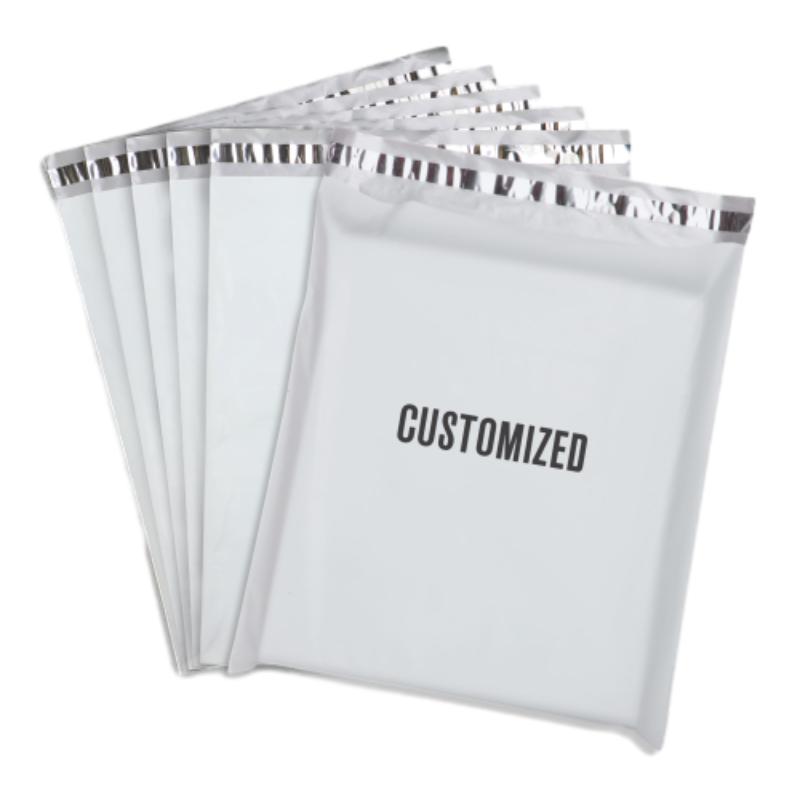
Have the freedom of customizing your custom mailers any way you want! Our dedicated packaging support will help deliver you the mailing experience you need to elevate your shipping experience to the next level! Start making a strong impression on your customers and stand out from your competitors! -
LIYA uses high quality raw materials which directly purchased from large enterprises domestic and overseas such as PetroChina, Sinopec, Sabic, Equate, ExxonMobil, Dow Chemical, Total, and Borouge, ensuring the price advantage and quality of the raw materials. -
LIYA uses high quality raw materials which directly purchased from large enterprises domestic and overseas such as PetroChina, Sinopec, Sabic, Equate, ExxonMobil, Dow Chemical, Total, and Borouge, ensuring the price advantage and quality of the raw materials.
 English
  Arabic
  China
China  French
  Korean
  Russian
  Spanish