Biodegradable Parcel Bags: Sustainable Packaging for a Greener Future
Understanding Biodegradable Parcel Bags: Why They’re More Than Just Packaging
At first glance, lowly parcel bags might seem insignificant in the big environmental puzzle. But here's the catch — every year, millions of tons of plastic packaging end up in landfills and oceans. Biodegradable parcel bags offer an elegant solution, marrying convenience with the urgent need to reduce plastic waste worldwide. In simple terms, these bags break down naturally over time, easing the strain on the planet. Understanding them is key for businesses wanting to future-proof their supply chains while championing sustainability.
Why Biodegradable Parcel Bags Matter Globally
Globally, packaging waste accounts for roughly 40% of total plastic consumption, according to UNEP. The World Bank reports that by 2050, plastic production will triple if we keep going at the current pace. The issue? Traditional plastic parcel bags can take centuries to degrade, leaching chemicals and choking wildlife.
Enter biodegradable parcel bags: designed to decompose under specific conditions, they promise to change the trajectory. These eco-friendly bags aren’t just a trend; they're becoming a necessity in sectors ranging from e-commerce to humanitarian aid. The challenge? Balancing durability for shipping with genuine environmental benefits.
What Exactly Are Biodegradable Parcel Bags?
Simply put, biodegradable parcel bags are packaging solutions made from materials that can naturally break down via biological processes, such as bacteria and fungi, turning back into water, carbon dioxide, and biomass. Unlike conventional plastics which linger, these bags are crafted from biopolymers derived from plants, starches, or other organic sources.
Within industries, this means packaging that serves its purpose during transport but won’t burden ecosystems once discarded. For humanitarian efforts, it ensures relief items reach those in need without adding further environmental woes. It might sound a bit technical, but it’s a straightforward idea: packaging that "lives its full life" and then disappears.
Key Factors Defining Biodegradable Parcel Bags
1. Durability and Strength
Oddly enough, many folks assume biodegradable bags are flimsy. That’s not the case — manufacturers engineer them to withstand typical parcel handling stresses. Some even match or exceed traditional plastic in tear resistance and water proofing, critical when shipping sensitive items.
2. Materials and Composition
From polylactic acid (PLA) sourced from corn starch, to polyhydroxyalkanoates (PHA) created by microbes, the material choice influences cost, decomposition speed, and mechanical properties. The science behind these is fascinating — it’s biomimicry in action, trying to replicate nature's cyclical balance.
3. Scalability of Production
One hurdle has been producing these bags at scale without price spikes. Advances in manufacturing and supply chains are making it more feasible. Big players like Amazon and DHL are already experimenting at scale, helping push prices down.
4. Cost Efficiency
For many businesses, cost still dictates choices. Biodegradable parcel bags typically come with a premium, but bulk orders and growing demand are narrowing the gap. Plus, when factoring in potential regulatory penalties or waste disposal costs, going green can make financial sense.
5. Regulatory Compliance and Certifications
Not all “biodegradable” labels mean the same. ISO standards (like ISO 17088) or certifications from institutions such as the Biodegradable Products Institute (BPI) help guarantee authenticity, which consumers and retailers care deeply about.
Global Applications & Real-World Use Cases
Biodegradable parcel bags have found a foothold globally. In Europe, strict packaging regulations drive widespread adoption within e-commerce and mail order. Germany and Sweden, for instance, have accelerated shifts through tax incentives and bans on single-use plastics.
NGOs operating in disaster relief favor these bags when delivering emergency kits — the environment often already suffering can’t afford more plastic pollution. In industries, companies shipping electronics or organic goods opt for biodegradable packaging to align brand values with eco-conscious consumers.
More interestingly, remote regions, such as certain parts of South Asia and Africa, are adopting these bags as recycling infrastructure lags. Here, the ability of bags to decompose naturally drastically mitigates landfill and waterway contamination.
Advantages and Long-Term Value of Using Biodegradable Parcel Bags
- Sustainability: Reduces plastic waste and dependency on fossil fuels.
- Cost Savings: Over time, lower waste management and environmental remediation costs.
- Brand Image: Companies project responsibility, attracting eco-aware customers.
- Regulatory Alignment: Prepares businesses for stricter future packaging laws.
- Social Impact: A safer environment supports community health and dignity.
Honestly, beyond the bottom line, it feels good to know your packaging isn’t lurking in ecosystems for decades. Consumers are increasingly savvy, rewarding brands that step up their game.
Biodegradable Parcel Bags: Product Specification Table
| Specification | Typical Range | Notes |
|---|---|---|
| Material | PLA, PHA, starch blends | Biopolymer-based |
| Thickness | 30-100 µm | Depends on bag size/use |
| Tensile Strength | 20-40 MPa | Comparable to LDPE plastics |
| Decomposition Time | 6-12 months (industrial compost) | Slower in landfills |
| Certifications | ISO 17088, EN 13432, BPI | Varies by region |
Comparing Leading Vendors of Biodegradable Parcel Bags
| Vendor | Material Type | Global Reach | Price Range (per 1000 units) | Certifications |
|---|---|---|---|---|
| EcoPack Solutions | PLA blends | North America, Europe | $1200 - $1500 | ISO 17088, BPI |
| GreenWrap Corp. | PHA-based films | Asia, Europe | $1300 - $1700 | EN 13432 |
| BioBag Tech | Starch composite | Global | $1100 - $1400 | BPI, ISO 17088 |
Looking Ahead: Trends & Innovations in Biodegradable Parcel Bags
The future looks promising. New research focuses on faster-degrading polymers activated by light or moisture. Imagine bags that actively disintegrate once exposed to outside air — pretty neat. The rise of biodegradable parcel bags ties into broader trends in sustainable logistics, like electric delivery fleets and smart packaging embedded with sensors.
Policies are also evolving. The EU plans stricter packaging rules under its Circular Economy Action Plan, pushing companies toward biodegradable and recyclable materials. Technological leaps around digital tracking and blockchain help monitor supply chain sustainability, increasing trust and compliance.
Common Challenges and Clever Fixes
Though things have improved, some issues linger.
- Decomposition Speed: Many bags need industrial composting facilities to break down fully, which are still limited globally.
- Higher Prices: Still pricier than traditional plastics, potentially slowing uptake.
- Consumer Confusion: “Biodegradable” is often misunderstood or misused, leading to improper disposal.
Experts suggest better consumer education, expanding composting infrastructure, and scalable manufacturing to tackle these. I suppose the progress we’ve seen in the last decade gives hope that these solutions will mature further.
FAQ: Quick Answers on Biodegradable Parcel Bags
-
Q: How quickly do biodegradable parcel bags break down?
A: Typically, they decompose within 6 to 12 months in industrial compost environments. In natural settings like soil or landfill, decomposition can be slower, depending on conditions. -
Q: Can I use biodegradable bags for heavy or sharp items?
A: Yes, most biodegradable parcel bags are designed for durability and can safely handle typical parcel weights, but very sharp or heavy objects might require reinforced packaging. -
Q: Are biodegradable parcel bags recyclable?
A: Some can be composted but aren't suitable for conventional plastic recycling streams. It’s important to check local waste management guidelines. -
Q: Will switching to biodegradable bags increase my shipping costs drastically?
A: Initially, yes—there is a price premium. However, long-term savings may arise from waste disposal efficiencies and regulatory compliance. -
Q: Where can I buy certified biodegradable parcel bags?
A: Look for suppliers with recognized certifications (ISO 17088, BPI) and proven global delivery — vendors like those listed above are good starting points.
Wrapping Up: The Case for Biodegradable Parcel Bags
Circling back, biodegradable parcel bags represent a practical, impactful way to reduce packaging waste's environmental toll. They blend science and sustainability in a package that helps businesses, consumers, and ultimately the planet. Yes, challenges like cost and infrastructure remain, but the momentum is clear: greener packaging is not just wanted, it’s needed.
So if you're weighing options for your next logistics push, consider making the switch — it’s a small change with big consequences down the road. And if you want to explore options, don’t hesitate to visit our site for more information and products tailored for your business.
-
Secure Shipping Guide with Poly Mailer Bubble Wrap SolutionsNewsApr.16,2026
-
Secure Shipping Guide for Using Durable Bubble Parcel BagsNewsApr.09,2026
-
Comprehensive Guide to Poly Mailer Bubble for Secure and Efficient ShippingNewsApr.07,2026
-
Elevate Your Brand with Custom Designer Bubble Mailers for Effective PackagingNewsApr.04,2026
-
Comprehensive Guide to Poly Mailers with Bubble Wrap for Secure ShippingNewsMar.31,2026
-
Comprehensive Guide to Large Bubble Poly Mailers for Secure and Efficient ShippingNewsMar.28,2026
-
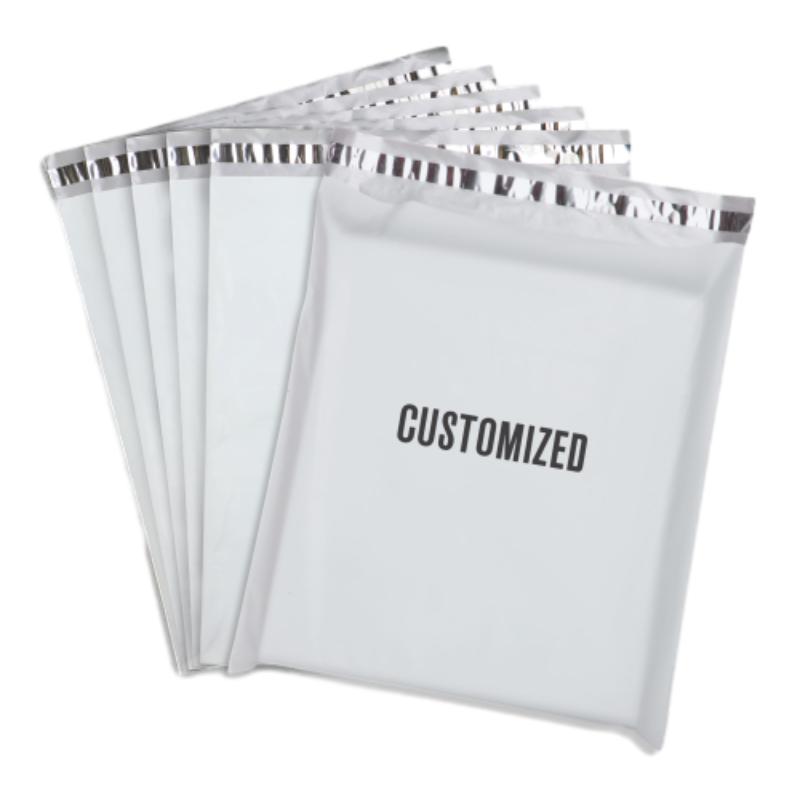
Have the freedom of customizing your custom mailers any way you want! Our dedicated packaging support will help deliver you the mailing experience you need to elevate your shipping experience to the next level! Start making a strong impression on your customers and stand out from your competitors! -
LIYA uses high quality raw materials which directly purchased from large enterprises domestic and overseas such as PetroChina, Sinopec, Sabic, Equate, ExxonMobil, Dow Chemical, Total, and Borouge, ensuring the price advantage and quality of the raw materials. -
LIYA uses high quality raw materials which directly purchased from large enterprises domestic and overseas such as PetroChina, Sinopec, Sabic, Equate, ExxonMobil, Dow Chemical, Total, and Borouge, ensuring the price advantage and quality of the raw materials.
 English
  Arabic
  China
China  French
  Korean
  Russian
  Spanish