Compostable Mailing Envelopes: Eco-Friendly Packaging for a Sustainable Future
The Growing Importance of Compostable Mailing Envelopes Worldwide
If you've ever stopped to think about the dozens of packages and letters arriving daily, you'd know that the packaging industry is a behemoth — and a problematic one, environmentally speaking. Compostable mailing envelopes address a pressing global environmental challenge: the mountain of plastic waste clogging landfills and oceans. These eco-friendly envelopes not only biodegrade but also reduce carbon footprints, offering businesses and consumers a sustainable alternative with tangible benefits. Whether you're an online seller or an NGO shipping relief materials, understanding compostable mailing envelopes matters, fundamentally, for a planet that can't keep up with conventional waste.
Why Compostable Mailing Envelopes Matter Globally
Globally, packaging constitutes nearly 40% of all plastic produced, and the rise of e-commerce has only poured fuel on that fire. The United Nations Environment Programme reported that over 300 million tons of plastic waste are generated annually, much of it single-use items like envelopes and bags. Compostable mailing envelopes answer an urgent call: how to combine the logistical necessities of shipping and the dire need to protect ecosystems.
To put it in perspective, the ISO 17088:2012 standard defines compostability strictly — not just "biodegrades," but breaks down under specific composting conditions without leaving harmful residues. Compostable mailing envelopes ticking this box can be safely composted industrially or in home environments, depending on the product.
Mini takeaway: Compostable mailing envelopes help tackle the global plastic crisis by providing certified biodegradable alternatives aligned with international sustainability goals.
What Are Compostable Mailing Envelopes? A Simple Definition
Put simply, compostable mailing envelopes are shipping packets made from natural, biodegradable materials—things like recycled paper fibers, cornstarch-derived polymers, or plant-based films—that break down into nutrient-rich compost in a short timeframe. Unlike biodegradable plastics, which can leave microplastics behind, compostable envelopes comply with standards that ensure a clean, complete return to the soil.
In industrial or humanitarian sectors, for instance, where timely and responsible delivery of materials is critical, these envelopes serve a dual purpose: protecting contents and easing the environmental burden of shipping. It’s a neat intersection of modern logistics and ethical responsibility.
Core Components of Compostable Mailing Envelopes
1. Durability & Protection
Many worry that compostable envelopes might sacrifice strength for eco-friendliness. Thankfully, advances in material science have allowed these envelopes to resist tears and moisture effectively. For example, some manufacturers use composite layers of kraft paper and biofilms that maintain integrity during transit—even in damp climates.
2. Scalability for E-commerce & Logistics
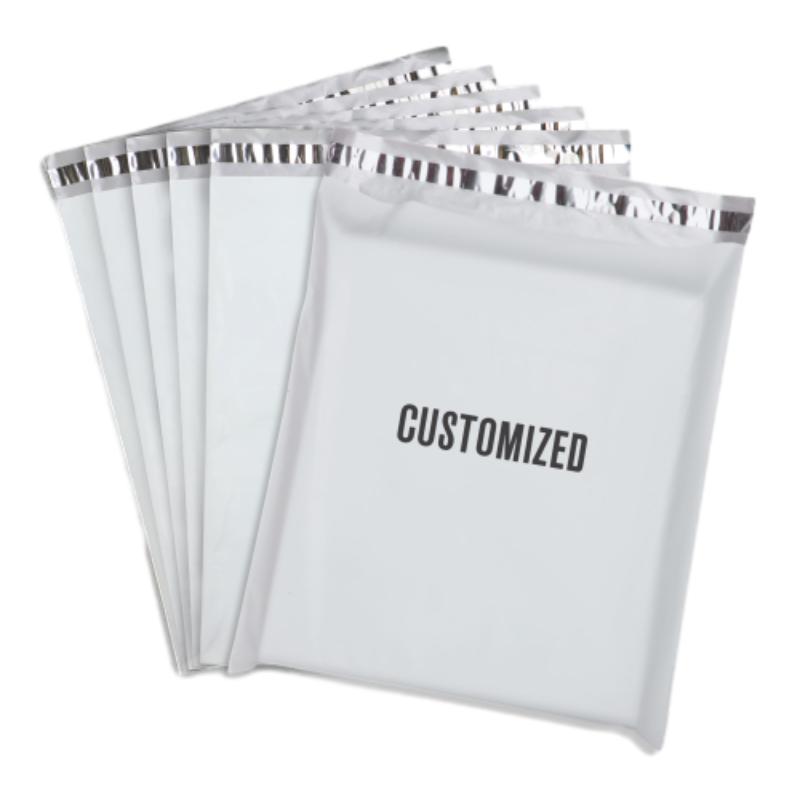
From boutique stores to global mail-order giants, scalability matters. Compostable mailing envelopes come in standard sizes and can be customized, making them practical for high-volume operations without significant cost hikes.
3. Cost Efficiency over Long Term
While the upfront cost may be marginally higher than traditional plastic envelopes, many companies report savings from reduced waste management fees and boosted customer goodwill. Plus, suppliers like Liya Bio Bag are improving economies of scale that shrink prices continuously.
4. Certification & Compliance
Most quality compostable envelopes are backed by certifications such as ASTM D6400 or EN 13432, which certify their compostability under regulated conditions — crucial for companies wanting to display environmental compliance.
5. Customization & Branding
Marketers relish the opportunity to print logos or messages on these envelopes, marrying sustainability and visibility. The print quality and durability of inks have also improved, meaning these eco-options look professional on arrival.
Mini takeaway: The balance between functionality, cost, and environmental standards makes compostable mailing envelopes a realistic, growing choice across industries.
Specifications of Typical Compostable Mailing Envelopes
| Feature | Specification |
|---|---|
| Material | Kraft Paper with PLA (Polylactic Acid) Biofilm |
| Size Range | A5 to Large Flat Rate (up to 12" x 15") |
| Weight Capacity | Up to 5 lbs per envelope |
| Thickness | 80-120 GSM kraft paper + 12-20 microns PLA film |
| Certifications | ASTM D6400, EN 13432, TÜV Austria OK Compost |
| Composting Time | Typically 90-180 days in industrial composting |
| Print Options | Water-based, soy, and eco-friendly inks available |
Global Applications & Real-World Use Cases
The impact of compostable mailing envelopes is already visible in multiple sectors. In Europe, where stringent plastic regulations exist, many postal services and corporations have mandated compostable packaging for shipments. Meanwhile, NGOs working in remote disaster relief zones in Southeast Asia find these envelopes help reduce post-relief waste — a surprisingly big issue in humanitarian missions.
In the fast-growing e-commerce hubs of North America, dozens of online sellers have switched to fully compostable mailing solutions to satisfy eco-conscious customers. Even renowned brands in fashion or cosmetics, which repeatedly ship delicate items, use customized compostable envelopes ensuring product safety and brand integrity.
There’s even rising interest in parts of Latin America, where government policy incentives encourage biodegradable packaging to boost waste reduction.
Comparing Leading Vendors of Compostable Mailing Envelopes
| Vendor | Material Type | Certifications | Price Range (per 1000) | Customization |
|---|---|---|---|---|
| Liya Bio Bag | Kraft + PLA Biofilm | ASTM D6400, TÜV Austria OK Compost | $120–150 | Logo, Color Prints |
| EcoPack Solutions | Recycled Paper + Bio-PLA | EN 13432 | $130–160 | Basic Branding |
| GreenWrap Co. | Bamboo Fiber + Compostable Film | TÜV OK Compost Home | $140–170 | Full Custom Print |
Mini takeaway: Various vendors offer compostable mailing envelopes tailored to different needs and budgets — so there’s likely a match for most shipping operations.
The Advantages & Long-Term Value of Compostable Mailing Envelopes
- Sustainability: Compostable envelopes break down naturally, preventing microplastic pollution and reducing landfill volume.
- Brand Trust & Marketing Edge: Using eco-friendly packaging communicates responsibility and appeals to conscientious customers.
- Regulatory Alignment: Complying with tightening international plastic bans and waste policies becomes easier.
- Waste Management Savings: Companies report lower disposal fees and better waste stream segregation when switching over.
- Preserving Customer Dignity: Charities and humanitarian organizations highlight compostable envelopes as a way to reduce environmental harm in vulnerable regions.
Frankly, companies who shift to compostable mailing envelopes are selling something more subtle than a package — they’re selling peace of mind.
Innovations & the Future of Compostable Mailing Envelopes
That said, the field is still evolving. Look out for:
- Next-Generation Materials: Researchers are working on algae-based films and mushroom packaging that push compostability even further.
- Automation and Smart Packaging: Embedded QR codes or NFC chips on compostable mailers can help logistics traceability while maintaining environmental integrity.
- Policy Incentives: Governments worldwide are imposing stricter packaging waste laws and offering subsidies for compostable alternatives, speeding adoption.
- Home Compostable Advances: Currently most compostable envelopes require industrial conditions; future designs aim to be fully compostable in household bins.
Overcoming Challenges: What’s Holding Back Wider Adoption?
Despite promise, there are bumps on the road. Material costs and limited supplier availability can be barriers for smaller businesses. Additionally, confusion around disposal — consumers sometimes don’t know whether these envelopes go in recycling or compost bins — can reduce effectiveness. Experts advise robust education, clear labeling, and government-supported compost infrastructure to break these bottlenecks.
FAQ: Your Compostable Mailing Envelopes Questions Answered
Q1: How long do compostable mailing envelopes take to break down?
Most certified compostable envelopes break down fully within 90 to 180 days under industrial composting conditions. Home composting times may vary and can take longer depending on temperature and moisture.
Q2: Can I print my logo or custom designs on compostable envelopes?
Yes! Many vendors offer water-based or soy-based inks compatible with compostable materials, allowing high-quality, eco-friendly custom prints.
Q3: Are compostable mailing envelopes waterproof?
While not fully waterproof like plastic, many compostable envelopes include biofilm layers that resist moisture during transit, ensuring adequate protection for most products.
Q4: Can compostable mailing envelopes be recycled with regular paper?
No, because of the biofilm layer, these envelopes should be composted, not recycled, to avoid contaminating paper recycling streams.
Q5: Are compostable mailing envelopes more expensive?
Initial costs might be slightly higher than traditional plastics, but long-term savings in waste fees and customer loyalty often offset the difference.
Conclusion: Why Switching to Compostable Mailing Envelopes Makes Sense
In summary, compostable mailing envelopes represent a winning solution for anyone looking to reduce environmental impact without compromising on practicality. Their alignment with international certifications, growing market options, and clear waste benefits make them a smart choice in a greener supply chain. Whether you operate a growing online shop or ship critical materials in humanitarian campaigns, making the switch to sustainable mailers is an actionable step toward a more responsible future. Curious to take the step? Visit Liya Bio Bag to explore high-quality options that match your needs.
1. United Nations Environment Programme, 2021, "Single-Use Plastics: A Roadmap For Sustainability"
2. ISO 17088:2012 Biodegradable plastics standard
3. ASTM D6400 – Standard Specification for Compostable Plastics
-
Secure Shipping Guide with Poly Mailer Bubble Wrap SolutionsNewsApr.16,2026
-
Secure Shipping Guide for Using Durable Bubble Parcel BagsNewsApr.09,2026
-
Comprehensive Guide to Poly Mailer Bubble for Secure and Efficient ShippingNewsApr.07,2026
-
Elevate Your Brand with Custom Designer Bubble Mailers for Effective PackagingNewsApr.04,2026
-
Comprehensive Guide to Poly Mailers with Bubble Wrap for Secure ShippingNewsMar.31,2026
-
Comprehensive Guide to Large Bubble Poly Mailers for Secure and Efficient ShippingNewsMar.28,2026
-
Have the freedom of customizing your custom mailers any way you want! Our dedicated packaging support will help deliver you the mailing experience you need to elevate your shipping experience to the next level! Start making a strong impression on your customers and stand out from your competitors! -
LIYA uses high quality raw materials which directly purchased from large enterprises domestic and overseas such as PetroChina, Sinopec, Sabic, Equate, ExxonMobil, Dow Chemical, Total, and Borouge, ensuring the price advantage and quality of the raw materials. -
LIYA uses high quality raw materials which directly purchased from large enterprises domestic and overseas such as PetroChina, Sinopec, Sabic, Equate, ExxonMobil, Dow Chemical, Total, and Borouge, ensuring the price advantage and quality of the raw materials.
 English
  Arabic
  China
China  French
  Korean
  Russian
  Spanish