Comprehensive Guide to Mixed Mailing Bags: Benefits, Applications & Innovations
Mixed Mailing Bags: What They Are and Why They Matter Globally
Every day, millions of packages find their way across countries and continents, carrying everything from crucial humanitarian supplies to everyday e-commerce items. Among the unsung heroes of this massive logistical dance are mixed mailing bags. These flexible, durable carriers are not just shipping accessories; they play a vital role in streamlining distribution, reducing waste, and enhancing security in the global supply chain. Understanding mixed mailing bags reveals not only their functional benefits but also their significance in tackling contemporary challenges like carbon footprint reduction and cost containment.
Globally, the logistics market has ballooned, reaching an estimated $9.6 trillion in 2022 according to the World Bank. With e-commerce surging, the demand for efficient packaging solutions has skyrocketed, shining a spotlight on products like mixed mailing bags.
Introduction: The Global Pulse on Mixed Mailing Bags
Mixed mailing bags are becoming more critical amid growing global e-commerce, international aid shipments, and complex supply chain demands. The United Nations Environment Programme (UNEP) highlights packaging waste as a pressing environmental concern, with billions of tons produced yearly. In this puzzle, mixed mailing bags offer a practical solution—not only for protecting contents but also for sustainability and cost-efficiency.
However, challenges linger: poor-quality bags risk damage or theft, while some materials lack environmental credentials. The question remains: how can mixed mailing bags evolve to meet industry expectations and environmental standards better?
What Are Mixed Mailing Bags?
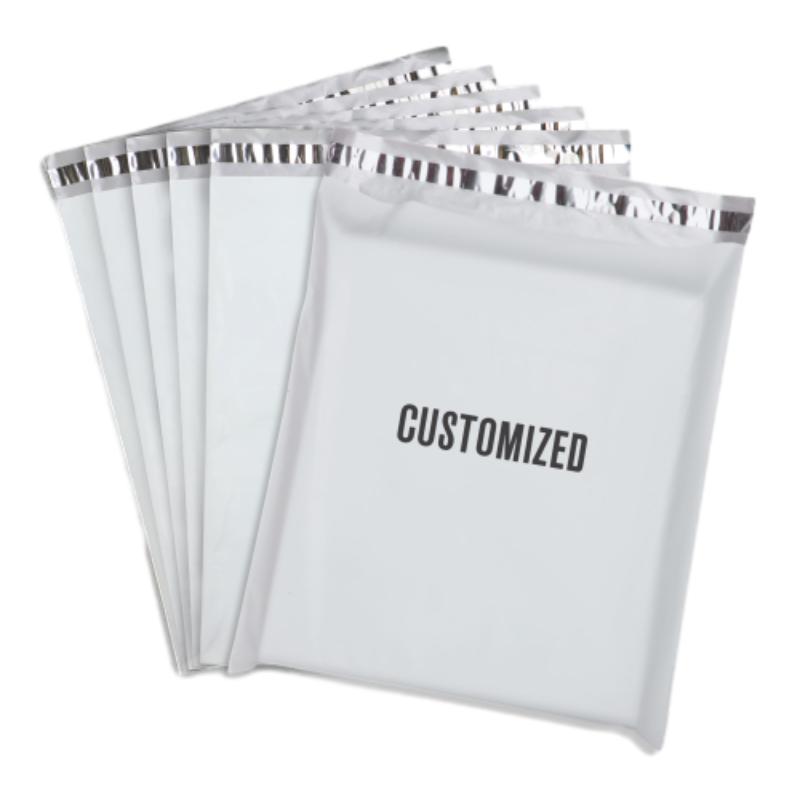
Put simply, mixed mailing bags are multipurpose mailing envelopes designed to carry diverse contents—from documents and garments to gadgets and humanitarian aid. Unlike traditional boxes or rigid containers, these bags are flexible, lightweight, and often waterproof or tamper-evident, making them ideal for combined shipments or varied product assortments.
In humanitarian contexts, mixed mailing bags help organizations distribute mixed goods in a single package—think medical supplies, food packets, and sanitation kits sent together efficiently. In commercial sectors, they reduce packaging waste and streamline dispatch by consolidating varying items safely.
Core Components of Mixed Mailing Bags
1. Durability
The optimum mixed mailing bag balances strength and flexibility. Made from polyethylene, polypropylene, or biodegradable plastics, they withstand rough handling while protecting contents from moisture or punctures.
2. Scalability
Manufacturers offer bags in multiple sizes and custom configurations, allowing businesses of all scales to optimize packaging volumes without excess material waste or cost escalation.
3. Cost Efficiency
Compared to boxes or bubble wraps, mixed mailing bags generally reduce shipping costs by trimming weight and volume, which translates to lower freight charges and smaller storage footprints.
4. Security Features
Many bags include tamper-evident seals or RFID integration to protect contents from theft or unauthorized opening—critical when mailing sensitive or valuable goods.
5. Sustainability
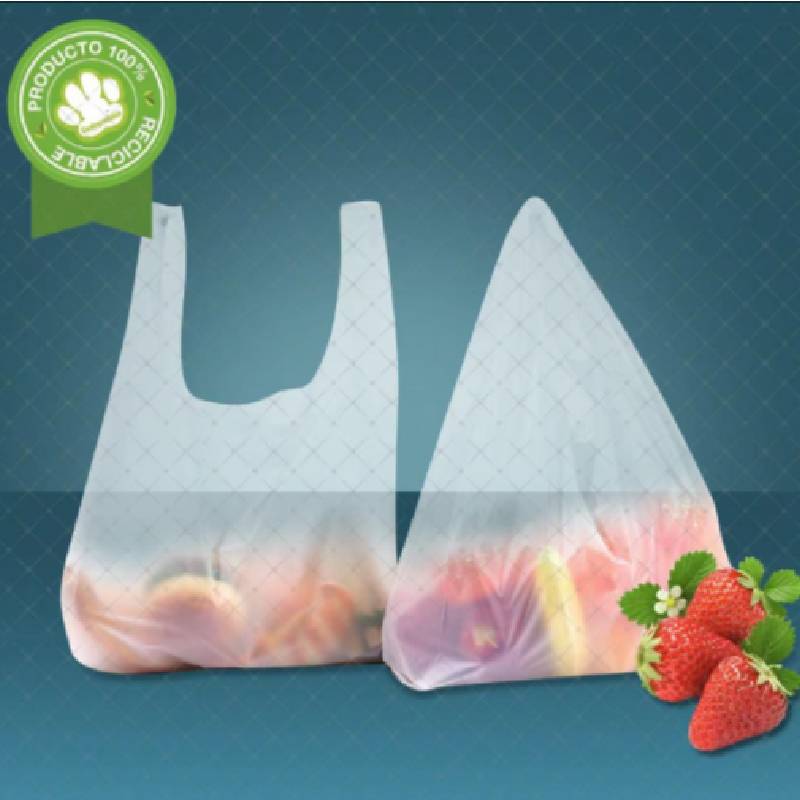
Modern bags increasingly incorporate recycled or compostable materials aligned with ISO standards (ISO 18601-18606), pushing the envelope on reducing environmental impacts.
Product Specification Table: Typical Mixed Mailing Bags
| Feature | Specification | Benefit |
|---|---|---|
| Material | Polyethylene/Polypropylene (recyclable) | Lightweight & water-resistant |
| Size Range | Small (200x300mm) to Large (500x700mm) | Adapts to various shipment sizes |
| Seal Type | Self-seal adhesive with tamper evident | Security & ease of use |
| Tensile Strength | 15-25 N/mm² | Resistance to tears & punctures |
Global Applications & Use Cases
Mixed mailing bags truly shine in diverse environments—from bustling urban e-commerce hubs in North America and Europe to remote humanitarian relief efforts in Sub-Saharan Africa and Southeast Asia. Take, for example, the post-disaster relief operations coordinated by the International Federation of Red Cross and Red Crescent Societies (IFRC). They rely on mixed mailing bags to send mixed aid parcels—first aid kits, food sachets, water purification tablets—in compact, secure packages.
In industrial zones, especially remote locations like mining camps or offshore sites, consolidated mailings reduce shipment frequency, minimizing costs and environmental impact. Retailers like those participating in drop-shipping models use these bags to streamline order batches, ensuring faster delivery and less packaging waste.
Many businesses also favor mixed mailing bags for their adaptability—they accommodate both rigid and soft goods, cutting down on separate packaging lines and simplifying sorting processes.
Vendor Comparison Table: Leading Mixed Mailing Bag Suppliers
| Vendor | Material Options | Customization | Price Range (per 1000) | Lead Time |
|---|---|---|---|---|
| LiYa Bio Bag | Recycled PE, Bio-based plastics | Full branding & size options | $150 - $250 | 2-3 weeks |
| GreenPack Solutions | Compostable PLA, PE blends | Limited sizes, color options | $200 - $300 | 3-4 weeks |
| EcoShip Packaging | 100% Recycled PE | Standard sizes only | $130 - $180 | 1-2 weeks |
Advantages & Long-Term Value of Mixed Mailing Bags
When you think about it, mixed mailing bags are a quiet revolution in logistics. They save money—not just in shipping costs but also by reducing packaging waste and streamlining warehouse operations. Sustainability isn’t just buzzword here; it's baked into the materials and design choices, helping brands build trust with eco-conscious customers.
On an emotional level, they help safeguard the dignity and safety of recipients. For example, in humanitarian aid contexts, protective bags preserve the integrity of critical supplies, reassuring recipients that aid is reliable and thoughtfully delivered.
Future Trends & Innovations to Watch
- Green Materials: Innovations like algae-based plastics or plant-fiber composites aim to replace conventional polymers, aligned with ISO’s sustainability frameworks.
- Smart Packaging: RFID tags and QR codes embedded in mixed mailing bags improve tracking and anti-counterfeiting.
- Automated Packing: Robotics that can dynamically pack mixed products into mailing bags will increase scalability and precision.
Challenges & Solutions in Mixed Mailing Bag Adoption
Not everything is rosy. The biggest hurdles seem to be material recyclability and standardization across vendors. Different thicknesses and materials confuse recycling streams, undermining circular economy goals. Also, inconsistent sizes slow packaging automation.
Experts recommend tighter collaboration with waste management industries, adopting ISO standards for packaging, and investing in client education. For example, LiYa Bio Bag provides tailored sustainability analyses for clients to choose the right materials and disposal practices.
Frequently Asked Questions About Mixed Mailing Bags
- Q: Can mixed mailing bags protect fragile items during shipping?
- A: While mixed mailing bags are durable and moisture-resistant, they’re best paired with internal protective materials like bubble wrap or foam inserts for fragile items to prevent damage.
- Q: Are mixed mailing bags recyclable?
- A: Many mixed mailing bags are recyclable depending on local facilities, especially those made from polyethylene. Biodegradable and compostable options exist but require industrial composting setups.
- Q: What sizes are available for mixed mailing bags?
- A: Sizes range widely, commonly from small (about 200x300mm) to large (up to 500x700mm), with custom options often available to meet specific business needs.
- Q: How do security seals on mixed mailing bags work?
- A: Self-adhesive tamper-evident strips show visible signs if the bag is opened, deterring theft and ensuring trust during transit.
Conclusion: Why Mixed Mailing Bags Are Worth Considering
In a fast-paced, globalized world, mixed mailing bags offer a versatile, cost-effective, and increasingly eco-friendly packaging solution. They serve not just commercial needs but humanitarian and industrial logistics too. As companies and organizations pivot toward sustainability and operational efficiency, investing in the right mixed mailing bags can make a measurable difference—both for your bottom line and the planet.
If you want to explore tailored solutions or discover a reliable supplier, visit our website for a range of customizable, eco-conscious mixed mailing bags designed to meet modern demands.
References:
1. United Nations Environment Programme (UNEP) – Packaging Waste Reports
2. World Bank – Logistics and E-commerce Statistics 2022
3. ISO 18601-18606 Standards on Environmental Packaging
-
Secure Shipping Guide with Poly Mailer Bubble Wrap SolutionsNewsApr.16,2026
-
Secure Shipping Guide for Using Durable Bubble Parcel BagsNewsApr.09,2026
-
Comprehensive Guide to Poly Mailer Bubble for Secure and Efficient ShippingNewsApr.07,2026
-
Elevate Your Brand with Custom Designer Bubble Mailers for Effective PackagingNewsApr.04,2026
-
Comprehensive Guide to Poly Mailers with Bubble Wrap for Secure ShippingNewsMar.31,2026
-
Comprehensive Guide to Large Bubble Poly Mailers for Secure and Efficient ShippingNewsMar.28,2026
-
Have the freedom of customizing your custom mailers any way you want! Our dedicated packaging support will help deliver you the mailing experience you need to elevate your shipping experience to the next level! Start making a strong impression on your customers and stand out from your competitors! -
LIYA uses high quality raw materials which directly purchased from large enterprises domestic and overseas such as PetroChina, Sinopec, Sabic, Equate, ExxonMobil, Dow Chemical, Total, and Borouge, ensuring the price advantage and quality of the raw materials. -
LIYA uses high quality raw materials which directly purchased from large enterprises domestic and overseas such as PetroChina, Sinopec, Sabic, Equate, ExxonMobil, Dow Chemical, Total, and Borouge, ensuring the price advantage and quality of the raw materials.
 English
  Arabic
  China
China  French
  Korean
  Russian
  Spanish