Discover the Benefits and Applications of Foil Mailing Bags | Durable, Moisture Resistant Packaging Solutions
Foil Mailing Bags: What They Are and Why They Matter Globally
Foil mailing bags have quietly become a staple in global shipping and logistics, from e-commerce packages to vital humanitarian aid. These sleek, metallic envelopes do a lot more than just look cool—they combine protection, durability, and efficiency in a way that matters worldwide. Understanding foil mailing bags means grasping a small but crucial piece of the global supply chain puzzle.
Introduction: Why Foil Mailing Bags Are Taking Center Stage Worldwide
Shipping and packaging is a trillion-dollar industry, and according to the World Bank, global e-commerce sales are expected to top $7.5 trillion by 2025. In that fast-growing market, packaging needs to protect contents while being lightweight and cost-effective. Foil mailing bags respond directly to those demands.
Oddly enough, with the rise of online shopping comes the challenge of product damage due to moisture, punctures, and tampering. Foil mailing bags help solve these problems by combining a barrier that physically protects products with a lightweight design that cuts down on shipping costs and environmental impact.
What Are Foil Mailing Bags?
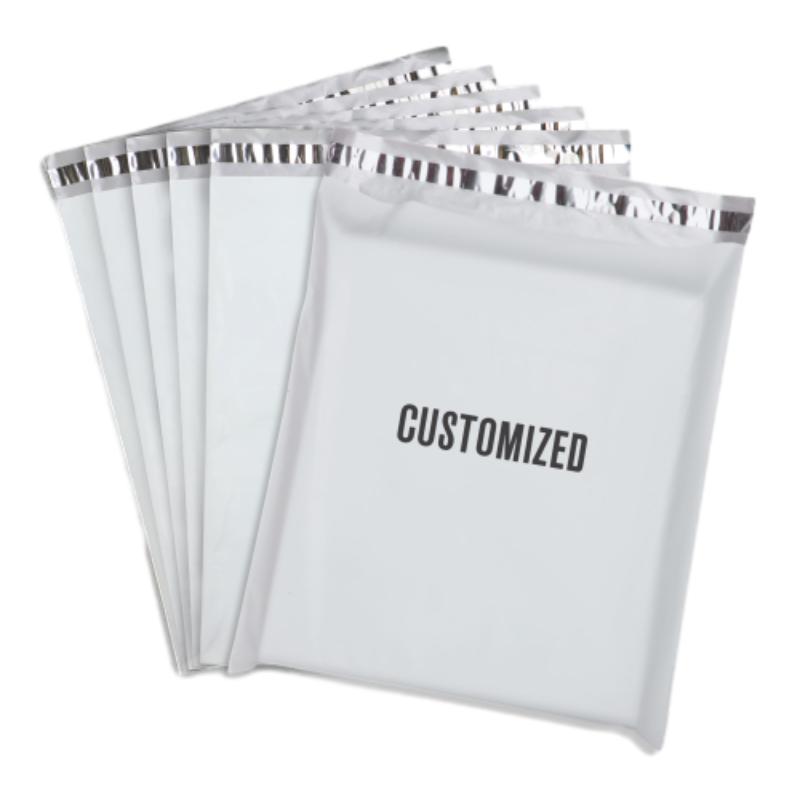
Simply put, foil mailing bags are lightweight envelopes typically made from a laminate of metal foil (usually aluminum) and plastic films like polyethylene. This combination creates a flexible pouch that is moisture-resistant, tear-resistant, and often tamper-evident. They’re designed for mailing products safely while reducing bulk compared to boxes.
These bags are more than just packaging—they’re a crucial link in industries ranging from cosmetics and electronics to pharmaceuticals and humanitarian logistics. When relief agencies ship medical supplies to disaster zones, for example, foil mailing bags ensure contents arrive uncontaminated, maintaining product integrity in tough conditions.
Key Aspects of Foil Mailing Bags
1. Durability
The foil and plastic laminate creates a strong, resilient package that resists tearing and punctures much better than paper or plastic alone. This durability means fewer damages and returns—saving money and hassle for businesses.
2. Moisture and Light Barrier
The metal foil layer provides nearly complete protection against moisture and light, which is crucial for sensitive goods like food, cosmetics, or electronics. This barrier preserves freshness and functionality in transit.
3. Lightweight & Cost-Effective
Despite its protective qualities, a foil mailing bag is incredibly light, helping reduce shipping weight and cost. Many companies notice a meaningful drop in shipping fees, especially when scaled globally.
4. Customizable Security Features
Foil mailing bags can include tamper-evident seals, RFID tags, and custom branding options—making them flexible for various business needs, from fraud prevention to marketing.
5. Environmental Considerations
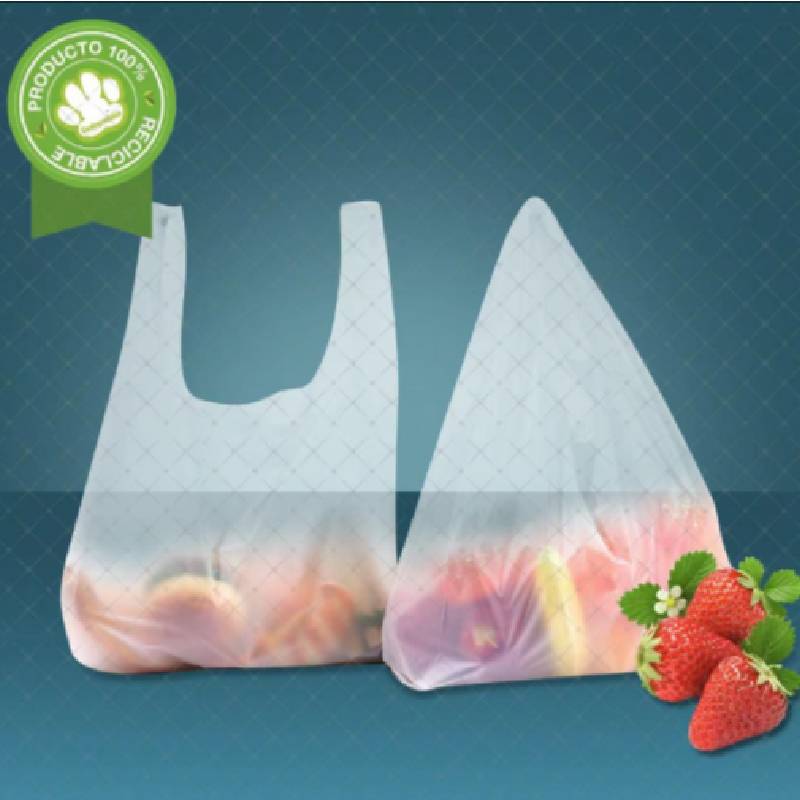
While foil mailing bags are not yet fully recyclable everywhere, ongoing innovations aim at improving eco-friendliness through biodegradable films and easier recycling methods.
Mini Takeaway
Foil mailing bags deliver a blend of durability, barrier protection, and lightweight convenience that suits diverse shipping challenges worldwide.
Global Applications & Use Cases
- In disaster relief: NGOs use foil mailing bags for moisture-proof packaging of medicines and documents sent to remote or rain-prone areas.
- E-commerce: Retailers who ship fragile or moisture-sensitive items choose foil mailing bags to minimize damage claims.
- Pharmaceuticals: Temperature-sensitive drugs are safely transported using foil bags with insulating properties.
- Food industry: Snack and supplement manufacturers utilize them to preserve freshness and extend shelf life.
Advantages & Long-Term Value
Beyond immediate benefits like product safety and cost savings, foil mailing bags contribute to trust between seller and buyer—customers receive intact, fresh goods, which fosters brand loyalty. Plus, companies appreciate how these bags reduce waste from damaged returns.
Emotionally, customers experience convenience and confidence—knowing that their parcels are protected against weather and tampering adds a sense of security that's often overlooked in packaging discussions.
Foil Mailing Bags Product Specification Table
| Feature | Specification |
|---|---|
| Material Composition | Aluminum foil + polyethylene laminate |
| Moisture Barrier | High resistance (up to 99.99%) |
| Tensile Strength | 20-25 MPa (typically) |
| Weight | Average 10-20g per bag (varies by size) |
| Tamper Evidence | Available with peel-off seals |
Vendor Comparison: Leading Foil Mailing Bag Suppliers
| Vendor | Customization | Eco-Friendliness | Pricing | Lead Time |
|---|---|---|---|---|
| Liyabiobag | Full branding & sizes | Biodegradable options | Competitive | 7-14 days |
| GlobalPack | Limited sizes & colors | Standard plastic laminate | Mid-range | 10-20 days |
| EcoWraps | Eco-friendly focus, custom print | 100% recyclable | Premium pricing | 15-25 days |
Future Trends & Innovations
In the quest for greener solutions, many manufacturers are exploring compostable laminates and easier recycling technology—oddly enough, a challenge given the metal foil’s mixed materials. Automation also influences production, allowing ultra-fast customization for e-commerce, which is a huge plus for brands wanting tailored mailers in real time.
Digital innovations like QR codes and RFID integration into foil mailing bags are also emerging. These enable better tracking and anti-counterfeiting measures, essential in pharmaceuticals and luxury goods sectors.
Challenges in Foil Mailing Bag Usage & Expert Solutions
One obvious challenge is recyclability. Most foil mailing bags require specialized processes since aluminum and plastic usually can’t be separated easily. Some innovators propose mono-material designs or new composites aimed at simplifying recycling.
Another issue is cost—while savings on shipping are real, foil mailing bags are sometimes pricier than basic plastic alternatives. Bulk ordering from reliable vendors (like foil mailing bags specialists) plus planning help offset these costs.
FAQ: Frequently Asked Questions About Foil Mailing Bags
- Q: Are foil mailing bags waterproof?
A: Yes, the aluminum foil layer provides a highly effective moisture barrier, making these bags virtually waterproof for everyday shipping conditions. - Q: Can foil mailing bags be recycled?
A: Recycling is possible but depends on local facilities. Efforts are underway to create more recyclable versions, but currently many must be taken to specialized waste centers. - Q: How customized can foil mailing bags get?
A: Customization ranges from size, color, and branding to tamper-evident features and RFID tagging, depending on the supplier’s capabilities. - Q: Do foil mailing bags provide temperature protection?
A: They offer some insulation by blocking light and air but aren’t designed for extreme temperature control; additional packaging or coolers might be necessary. - Q: Are foil mailing bags suitable for international shipping?
A: Absolutely. Their durability and moisture resistance make them ideal for the rigors of long-distance and international mail.
Conclusion: Why Foil Mailing Bags Deserve a Place in Your Packaging Strategy
Ultimately, foil mailing bags deliver on multiple fronts—protecting goods, reducing costs, and enhancing customer satisfaction globally. Whether you’re in retail, pharmaceuticals, or humanitarian aid, these bags add practical value and trust. To explore options adapted to your needs, visit foil mailing bags.
Reflecting on how something as simple as a mailing bag could influence global supply chains is a reminder that innovation often lies in the details.
-
Secure Shipping Guide with Poly Mailer Bubble Wrap SolutionsNewsApr.16,2026
-
Secure Shipping Guide for Using Durable Bubble Parcel BagsNewsApr.09,2026
-
Comprehensive Guide to Poly Mailer Bubble for Secure and Efficient ShippingNewsApr.07,2026
-
Elevate Your Brand with Custom Designer Bubble Mailers for Effective PackagingNewsApr.04,2026
-
Comprehensive Guide to Poly Mailers with Bubble Wrap for Secure ShippingNewsMar.31,2026
-
Comprehensive Guide to Large Bubble Poly Mailers for Secure and Efficient ShippingNewsMar.28,2026
-
Have the freedom of customizing your custom mailers any way you want! Our dedicated packaging support will help deliver you the mailing experience you need to elevate your shipping experience to the next level! Start making a strong impression on your customers and stand out from your competitors! -
LIYA uses high quality raw materials which directly purchased from large enterprises domestic and overseas such as PetroChina, Sinopec, Sabic, Equate, ExxonMobil, Dow Chemical, Total, and Borouge, ensuring the price advantage and quality of the raw materials. -
LIYA uses high quality raw materials which directly purchased from large enterprises domestic and overseas such as PetroChina, Sinopec, Sabic, Equate, ExxonMobil, Dow Chemical, Total, and Borouge, ensuring the price advantage and quality of the raw materials.
 English
  Arabic
  China
China  French
  Korean
  Russian
  Spanish