Disposable Trash Bags: Strong, Leak-Proof, Eco-Friendly?
Trash Bag Buyer’s Playbook: What I Look For (And What Most People Miss)
I’ve walked more bag plants than I can count, and the difference between a great bag and a headache-in-a-box is rarely obvious on a spec sheet. If you’re scoping disposable trash bags for retail, jan-san, or facility supply, here’s the insider view—materials that actually matter, real test data, and a few surprises from the shop floor in Plastic Packing Park, Xiongxian, Baoding, Hebei, China 071800.
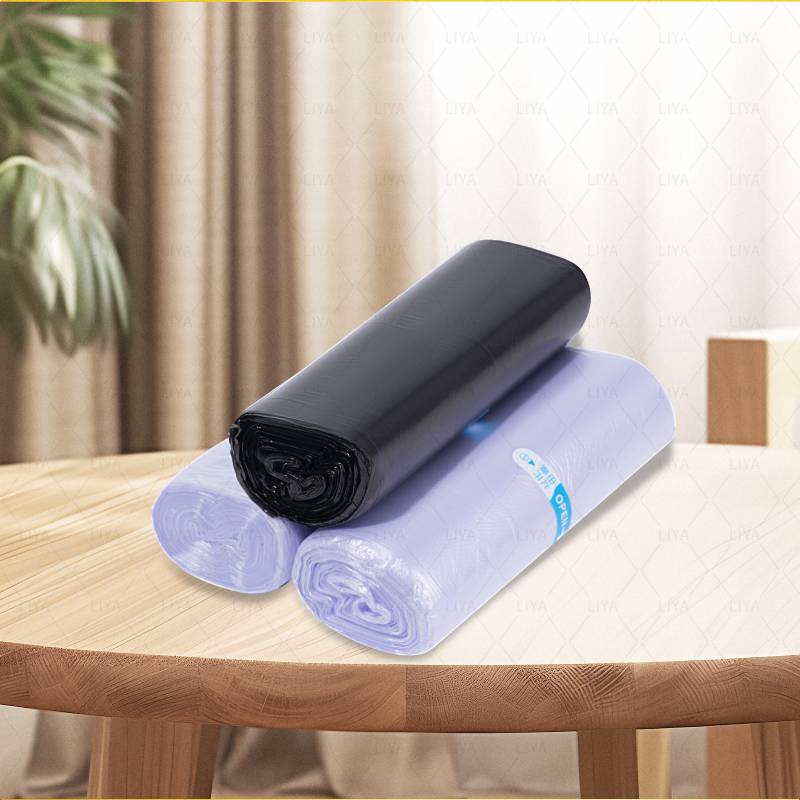
What’s trending (and why it matters)
- Lightweighting with smarter blends (LLDPE + metallocene) to cut resin ~8–12% without blowouts.
- Higher recycled content targets (30–50% PCR in some tenders). Not all PCR is equal—clarity and puncture can vary a lot.
- Compostables are growing for foodservice and municipalities; still, not every job needs it. Pick the spec to match the bin, not the buzzword.
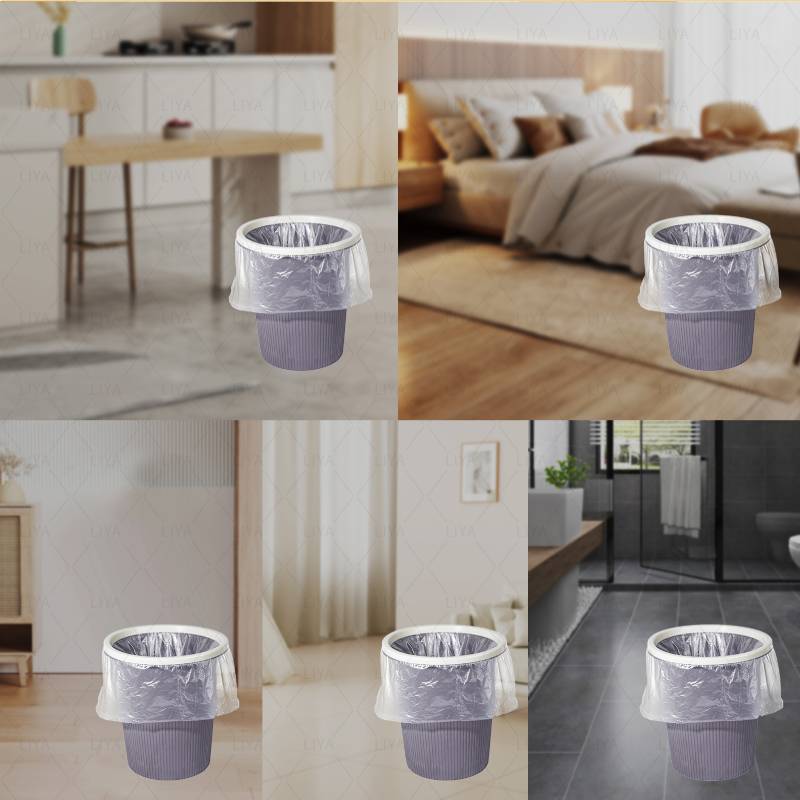
Materials and process (quick but real)
Typical options: LDPE (quiet, stretchy), HDPE (crinkly, strong for its weight), LLDPE/metallocene (balanced toughness), PCR blends, and PLA+PBAT for certified compostables. Process flow: resin drying → blown-film extrusion (controlled BUR and frost line) → optional flexo print → bag making (star-seal for leak resistance, drawstring/flat) → QA. Core tests: ASTM D882 tensile, ASTM D1709 dart impact, ISO 6383-2 tear. I’ve seen good plants pull hourly retains and keep them, which quietly prevents line drift.
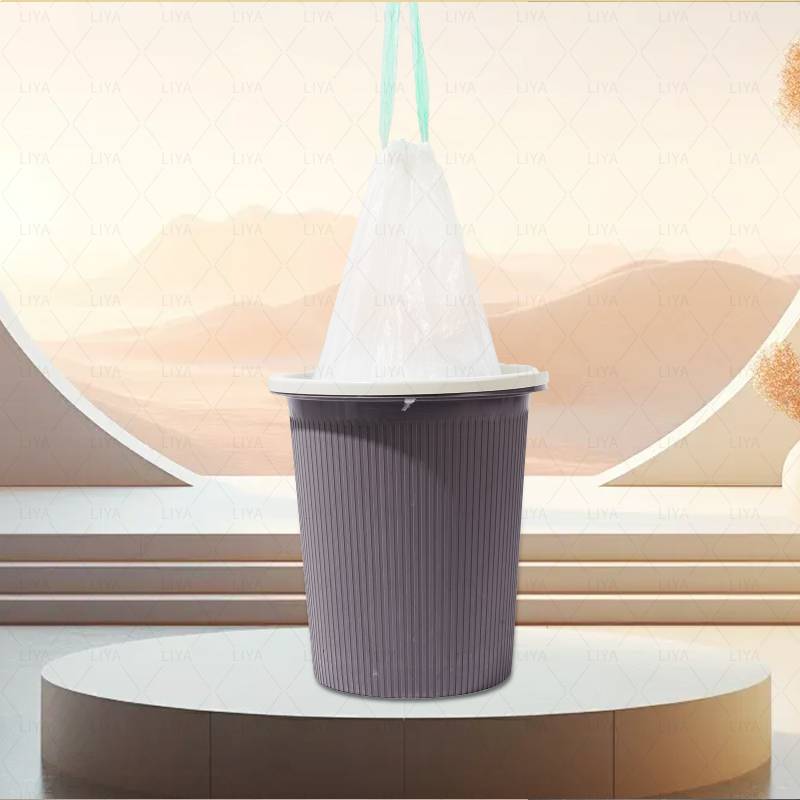
Representative product specs
| Model | Capacity | Size (in) | Thickness | Material | Seal/Closure |
|---|---|---|---|---|---|
| S-15 | ≈15 L | 16×20 | 10–14 μm | HDPE / PCR | Star-seal |
| M-30 | ≈30 L | 20×24 | 12–18 μm | LLDPE | Flat or Drawstring |
| L-60 | ≈60 L | 24×32 | 16–25 μm | LLDPE/Metallocene | Star-seal, Drawstring |
| C-30C | ≈30 L | 20×24 | 18–22 μm | PLA+PBAT (Compostable) | Star-seal |
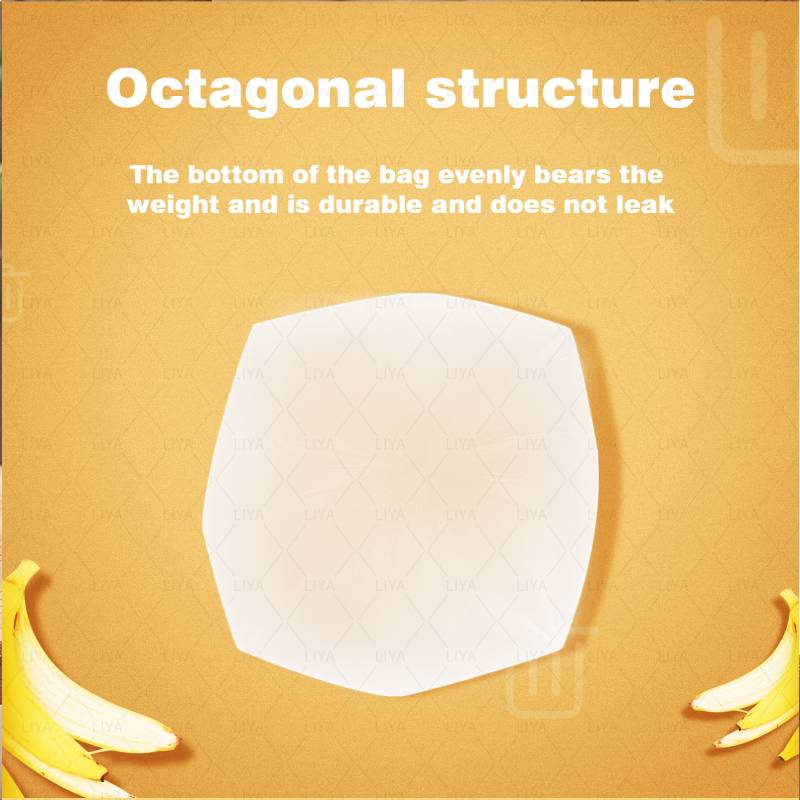
Use cases, advantages, and the small wins
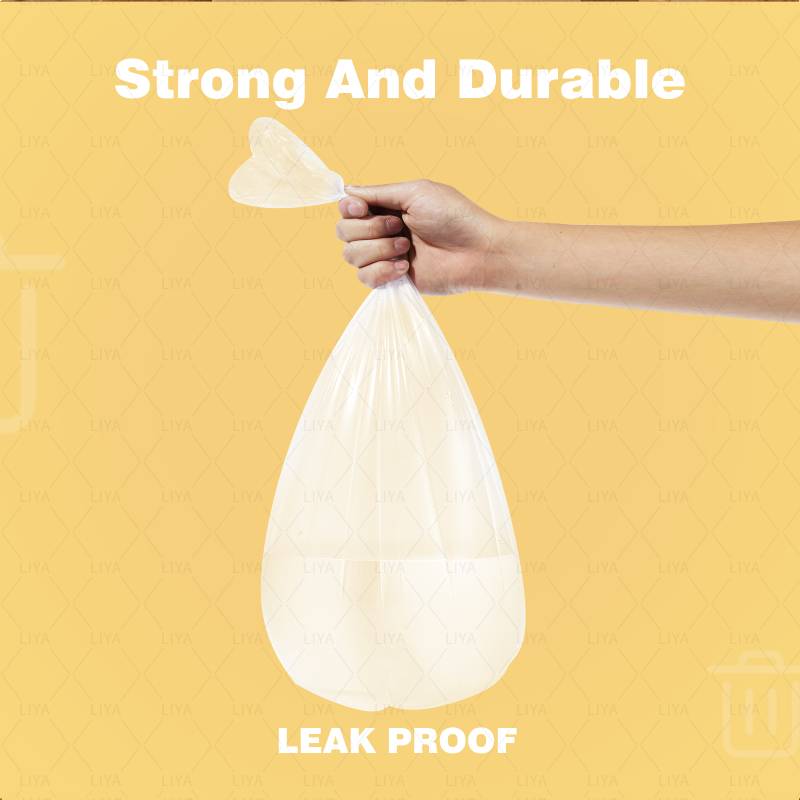
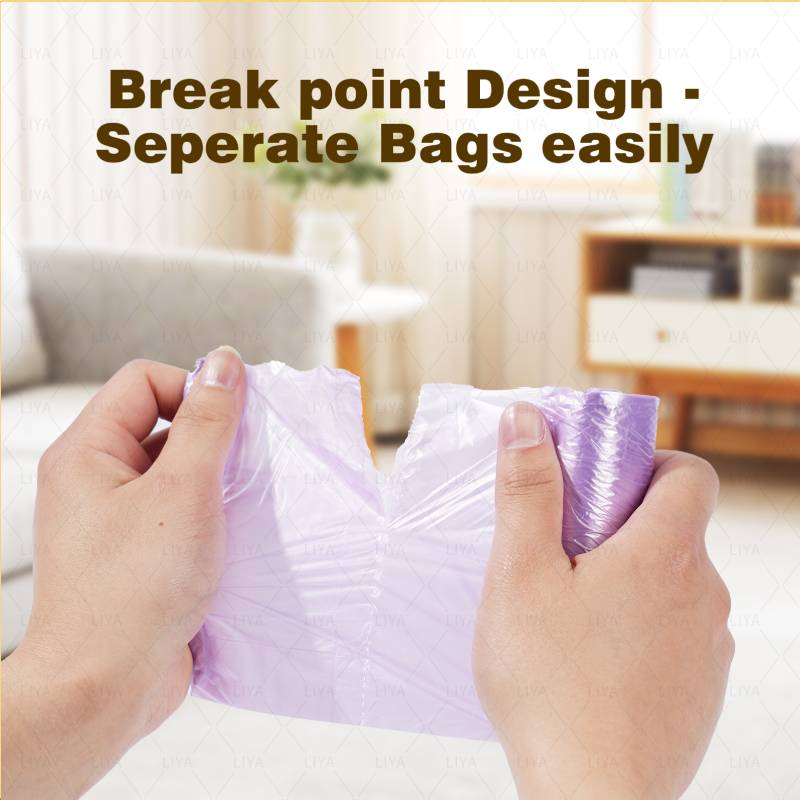
- Offices/retail: thinner HDPE with star-seal reduces leaks at the lift point. Many customers say drawstrings save real time.
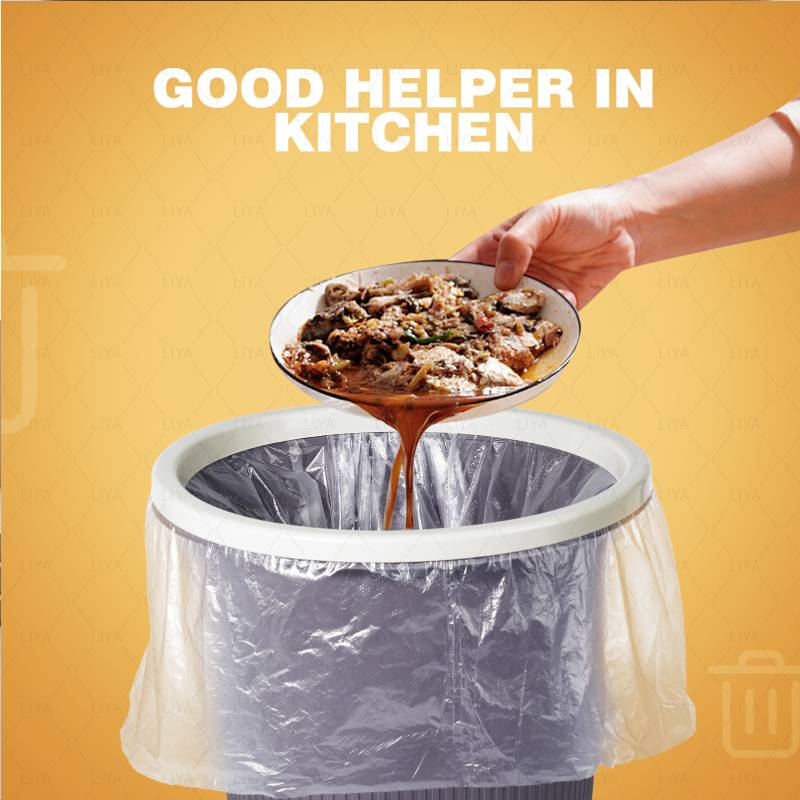
- Foodservice: LLDPE blends handle puncture from clamshells; black keeps bins looking tidy.
- Municipal organics: compostable bags if you need EN 13432/ASTM D6400 compliance. Note: not for regulated medical waste unless specifically certified.
Vendor snapshot (what I compare)
| Vendor | Materials Scope | Lead Time | Certs | Customization |
|---|---|---|---|---|
| Liya Biobag | HDPE/LDPE/LLDPE, PCR, PLA+PBAT | ≈15–25 days | ISO 9001; optional BPI/TÜV (models) | Sizes, colors, print, seals |
| Vendor A | HDPE/LLDPE | ≈20–30 days | ISO 9001 | Limited print |
| Vendor B | Compostables only | ≈25–40 days | EN 13432/TÜV | Niche sizes |
Customization and a quick case
Customization can be as simple as color and gauge—or as deep as resin recipes. One grocery client moved from 20 μm HDPE to an 18 μm LLDPE/metallocene blend; tensile rose ≈12%, puncture improved ≈9% (ASTM D1709), and unit resin dropped ~10%. Complaints fell 28% in the first quarter. Honestly, the star-seal alone carried a lot of that win.
Testing, lifespan, and compliance notes
Typical in-plant ranges (real-world use may vary): Tensile (ASTM D882): MD 18–30 MPa; Dart (ASTM D1709): 120–350 g; Tear (ISO 6383-2): 400–800 g. Compostables should meet ASTM D6400 or EN 13432 when required. Shelf life: PE bags ≈24–36 months stored cool/dry; compostables ≈9–12 months, keep below heat/UV. Certifications often seen: ISO 9001, ISO 14001, BPI, TÜV Austria OK compost. If you’re buying disposable trash bags for food contact or healthcare, ask for the specific model-level declaration and test reports—sounds fussy, but it saves returns.
Origin: Plastic Packing Park, Xiongxian, Baoding, Hebei, China 071800. It seems that consistency out of this cluster has improved markedly in the last two years, especially on recycled blends.
Bottom line: match resin to bin, seal to contents, and certification to channel. The right disposable trash bags are a spec, not a guess.
References
-
Secure Shipping Guide with Poly Mailer Bubble Wrap SolutionsNewsApr.16,2026
-
Secure Shipping Guide for Using Durable Bubble Parcel BagsNewsApr.09,2026
-
Comprehensive Guide to Poly Mailer Bubble for Secure and Efficient ShippingNewsApr.07,2026
-
Elevate Your Brand with Custom Designer Bubble Mailers for Effective PackagingNewsApr.04,2026
-
Comprehensive Guide to Poly Mailers with Bubble Wrap for Secure ShippingNewsMar.31,2026
-
Comprehensive Guide to Large Bubble Poly Mailers for Secure and Efficient ShippingNewsMar.28,2026
-
Have the freedom of customizing your custom mailers any way you want! Our dedicated packaging support will help deliver you the mailing experience you need to elevate your shipping experience to the next level! Start making a strong impression on your customers and stand out from your competitors! -
LIYA uses high quality raw materials which directly purchased from large enterprises domestic and overseas such as PetroChina, Sinopec, Sabic, Equate, ExxonMobil, Dow Chemical, Total, and Borouge, ensuring the price advantage and quality of the raw materials. -
LIYA uses high quality raw materials which directly purchased from large enterprises domestic and overseas such as PetroChina, Sinopec, Sabic, Equate, ExxonMobil, Dow Chemical, Total, and Borouge, ensuring the price advantage and quality of the raw materials.
 English
  Arabic
  China
China  French
  Korean
  Russian
  Spanish