Durable and Cost-Effective Grey Plastic Shipping Bags for Global Logistics
Why Grey Plastic Shipping Bags Still Matter in a Globalized World
Grey plastic shipping bags might not be the flashiest item on the logistics checklist, but if you pause a moment, you'll realize how often they show up — quietly, reliably — throughout global supply chains. Whether for industrial goods, humanitarian aid, or everyday e-commerce parcels, these bags serve as unsung heroes protecting and transporting essentials worldwide.
Considering the World Bank’s reports on global trade volumes, millions of tons of goods move daily, often wrapped or bundled in plastic packing solutions. The particular shade of grey — often linked to industrial-grade polyethylene – symbolizes durability, cost efficiency, and sometimes subtlety for certain sectors. Understanding why grey plastic shipping bags are prevalent helps companies optimize supply chains and reduce damages, while also addressing waste and environmental concerns.
Mini takeaway: These bags represent a small but critical building block of global commerce, blending protection with practicality across industries.
The Global Role of Grey Plastic Shipping Bags
On a global scale, the shipping and packaging industries have expanded exponentially. According to ISO standards related to packaging (ISO 18601 and related series), the demand for protective, lightweight, and scalable packaging materials has surged. Grey plastic shipping bags offer a universal solution that fits the bill—
- High volume capability for bulk industrial shipments
- Resistance to wear, moisture, and contaminants in transit
- Cost-effective manufacturing from recycled or virgin polyethylene
Yet, the challenge lies in balancing these benefits against environmental footprints. The United Nations Environmental Programme notes rising plastic waste concerns, pushing manufacturers and vendors toward innovation while maintaining the integrity of products during handling.
Mini takeaway: Grey plastic shipping bags perfectly illustrate the shipping industry's need for functional yet increasingly sustainable packaging.
What Exactly Are Grey Plastic Shipping Bags?
Simply put, grey plastic shipping bags are industrial-grade polyethylene bags tinted grey, engineered particularly for shipping bulk or individual goods. Their grey colour isn’t just aesthetic: it often indicates UV resistance and dirt-masking properties, ideal for harsh conditions endured during shipping.
From warehouse pallets to humanitarian supply bundles, these bags serve as the first line of defense against dirt, moisture, and abrasion. Interestingly, aid organizations often choose them because grey tones help maintain the dignity of donated items — the bags don’t look cheap or overly conspicuous.
Mini takeaway: These bags are more than just “plastic”; they’re carefully designed, practical tools tailored to meet modern shipping and humanitarian demands.
Key Features That Make Grey Plastic Shipping Bags Work
Durability & Strength
Grey plastic shipping bags are typically made from LDPE or HDPE, materials known for tensile strength and puncture resistance. This durability is crucial during long supply routes or in harsh weather. Some even incorporate multi-layer laminates to improve tear resistance.
Scalability & Versatility
Available in varied sizes and thicknesses, these bags adapt from small package liners to massive bulk holding bags. They fit industries ranging from electronics to agriculture. Oddly enough, some engineers say this scalability is what makes them evergreen in shipping design.
Cost Efficiency
Production costs remain relatively low, especially when using recycled plastics, without sacrificing quality. Bulk orders reduce per-unit pricing, making them accessible to small businesses and large NGOs alike.
Environmental Considerations
Grey plastic shipping bags made from recyclable or recycled content show promise in reducing environmental impact. Moreover, innovation in biodegradable or compostable grey bags, while still maturing, hints at a future shift in materials.
Protection & Security
UV inhibitors and opaque colouring prevent contents from exposure or prying eyes, enhancing package security.
Customizability
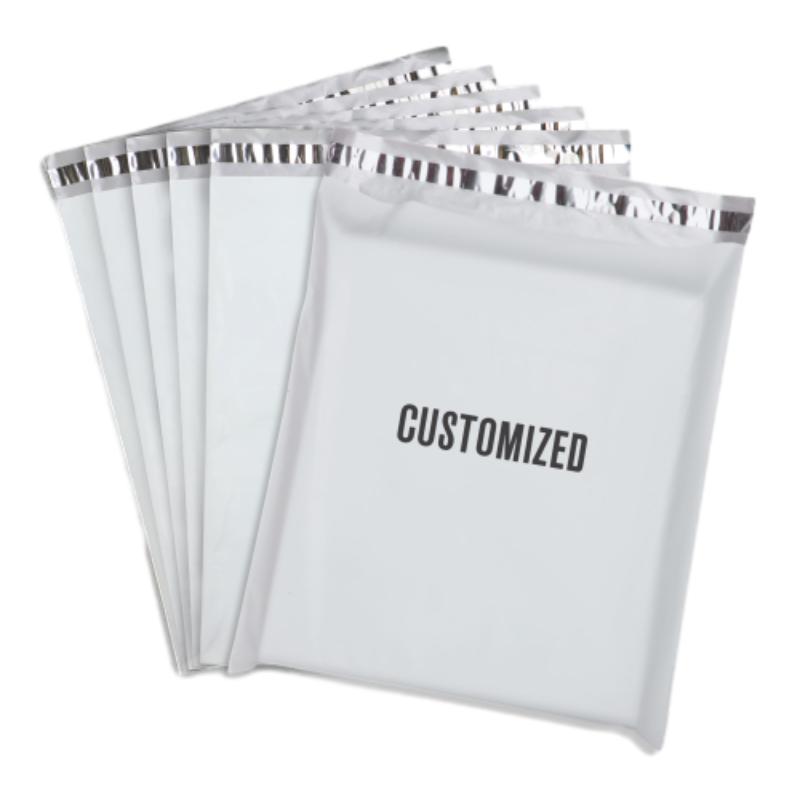
From printing logos to anti-static coatings, these bags can be tailored to client needs, improving brand visibility or product safety.
Mini takeaway: These qualities combine to make grey plastic shipping bags a practical, adaptable choice — a true Swiss army knife in packing.
Global Applications & Real-World Use Cases
Across continents, grey plastic shipping bags play pivotal roles:
- Industrial zones in Asia and Europe: Used to transport parts with chemical/ dust resistance needed during shipment.
- Post-disaster relief operations: NGOs rely on these bags to package and ship clothing, medical supplies, and dry goods across difficult terrain.
- Remote mining and agricultural sectors: Bulk materials like seeds or minerals get handled safely and hygienically within these bags.
- Retail e-commerce: Grey bags often double as discreet outer liners to safeguard customer orders.
A real example: In a recent relief mission in Southeast Asia, a prominent NGO shifted from clear plastic to grey bags after field workers reported better handling and less contamination during monsoons.
Mini takeaway: The adaptability of grey plastic shipping bags means they meet needs from industrial hardiness to humanitarian sensitivity worldwide.
Advantages & Long-Term Value of Using Grey Plastic Shipping Bags
From a business perspective, the advantages are straightforward. Cost-effectiveness and durability translate directly into lower losses and fewer returns due to damaged goods. For aid workers, reliable packaging means preserving not just product integrity but respecting recipient dignity.
- Cost Savings: Bulk purchase and reduction in material waste improve budgets.
- Environmental Edge: Potential for recycling and ongoing research into biodegradable variants create sustainability paths.
- Reliability: Resistance to punctures and moisture reduces shipment failures.
- Emotional Value: Giving goods in well-packaged bags adds a level of respect to humanitarian efforts, often overlooked but impactful.
All in all, investing in quality grey plastic bags feels less like a recurring expense and more like a long-term asset.
Future Trends & Innovations to Watch
Looking ahead, the shipping bag industry is leaning into green materials and smart tech:
- Biodegradable Polymers: Research into compostable grey bags aims to reduce plastic pollution without compromising durability.
- Digital Tracking: Integration of RFID tags or QR codes embedded in bags can allow real-time shipment monitoring.
- Automated Manufacturing: Customization and upscaling are becoming more automated, reducing lead time and errors.
- Recycled Content Boost: As recycling technologies improve, the grey bags you see tomorrow will have a bigger percentage of recycled polymers.
It feels like the classic grey bag — humble as it is — is primed for a tech makeover, fitting neatly into sustainable, digital supply chains.
Challenges & Solutions in Current Practice
Despite all advantages, challenges remain. Plastic waste is an ongoing concern, especially in regions lacking recycling infrastructure. Also, not all grey bags meet safety certifications for specific industries, sometimes due to inconsistent manufacturing standards.
Practical fixes:
- Standardized quality controls: International bodies push uniform specs to reduce subpar products.
- Education and disposal programs: Helping end-users recycle or reuse bags properly.
- Material innovation: Blending traditional plastics with bio-based alternatives.
Industry experts often stress that collaboration between suppliers, regulators, and shippers is key — nobody can solve this alone.
Frequently Asked Questions About Grey Plastic Shipping Bags
Q1: What makes grey plastic shipping bags better than clear plastic bags?
A1: Grey plastic shipping bags usually have better UV and dirt resistance, making them ideal for industrial or outdoor use where concealment and durability matter. Clear bags may be preferable for retail visibility but can expose contents to light damage or contamination.
Q2: Are grey plastic shipping bags recyclable?
A2: Yes, most grey plastic shipping bags are made from recyclable polyethylene. However, actual recyclability depends on local recycling programs and how the bags are used. Always check with your local facilities to ensure proper disposal.
Q3: Can these bags be customized for branding or specific needs?
A3: Absolutely. Vendors often offer options such as printing logos, adding anti-static coatings, or producing custom sizes and thicknesses to match client requirements.
Q4: How do grey plastic shipping bags help in disaster relief scenarios?
A4: They provide sturdy, weather-resistant, and discreet packaging, protecting essential supplies during transport and distribution, often in challenging environments, which maintains product integrity and recipient dignity.
Q5: What is the typical lifespan of a grey plastic shipping bag?
A5: Lifespan varies by usage and environment but generally ranges from months to years if reused and stored properly. Exposure to extreme UV or physical abrasion will shorten this.
Product Specification Table: Typical Grey Plastic Shipping Bag
| Specification | Typical Values |
|---|---|
| Material | High-Density Polyethylene (HDPE) / Low-Density Polyethylene (LDPE) |
| Thickness | 50 - 150 Microns |
| Dimensions | Varies: 20x30 cm up to 150x200 cm or custom |
| Color | Opaque Grey (custom shades available) |
| Tensile Strength | 20-40 MPa |
| UV Resistance | Enhanced with additives; varies by supplier |
Vendor Comparison Table: Leading Grey Plastic Shipping Bag Manufacturers
| Vendor | Customization Options | Sustainability Practices | Price Range (per 1000 bags) | Lead Time |
|---|---|---|---|---|
| PolyPack Solutions | Logo printing, anti-static | Using 30% recycled content | $120 - $170 | 2-3 weeks |
| EcoShip Packaging | Custom sizes, biodegradable variants | Certified biodegradable options | $150 - $220 | 3-4 weeks |
| GlobalBag Co. | Standard sizes only | Recycling program partnerships | $90 - $130 | 1-2 weeks |
Wrapping Up
In a world increasingly focused on sustainability and efficiency, grey plastic shipping bags maintain a surprisingly resilient role. They’re cost-effective, adaptable, and have real, tangible influence in sectors ranging from heavy industry to humanitarian aid. Sure, challenges around environmental impact persist, but innovation is brewing just beneath the surface — from biodegradable polymers to smart packaging solutions. It feels like grey bags are ready to evolve without losing their core value.
If you’re looking for dependable, scalable shipping solutions, grey plastic shipping bags are worth a second look.
References:
-
Secure Shipping Guide with Poly Mailer Bubble Wrap SolutionsNewsApr.16,2026
-
Secure Shipping Guide for Using Durable Bubble Parcel BagsNewsApr.09,2026
-
Comprehensive Guide to Poly Mailer Bubble for Secure and Efficient ShippingNewsApr.07,2026
-
Elevate Your Brand with Custom Designer Bubble Mailers for Effective PackagingNewsApr.04,2026
-
Comprehensive Guide to Poly Mailers with Bubble Wrap for Secure ShippingNewsMar.31,2026
-
Comprehensive Guide to Large Bubble Poly Mailers for Secure and Efficient ShippingNewsMar.28,2026
-
Have the freedom of customizing your custom mailers any way you want! Our dedicated packaging support will help deliver you the mailing experience you need to elevate your shipping experience to the next level! Start making a strong impression on your customers and stand out from your competitors! -
LIYA uses high quality raw materials which directly purchased from large enterprises domestic and overseas such as PetroChina, Sinopec, Sabic, Equate, ExxonMobil, Dow Chemical, Total, and Borouge, ensuring the price advantage and quality of the raw materials. -
LIYA uses high quality raw materials which directly purchased from large enterprises domestic and overseas such as PetroChina, Sinopec, Sabic, Equate, ExxonMobil, Dow Chemical, Total, and Borouge, ensuring the price advantage and quality of the raw materials.


 English
  Arabic
  China
China  French
  Korean
  Russian
  Spanish