Durable Bubble Wrap Mailers for Industrial Shipping Needs
Why Bubble Wrap Mailers Are Still the Go-To for Industrial Shipping
Having spent years working in the industrial equipment sector, one thing’s clear: packaging materials either make or break your shipping game. Among all the options out there, bubble wrap mailers have proven themselves as oddly reliable, not just for fragile electronics or small parts, but widely in rugged industrial settings too.
Now, I know what you might be thinking. Aren’t bubble wrap mailers a bit... basic? Oddly enough, that simplicity is exactly their charm in rough environments. What many folks in the sector appreciate is how they combine lightweight protection with flexibility – they cushion, conform, and let you seal tight without fuss. I remember one incident years ago when a crate full of delicate sensors arrived in perfect condition, despite a brutally long shipment route. The secret? Bubble wrap mailers custom lined inside.
Material and Design: What Sets Them Apart?
From an engineering perspective, the most important feature is the bubble size and the quality of the polyethylene film. Standard bubble wrap mailers use 3/16-inch diameter bubbles which strike a nice balance: not too flimsy to pop under pressure, not too bulky to add weight. Next, the polyethylene material itself is often made from recycled content — not only better environmentally, but offering stretch and tear resistance over cheaper plastics, which frankly fall short under industrial handling.
Sealers vary too. The typical gum or adhesive strip on the flap is calibrated for a strong, tamper-evident closure. I once oversaw trials comparing regular adhesive seals with resealable versions, and the resalable ones, while convenient, often compromised on security. So, it depends on your priorities.
| Feature | Details |
|---|---|
| Bubble Size | 3/16 inch diameter |
| Material | 60-80% recycled polyethylene film |
| Thickness | 5-10 mil (microns) |
| Closure Type | Self-adhesive peel & seal |
| Size Options | Varies: 6x10in up to 12x17in |
Comparing Industrial Bubble Wrap Mailer Vendors
Not all vendors are created equal — tough to overstate this in heavy use scenarios. I’ve dealt directly with several suppliers and here’s what stood out:
| Vendor | Bubble Quality | Environmental Compliance | Customization | Pricing (bulk) |
|---|---|---|---|---|
| Liyabiobag | Consistent bubbles, durable | High, 80%+ recycled content | Logo imprint, sizes, colors | Competitive |
| Vendor B | Good but sometimes inconsistent | Moderate recycled content | Limited customization | Mid-range |
| Vendor C | Thicker bubbles but less flexibility | Low recycled content | No customization | Lower price |
In real terms, you pay for what you get. The Liyabiobag line, for example, has on-the-ground-tested quality that echoes what many engineers in my network recommend. I suppose that’s partly because they don’t cut corners on bubble consistency or material density — both literally cushioning your gear from damage.
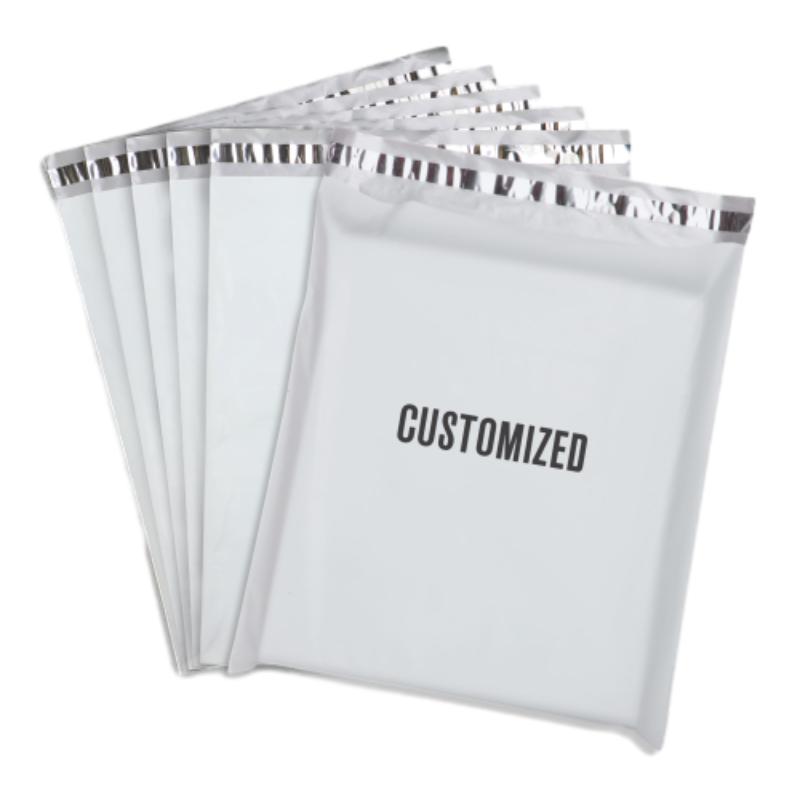
Customization is another consideration. We once had a project needing specialized logos on mailers for branded shipments, and a vendor like Liyabiobag made it pretty straightforward. For many industrial clients, branding is not just a nicety, but part of market presence. You don’t want to miss that.
Final Thoughts on Bubble Wrap Mailers in Industry
The takeaway? Bubble wrap mailers remain an unmatched blend of cost efficiency, protective performance, and ease of use in industrial shipping. Sure, new materials pop up now and then — biodegradable wraps, inflated airbags, you name it. But the proven track record of bubble mailers, especially from time-tested vendors like Liyabiobag, keeps them at the top of the list for many facilities.
Frankly, if your shipping involves delicate but oddly rugged goods, I’d at least give these mailers a serious look. They feel like a small investment with outsized returns on damage prevention — which at the end of the day is what all of us really want, right?
References:
- Packaging World Magazine - "Material Science Behind Bubble Mailers" (2023)
- Industrial Shipping Insights - Annual Survey (2022)
- Liyabiobag Product Documentation and User Reviews (2023)
-
Secure Shipping Guide with Poly Mailer Bubble Wrap SolutionsNewsApr.16,2026
-
Secure Shipping Guide for Using Durable Bubble Parcel BagsNewsApr.09,2026
-
Comprehensive Guide to Poly Mailer Bubble for Secure and Efficient ShippingNewsApr.07,2026
-
Elevate Your Brand with Custom Designer Bubble Mailers for Effective PackagingNewsApr.04,2026
-
Comprehensive Guide to Poly Mailers with Bubble Wrap for Secure ShippingNewsMar.31,2026
-
Comprehensive Guide to Large Bubble Poly Mailers for Secure and Efficient ShippingNewsMar.28,2026
-
Have the freedom of customizing your custom mailers any way you want! Our dedicated packaging support will help deliver you the mailing experience you need to elevate your shipping experience to the next level! Start making a strong impression on your customers and stand out from your competitors! -
LIYA uses high quality raw materials which directly purchased from large enterprises domestic and overseas such as PetroChina, Sinopec, Sabic, Equate, ExxonMobil, Dow Chemical, Total, and Borouge, ensuring the price advantage and quality of the raw materials. -
LIYA uses high quality raw materials which directly purchased from large enterprises domestic and overseas such as PetroChina, Sinopec, Sabic, Equate, ExxonMobil, Dow Chemical, Total, and Borouge, ensuring the price advantage and quality of the raw materials.
 English
  Arabic
  China
China  French
  Korean
  Russian
  Spanish